Are you looking for a fun and safe way to keep your guinea pig happy and entertained? Making DIY wood toys is easier than you think, and your furry friend will love them!
These toys not only provide hours of chewing fun but also help keep your pet’s teeth healthy. In this guide, you’ll discover simple steps to create safe, affordable, and exciting wooden toys that your guinea pig won’t be able to resist.
Keep reading to learn how to turn ordinary wood into the perfect playtime treats for your little buddy!
Choosing Safe Wood
Choosing safe wood is the first step in making DIY guinea pig toys. Guinea pigs love to chew, so the wood must be non-toxic and safe for them to nibble on. Using the right type of wood ensures their health and happiness. Avoid wood that could harm your pet or cause allergic reactions. Proper preparation of the wood also keeps it clean and safe.
Types Of Pet-friendly Wood
- Applewood: Sweet and safe, perfect for chewing.
- Birch: Hard and durable, but safe for pets.
- Maple: Smooth texture, non-toxic for guinea pigs.
- Pine (kiln-dried): Only kiln-dried pine is safe; fresh pine contains harmful oils.
- Aspen: A soft wood that guinea pigs enjoy.
Avoiding Toxic Woods
- Cedar: Contains oils harmful to small animals.
- Redwood: Toxic and should never be used.
- Walnut: Can cause allergic reactions and is unsafe.
- Cherry: Contains substances that can harm guinea pigs.
- Oleander and Yew: Highly poisonous, avoid completely.
Preparing Wood For Use
Start by cutting the wood into small, chewable pieces. Sand all edges to remove splinters that could hurt your pet. Wash the wood with warm water to remove dirt and dust. Avoid using soap or chemicals. Let the wood dry completely before giving it to your guinea pig. This process ensures the toy is clean and safe to chew on.
Basic Tools And Materials
Before you dive into making DIY wood toys for your guinea pig, gathering the right tools and materials is crucial. Having the proper supplies not only makes the crafting process smoother but also ensures the toys are safe and enjoyable for your pet. Let’s look at what you need to get started.
Essential Tools For Crafting
- Small Hand Saw:Perfect for cutting small pieces of wood into safe, manageable sizes.
- Sandpaper or a Sanding Block:Smooths rough edges to prevent splinters that could harm your guinea pig.
- Drill with Small Bits:Useful for making holes if you plan to add strings or connect parts.
- Measuring Tape or Ruler:Helps you keep toy parts consistent in size, which is important for durability.
- Pencil:For marking cuts and measurements clearly before you start cutting.
Additional Supplies To Have
- Non-toxic Wood Glue:Ideal for safely joining wood pieces without using harmful chemicals.
- Natural Wood Blocks or Branches:Choose untreated wood like apple, willow, or pine, which are safe for chewing.
- Twine or Cotton String:Good for attaching parts or creating hanging toys, but make sure it’s pet-safe.
- Clamps or Rubber Bands:These hold pieces together while glue dries, making your work neater.
- Food-Safe Sealant (Optional):If you want extra protection for the wood, ensure it’s safe if ingested.
Safety Tips For Handling Tools
Handling tools carefully keeps you and your furry friend safe. Always wear gloves to protect your hands from splinters and cuts. Work in a well-lit space to see exactly what you’re doing.
Keep sharp tools out of reach of your guinea pig and children. Take your time with each step; rushing can cause mistakes or accidents. Have a first aid kit nearby just in case you need it.
Are you ready to gather your tools and create something your guinea pig will love? Safety and preparation are your best first steps.
Simple Toy Designs
Simple toy designs keep your guinea pig engaged without complex tools. These toys use safe wood and easy shapes. They encourage natural behaviors like chewing and exploring. Creating them takes little time and few materials.
Chew Blocks
Chew blocks help keep teeth healthy and strong. Use untreated wood cut into small blocks. Sand edges smooth to avoid splinters. Attach natural herbs or dried flowers for extra interest. Place blocks in the cage for easy access.
Hideouts And Tunnels
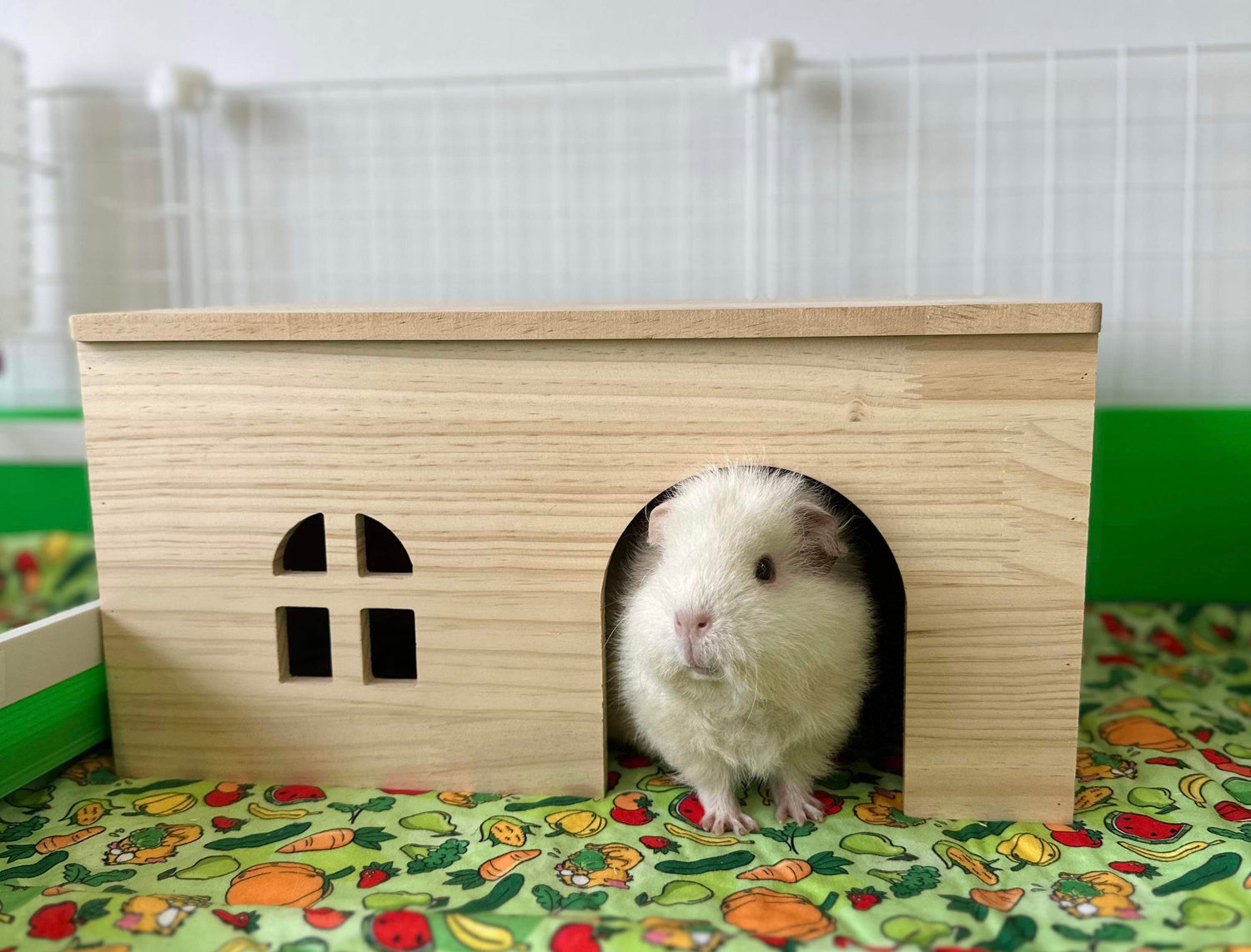
Wooden hideouts and tunnels give guinea pigs a safe place. Build simple box shapes or curved tunnels. Leave openings large enough for easy entry and exit. These toys satisfy their need to hide and explore. Paint with pet-safe, non-toxic colors if desired.
Interactive Puzzle Toys
Interactive puzzle toys stimulate your pet’s mind. Create wooden puzzles with removable pieces or sliding parts. Hide treats inside to encourage problem-solving. Use light wood for easy movement. Make sure all parts are secure and safe to chew.
Credit: www.torontohumanesociety.com
Step-by-step Toy Making
Create safe and fun wood toys for your guinea pig using simple tools and materials. Follow easy steps to cut, shape, and smooth the wood for perfect chew toys. These DIY toys keep pets happy and entertained.
Creating DIY wood toys for your guinea pig can be a rewarding experience, enhancing their environment while keeping them entertained. The process can be simplified into a few key steps that ensure both safety and fun for your little friend. Let’s dive into the essential steps of crafting your custom toys.Measuring And Cutting Wood
Start by selecting untreated, pet-safe wood. Measure the dimensions based on the space available in your guinea pig’s habitat. Precision matters, so use a ruler or measuring tape to ensure accuracy. Once measured, carefully cut the wood into the desired shapes using a saw. Always prioritize safety and wear protective gear like goggles and gloves. A handy tip is to create various shapes like cubes, cylinders, or even ladders that encourage your guinea pig to explore and climb.Sanding And Smoothing Edges
Smooth edges prevent injuries, so take your time with this step. Use sandpaper to gently round off any sharp corners and rough surfaces. Aim for a fine-grit sandpaper to achieve a silky finish that’s gentle on tiny paws and curious noses. Keep testing the edges with your fingers to ensure they’re completely smooth and safe for play.Assembling Components
Now, bring all the pieces together. Use non-toxic wood glue to adhere components like ramps or platforms securely. Consider the durability and stability of your design—guinea pigs love to nudge and push things around! Once assembled, double-check that all parts are firmly attached and there are no small parts that could pose a choking hazard. Creating these toys not only provides mental stimulation and physical activity for your guinea pig but also strengthens your bond. What creative designs can you come up with to delight your furry friend?Decorating And Finishing
Decorating and finishing your DIY wood guinea pig toys is where creativity meets safety. It’s important to make the toys visually appealing while ensuring they remain safe and durable for your furry friend. How you choose to decorate and protect the wood can affect how long the toy lasts and how much your guinea pig enjoys it.
Non-toxic Paints And Stains
Choosing the right paint or stain is crucial. Your guinea pig will chew on the toy, so avoid any products containing harmful chemicals or solvents. Look for water-based, non-toxic paints or stains labeled safe for children’s toys—these are usually safe for pets too.
Test a small area first to make sure the paint adheres well and doesn’t chip easily. If you want to add color, consider natural pigment options, which are often safer and still vibrant. Remember, the goal is to brighten the toy, not make it toxic.
Adding Natural Elements
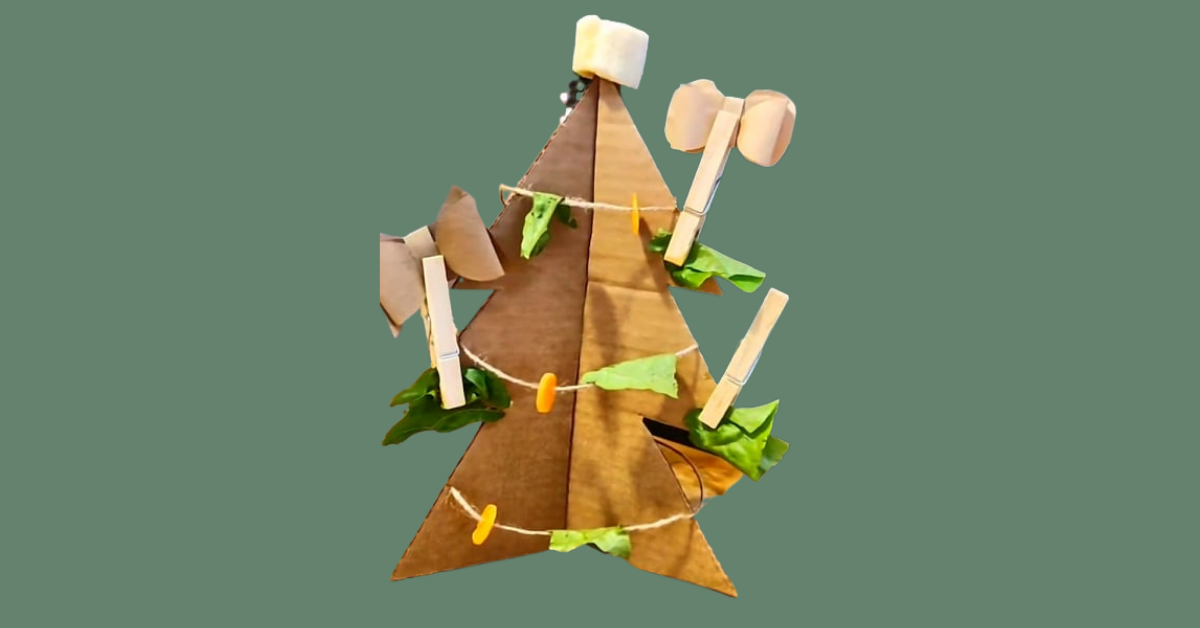
Natural decorations can make toys more enticing for your guinea pig. Think about attaching untreated wood shavings, dried herbs like chamomile or mint, or even small pieces of hay. These elements not only look good but also add interesting scents and textures.
Try tying bundles of hay with natural twine or gluing dried flowers with non-toxic adhesive. Just ensure everything is securely attached and free from pesticides or chemicals. Would your pet be more curious about a plain block or a toy that smells like fresh herbs?
Ensuring Toy Durability
Durability is key—guinea pigs love to chew, and toys can quickly fall apart. Sand all edges smooth to prevent splinters and make the toy comfortable to nibble. Use strong, pet-safe glue to hold pieces together firmly.
If you paint or stain the toy, apply several thin coats rather than one thick layer to avoid cracking. Check the toy regularly for wear and tear, and repair or replace it if pieces start to come loose. Your pet’s safety depends on a well-made, sturdy toy.
Maintaining And Cleaning Toys
Keeping your DIY wood guinea pig toys clean and well-maintained is key to ensuring your pet’s safety and enjoyment. Dirty or damaged toys can harbor bacteria or splinters that might harm your furry friend. Regular care not only extends the life of the toys but also keeps playtime fun and worry-free for both of you.
Regular Inspection
Check your wood toys often for cracks, sharp edges, or loose pieces. Your guinea pig’s chewing can wear down the wood quickly, so look closely for splinters or small broken bits. Spotting damage early helps you prevent injuries before they happen.
Ask yourself: does the toy still look sturdy enough for your pet’s active play? If you notice any weak spots, it’s time to either repair or retire the toy.
Safe Cleaning Methods
Use mild soap and warm water to clean the wood toys. Avoid harsh chemicals or strong detergents that can leave harmful residues. Simply scrub gently with a soft brush or cloth, then rinse thoroughly.
Dry the toys completely before giving them back to your guinea pig. Moisture can cause wood to rot or grow mold, which poses a serious health risk. Consider wiping toys down weekly to keep them fresh and safe.
Replacing Worn-out Toys
Even with the best care, wood toys won’t last forever. When toys become too chewed up, cracked, or splintered, it’s safer to replace them. Your guinea pig deserves toys that won’t break apart or cause injury.
Keep an eye on how your pet interacts with each toy. If you notice pieces falling off or the toy losing its shape, swap it out promptly. Think of it as an investment in your pet’s happiness and health.
Benefits Of Diy Guinea Pig Toys
DIY wood toys for guinea pigs offer many benefits that improve their life quality. These toys keep your pet happy and healthy. Making toys yourself also creates a special bond with your guinea pig. Simple wood pieces can turn into fun and safe playthings. Let’s explore why DIY toys are a great choice.
Enhancing Mental Stimulation
Guinea pigs need mental challenges to stay sharp. Wooden toys provide new textures and shapes to explore. They encourage problem-solving and curiosity. Mental stimulation reduces boredom and stress. Your pet stays active and engaged throughout the day.
Encouraging Physical Activity
Wood toys motivate guinea pigs to move and play. Chewing, climbing, and pushing toys keep them fit. Physical activity supports healthy muscles and joints. It also helps prevent obesity and related health problems. Active pets tend to live longer and feel better.
Cost-effectiveness And Customization
DIY wooden toys save money compared to store-bought ones. You can use safe scrap wood or recycled materials. Customize sizes and shapes to suit your guinea pig’s needs. Personal touches make toys more interesting and safe. It’s a budget-friendly way to offer endless fun.
Credit: guineapigsaustralia.com.au

Credit: www.youtube.com
Frequently Asked Questions
What Materials Are Safe For Diy Wood Guinea Pig Toys?
Use untreated, natural wood like pine, aspen, or willow. Avoid toxic woods and chemical treatments to ensure safety for your guinea pig.
How To Make Wood Toys Chew-proof For Guinea Pigs?
Choose hardwoods and secure parts tightly. Regularly inspect toys for damage and replace them if they become unsafe or splintered.
Can Diy Wood Toys Improve Guinea Pig’s Dental Health?
Yes, wooden toys help wear down guinea pigs’ continuously growing teeth. They promote healthy chewing habits and prevent dental issues.
How Often Should I Clean Diy Wood Guinea Pig Toys?
Clean wooden toys weekly with mild soap and water. Allow them to dry completely to prevent mold and bacteria growth.
Conclusion
Creating DIY wood toys for your guinea pig is fun and safe. These toys keep your pet happy and active every day. Use simple materials you can find at home. Always check the wood is untreated and pet-safe. Remember, homemade toys save money and give your pet comfort.
Try making different shapes to see what your guinea pig likes best. Enjoy the process and watch your pet play with joy. Small efforts bring big smiles to your furry friend. Keep crafting and caring for your guinea pig’s happiness.