Are you looking for fun and affordable ways to keep your furry friend entertained? Making DIY dog toys is a perfect way to do just that.
Not only can you save money, but you’ll also create personalized toys that suit your dog’s style and needs. Imagine the joy your dog will feel playing with something made just for them—and the satisfaction you’ll get from crafting it yourself.
Keep reading, and you’ll discover simple, safe, and creative ideas to make toys your dog will love. Let’s get started!
Benefits Of Homemade Dog Toys
Homemade dog toys offer many advantages for pet owners. They give a chance to create fun, safe playthings. Making toys at home helps save money and control what goes into them. These toys can match your dog’s size, chewing habits, and interests.
Cost Savings
DIY dog toys cost less than store-bought ones. Many toys can be made from items found at home. Old clothes, ropes, and plastic bottles turn into great toys. This reduces the need to buy expensive pet products. It also cuts down on waste and clutter.
Customization Options
Homemade toys can be tailored to suit each dog. Choose the right size and shape to avoid choking. Pick materials that match your dog’s chewing style. You can add scents or textures to keep your dog interested. This personal touch makes playtime more enjoyable.
Safer Materials
Using safe materials is easier with DIY dog toys. Avoid harmful chemicals found in some store toys. Control the quality by selecting non-toxic fabrics and parts. Check for small pieces that could break off and cause harm. Homemade toys offer peace of mind for pet safety.

Credit: www.marymarthamama.com
Materials You’ll Need
Gathering the right materials is key to creating safe and fun DIY dog toys. You want items that are durable, non-toxic, and easy to work with. Let’s look at what you can find around your home, what fabrics to choose, and the tools that will make crafting easier.
Common Household Items
Many everyday items can become exciting toys for your dog. Old t-shirts, socks, and towels are perfect for braided tug toys or chewables. Empty plastic bottles (without caps) can add a crunchy noise inside a fabric toy, but always supervise your dog with these.
Have you ever thought about using a tennis ball? Just make sure it’s not too small to avoid choking hazards. Even cardboard tubes from paper towels can become fun tunnels or chew targets.
Safe Fabrics And Textiles
Choosing the right fabric matters for your dog’s safety and comfort. Look for natural fibers like cotton or fleece—they’re soft and washable. Avoid materials that shed easily or contain harmful dyes.
Old jeans or canvas can work well for more durable toys. If your dog likes to chew, tougher fabrics will last longer and keep stuffing contained. Have you noticed how some fabrics hold up better during play? Picking wisely saves you time and money.
Tools And Accessories
Basic tools make the crafting process smoother and safer. Sharp scissors or fabric shears help you cut clean edges and avoid frays. A needle and strong thread are essential if you plan to sew parts together for added durability.
You might want to use a hot glue gun for quick fixes, but always let glue cool completely before giving the toy to your dog. Small accessories like buttons or beads should be avoided as they can be swallowed. Think about what tools you already have that can simplify your DIY project.
Simple Toy Ideas
Making dog toys at home can be fun and easy. Simple toys keep your dog busy and happy. Using household items saves money and waste. These ideas use things you already have around the house. They are safe and enjoyable for your pet.
Tug Ropes From Old T-shirts
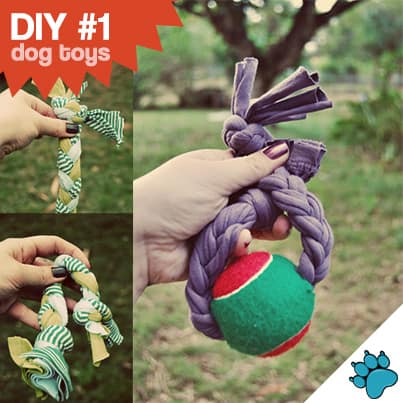
Cut old t-shirts into strips. Braid three strips tightly. Knot both ends to hold the braid. Tug ropes are great for playing and chewing. They are soft but strong enough for pulling. Wash them often to keep fresh.
Sock And Ball Toys
Take a clean sock and a small ball. Place the ball inside the sock’s toe. Tie a knot to close the sock around the ball. This makes a fun throw-and-fetch toy. The sock’s soft fabric protects your dog’s teeth. Replace the sock if it wears out.
Tennis Ball Treat Puzzle
Cut a small hole in a tennis ball. The hole should fit treats inside. Fill the ball with your dog’s favorite snacks. Let your dog roll and chew the ball. Treats fall out slowly, making your dog work. This toy challenges your dog’s mind and keeps it busy.
Creative Diy Projects
Creating DIY dog toys can be a fun and rewarding way to keep your furry friend entertained. These creative projects don’t require fancy tools or expensive materials. Instead, they use simple household items that you can easily find, making them perfect for a quick weekend craft.
Making toys yourself also lets you customize them to suit your dog’s size, chewing habits, and play style. Have you ever noticed how some toys just don’t hold up to your dog’s enthusiasm? Building your own lets you control durability and safety.
No-sew Fleece Tug Toy
This no-sew fleece tug toy is a favorite among dog owners who want a quick, safe toy. Grab a few strips of fleece fabric—old t-shirts or fleece blankets work well. Cut them into long strips, then braid them tightly, securing the ends by knotting.
The softness of fleece makes it gentle on your dog’s teeth but tough enough for tugging. You can even add a knot in the middle for extra grip points. How often do you find a toy that’s both easy to make and easy to clean? This one fits the bill perfectly.
Braided Fabric Chew Toy
Use old fabric scraps or worn-out clothes to create a braided chew toy. Cut three or more strips of fabric about 1.5 inches wide. Tie a knot at one end and braid them tightly, finishing with another knot at the other end.
This toy is excellent for dogs who love to chew but need something soft to protect their gums. Plus, it’s machine washable, so you can keep it fresh for your dog’s next playtime. Have you tried recycling old clothes into toys before? It’s a great way to reduce waste and keep your dog happy.
Interactive Treat Dispenser
Turn an empty plastic bottle into an interactive treat dispenser. Remove the cap and label, then cut small holes around the bottle just big enough for treats to fall out. Fill the bottle with your dog’s favorite small treats or kibble.
As your dog rolls or nudges the bottle, treats will slowly drop out, keeping them engaged and mentally stimulated. Remember to supervise play to avoid any choking hazards. What other household items could you repurpose to challenge your dog’s mind while rewarding them?
Safety Tips For Diy Toys
Making DIY dog toys can be fun and rewarding. Safety is the top priority when creating toys for your pet. Unsafe toys can harm your dog or cause choking hazards. Follow these tips to keep your dog safe and happy with homemade toys.
Choosing Non-toxic Materials
Pick materials that are safe for dogs to chew and bite. Avoid anything with harmful chemicals or dyes. Natural fabrics like cotton or fleece work well. Use food-safe glue or thread to hold parts together. Check labels to ensure materials are pet-friendly. This keeps your dog safe from poison or allergies.
Avoiding Small Parts
Small pieces can break off and cause choking. Do not use buttons, beads, or loose decorations. Make sure all parts are securely attached. Larger pieces reduce the risk of swallowing. Test toys by pulling gently to see if parts come loose. Safety means fewer trips to the vet.
Regular Inspection And Maintenance
Check toys often for wear and tear. Look for holes, loose threads, or broken pieces. Remove or repair damaged toys right away. Clean toys regularly to prevent germs and bacteria. Keeping toys in good shape helps them last longer. It also protects your dog’s health every day.
Credit: pethero.co.za
Encouraging Play And Training
Encouraging your dog to play with DIY toys isn’t just about fun—it’s a powerful way to boost training and strengthen your bond. Play stimulates your dog’s mind and body, making learning feel like a game rather than a chore. With the right approach, your homemade toys can become tools that promote good behavior and keep your pup engaged.
Introducing New Toys
When you bring a new DIY toy into your dog’s world, introduce it gradually. Let your dog sniff and explore the toy without pressure. Watch their reaction closely—are they curious or hesitant? If they seem unsure, try engaging with the toy yourself to spark their interest.
You can also reward your dog with treats or praise when they show interest in the new toy. This positive association helps your dog connect the toy with something enjoyable. Have you noticed how your dog’s excitement grows when you make playtime special?
Using Toys For Training
DIY toys can be excellent training aids. Use them as rewards during obedience sessions to keep your dog motivated. For example, a tug toy can encourage your dog to come back to you, or a treat-dispensing toy can hold their attention during sit-and-stay exercises.
Try mixing play and commands—ask your dog to perform a trick before giving access to the toy. This approach turns learning into a fun challenge and makes your training sessions more dynamic. What training goals could you achieve if your dog loved every practice session?
Rotating Toys To Maintain Interest
Dogs, like people, can get bored with the same toys. Rotating your DIY toys every few days keeps playtime fresh and exciting. Store some toys out of sight and swap them regularly to make each toy feel new again.
Keeping a rotation also helps you spot which toys your dog prefers and which ones lose their appeal. This insight lets you focus on toys that truly engage your pup. Have you tried rotating toys and noticed a boost in your dog’s enthusiasm?
Troubleshooting Common Issues
Common problems with DIY dog toys include loose parts or weak materials. Checking each toy for safety before giving it to your dog helps avoid accidents. Simple fixes like tightening knots or using stronger fabric improve toy durability.
Making DIY dog toys is a fun and rewarding experience, but sometimes things don’t go as planned. You might encounter some common issues that can be a bit frustrating. Don’t worry—most of them have simple solutions that can keep your furry friend entertained and safe.Toys Getting Destroyed Quickly
It’s common for homemade dog toys to not last as long as you’d like. Use durable materials like heavy-duty fabrics or rubber to extend their life. Double-stitching seams or adding extra layers can also make a big difference. If your dog is an aggressive chewer, opt for thicker, more resilient materials. Consider avoiding small parts that can be easily torn off. Have you tried testing the toy’s durability yourself before handing it over?Dog Losing Interest
Dogs can be just like kids—sometimes they get bored with their toys. Rotate toys every few days to keep things fresh and exciting. You can also add a new element like a treat pocket or a squeaker to reignite their interest. Try engaging with your dog using the toy. A little playtime with you might be all it takes to make an old toy seem new again. What creative twist can you add to make the toy more appealing?Handling Allergies And Sensitivities
Not all materials are suitable for every dog. If your dog shows signs of allergies or sensitivities, carefully choose hypoallergenic or natural materials. Avoid using scented or dyed fabrics unless you’re sure they’re safe. Use simple cotton or hemp for a more natural option. Always keep an eye on your dog for any signs of discomfort. Have you considered consulting your vet for material recommendations? By addressing these common issues, your DIY dog toys can provide hours of fun and enrichment. Remember, the key is to adapt and experiment. Your dog will appreciate the effort and creativity you put into their playtime!
Credit: smart.dhgate.com
Frequently Asked Questions
What Materials Are Safe For Diy Dog Toys?
Use non-toxic, durable materials like cotton, fleece, and rubber. Avoid small parts that can be swallowed. Always choose pet-safe fabrics and avoid toxic glues or dyes to ensure your dog’s safety during playtime.
How Can I Make A Diy Dog Toy Last Longer?
Choose sturdy materials like thick fabric or rope. Reinforce seams with strong stitching. Regularly inspect the toy for damage and repair or replace it promptly to keep your dog safe and entertained.
Which Diy Dog Toys Are Best For Aggressive Chewers?
Opt for toys made from tough materials like braided fleece or knotted rope. Avoid soft or easily torn fabrics. Consider adding layers or double stitching to increase durability for strong chewers.
Can Homemade Dog Toys Improve My Pet’s Mental Stimulation?
Yes, DIY toys like puzzle feeders and treat dispensers engage your dog’s mind. They encourage problem-solving and reduce boredom, promoting better behavior and mental health.
Conclusion
Making DIY dog toys is fun and saves money. You can use old clothes, socks, or ropes. These toys keep your dog happy and active. Always check toys for safety and replace them when worn out. Crafting toys at home shows your love and care.
Start with simple ideas and try new ones often. Your dog will enjoy these unique, homemade toys. Keep playtime creative and safe every day.