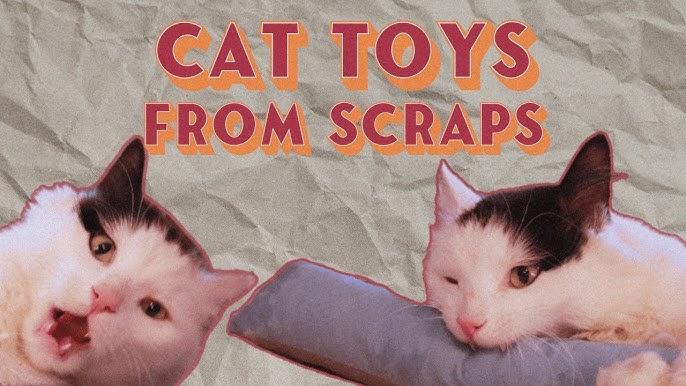
Are you looking for fun and easy ways to keep your cat entertained without spending a fortune? Making your own cat toys is a great way to do just that.
Not only can you customize toys to fit your cat’s personality, but you also get the satisfaction of creating something special with your own hands. Plus, DIY toys can be safer and more durable than store-bought ones. You’ll discover simple steps and creative ideas that anyone can follow.
Ready to turn ordinary household items into exciting playthings for your furry friend? Let’s get started!
Benefits Of Diy Cat Toys
Making your own cat toys offers many benefits beyond fun. These toys can save money and fit your cat’s unique style. Crafting toys also creates special moments between you and your pet. Simple tools and materials turn into delightful playthings.
Cost Savings
Buying cat toys can add up quickly. DIY toys often use items found at home, like paper, string, or fabric scraps. This reduces the need to buy expensive toys. You control how much to spend. Saving money lets you make more toys without worry.
Customization Options
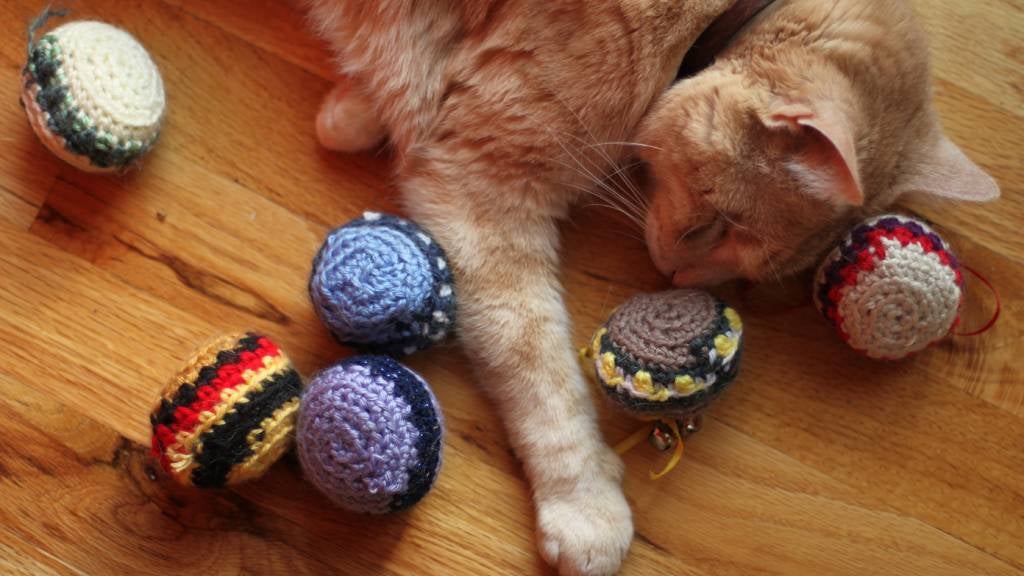
Every cat likes different toys. Some prefer chasing, others like batting or pouncing. Making your own toys means you can tailor them to your cat’s play style. Choose colors, shapes, and sizes that your cat enjoys. Change materials to find what feels best. Custom toys keep your cat interested longer.
Bonding With Your Cat
Creating toys together builds a stronger bond. Your cat sees you as a source of fun and care. Playtime with homemade toys encourages interaction. It helps your cat stay active and happy. Crafting also gives you joy, knowing you made something special for your furry friend.
Credit: www.spcapetinsurance.co.nz
Materials You’ll Need
Gathering the right materials is the first step to creating fun and safe DIY cat toys. You want items that are not only engaging for your feline friend but also safe and easy to work with. Let’s break down the essentials you’ll need to get started.
Common Household Items
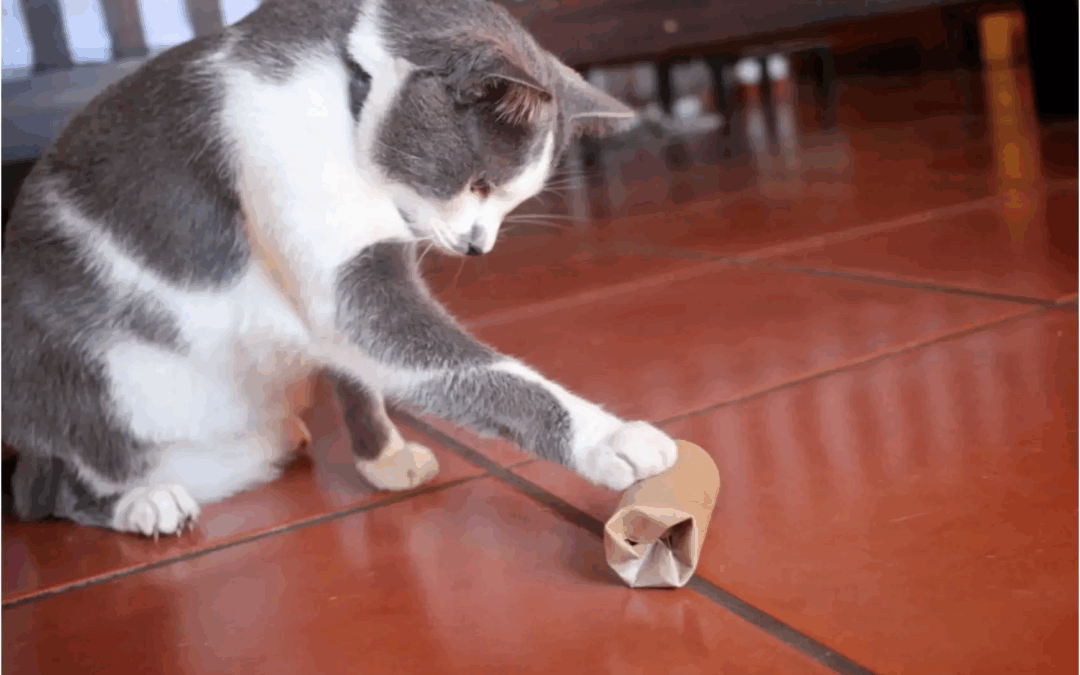
Look around your home for things that can easily become a cat toy. Old socks, cardboard boxes, and bottle caps often make great bases for toys. I once turned a simple paper towel roll into a favorite plaything for my cat—it’s amazing how ordinary items can spark joy.
Other useful items include:
- Feathers from old craft projects
- Scraps of fabric or yarn
- Plastic rings from milk jug caps
Using household items saves money and reduces waste, but always check that nothing is sharp or toxic before giving it to your cat.
Safe Craft Supplies
Choosing the right craft supplies ensures your cat’s health and safety. Opt for non-toxic glue, natural fibers like cotton or wool, and avoid anything with small parts that could be swallowed. I learned this the hard way when a glittery toy caused a choking scare—stick to simple, safe materials instead.
- Non-toxic glue sticks or fabric glue
- Cotton yarn or wool
- Natural feathers (clean and untreated)
- Felt sheets or soft fabric scraps
Think about what your cat likes—does your cat prefer soft toys or something to chase and bat? Matching materials to their play style makes your effort worthwhile.
Tools For Assembly
Having the right tools on hand makes crafting easier and safer. Scissors with rounded tips are a must to avoid accidents. I always keep a small pair dedicated to pet projects to avoid cross-contamination with food prep tools.
Other helpful tools include:
- Needle and thread for sewing fabric toys
- Hot glue gun (use with caution and keep out of reach)
- Measuring tape or ruler for precision
Do you have all these tools ready? Preparing your workspace and tools beforehand will make the creative process smooth and enjoyable.
Simple Diy Cat Toys
Creating simple DIY cat toys can be a fun and rewarding way to keep your feline friend entertained without spending much money. These easy-to-make toys use common household items and tap into your cat’s natural instincts to hunt, pounce, and play. You’ll be surprised how a few basic materials can turn into hours of fun for your cat.
Sock And Feather Wand
Grab an old sock and a few feathers or fabric scraps to make a wand toy that your cat will chase eagerly. Simply tie the feathers to one end of the sock using a string or rubber band. Wave the wand in front of your cat to mimic the movement of a bird or small prey.
This toy encourages your cat to jump and swipe, which is great for exercise. Have you noticed how cats love toys that move unpredictably? The sock and feather wand is perfect for that.
Cardboard Box Playhouse
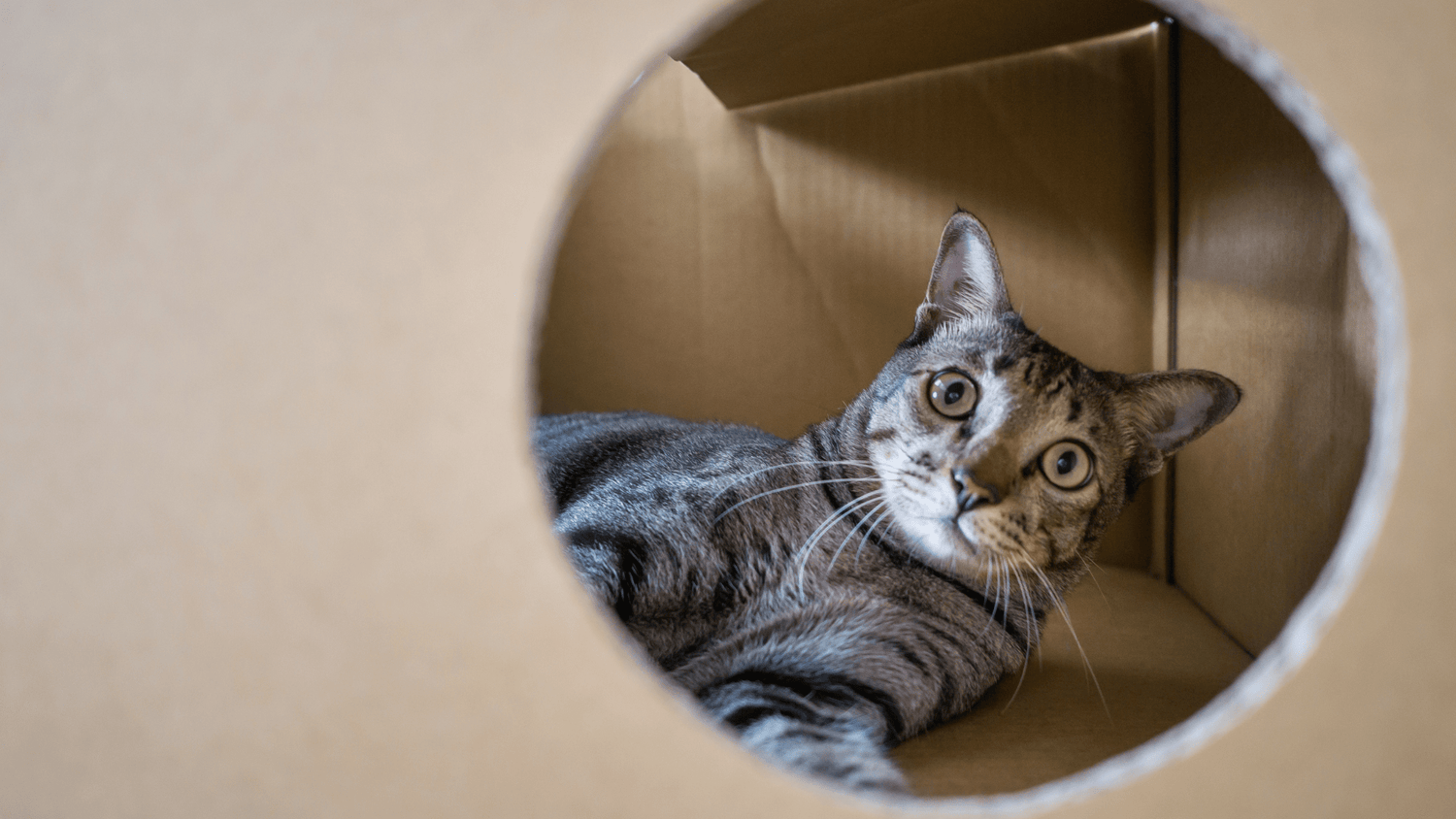
Never underestimate the power of a simple cardboard box. Cut some windows or doorways in the box to create a cozy playhouse or hideout for your cat. You can stack multiple boxes to build a mini castle or maze.
Cats love exploring confined spaces, and boxes provide a perfect combination of privacy and fun. Does your cat have a favorite box already? Try upgrading it with a few creative cuts and watch the excitement grow.
Paper Ball Chase
Take a sheet of plain paper and crumple it into a small ball. Toss it across the room and watch your cat pounce and chase it. Paper balls are lightweight and noisy, which makes them irresistible to many cats.
You can make several paper balls and keep them in a basket for quick play sessions. Have you tried this simple toy yet? It’s amazing how such a basic item can trigger your cat’s hunting instincts.
Interactive Toys For Cats
Interactive toys keep your cat mentally sharp and physically active. They encourage curiosity and problem-solving, which can reduce boredom and destructive behavior. Creating these toys at home is simple and rewarding—you can customize them to your cat’s preferences and watch their excitement grow.
Treat Puzzle Box
A treat puzzle box challenges your cat to work for their snacks, turning feeding time into playtime. Use a small cardboard box and cut several holes just big enough for your cat’s paw. Place treats inside and let your cat figure out how to fish them out.
You can add layers by stacking boxes or placing obstacles inside. This keeps your cat engaged for longer periods. Ever noticed how your cat’s eyes light up when they solve a puzzle? That’s the kind of stimulation they thrive on.
Laser Pointer Alternatives
Laser pointers are a classic toy but can be frustrating for cats when they never “catch” the light. Try using a flashlight with a small colored sticker or a reflective keychain to create moving light spots. These alternatives give a similar chase without the dead-end frustration.
Another idea is using a small mirror to reflect natural sunlight or lamp light across the floor. This unpredictable movement excites your cat and encourages exercise. How do you keep your cat entertained when the laser just isn’t enough?
String And Bell Toys
Simple string toys can become interactive fun when combined with bells or feathers. Tie a small bell to a piece of string and drag it along the floor to mimic prey movements. Your cat will enjoy stalking and pouncing on the sound and motion.
Use different string lengths and textures to see what excites your cat most. Make sure to supervise playtime to prevent swallowing. Have you noticed which sounds or textures your cat responds to best?
Eco-friendly Toy Ideas
Eco-friendly cat toys offer fun while caring for the planet. These toys use simple, natural materials that are safe and easy to find. They help reduce waste and keep your cat happy with new textures and shapes to explore. Creating toys from everyday items saves money and cuts down on plastic use. Here are some great ideas to make your own green cat toys at home.
Recycled Paper Toys
Old newspapers and scrap paper make fun, lightweight toys. Crumple paper into balls or fold into small shapes. Cats love to bat and chase these easy toys. You can also twist paper strips into ropes for tugging. Avoid glossy or colored inks to keep toys safe. Recycled paper toys break down quickly and are easy to replace.
Natural Fiber Options
Natural fibers like jute, hemp, or cotton create durable toys. Braid or knot these fibers into balls or strings. They feel good on your cat’s paws and teeth. Natural fibers also avoid chemicals found in synthetic materials. Add a small bell or catnip inside for extra fun. These toys last longer and stay safe for your cat.
Upcycled Fabric Scraps
Use old clothes or fabric scraps to make soft toys. Cut pieces into shapes like mice or feathers. Sew or tie the edges securely to hold stuffing inside. Use cotton or wool fabric for breathability and softness. Stuff toys with leftover fabric bits or dried catnip. Upcycled fabric toys reduce textile waste and bring cozy playtime.
Safety Tips For Diy Cat Toys
Choose soft, non-toxic materials to keep cats safe while playing. Avoid small parts that can be swallowed or cause choking. Always check toys for damage before giving them to your pet.
Creating DIY cat toys is both fun and rewarding. But safety should always come first. Ensuring your cat’s toys are safe prevents injury or health issues. Follow these key safety tips to keep your feline friend happy and healthy.Avoid Toxic Materials
Choose materials that are safe for cats. Avoid using plastics with harmful chemicals. Stick to natural fabrics like cotton or wool. Verify that paints and glues are non-toxic. Cats often chew and lick their toys. So, avoiding toxic materials is crucial for their health.Check For Small Parts
Small parts can be a choking hazard for cats. Inspect the toys to ensure there are no loose pieces. Avoid using beads, buttons, or small decorations. These can easily detach and cause harm. Ensure all parts of the toy are securely attached.Supervise Playtime
Always supervise your cat during playtime. This allows you to intervene if a toy becomes dangerous. Observe how your cat interacts with the toy. Remove any toys that show signs of wear or damage. Regular supervision keeps playtime fun and safe.Encouraging Play And Activity
Keeping your cat active and engaged is key to their happiness and health. Encouraging play and activity doesn’t just prevent boredom; it strengthens your bond with your furry friend. Let’s look at simple ways you can make playtime exciting and consistent.
Rotating Toys Regularly
Cats can get bored with the same toys after a while. Rotating their toys every few days keeps things fresh and interesting. Try keeping a stash of DIY toys hidden and swap them out regularly to spark your cat’s curiosity.
For example, if your cat loves feather wands, switch to a crinkly ball or a homemade paper mouse after a week. This variety challenges their senses and encourages more active play. Have you noticed how your cat suddenly perks up when a “new” toy appears?
Creating A Play Schedule
Cats thrive on routine. Setting specific playtimes helps them expect and look forward to activity. Aim for short sessions, two or three times a day, to keep energy levels balanced without overwhelming your cat.
Use these sessions to try different DIY toys or games. You might find your cat loves chasing a string in the morning but prefers batting a pom-pom ball in the evening. What times of day does your cat seem most playful?
Involving Family Members
Play isn’t just for you and your cat—it can be a fun family event. Involving kids or partners in playtime spreads the joy and gives your cat more social interaction. Plus, it teaches everyone how to engage safely and lovingly.
Assign roles like toy maker, teaser, or fetch retriever to different family members. This teamwork makes playtime more dynamic and helps your cat feel surrounded by love. Who in your home gets the biggest purrs during play?
Credit: fremontvets.com
Credit: thekindpet.com
Frequently Asked Questions
What Materials Are Best For Diy Cat Toys?
Safe, non-toxic materials like felt, yarn, and cardboard work best. Avoid small parts that cats can swallow. Use household items like paper rolls or fabric scraps to keep costs low.
How Can I Make A Simple Cat Toy At Home?
Tie a feather or string to a stick for an instant teaser toy. You can also stuff a sock with catnip or crumpled paper for a soft, interactive toy.
Are Homemade Cat Toys Safe For My Pet?
Yes, if you use pet-safe, non-toxic materials and avoid small, loose parts. Always supervise playtime to prevent choking hazards and discard damaged toys promptly.
How Do Diy Cat Toys Benefit My Cat?
DIY toys stimulate your cat’s mind and body, reducing boredom. They encourage exercise and can strengthen your bond through interactive play.
Conclusion
Making DIY cat toys is fun and saves money. You can use simple materials found at home. Cats love toys that move or make noise. Creating toys also strengthens your bond with your pet. Keep safety in mind when choosing materials.
Try different ideas to see what your cat enjoys. Homemade toys can keep your cat active and happy. Start today and enjoy playtime with your furry friend.