Are you looking for fun and simple ways to keep your chickens happy and entertained? Making DIY chicken toys is easier than you think, and your feathered friends will love the new playthings you create.
Not only do these toys boost your chickens’ mood, but they also help reduce stress and boredom, leading to healthier, more active birds. In this guide, you’ll discover easy, affordable ideas to make toys from things you already have at home.
Ready to see your chickens cluck with joy? Let’s get started!

Credit: www.bakerross.co.uk
Benefits Of Chicken Toys
Chicken toys offer many benefits for backyard flocks. They keep chickens busy and happy. Toys help create a lively environment that supports chicken health. Providing toys can improve chicken behavior and overall well-being.
Boosting Chicken Activity
Toys encourage chickens to move more. Active chickens stay healthier and stronger. Movement helps digestion and reduces fat buildup. Toys like hanging treats or pecking balls invite chickens to explore and play.
Reducing Stress And Boredom
Chickens can get bored in small spaces. Boredom leads to bad habits like feather pecking. Toys distract chickens and keep them entertained. Stress levels drop when chickens have something fun to do.
Encouraging Natural Behaviors
Chicken toys promote natural instincts like foraging and scratching. These behaviors are important for mental health. Toys mimic the challenges chickens face in the wild. They help chickens stay curious and engaged.

Credit: grubblyfarms.com
Materials You’ll Need
Gathering the right materials is the first step to creating fun and safe DIY chicken toys. Picking items that are both engaging and non-toxic ensures your chickens stay entertained without any health risks. You might be surprised at how many useful things you already have around the house.
Common Household Items
Look around your home for simple materials that can be repurposed into chicken toys. Old wooden spoons, empty cardboard tubes, and clean plastic containers are great starting points. Even scraps of fabric or yarn can add texture and interest for your chickens to peck at and explore.
Have you ever noticed how chickens love pecking at crumpled paper or small shiny objects? Using items like bottle caps or keys (make sure they’re clean and safe) can keep them busy. Just avoid anything sharp or easily breakable to protect your flock.
Safe Materials For Chickens
Safety is key when choosing materials for chicken toys. Avoid anything treated with chemicals, toxic paints, or sharp edges. Natural wood, untreated cotton rope, and untreated pine cones are excellent choices that won’t harm your birds.
Try to steer clear of plastics that can splinter or metals that might rust. Remember, your chickens will be pecking and scratching at these toys, so durability combined with safety is essential. Have you thought about how some plants or herbs could even double as natural enrichment?
Where To Source Supplies
If you don’t have enough materials at home, local thrift stores and craft shops are treasure troves. You can find inexpensive wooden blocks, fabric scraps, and natural rope there. Garden centers also often carry untreated wood stakes or pine cones perfect for chicken toys.
Online marketplaces offer a wide range of safe, natural materials too, often with customer reviews to help you choose wisely. Consider asking fellow chicken keepers or local farming groups where they find their supplies—you might discover new sources you hadn’t thought of.
Simple Toy Ideas
Simple toy ideas can keep chickens active and happy. These toys stimulate their natural curiosity. They help reduce boredom and bad behaviors. Making toys at home saves money. Most materials are easy to find and safe for chickens.
Diy Foraging Toys
Foraging toys encourage chickens to search for treats. Use a shallow box or tray. Fill it with straw, leaves, or paper shreds. Hide small treats like mealworms or corn inside. Chickens will scratch and peck to find food. This keeps their minds busy and bodies moving.
Interactive Hanging Toys
Hang toys at chicken eye level to catch their interest. Use natural materials like rope or wood. Tie small bells, pinecones, or wooden beads. Chickens love to peck and pull these items. This type of toy promotes physical activity and mental play.
Repurposed Bottle Feeders
Old plastic bottles can become fun feeders. Cut holes on the sides for treats to fall out. Fill the bottle with seeds or small snacks. Hang it in the coop or run. Chickens peck at the holes to get the food. This creates a fun challenge and reduces food waste.
Step-by-step Toy Making
Making toys for your chickens is a fun way to keep them active and happy. You don’t need fancy tools or materials—just a little creativity and some everyday items. Let’s look at simple projects that you can build quickly and watch your chickens enjoy.
Crafting A Treat Dispenser
A treat dispenser is a great way to engage your chickens’ natural foraging instincts. Start with a clean plastic bottle or container with holes big enough for treats to fall out slowly.
- Fill it with small treats like sunflower seeds or corn kernels.
- Hang it from the coop ceiling or a sturdy branch using string or wire.
- Make sure it swings slightly when pecked, releasing treats gradually.
I once used an old detergent bottle, and my hens quickly learned to peck it just right. They stayed entertained for hours, and I noticed they were less bored and more active.
Building A Swing For Chickens
Chickens love a good perch, so why not build a simple swing? Use a strong wooden dowel or branch as the seat and sturdy ropes or chains for hanging.
- Secure the ropes evenly on both ends of the dowel.
- Hang the swing where the chickens can easily jump on and off.
- Check that it’s stable but allows gentle movement.
Watching your chickens balance and hop onto the swing can be surprisingly entertaining. Plus, it encourages exercise and balance skills.
Creating A Pecking Ball
A pecking ball keeps chickens busy and mentally stimulated. Start with a durable plastic ball or a large rubber ball that can be filled with treats or feed.
- Cut small holes just big enough for treats to fall out when pecked.
- Fill the ball with favorite snacks and close it securely.
- Place it in the coop or run where the chickens can reach it.
My chickens quickly learned that pecking the ball meant tasty rewards. This toy reduces aggressive pecking among flock mates by keeping them busy.
Safety Tips For Chicken Toys
Choose safe, non-toxic materials to protect chickens from harm. Avoid small parts that can cause choking or injury. Regularly check toys for wear and clean them to keep chickens healthy and happy.
Creating DIY chicken toys can be a fun and rewarding project. However, ensuring the safety of your feathered friends is crucial. Let’s dive into some essential safety tips to keep your chickens entertained without compromising their well-being.Avoiding Toxic Materials
When selecting materials for your chicken toys, avoid anything that could be harmful if ingested. Stick to natural, untreated wood or safe plastics. Avoid paints or glues unless they are labeled non-toxic. If you use ropes or fabrics, make sure they are dye-free and chemical-free. Chickens love to peck and nibble, so keeping their toys free from toxic substances is vital. Think about what you use and how it might affect your chickens’ health.Ensuring Durable Construction
Chickens can be surprisingly vigorous with their toys. Ensure your DIY creations are sturdy and well-built. Secure all pieces tightly to prevent them from breaking apart. Check for sharp edges or small parts that could become detached and pose a choking hazard. Regularly inspect the toys for wear and tear. Would your toy withstand a chicken’s curiosity?Regular Cleaning And Maintenance
Just like any other pet accessory, chicken toys need regular cleaning. Use warm water and mild soap to wash toys weekly. This helps in preventing the build-up of harmful bacteria. Dry the toys thoroughly before returning them to the coop. Regular maintenance not only extends the life of the toys but also ensures a healthy play environment for your chickens. How often do you clean your chickens’ toys?
Credit: grubblyfarms.com
Cost-effective Tips
Keeping your chickens entertained doesn’t have to drain your wallet. Smart choices in materials and designs can save you money while still providing fun and engaging toys for your feathered friends. Let’s look at some practical ways to keep costs low without sacrificing quality.
Using Recycled Items
Look around your home for items that can get a second life as chicken toys. Old kitchen utensils, cardboard tubes, and scrap wood can all be transformed into fun pecking and scratching toys. I once turned an empty cereal box into a foraging toy by stuffing it with treats—my chickens loved it, and it cost me nothing.
Recycling not only saves money but also reduces waste. Think about what you throw away each week that could be repurposed. Could that broken basket become a hanging treat dispenser?
Buying Supplies In Bulk
Buying materials like rope, wood pieces, or beads in larger quantities often cuts the price per item significantly. If you plan to make multiple toys, this approach can be a real money-saver. I stocked up on sisal rope from a local craft store’s bulk section and ended up making half a dozen toys for the price of one bought separately.
Consider teaming up with other chicken keepers to buy supplies together. Pooling orders can unlock wholesale prices and reduce shipping costs. Have you checked if your local hardware store offers discounts for bulk purchases?
Multi-purpose Toy Designs
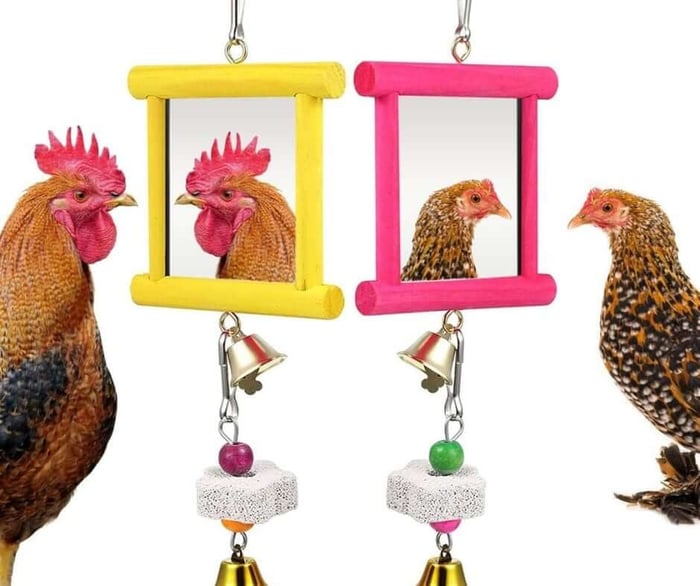
Design toys that serve more than one function to get the most value. For example, a hanging toy that dispenses treats can also act as a pecking target and a source of mental stimulation. I built a simple wooden frame that holds both a mirror and a bell—my chickens stay curious and entertained for hours.
Ask yourself what your chickens enjoy most and combine those elements into one toy. Can a scratching board double as a nesting material dispenser? Multi-use toys reduce the number you need to make or buy, saving both time and money.
Encouraging Chicken Play
Encouraging chicken play keeps your flock active and happy. Toys help reduce boredom and stress in chickens. Play also improves their physical health and mental sharpness. Creating an inviting play area makes chickens more curious and engaged. Understanding how to introduce toys and keep them interesting is key.
Introducing Toys Gradually
Start with one or two simple toys. Let chickens explore at their own pace. Avoid overwhelming them with too many new items. Place toys where chickens usually roam. Watch how they react and adjust accordingly. Patience helps chickens accept new playthings.
Observing Chicken Preferences
Notice which toys attract the most attention. Some chickens like pecking, others prefer chasing. Track favorite colors, shapes, or textures. Use this info to create or choose better toys. Different chickens may enjoy different play styles. Tailor toys to fit their unique likes.
Rotating Toys For Variety
Change toys regularly to keep interest high. Store unused toys and swap them every few days. Rotating prevents boredom and encourages exploration. Introduce new challenges like hanging or moving toys. Variety keeps chickens curious and eager to play.
Frequently Asked Questions
What Materials Are Best For Diy Chicken Toys?
Use safe, non-toxic materials like untreated wood, natural fibers, and metal. Avoid plastics or harmful chemicals. These materials ensure durability and safety for chickens while encouraging natural pecking and playing behaviors.
How Do Diy Chicken Toys Benefit My Flock?
DIY toys reduce boredom and stress in chickens. They promote physical activity and mental stimulation. Engaged chickens are healthier, less aggressive, and more productive, improving overall flock welfare.
Can I Use Household Items For Making Chicken Toys?
Yes, common household items like pine cones, cardboard tubes, and old CDs work well. Ensure items are clean, safe, and free from sharp edges. Repurposing items is eco-friendly and cost-effective for chicken enrichment.
How Often Should I Change Or Clean Chicken Toys?
Clean toys weekly to prevent bacteria and mites. Replace worn or damaged toys monthly to maintain safety and interest. Regular maintenance keeps toys effective and hygienic for your chickens.
Conclusion
Making DIY chicken toys is simple and fun. You can use safe, everyday materials. These toys help keep your chickens active and happy. They also reduce boredom and stress for your birds. Try different designs to find what your chickens like best.
Small efforts bring big smiles to your flock. Enjoy creating and watching your chickens play!