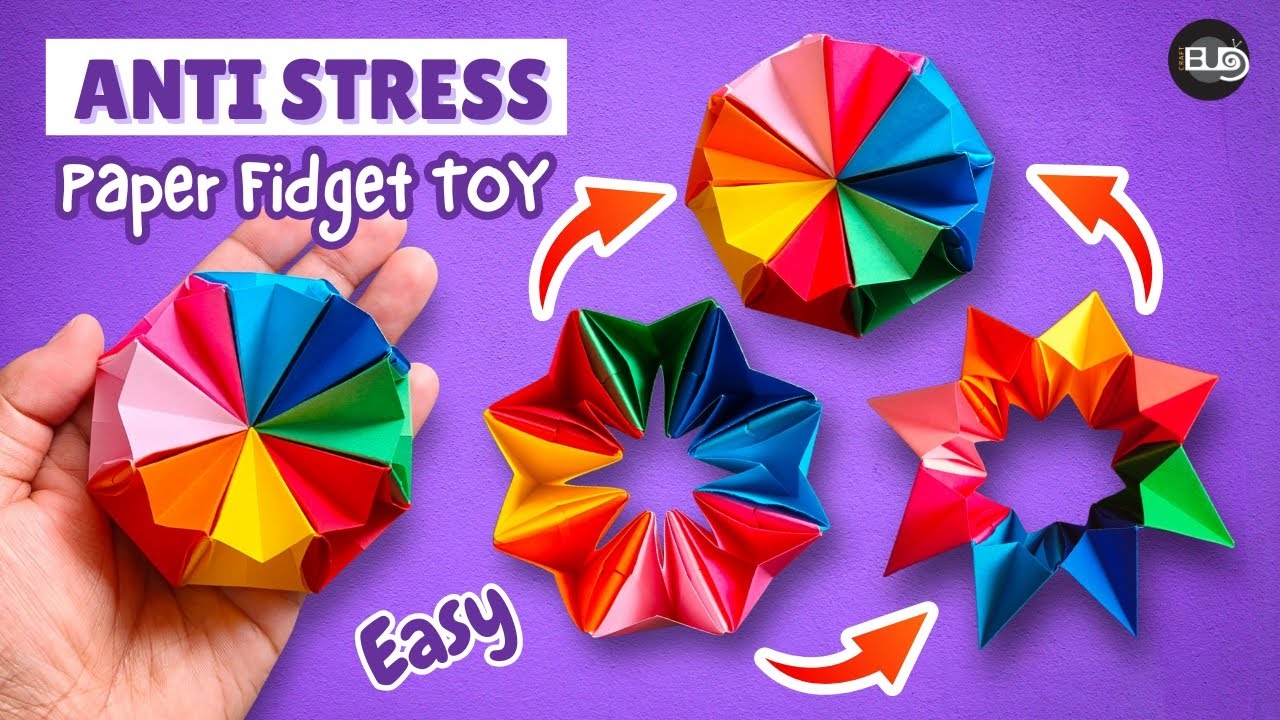
Are you looking for a fun and simple way to keep your hands busy and your mind focused? Making DIY fidget toys is easier than you think, and you don’t need any special skills or expensive materials.
In this guide, you’ll discover quick and creative ideas that you can try right now. Whether you want to reduce stress, improve concentration, or just have a cool gadget to fiddle with, these easy DIY fidget toys are perfect for you.
Keep reading to unlock simple steps that anyone can follow—and enjoy the satisfying feeling of making something with your own hands!
Materials Needed
Gathering the right materials is the first step to making DIY fidget toys easy. Most items you need are simple and easy to find. You can use things from around your home or buy affordable craft supplies. These materials help you create fun, tactile toys that keep your hands busy.
Common Household Items
Many DIY fidget toys use everyday items. These are usually safe and easy to handle. Here are some common household items you might need:
- Rubber bands
- Paper clips
- Plastic straws
- Old socks or fabric scraps
- Buttons
- Plastic bottle caps
- Empty toilet paper rolls
- Beads or small pebbles
These items create textures and shapes that are satisfying to touch and manipulate. Using household items saves money and time.
Affordable Craft Supplies
Craft supplies add color and variety to your fidget toys. You can find these at local stores or online. They are usually low cost and easy to use. Here are some useful craft supplies for making fidget toys:
- Foam sheets or craft foam
- Pipe cleaners
- Elastic cords
- Glue sticks or hot glue
- Velcro strips
- Pom-poms
- Googly eyes
- Small containers or jars
Craft supplies help customize your toys. They make your creations colorful and fun to play with.
Simple Fidget Spinner
A simple fidget spinner is a perfect DIY project for anyone looking to create a fun and functional toy with minimal materials. It’s compact, easy to make, and can help improve focus and reduce stress. Plus, building one yourself lets you understand how it works and tailor it to your liking.
Step-by-step Assembly
Start by gathering your materials: three identical ball bearings, a strong adhesive like super glue, and a sturdy base such as a plastic or wooden disc. The ball bearings are the core of the spinner, providing the smooth spinning action you want.
- Place one bearing in the center of your base; this will be the main spinner mechanism.
- Attach the other two bearings evenly spaced around the central bearing to create balance.
- Use the adhesive carefully to secure each bearing, ensuring they don’t move but allowing the center one to spin freely.
- Let the glue dry completely before testing the spin.
Have you noticed how a well-balanced spinner feels smoother? Getting the spacing right is key to that satisfying spin.
Customization Tips
Once your basic spinner is assembled, you can make it uniquely yours. Painting the base with bright colors or adding stickers can give it personality and make it stand out.
- Try using different materials for the base, like acrylic or lightweight metal, to change the weight and spin time.
- Add small rubber grips on the edges for better handling during use.
- Experiment with the number and placement of bearings to find what feels best in your hand.
What color or design would make your spinner something you want to carry everywhere? Your choices here can turn a simple toy into a personal statement.
Stress Ball Alternatives
Stress balls are a popular tool to relieve tension, but making your own alternatives at home can be just as satisfying and effective. These DIY fidget toys allow you to customize the texture and firmness to suit your needs, making stress relief a hands-on and personal experience. Have you ever thought about what simple materials around your house could turn into a calming, squeezable toy?
Using Balloons And Flour
Grab a balloon and fill it with flour to create a soft, moldable stress ball. The flour gives the balloon a smooth, dough-like feel that responds well to squeezing. You can adjust the amount of flour for a firmer or softer ball, making it perfect for your grip strength.
To make it more durable, use a funnel to pour the flour slowly into the balloon without making a mess. Tie the balloon tightly and, if you want, cover it with another balloon layer for extra strength. This simple technique helped me stay focused during long work calls — just a quick squeeze and I felt my tension melt away.
Rice-filled Stress Balls
Rice is another excellent filler for homemade stress balls. It creates a slightly grainy texture that offers a different sensory experience compared to flour. Using a balloon, fill it with uncooked rice and seal it securely for a fun and tactile fidget toy.
Try mixing rice with a little bit of cornstarch for a smoother feel, or add a touch of essential oil inside the balloon for a calming scent. This little addition made my DIY stress ball not just a tool for my hands, but a mini aromatherapy session. How might a scented stress ball change your relaxation routine?
Diy Pop It Toys
DIY Pop It Toys are a fun and creative way to keep busy hands entertained. These toys are known for their satisfying popping sound and are easy to make at home. Let’s explore two simple methods to create your own DIY Pop It Toys.
Making With Silicone Molds
Silicone molds are perfect for crafting Pop It toys. They are flexible and reusable. Here’s how you can use them:
- Gather silicone molds of your desired shape.
- Use non-toxic liquid silicone or resin.
- Pour the silicone into the mold carefully.
- Allow it to set for the recommended time.
- Once set, gently remove the toy from the mold.
Enjoy the satisfying pop of your homemade toy!
Using Bubble Wrap
Bubble wrap is a simple and cost-effective material for Pop It toys. Follow these steps:
- Cut a piece of bubble wrap to your desired size.
- Use cardboard to make a frame for support.
- Attach the bubble wrap securely to the frame.
- Trim any excess wrap for a neat finish.
- Press the bubbles to enjoy the popping sound.
This method is quick and easy for instant fun.
Textured Sensory Strips
Textured sensory strips are a simple yet effective way to create DIY fidget toys that engage the senses. These strips provide tactile feedback, which can help improve focus and reduce stress. You can make them easily at home using everyday materials, making them a perfect project for both kids and adults.
Choosing Materials
Start by picking materials with distinct textures. Think about fabrics like felt, corduroy, or soft velvet. Adding some rougher options like sandpaper or bubble wrap can create a satisfying contrast.
Don’t overlook household items such as rubber bands, silicone mats, or even foam sheets. These materials offer different firmness and textures that keep your fingers busy. What textures do you find most soothing or interesting to touch?
Creative Patterns
Arrange your chosen materials in patterns that invite exploration. Try alternating smooth and rough strips or layering soft and bumpy sections. This variety keeps your fingers engaged and prevents boredom.
You can cut strips into shapes like zigzags, waves, or dots to add another layer of sensory input. Using colors that you like can also make your fidget toy more appealing and personal. How might changing the pattern affect your focus or relaxation?

Credit: www.youtube.com
Fidget Rings And Bracelets
Fidget rings and bracelets are simple yet effective DIY fidget toys. They fit comfortably on your fingers or wrist, letting you keep your hands busy discreetly. Making them yourself means you can customize styles that suit your taste and tactile preferences.
Beaded Designs
Using beads is a fun way to create colorful and textured fidget rings or bracelets. Choose smooth, round beads for a gentle touch or textured ones for more sensory feedback. String elastic cord through the beads to make a flexible loop that fits snugly but moves easily.
You can mix bead sizes and colors to keep your fingers engaged visually and physically. Adding a few larger beads that spin or slide adds an extra layer of movement. Have you tried combining wooden and glass beads to compare the feel on your skin?
Wire Twisting Techniques
Wire twisting lets you craft unique, durable fidget rings and bracelets with interesting shapes. Start with soft craft wire that’s easy to bend but holds its form. Twist the wire into spirals or loops that you can flick or roll between your fingers.
Try adding small beads or charms to the wire for added texture and weight. Twisting multiple strands together creates a braided effect that feels satisfying to manipulate. How might changing the wire thickness affect the fidget experience for you?
Safety Tips
Safety is the top priority when making DIY fidget toys. These toys should be fun and worry-free for everyone. Taking simple safety steps helps avoid accidents and health risks. Always think about who will use the toy and where.
Choosing Non-toxic Materials
Pick materials that are safe and free of harmful chemicals. Look for labels that say “non-toxic.” Avoid paints, glues, or plastics that can cause allergies or poisoning.
Use natural items like wood, fabric, or silicone made for children. These materials reduce risk if touched or mouthed by kids. Check that small parts cannot break off easily and cause choking.
Supervision For Kids
Children should always be watched while playing with DIY fidget toys. Adults can help prevent choking or misuse. Supervision also teaches kids how to use toys safely.
Keep small pieces away from toddlers and babies. Store toys properly after use to avoid hazards. Supervision creates a safe play environment and peace of mind for parents.

Credit: www.youtube.com
Budget-friendly Shopping
Creating DIY fidget toys doesn’t need to be expensive. Smart shopping helps keep costs low. Small changes in where and how you buy supplies save money. It allows you to enjoy crafting without stress.
Focus on finding affordable materials that still work well. Use resources that fit your budget while still offering good quality. Budget-friendly shopping means more fun and less worry about spending too much.
Where To Find Supplies
Check local dollar stores for cheap craft items. These shops often carry beads, buttons, and small containers. Craft stores have sales sections with discounted materials. Online marketplaces offer bulk items at lower prices.
Thrift shops can surprise you with useful finds. Office supply stores sometimes stock items like rubber bands and clips. Keep an eye out for clearance racks and coupons. These help gather supplies without breaking the bank.
Repurposing Old Items
Use things you already have at home. Old clothes can be cut into strips for tactile parts. Empty containers, like pill bottles, work well as fidget toy bases. Broken jewelry pieces add texture and color.
Recycle kitchen items like bottle caps, straws, or sponges. These materials add variety and are free to use. Repurposing reduces waste and saves money. It makes your DIY project unique and eco-friendly.

Credit: www.youtube.com
Frequently Asked Questions
What Materials Do I Need For Diy Fidget Toys?
You need simple materials like rubber bands, buttons, beads, and glue. These are affordable and easy to find. Using household items can also make your DIY fidget toys unique and fun.
How Long Does It Take To Make A Diy Fidget Toy?
Making a DIY fidget toy typically takes 10 to 30 minutes. The time depends on complexity and materials used. Simple designs are quicker and great for beginners.
Are Diy Fidget Toys Safe For Children?
Yes, DIY fidget toys can be safe if made with non-toxic materials. Avoid small parts for young children to prevent choking hazards. Always supervise children during use.
Can Diy Fidget Toys Help With Stress Relief?
Absolutely, DIY fidget toys provide sensory stimulation that helps reduce anxiety and stress. They improve focus and calm restless hands. Making your own adds a creative, satisfying element.
Conclusion
Making DIY fidget toys is simple and fun. You only need a few items from home. These toys help reduce stress and keep your hands busy. Try different materials and shapes to find what you like best. Crafting your own fidget toy saves money and lets you be creative.
Enjoy the process and share your creations with friends. Keep practicing, and soon you’ll make toys quickly and easily. Simple steps lead to great results every time.