Looking for a fun and creative way to keep your little one entertained? Making DIY baby toys is easier than you think, and it gives you the chance to create safe, personalized playthings your baby will love.
Imagine the joy of watching your child explore a toy you made with your own hands. You’ll discover simple steps and clever ideas to craft toys that boost your baby’s learning and development. Ready to turn everyday items into magical playtime treasures?
Let’s get started!
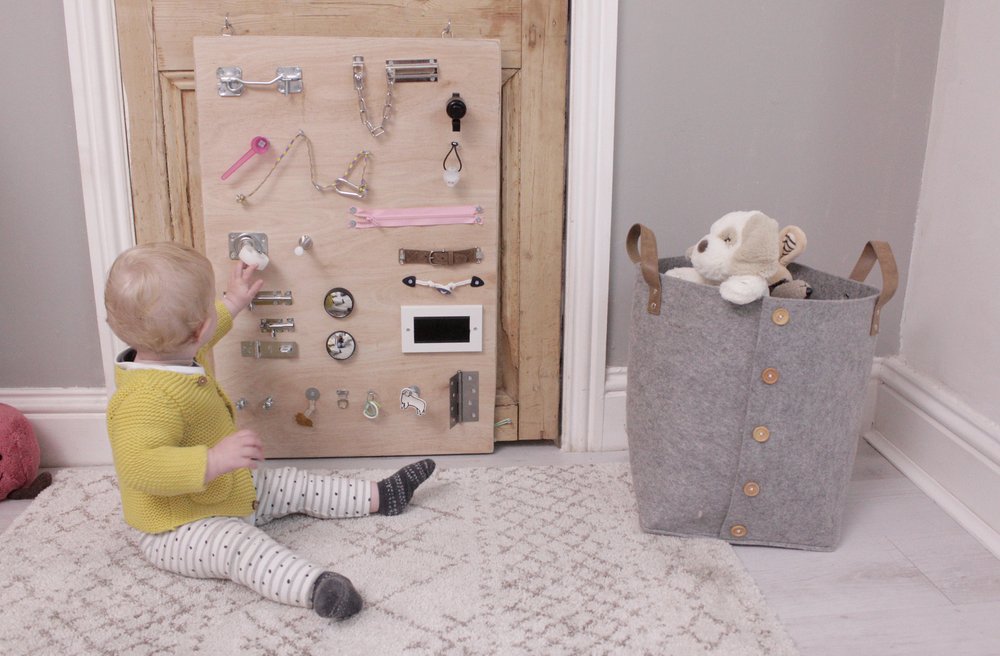
Credit: www.hestershandmadehome.com
Benefits Of Diy Baby Toys
DIY baby toys offer many benefits for both babies and parents. Making toys at home lets you create unique, fun items that suit your child’s needs. These toys also help build strong bonds and stimulate creativity. They offer a safe and affordable way to keep your baby entertained and learning.
Enhancing Creativity And Bonding
Creating toys by hand encourages creativity in parents and children. It gives you a chance to try new ideas and materials. Making toys together builds a special connection. Babies enjoy the love and attention that come with handmade toys. This shared time promotes emotional growth and trust.
Ensuring Safety With Homemade Toys
Homemade toys allow you to control the materials used. You can avoid harmful chemicals and small parts that pose choking risks. Using natural, non-toxic items keeps your baby safe. You know exactly what goes into each toy. This peace of mind is priceless for any parent.
Cost-effective Playtime Solutions
DIY baby toys save money by using everyday items. Old clothes, cardboard, and fabric scraps can become fun toys. This reduces the need to buy expensive products. Handmade toys last longer and can be repaired easily. Saving money and reducing waste benefits your family and the planet.
Materials For Safe Baby Toys
Choosing the right materials is key for making safe baby toys. Babies explore the world with their mouths and hands. Toys must be free from harmful chemicals and sharp edges. Soft textures and natural materials help keep babies comfortable and secure. Avoiding small parts reduces choking risks. Focus on safety first to create fun, worry-free play items.
Non-toxic And Baby-friendly Supplies
Always pick non-toxic paints, glues, and fabrics. Look for labels that say “safe for children” or “BPA-free.” Natural wood, untreated or finished with child-safe oils, works well. Avoid plastics that contain phthalates or lead. Organic cotton and food-grade silicone are good choices too. These materials protect babies from chemical exposure.
Soft Fabrics And Natural Elements
Soft fabrics like cotton, fleece, or felt feel gentle on baby skin. Natural fibers breathe well and reduce irritation. Wool can add texture but check for allergies. Use smooth wood or untreated bamboo for natural touch. Natural elements provide sensory benefits and last longer. Washable fabrics help keep toys clean and hygienic.
Avoiding Small Parts And Hazards
Small parts can cause choking or swallowing hazards. Steer clear of buttons, beads, or tiny decorations. Secure all attachments tightly with strong stitching or safe glue. Check for loose threads or sharp edges. Avoid materials that splinter or break easily. Test toys regularly to ensure they stay safe as babies grow.
Simple Diy Toy Ideas
Creating simple DIY baby toys is a fantastic way to engage your little one while keeping costs low and safety high. These toys can stimulate your baby’s senses and encourage development in fun, hands-on ways. Let’s look at some easy-to-make ideas that you can craft with materials around your home.
Sensory Bottles For Visual Stimulation
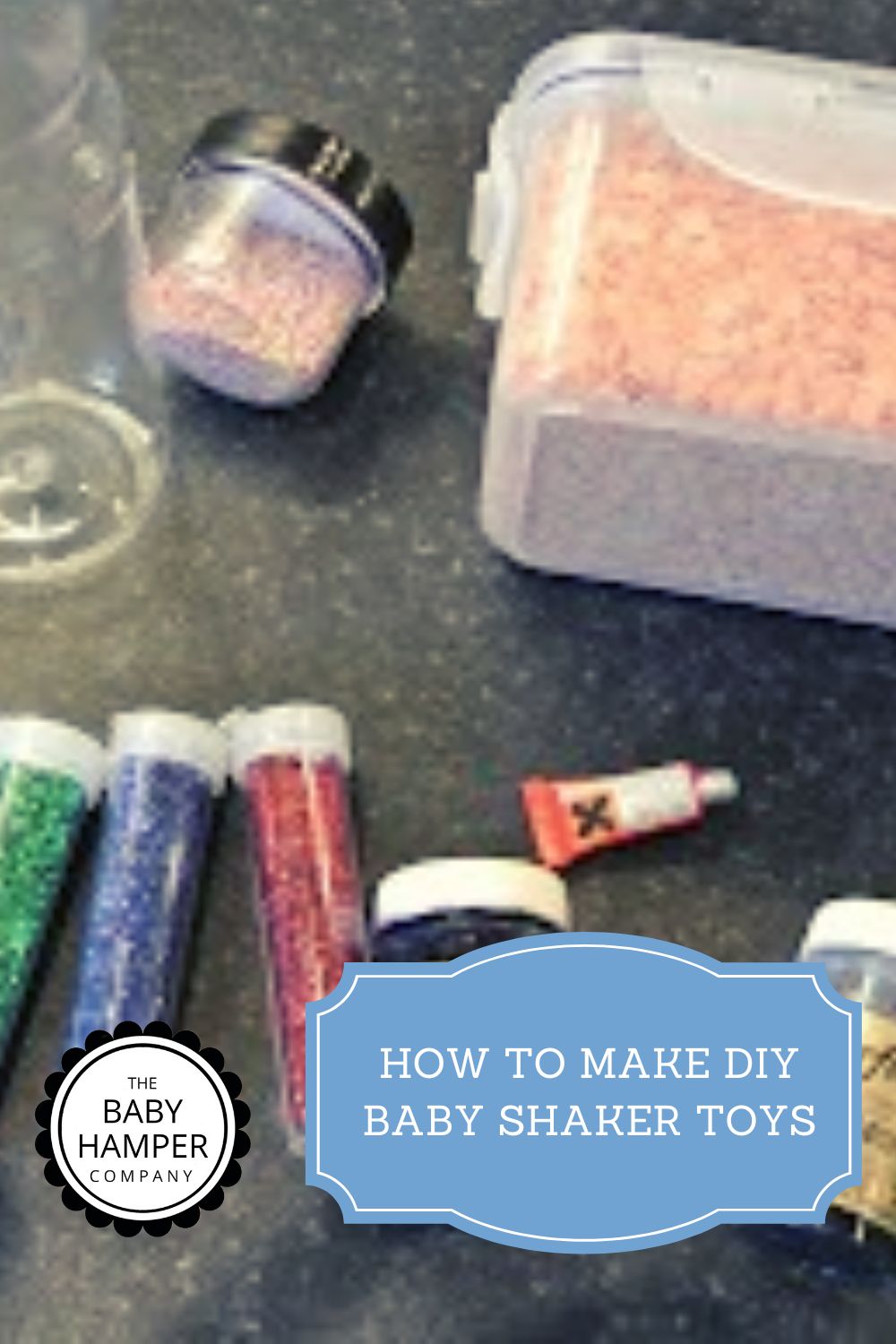
Sensory bottles are a wonderful tool to captivate your baby’s attention. Fill clear plastic bottles with colorful beads, water, glitter, or small toys to create a visually stimulating experience.
You can seal the bottle tightly with glue to keep everything secure. Watching the contents swirl and settle helps develop focus and curiosity. Have you noticed how your baby’s eyes light up when they see moving colors?
Fabric Teething Rings
Soft fabric teething rings offer comfort and tactile interest for babies during teething. Use cotton or organic fabric scraps to sew small rings, then stuff them lightly with hypoallergenic filling.
Adding different textures or attaching small tags can enhance sensory exploration. These rings are gentle on gums and safe for chewing, unlike many store-bought options. What textures does your baby enjoy the most?
Soft Block Sets
Soft blocks are ideal for stacking, squeezing, and exploring shapes safely. Cut foam or fabric into cubes and cover with colorful cloth or felt for an inviting set of blocks.
These blocks encourage motor skills and creativity without the risk of hard edges. Try mixing patterns and colors to make the blocks even more engaging. How does your baby respond when they build and knock down towers?

Credit: www.youtube.com
Steps To Make A Sensory Toy
Choose soft, safe materials like fabric or foam for your sensory toy. Cut pieces into simple shapes and sew or glue them together securely. Add different textures or sounds to engage your baby’s senses and encourage exploration.
Creating DIY sensory toys is a delightful way to engage your baby. These toys stimulate your baby’s senses and promote cognitive development. Follow these simple steps to craft a safe and fun sensory toy at home.Gathering Supplies
Begin by collecting all necessary materials. Choose fabrics with various textures, such as soft cotton and bumpy corduroy. Include items like bells, crinkly paper, and colorful ribbons. Ensure all materials are non-toxic and safe for babies. You’ll also need scissors, thread, and a sewing needle.Assembling And Securing Parts
Start by cutting the fabric into desired shapes. Sew the pieces together, leaving an opening for stuffing. Add bells or crinkly paper inside for auditory stimulation. Sew colorful ribbons onto the toy’s edges. Make sure each part is securely attached to avoid choking hazards.Testing For Safety
Inspect the toy thoroughly for any loose parts. Tug gently on the ribbons and seams to ensure durability. Check that all materials are securely fastened. Test the toy’s sturdiness by handling it as a baby would. Ensure there are no sharp edges or small detachable pieces. Creating DIY sensory toys offers a unique bonding experience. Enjoy crafting and watching your baby explore new sensations safely.Customizing Toys For Development
Customizing toys for your baby’s development can make playtime more meaningful and fun. You want to create toys that not only entertain but also support their growth in key areas like touch, sight, and hearing. Tailoring toys to stimulate these senses helps your little one explore the world safely and confidently.
Incorporating Different Textures
Different textures teach babies about the world through touch. Use soft fabrics like fleece, smooth materials like satin, and rougher surfaces like burlap or crochet. Mixing textures encourages your baby to reach out and feel, which sharpens their sensory skills.
Try sewing a small fabric book with pages of various textures. You’ll notice your baby spending more time exploring each page. Have you ever seen how a baby’s fingers react to something unexpected, like a bumpy patch? That curiosity is exactly what you want to spark.
Adding Bright Colors And Patterns
Bright colors and bold patterns capture your baby’s attention and help develop their vision. Use high-contrast colors like black and white or vibrant hues like red, yellow, and blue. These colors are easier for babies to see and differentiate during their early months.
Consider painting wooden blocks with stripes, polka dots, or zigzags. Your baby will enjoy looking at these while learning to focus their eyes. Have you noticed how some colors seem to excite your baby more? Use that to your advantage when choosing your materials.
Including Sound Elements
Sounds teach cause and effect, which is a crucial cognitive skill. Add elements like bells, rattles, or crinkly fabric to your DIY toys. These sounds encourage babies to move and interact, helping develop their hearing and motor skills.
For example, sew small bells inside a soft ball or use a crinkle paper layer in a fabric book. Your baby will begin to associate their actions with the sounds produced, creating a fun learning cycle. What sounds does your baby respond to most eagerly? Try adding those to your next toy project.
Maintenance And Cleaning Tips
Maintaining and cleaning DIY baby toys keeps them safe and fun. Clean toys prevent germs and keep your baby healthy. Regular care also extends the life of each toy. Use simple steps to check, clean, and store toys properly.
Regular Inspection For Wear And Tear
Check toys often for any damage or loose parts. Look for cracks, sharp edges, or broken pieces. Remove toys that show signs of wear to prevent choking hazards. Pay extra attention to handmade parts and glued areas.
Safe Cleaning Methods
Use mild soap and warm water to clean most toys. Avoid harsh chemicals that can harm your baby. For fabric toys, hand wash or use a gentle cycle in the washing machine. Rinse well and air dry completely before giving toys back.
- Wipe wooden toys with a damp cloth and dry immediately.
- Use a soft brush to clean small crevices.
- Disinfect toys occasionally with a vinegar solution safe for babies.
Storage Recommendations
Keep toys in a clean, dry place to avoid mold and bacteria. Use bins or baskets with lids to protect toys from dust. Separate toys by material to make cleaning easier. Rotate toys regularly to keep your baby interested and reduce clutter.

Credit: www.youtube.com
Frequently Asked Questions
What Materials Are Safe For Diy Baby Toys?
Use non-toxic, BPA-free, and hypoallergenic materials. Choose soft fabrics, untreated wood, and food-grade silicone. Avoid small parts to prevent choking hazards. Always check for safety certifications and wash materials before use.
How Can I Make Sensory Diy Baby Toys?
Incorporate different textures, colors, and sounds. Use crinkly fabric, soft ribbons, and rattles. Sensory toys stimulate a baby’s development and curiosity. Ensure all parts are securely attached and baby-safe.
What Are Easy Diy Baby Toys For Beginners?
Start with simple items like fabric balls, sock puppets, or sensory bottles. Use household materials like felt, cotton, and rice. Follow easy tutorials to create safe and engaging toys. These are budget-friendly and quick to make.
How Do I Clean Homemade Baby Toys Safely?
Hand wash fabric toys with mild detergent and warm water. Wipe wooden toys with a damp cloth and mild soap. Avoid harsh chemicals that may harm babies. Let toys dry completely before giving them to your baby.
Conclusion
Making DIY baby toys can be fun and rewarding. You use safe, simple materials at home. These toys help your baby learn and grow. Crafting them yourself saves money and adds a personal touch. Each toy you make shows your care and love.
Try different ideas to keep playtime fresh. Remember, safety is always the top priority. Enjoy the process and watch your baby smile. Simple toys can bring big joy and learning. Start creating today and cherish these special moments.