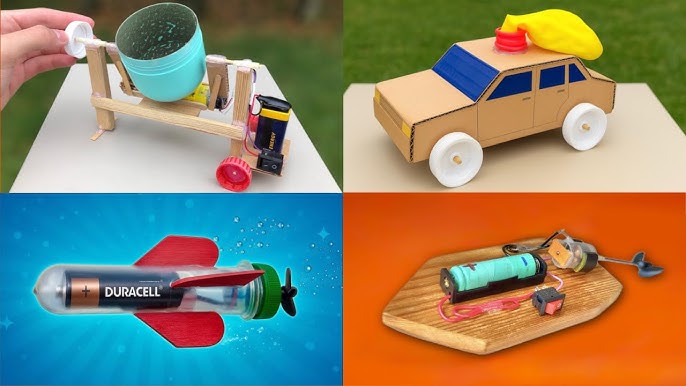
Are you looking for fun and creative ways to keep your kids entertained without breaking the bank? Making DIY toys at home is a fantastic way to do just that.
Not only can you save money, but you’ll also create unique toys that spark your child’s imagination and encourage hands-on learning. You’ll discover simple, step-by-step ideas that anyone can try, even if you don’t have crafting experience. Ready to turn everyday items into exciting playthings your kids will love?
Let’s dive in and start making your own DIY toys today!
Benefits Of Diy Toys
DIY toys offer many benefits beyond simple play. Making toys at home allows children and parents to connect deeply. It encourages imagination and skills that store-bought toys may not provide. Creating toys together brings joy and lasting memories.
Encouraging Creativity
DIY toys spark imagination in children. Kids use their minds to design and build unique toys. This hands-on process helps develop problem-solving skills. Children learn to think outside the box and explore new ideas. Crafting toys also improves fine motor skills and hand-eye coordination.
Cost Savings
Making toys at home saves money. Store-bought toys can be expensive and wear out quickly. DIY toys use simple, affordable materials found around the house. This reduces the need to buy new toys often. Families can enjoy fun activities without spending much.
Personalized Playtime
DIY toys match a child’s interests perfectly. Parents can customize toys to suit their child’s age and preferences. This personalization makes playtime more engaging and meaningful. Children feel special playing with toys made just for them. It also supports emotional bonding during the making process.

Credit: www.youtube.com
Essential Materials And Tools
Gathering the right materials and tools can make your DIY toy projects easier and more enjoyable. You don’t need to buy expensive supplies; many effective items are already around your home. Choosing safe and suitable materials ensures your toys are fun and secure for kids to play with.
Common Household Items
You might be surprised at how many toy-making materials you already have. Old socks, cardboard boxes, and bottle caps can become creative building blocks. These items are great because they’re easy to find and often free.
- Empty toilet paper rolls for tunnels or binoculars
- Buttons and fabric scraps for decorating
- Plastic containers for stacking and sorting games
Have you checked your recycling bin lately? It can be a treasure trove for DIY toy parts.
Safe Craft Supplies
Safety should always be your top priority when selecting craft supplies. Non-toxic glue, washable markers, and child-safe paints protect little hands from harmful chemicals. Avoid anything with small parts that could be choking hazards if your toy is for toddlers.
- Non-toxic glue sticks or liquid glue
- Washable, non-toxic paints and markers
- Soft felt or foam sheets for gentle textures
Choosing safe materials means you can relax while your kids enjoy their new toys without worry.
Basic Tools Needed
You don’t need a full workshop to make toys at home. Simple tools like scissors, a ruler, and a pencil are often enough to get started. If you’re working with tougher materials, a utility knife and hot glue gun can be handy but use them carefully.
- Child-safe scissors
- Pencil and ruler for measuring
- Hot glue gun (for adult use only)
Do you have these tools ready? Having them at hand speeds up your crafting and keeps your projects organized.
Simple Diy Toy Ideas
Simple DIY toy ideas bring creativity and fun right into your home. They let you use everyday materials to make toys that kids love. These projects also encourage hands-on learning and imagination, proving that you don’t need fancy supplies to create something special.
Paper And Cardboard Creations
Paper and cardboard are some of the easiest materials to work with. You can turn old boxes into castles or cars by cutting and folding them. Adding colorful markers or stickers makes the toys even more exciting.
Try making paper airplanes with different wing shapes and see which one flies the farthest. You could also create a simple cardboard puzzle by cutting a picture into pieces. These toys are great because you can recycle what you already have at home.
Recycled Bottle Toys
Empty bottles quickly become toys with just a few adjustments. Fill a plastic bottle with rice or beans to make a shaker, perfect for little hands to explore rhythm. You can also cut the bottle’s bottom and use it as a scoop for sand or water play.
Have you ever tried making a bowling set with bottles? Fill them with different amounts of water to change the weight and challenge your aim. Using recycled bottles not only saves money but teaches kids about reusing and caring for the planet.
Sock Puppets And Soft Toys
Old socks transform into puppets with a few simple stitches and some creativity. Add buttons for eyes, yarn for hair, and fabric scraps for clothing. These puppets become perfect companions for storytelling and imaginative play.
If sewing feels tricky, try no-sew sock toys using glue and stuffing. You can create soft animals or funny faces that kids will love to cuddle. Making these toys together also creates memories and encourages bonding through shared creativity.
Educational Diy Toys
Creating DIY toys at home sparks creativity and learning for children. Simple materials like paper, cardboard, and colors can turn into fun educational toys. Making toys together also strengthens family bonds and encourages problem-solving skills.
Educational DIY toys offer a brilliant way to combine fun and learning. These toys stimulate creativity and enhance cognitive skills. Creating them at home can be both economical and rewarding. They encourage problem-solving and critical thinking. Let’s explore some engaging educational DIY toys you can make.Sensory Bottles
Sensory bottles captivate young minds with their colorful contents. Fill them with water, glitter, and small objects. Seal tightly to prevent spills. Shake and watch the magic unfold. These bottles help develop focus and calmness. They also improve fine motor skills and coordination.Counting And Sorting Games
Counting and sorting games teach numbers and colors. Use bottle caps or buttons for this activity. Create different piles based on color or size. Encourage counting while sorting. This strengthens math skills and promotes organization. It’s a fun way to practice basic arithmetic.Puzzle And Matching Sets
Puzzles boost memory and problem-solving abilities. Use cardboard to cut out shapes or pictures. Create matching pairs with identical shapes or images. Mix them up and start finding the pairs. This improves recognition and recall. It also enhances hand-eye coordination and concentration.Outdoor Diy Toy Projects
Outdoor DIY toy projects bring fun and learning outside the home. Kids enjoy fresh air and exercise while playing. These projects use simple materials found at home or in nature. They encourage creativity and teamwork. Try these ideas to make playtime exciting and active.
Nature Scavenger Hunt Kits
Create a nature scavenger hunt kit with easy items. Use a small box or bag to hold the kit. Include:
- A checklist of common outdoor items like leaves, rocks, or flowers
- A small magnifying glass to explore details
- A pencil and notepad for notes or drawings
- A pair of tweezers or gloves for safe handling
This kit encourages kids to explore parks or backyards. It teaches observation skills and appreciation for nature.
Homemade Kites
Making kites at home is simple and fun. Use lightweight materials like paper, sticks, and string. Start with a frame:
- Two sticks crossed in a “T” shape
- Secure with string and tape
- Attach a paper or plastic sheet as the kite sail
Add a long tail for balance. Decorate with markers or stickers. Flying kites boosts outdoor play and hand-eye coordination.
Water Play Toys
Water toys make hot days enjoyable and cool. Try these easy DIY ideas:
- Spray bottles filled with water for target games
- Plastic cups or containers for pouring and scooping
- Homemade water balloons using small balloons and a funnel
Set up a water station outside for hours of splashy fun. Water play helps develop motor skills and sensory experience.
Safety Tips For Homemade Toys
Creating DIY toys at home can be a rewarding experience, but safety should always come first. Ensuring your homemade toys are safe protects your children and gives you peace of mind. Let’s look at key safety tips that help you craft fun yet secure toys.
Material Safety
Choosing the right materials is crucial. Avoid small parts that can easily detach and become choking hazards. Use non-toxic paints, glues, and fabrics to keep harmful chemicals away from your child.
Think about durability too. Materials like sturdy wood, thick felt, and safe plastics work well and last longer. Have you ever tested a toy to see if it breaks or sheds pieces? That quick check can prevent accidents.
Age-appropriate Designs
Design toys that fit the child’s developmental stage. Babies need soft, chewable items without sharp edges, while older kids can handle more complex shapes and smaller components.
Consider your child’s abilities and interests. A puzzle for a toddler should have larger pieces, while a preschooler might enjoy smaller, more challenging parts. What’s the last toy you gave your child, and did it match their age?
Supervision Guidelines
No matter how safe a toy seems, supervision is key, especially for younger children. Watch how they interact with the toy and step in if you notice any risk signs.
Set clear rules about toy use, like no throwing or chewing on certain parts. Your involvement not only ensures safety but also encourages creative play. How often do you join your child during playtime?
Tips For Customizing And Decorating
Customizing and decorating your DIY toys can turn simple creations into cherished keepsakes. It’s where your creativity truly shines and the toy becomes uniquely yours. Small details make a big difference, so focus on how you can add color, texture, and personal touches that reflect your style or the personality of the child who’ll play with it.
Painting And Coloring
Choose paints that are safe and non-toxic, especially if the toy is for young children. Acrylic paints work well on wood, plastic, and fabric and dry quickly, allowing you to add multiple layers or details.
Try using bright colors or soft pastels depending on the mood you want to create. You can also mix colors to achieve custom shades. Have you ever tried using stencils or masking tape to create sharp, clean patterns? It can add a professional look without much effort.
Adding Textures
Textures give toys a tactile appeal that kids love to explore. You can glue on materials like felt, cotton balls, or sandpaper to introduce different sensations.
Think about combining smooth and rough surfaces, or hard and soft parts. This contrast keeps the toy interesting and stimulates sensory play. What textures do you think your child would find exciting to touch?
Personal Touches
Adding names, initials, or special symbols makes the toy one of a kind. Use permanent markers, paint pens, or even iron-on transfers to add these details.
Consider attaching small accessories like buttons, ribbons, or beads that reflect hobbies or favorite colors. Personalization turns a simple toy into a meaningful gift that tells a story only you and the child share.

Credit: www.youtube.com

Credit: www.youtube.com
Frequently Asked Questions
What Materials Do I Need For Diy Toys At Home?
Common materials include paper, cardboard, fabric, glue, scissors, and safe household items. Choose non-toxic and child-friendly supplies for safety.
How Can Diy Toys Benefit Children’s Development?
DIY toys boost creativity, problem-solving, and fine motor skills. They also encourage imagination and hands-on learning in a fun way.
Are Diy Toys Safe For Young Children?
Yes, if made with non-toxic materials and supervised during play. Avoid small parts for toddlers to prevent choking hazards.
How Much Time Is Needed To Make Diy Toys?
Most DIY toys take 15 to 60 minutes depending on complexity. Simple crafts like paper puppets are quick and easy to create.
Conclusion
Making DIY toys at home is simple and fun. It saves money and helps the environment. Kids love playing with toys they helped create. You can use things found around the house. Creativity grows when you make toys together. Try different ideas and enjoy the process.
These homemade toys bring joy and learning. Start small and build your skills over time. Everyone can join in and share the fun. Making toys at home is a great way to bond.