Looking for the best materials to create fun, safe DIY toys for your parrot? You want to keep your feathered friend happy and entertained without spending a fortune.
But with so many options out there, it’s easy to feel overwhelmed or unsure about what’s truly safe and engaging. This guide will help you discover the perfect items to use, so your parrot stays active, curious, and healthy. Keep reading to unlock simple, creative ideas that you can start using today!

Credit: pdsparrotshop.com
Choosing Safe Materials
Choosing safe materials is the top priority for DIY parrot toys. Parrots explore toys by biting and chewing. Unsafe materials can harm their health. Selecting non-toxic and bird-safe items ensures fun and safety. Use materials that are natural and free from harmful substances.
Non-toxic Wood And Paper
Wood is a favorite material for parrot toys. Choose untreated, natural wood without paint or varnish. Safe types include apple, pine, and maple. Avoid wood from toxic trees like cedar or oak. Paper is also good. Use plain, unprinted paper or cardboard. Avoid glossy or colored paper with inks.
Natural Fibers And Fabrics
Natural fibers are gentle on parrots’ beaks. Cotton, sisal, and jute are excellent choices. These fibers are strong and safe to chew. Avoid synthetic fibers like nylon or polyester. They can cause choking or digestive problems. Use fabrics made from cotton or wool. Always check for loose threads that could tangle.
Avoiding Harmful Chemicals
Harmful chemicals can be hidden in many materials. Avoid plastics that are not labeled as bird-safe. Skip paints, glues, and adhesives with toxic ingredients. Use only non-toxic, water-based paints if needed. Check labels carefully before buying any supplies. Clean new materials before use to remove dust or residues.
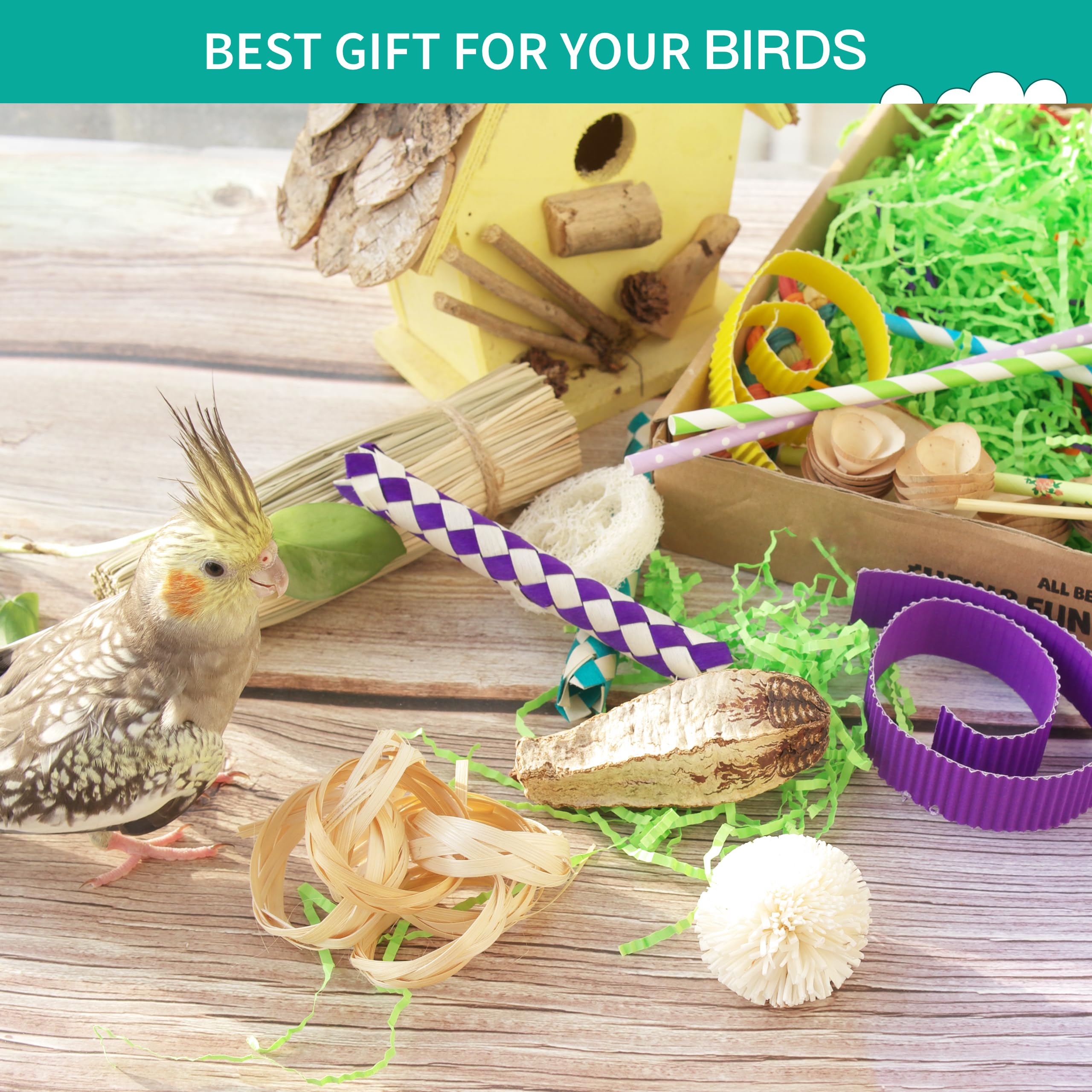
Credit: www.amazon.ca
Simple Diy Toy Ideas
Creating DIY toys for your parrot doesn’t have to be complicated or expensive. Simple materials around the house can turn into hours of fun and mental stimulation for your feathered friend. Here are some easy-to-make toy ideas that can keep your parrot entertained and mentally sharp.
Paper Chains And Rings
Paper chains are a fantastic way to engage your parrot’s curiosity. Use colorful, non-toxic paper strips and link them into chains or rings. Your parrot will enjoy shredding and pulling apart the links, which helps satisfy their natural chewing instincts.
Try using plain printer paper or newspaper, but avoid glossy or ink-heavy pages. You can also add small treats tucked between the links to make the toy even more enticing. Have you noticed how your parrot reacts when something new and interactive is introduced?
Wooden Blocks And Chew Toys
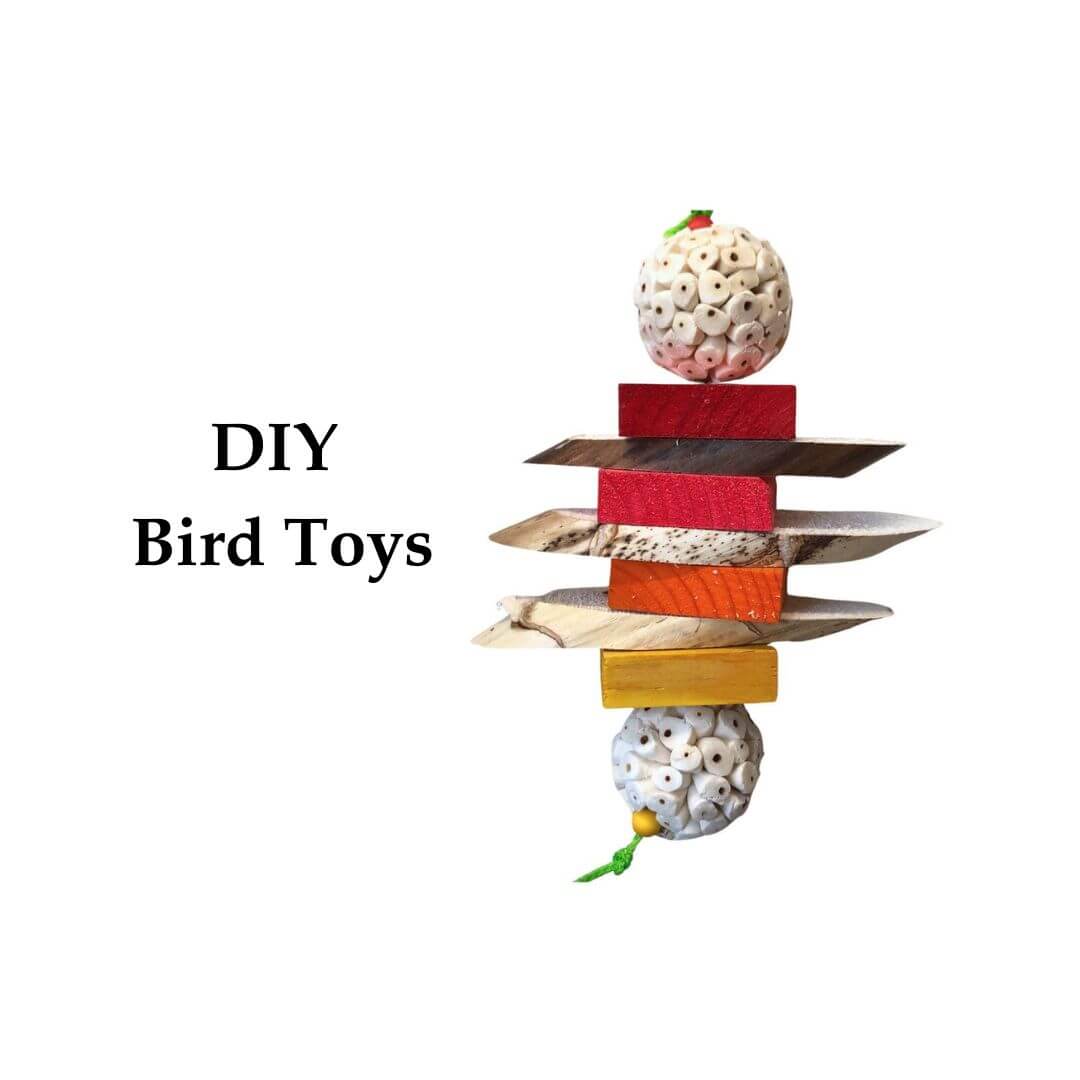
Wooden blocks are durable and safe for parrots to chew on. Choose untreated, bird-safe wood like pine or maple to avoid harmful chemicals. You can cut small blocks into different shapes and sizes, then drill holes to string them together.
Adding a bit of natural rope or leather strips to hold the blocks can make the toy more dynamic. Your parrot will love the challenge of moving and chewing on these blocks, which helps keep their beak healthy. What types of textures does your parrot prefer when chewing?
Foraging And Puzzle Toys
Foraging toys encourage parrots to use their brains and natural instincts to find hidden treats. You can create simple puzzles by placing treats inside paper cups or cardboard tubes and sealing the ends. Cut small holes just big enough for your parrot to reach inside.
Another option is to hide treats inside folded paper or beneath lightweight objects that your parrot can move. These toys keep your bird busy and reduce boredom. How often do you see your parrot actively searching for food in their environment?
Creative Toy Designs
Creative toy designs can turn simple materials into exciting and engaging playthings for your parrot. These toys not only keep your bird entertained but also stimulate their mind and encourage natural behaviors. With a little imagination, you can craft toys that brighten up your parrot’s day and strengthen your bond.
Colorful Bead Strings
Bright, colorful bead strings catch your parrot’s eye and invite them to explore. Use non-toxic wooden or plastic beads threaded on a sturdy cotton string for safety. Mix different sizes and shapes to keep your parrot curious and busy.
Make sure the beads are large enough to prevent choking hazards. You can even add bells or small mirrors between beads for extra stimulation. Have you noticed how your parrot reacts to colors? This simple toy might reveal their favorite hues!
Hanging Swings And Ladders
Swings and ladders offer your parrot a fun way to exercise and climb. Use untreated wood or natural rope to create a safe and durable structure. Hanging these toys in their cage encourages movement and helps prevent boredom.
Try different shapes and lengths to see what your parrot prefers. A swing that gently rocks can become a favorite resting spot. What kind of movement does your parrot enjoy most? Observing their play style can guide your DIY designs.
Interactive Treat Dispensers
Interactive treat dispensers add a rewarding challenge to your parrot’s playtime. Use small boxes or containers with holes where your bird can reach treats by moving or pulling parts. This encourages problem-solving and keeps their mind sharp.
Start with easy openings and increase difficulty as your parrot learns. You can recycle household items like plastic bottles or cardboard tubes for this purpose. How do you think your parrot would react to a puzzle toy? Creating these can be a fun experiment for both of you.
Diy Toy Maintenance
Safe, natural materials like untreated wood and cotton ropes work best for DIY parrot toys. Avoid toxic paints or small parts that birds can swallow. Regular cleaning with mild soap keeps toys fresh and safe.
Maintaining DIY parrot toys is essential to ensure your feathered friend stays safe and entertained. Regular upkeep not only prolongs the life of the toys but also keeps them hygienic. Let’s dive into some practical steps to keep those toys in top shape.Cleaning And Sanitizing
Consistent cleaning is critical to prevent bacteria buildup on your parrot’s toys. Use a mild soap and warm water to wash toys, rinsing thoroughly to remove any soap residue. For a deeper clean, consider using a bird-safe disinfectant or a vinegar-water solution.Inspecting For Wear And Tear
Checking toys for damage should be a regular practice. Look for frayed ropes, chipped wood, or loose parts that could pose a hazard. A quick inspection can prevent potential injuries and ensure your parrot’s environment remains safe.Replacing Worn Parts
When you notice parts that are beyond repair, it’s time to replace them. Keep extra materials like ropes, beads, and wood pieces on hand for quick fixes. This not only saves time but also ensures your parrot never has to go without their favorite toys. Taking the time for DIY toy maintenance is a small effort with a big payoff. Your parrot will thank you with happy chirps and playful antics. Are you ready to start your maintenance routine today?Benefits Of Homemade Toys
Homemade toys offer more than just a way to keep your parrot busy. They provide a chance to tailor activities specifically to your bird’s preferences and needs. Creating toys yourself means you control the materials and complexity, making playtime safer and more engaging.
Mental Stimulation And Enrichment
DIY toys challenge your parrot’s mind. Simple puzzles made from household items encourage problem-solving and curiosity. When your bird figures out how to interact with a new toy, it boosts confidence and prevents boredom.
Have you noticed how parrots lose interest quickly in store-bought toys? Homemade options can be switched up regularly to keep their brains active and sharp.
Physical Exercise And Activity
Building toys that encourage movement helps your parrot stay fit. Swings, ladders, and hanging treats made from safe materials invite climbing and flapping. These activities improve muscle tone and overall health.
Think about how much more your parrot moves when exploring a toy you crafted just for them. It’s not just fun—it’s essential exercise that supports longevity.
Strengthening Parrot-owner Bond
Spending time making toys shows your parrot you care. The process of creating and introducing a new toy builds trust and deepens your relationship. Your bird learns to associate you with fun and safety.
Have you ever seen your parrot react excitedly to something you made? That moment can turn into a lasting connection that store-bought toys rarely create.

Credit: pdsparrotshop.com
Frequently Asked Questions
What Materials Are Best For Diy Parrot Toys?
Safe, non-toxic wood, untreated leather, and natural fibers are best. Avoid toxic paints or plastics. These materials are durable and safe for parrots to chew.
How To Make A Diy Parrot Toy Safe?
Use bird-safe materials like untreated wood and natural fabrics. Avoid small parts that can be swallowed. Regularly inspect toys for wear and replace if damaged to ensure safety.
Which Household Items Can Be Repurposed For Parrot Toys?
Paper towel rolls, untreated wood blocks, and cardboard are great. They provide texture and mental stimulation. Always ensure items are clean and free of harmful chemicals.
How Often Should Diy Parrot Toys Be Replaced?
Replace toys every few months or when damaged. Worn toys can pose choking hazards. Regular replacement keeps your parrot interested and safe.
Conclusion
DIY toys for parrots bring fun and learning together. Use safe, natural materials like wood, paper, and rope. Avoid anything toxic or small enough to swallow. Simple toys can keep your parrot busy and happy. Change toys often to keep your bird interested.
Watching your parrot play is rewarding and joyful. Creating toys at home saves money and strengthens your bond. Give your parrot the gift of safe, engaging playtime daily.