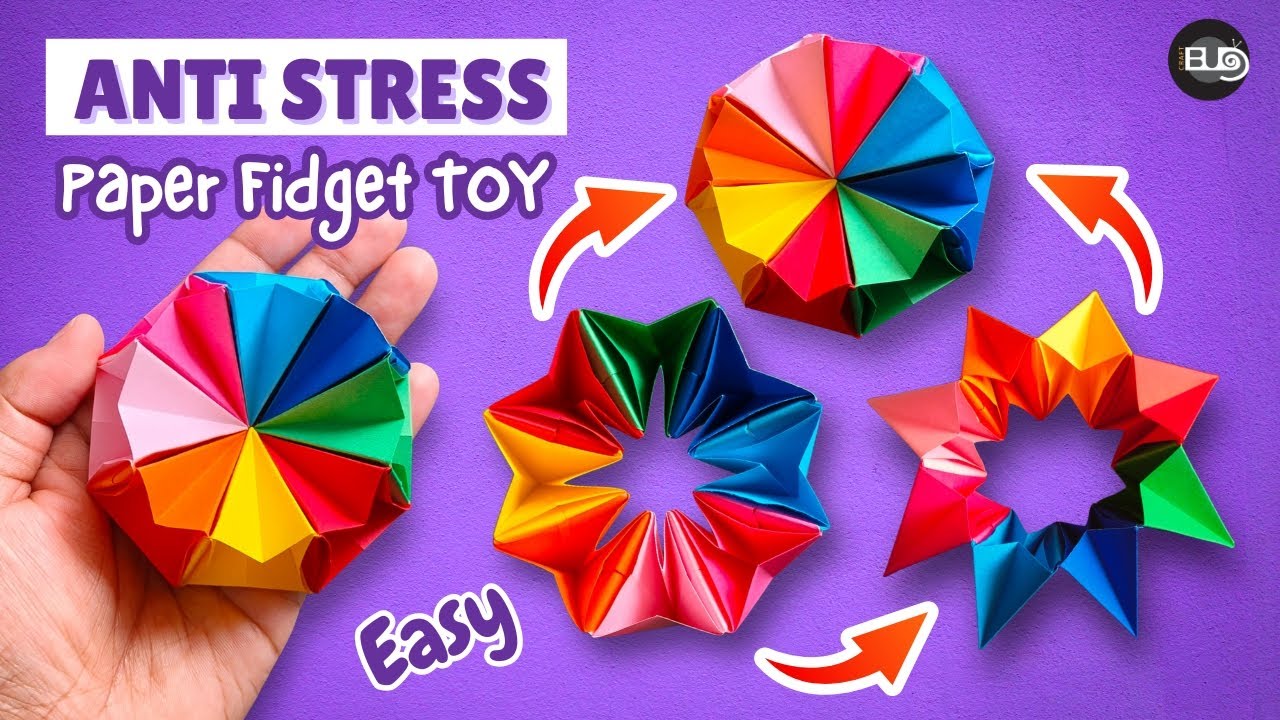
Do you find it hard to focus or stay calm during busy days? Making your own DIY fidget toys can be a simple and fun way to keep your hands busy and your mind clear.
These easy-to-make tools help reduce stress and improve concentration without costing much or needing special skills. You’ll discover step-by-step ideas to create your own fidget toys using items you probably already have at home. Ready to make something that works just for you?
Keep reading and unlock the secret to staying calm and focused anytime, anywhere.

Credit: www.youtube.com
Benefits Of Diy Fidget Toys
Making your own DIY fidget toys offers more than just a fun craft project. It brings a range of benefits that can improve your daily life, especially if you often find yourself stressed or distracted. Creating these toys yourself means you get exactly what you need, boosting your focus and calming your mind.
Stress Relief And Focus
Using fidget toys can help reduce anxiety and stress by keeping your hands busy and your mind calm. When you make your own, you can design them to suit your specific needs, which makes them even more effective. Have you noticed how certain textures or movements help you concentrate better? DIY fidget toys let you explore what works best for you.
Affordable And Customizable
Buying fidget toys can get expensive, especially if you want a variety or special features. Making them at home saves money and allows you to customize colors, sizes, and materials. You can reuse items you already have, like rubber bands or beads, turning everyday objects into personalized tools.
Creative Outlet
Crafting your own fidget toys gives you a chance to be creative and try new ideas. It’s not just about the end product but also the enjoyment of making something unique. Have you ever felt more relaxed just by focusing on a simple, hands-on activity? DIY projects like these can be a mindful break from screens and routines.
Materials You’ll Need
Gathering the right materials is key to making your DIY fidget toys both fun and functional. You don’t need fancy gadgets or expensive supplies to create engaging toys. Often, simple items around your home can become the building blocks of your next stress-relief project.
Common Household Items
Look around your home for everyday objects that can be transformed into fidget toys. Items like rubber bands, paper clips, bottle caps, and buttons often work perfectly. I once used a couple of old socks and some rice to make a soft, squeezable stress ball — it was surprisingly effective!
- Rubber bands
- Paper clips
- Bottle caps
- Old socks or fabric scraps
- Buttons and beads
- Empty plastic containers
Have you noticed how many small objects get overlooked around your house? Think about what you can repurpose before buying new materials.
Craft Supplies
Craft stores are treasure troves for DIY fidget toy materials. Items like pipe cleaners, foam sheets, and colorful yarn add texture and color to your creations. Adding these can make your toys more tactile and visually appealing.
- Pipe cleaners
- Foam sheets
- Yarn or string
- Pom-poms
- Glue sticks or craft glue
- Velcro strips
Think about how different materials feel in your hands. Do you prefer something soft or something with a bit of resistance?
Tools And Safety Tips
Having the right tools makes your DIY process smoother and safer. Scissors, hot glue guns, and tweezers are commonly needed. Always keep safety in mind, especially if children will be involved in making or using the toys.
- Scissors (preferably with rounded tips for kids)
- Hot glue gun and glue sticks
- Tweezers or small pliers
- Needle and thread (for fabric-based toys)
- Protective gloves if using hot glue
Do you have a safe workspace set up? Organizing your tools before you start can save frustration and prevent accidents.
Simple Diy Fidget Toy Ideas
Simple DIY fidget toys bring fun and focus to your hands. These toys are easy to make with common materials. They help reduce stress and improve concentration. Kids and adults enjoy making and using them.
Try these simple ideas. They require little time and cost. Each toy offers a unique sensory experience. Perfect for home, school, or office use.
Bottle Cap Spinner
Create a quick spinner using bottle caps and a pin. Stack two or three bottle caps together. Push a sturdy pin through the center. Spin the caps between your fingers for a smooth, calming motion.
- Use clean, plastic bottle caps
- Insert a sharp pin or needle carefully
- Spin on a flat surface or in your hand
Pom-pom Squishy
Make a soft squishy toy with a pom-pom and a balloon. Place a pom-pom inside a balloon. Stretch the balloon around it tightly. Squeeze gently to feel the soft texture. It’s great for stress relief and tactile play.
- Choose a fluffy pom-pom
- Use a small balloon, cut the tip off
- Stretch balloon over pom-pom securely
Rubber Band Ball
Build a rubber band ball using only rubber bands. Start with a small bundle or a scrap of paper. Wrap rubber bands around it tightly. Add more bands until the ball grows large enough. Bounce it or roll it to keep your hands busy.
- Select different sizes of rubber bands
- Wrap evenly to keep shape round
- Use as a fidget toy or stress ball
Intermediate Diy Projects
Creating easy DIY fidget toys can be fun and relaxing. Use simple materials to build toys that help reduce stress and improve focus. These projects suit beginners wanting hands-on activities with quick results.
Embarking on intermediate DIY projects can be an exciting journey, especially when it comes to crafting your own fidget toys. These projects strike the perfect balance between simplicity and creativity. With a few materials and a bit of patience, you can create fidget toys that not only provide hours of entertainment but also help with focus and relaxation. Let’s dive into some fun and engaging ideas that you can try at home.Button Fidget Bracelet
Creating a button fidget bracelet is both fun and functional. You’ll need a collection of buttons, elastic thread, and a needle. Start by threading the elastic through the buttons, alternating colors and sizes for an eye-catching pattern. Once you have your desired length, tie the ends securely. You now have a wearable fidget toy that you can use to keep your hands busy throughout the day. Do you have a favorite button that holds a special memory? Incorporating it into your bracelet can make it extra special.Paperclip Chain
Turning paperclips into a fidget chain is a simple yet satisfying project. Gather a handful of colorful paperclips and link them together in a chain. The repetitive motion of linking and unlinking can be incredibly soothing. Want to add a bit of flair? Try bending some clips into different shapes or adding small charms. This project not only serves as a fidget toy but also as a creative outlet. What unique designs can you come up with using just paperclips?Bead And String Spinner
A bead and string spinner is a fantastic way to combine movement and color. Select a strong string and vibrant beads to get started. Thread the beads onto the string, leaving a bit of space for them to move freely. Tie the ends of the string to form a loop. Hold the string taut and spin the beads around for a mesmerizing effect. This spinner can be a great desk accessory that adds a pop of color and a touch of fun to your workspace. What color combinations will you choose to brighten your day? Each of these intermediate DIY projects not only results in a unique fidget toy but also offers a relaxing crafting experience. As you experiment with these ideas, you’ll find joy in both the creation process and the fidgeting itself. What will you create next?Advanced Diy Fidget Toys
Advanced DIY fidget toys offer a chance to push your creativity and crafting skills further. These projects combine simple materials with clever design to create toys that are not only fun but also uniquely satisfying to use. If you’re ready to go beyond basic fidget spinners or stress balls, these ideas will challenge you while rewarding you with something truly special.
Mini Stress Ball
Making a mini stress ball is a perfect project if you want a portable, tactile toy to squeeze anytime. Use a small balloon and fill it with fine materials like flour, rice, or even tiny beads for different textures. You can even dye the filling with food coloring to make it colorful and visually appealing.
Try adding essential oils inside the balloon before filling it. This way, your stress ball will also have a calming scent when you squeeze it. Have you ever noticed how scent can change your mood? This little detail makes your stress ball more than just a physical distraction.
Clay Pop-it Toy
A clay pop-it toy combines the popular popping sensation with your own custom design. Use air-dry clay to form a flat base, then press small bubbles or domes into it that you can push in and out. You can paint or glaze your creation after it dries for a personalized touch.
Experiment with different clay colors or add glitter to the surface before it hardens. This project is fun because you control the size and shape of the bubbles, making it truly your own. Ever thought about how controlling the toy’s shape might influence your focus and relaxation?
Custom Puzzle Spinner
Creating a custom puzzle spinner is a rewarding challenge that mixes spinning fun with brain teasers. Start by cutting a wooden or plastic base into a spinner shape, then attach movable puzzle pieces around the center. Your goal is to spin the toy and solve the puzzle at the same time.
You can use magnets or small hinges to make the pieces movable and durable. Think about what types of puzzles you enjoy—sliding tiles, matching colors, or numbers—and design your spinner accordingly. How does adding a mental challenge to a fidget toy change your engagement with it?

Credit: www.youtube.com
Tips For Personalizing Your Fidget Toys
Personalizing your DIY fidget toys makes them more enjoyable and effective for your needs. It’s about turning a simple craft into something that feels truly yours. Small touches can change how you interact with your toy and boost its calming or focusing power.
Choosing Colors And Textures
Colors affect mood and focus. Pick bright colors if you want an energizing effect, or softer tones to stay calm. Mixing textures like smooth beads with rough fabrics creates a sensory experience that keeps your hands busy and your mind engaged.
Think about the feel in your hands. Do you prefer something squishy, bumpy, or silky? Experiment with materials like foam, rubber, or felt to find what comforts you most.
Adding Scent Or Sound
Adding scent can make your fidget toy more soothing. A few drops of lavender or peppermint essential oil on a fabric part can help reduce stress. Just be careful not to use too much—it should be subtle, not overpowering.
Sound adds another layer of interaction. Small bells or beads inside a sealed container create gentle noise, helping you focus without distracting others. What sounds calm you or help you concentrate?
Incorporating Favorite Themes
Use themes from your favorite hobbies, movies, or animals to make your fidget toy more personal. If you love space, add stars or planets with stickers or paint. A toy themed around your favorite character can make fidgeting feel fun and meaningful.
Personal touches also remind you why you made the toy. Does it represent something important to you? This connection can make the toy even more effective during stressful moments.
Caring For Your Diy Fidget Toys
Taking care of your DIY fidget toys ensures they stay fun and functional for a long time. These small gadgets often face frequent handling, so maintaining them properly can save you time and frustration. You might be surprised how a little regular care can extend their life and keep them feeling just right in your hands.
Cleaning And Maintenance
Keep your fidget toys clean by wiping them with a soft, damp cloth regularly. Avoid harsh chemicals that could damage paint or delicate parts. If your toy has small crevices, use a cotton swab dipped in mild soap and water to reach tight spots.
After cleaning, dry the toy thoroughly to prevent any moisture damage. For toys with moving parts, add a drop of lubricant like silicone spray to keep them spinning or clicking smoothly. Have you noticed your toy getting sticky or slow? Cleaning could be the simple fix it needs.
Repairing Common Issues
DIY fidget toys can sometimes develop loose screws or parts that fall off. Keep a small toolkit handy with screwdrivers and glue for quick fixes. If a bearing or button stops working, replacing just that component can bring the toy back to life.
Think about the last time you fixed a broken toy—did it feel rewarding? Repairing your fidget toy not only saves money but also adds a personal touch to your creation. Don’t throw it away at the first sign of trouble; try to troubleshoot the issue first.
Storing Safely
Store your fidget toys in a dry, cool place to avoid warping or rust. Use small containers or pouches to keep them from rubbing against rough surfaces or getting lost. Organizing your collection can make it easier to find the perfect toy when you need a quick stress relief break.
Have you ever lost a favorite fidget toy under your desk or in a messy bag? Proper storage can prevent that frustration. Treat your DIY toys like any other valuable item—you built them, so protect them!

Credit: www.youtube.com
Frequently Asked Questions
What Materials Do I Need For Easy Diy Fidget Toys?
You need simple items like rubber bands, beads, buttons, and glue. Household items like paper clips and straws also work well. These materials are affordable and easy to find, making DIY fidget toys accessible for everyone.
How Long Does It Take To Make Diy Fidget Toys?
Most DIY fidget toys take between 10 to 30 minutes to make. The time depends on the complexity of the design and materials used. Simple projects are quick, perfect for beginners and kids.
Are Diy Fidget Toys Safe For Kids?
Yes, DIY fidget toys are safe if made with non-toxic materials. Always supervise young children during crafting to avoid small parts swallowing. Use age-appropriate items to ensure safety and fun.
Can Diy Fidget Toys Help Reduce Stress?
Absolutely, DIY fidget toys can help reduce stress and improve focus. They provide tactile stimulation that calms anxiety and restlessness. Making and using these toys is a great mindfulness activity.
Conclusion
Making DIY fidget toys is simple and fun. You only need a few materials and some creativity. These toys help reduce stress and keep your hands busy. Crafting them yourself saves money and lets you customize designs. Try different ideas and see what works best for you.
Keep practicing, and soon you will enjoy making and using your own fidget toys every day. Simple projects can bring big smiles. Give it a try today!