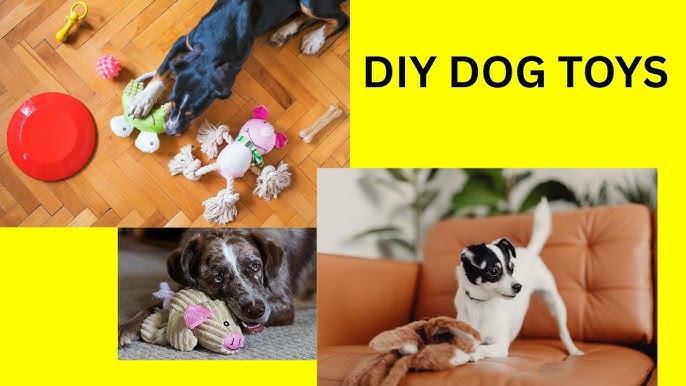
Looking for a fun and affordable way to keep your dog happy and entertained? Making your own dog toys DIY style is easier than you think.
Not only will you save money, but you’ll also create personalized toys that suit your dog’s unique play style. Imagine the joy on your furry friend’s face when they get a new toy made just for them. Ready to discover simple steps and creative ideas that anyone can try?
Keep reading, and you’ll soon become your dog’s favorite toy maker.
Credit: pethero.co.za
Materials Needed
Gathering the right materials makes your DIY dog toy project easier and safer. You want items that are not only fun but also durable and pet-friendly. Knowing what to use helps you avoid common mistakes and keeps your dog happy and healthy.
Common Household Items
Look around your home for simple things that can turn into great toys. Old socks, tennis balls, and empty plastic bottles are perfect starters. These items are easy to find and usually cost nothing, making your project budget-friendly.
Have you ever noticed how a tennis ball alone can keep your dog entertained for hours? Try stuffing an old sock with a bit of fabric or a small ball inside. It’s a quick way to make a toy that feels new but uses what you already have.
Safe Fabrics And Tools
Choosing the right fabric is crucial because your dog will chew and tug on the toy. Use soft cotton, fleece, or denim—these fabrics are gentle on teeth and skin. Avoid materials that shed or contain harmful chemicals.
When working on your toys, have a pair of sharp scissors, a needle, and strong thread ready. These tools help you make clean cuts and secure stitches, so your toy lasts longer. Think about your dog’s chewing strength and choose durable stitching to prevent quick wear and tear.
Recycling Old Toys
Don’t throw away worn-out dog toys just yet. You can cut them into parts and combine with other materials to create something new. Using bits of old rubber toys or fabric pieces gives your dog a familiar texture with a fresh twist.
Have you tried mixing different textures in one toy? It can make playtime more exciting for your dog. Plus, recycling old toys is good for the environment and your wallet.

Credit: www.marymarthamama.com
Simple No-sew Toys
Simple no-sew dog toys are a fantastic way to keep your furry friend entertained without the need for needles or complex crafting skills. These toys use everyday items you likely have at home, making them quick to assemble and budget-friendly. Plus, they’re customizable, so you can tailor each toy to suit your dog’s play style and size.
T-shirt Tug Toy
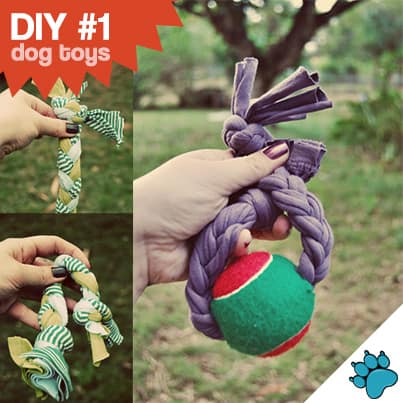
Grab an old T-shirt and cut it into long strips. Braid the strips tightly and knot the ends to secure them. This creates a durable tug toy perfect for interactive play sessions with your dog.
I once made one for my energetic Labrador, and it lasted weeks of tugging fun. The soft fabric is gentle on your dog’s teeth, and if it gets dirty, just toss it in the wash. Have you noticed how dogs love the scent of their owner on homemade toys?
Sock Ball
Take a clean sock and stuff it with another sock or some fabric scraps. Tie a knot at the open end to keep the stuffing inside. This simple ball is great for fetch and gentle chewing.
This toy is a lifesaver when you need something fast to distract your pup. Just make sure to supervise play, as socks can fray quickly. What’s your dog’s favorite fetch toy at home?
Braided Rope Toy
Use three or more strips of fabric or old t-shirts and braid them tightly. Secure both ends with knots to form a sturdy rope. This toy is excellent for chewing and tugging, and you can make it any size you need.
My dog loves shaking and tossing this braided rope around, and I love that it’s easy to replace when worn. Using bright-colored fabric also helps you spot the toy in the yard. How can you make your dog’s playtime more vibrant and engaging?
Stuffed Toys With Basic Sewing
Stuffed toys with basic sewing are a fantastic way to create personalized playthings for your dog. They combine simple materials and easy stitching techniques that even beginners can handle. Making these toys yourself lets you control the size, shape, and softness, ensuring they’re perfect for your furry friend’s chewing and cuddling needs.
Fleece Bone Toy
The fleece bone toy is soft, durable, and super easy to sew. Start by cutting two identical bone shapes from fleece fabric. Sew around the edges, leaving a small gap to stuff with extra fleece or cotton for softness.
Once stuffed, close the gap with a neat stitch. Your dog will love the soft texture and the lightweight feel, making it ideal for gentle play or fetch indoors. Have you noticed how dogs often prefer soft toys over hard ones?
Squeaky Plush Toy
Adding a squeaker to a plush toy can make it instantly more exciting for your dog. Use a small piece of plush fabric and cut two matching shapes like a simple animal or heart. Place a squeaker inside before sewing most of the edges.
Leave a small opening to insert stuffing, then sew it closed. The squeaker’s noise keeps your dog engaged longer. What sound does your dog respond to the most during playtime?
Knotted Fabric Balls
Knotted fabric balls require no sewing at all and are great for dogs who love to chew. Grab strips of old t-shirts or fleece and tie them tightly into a ball shape. You can add multiple layers of knots for extra durability.
These balls are soft enough to avoid damaging teeth but tough enough to last through rough play. Have you tried using old fabric scraps to make toys that save money and reduce waste?
Credit: www.etsy.com
Interactive Puzzle Toys
Creating interactive puzzle toys for dogs at home is simple and fun. Use household items like bottles, ropes, and treats to craft engaging toys that stimulate your dog’s mind. These DIY toys keep pets entertained and encourage problem-solving skills.
Interactive puzzle toys offer great mental stimulation for dogs. These toys keep dogs engaged and active. They also help reduce boredom and anxiety. Creating your own interactive puzzle toys can be simple and rewarding. Let’s explore some DIY options to make at home.Treat Dispenser Bottles
Transform an empty plastic bottle into a fun treat dispenser. Clean and dry the bottle thoroughly. Cut small holes around the bottle’s body. Ensure the holes are big enough for treats to pass through. Fill the bottle with your dog’s favorite dry treats. Secure the cap tightly. Show your dog how to roll it to get treats. Watch them enjoy their new puzzle toy.Hidden Snack Puzzles
Use an old muffin tin to create a hidden snack puzzle. Place treats in some of the muffin slots. Cover each slot with a tennis ball or small toy. Encourage your dog to find the treats by moving the covers. This simple puzzle challenges your dog’s problem-solving skills. It’s a great way to keep them entertained.Diy Snuffle Mats
Create a snuffle mat using fleece fabric strips and a rubber mat. Cut fleece into strips, about one inch wide and six inches long. Knot the strips through the holes in the rubber mat. Fill the mat with treats by hiding them among the fleece strips. Let your dog explore and sniff out the hidden treats. Snuffle mats stimulate a dog’s natural foraging instincts. They are perfect for mental enrichment.Safety Tips
Making dog toys at home is fun and rewarding. Safety is the key to keep your pet happy and healthy. Every choice you make affects your dog’s well-being. Careful planning helps avoid accidents and harm. Follow these safety tips to create safe toys for your dog.
Choosing Non-toxic Materials
Pick materials that are safe for dogs to chew. Avoid plastics or fabrics with harmful chemicals. Natural fabrics like cotton or fleece are good choices. Use untreated wood or safe rubber for durability. Always check labels for pet-safe certifications. Non-toxic glue or stitching works best to hold parts together.
Avoiding Small Parts
Small parts can be choking hazards for dogs. Avoid buttons, beads, or anything your dog can swallow. Securely attach all pieces to the toy. Use strong thread or glue to prevent parts from coming loose. Test the toy by pulling on parts to check strength. Bigger toys reduce the risk of choking.
Supervision Guidelines
Watch your dog while playing with homemade toys. Supervision helps catch any potential problems early. Remove toys if they start to break or fall apart. Store toys out of reach when not in use. Replace worn-out toys to keep your dog safe. Supervised play builds trust and keeps your dog happy.
Customization Ideas
Customizing your DIY dog toys makes the experience more fun and meaningful for both you and your pet. Tailoring toys to fit your dog’s preferences can boost their interest and keep them engaged longer. Here are some practical ways to make your homemade toys truly unique.
Personalized Colors And Patterns
Choose colors that catch your dog’s eye or match your home decor. Bright colors like red or blue often stand out to dogs better than muted tones.
Try using patterned fabrics or paint to add visual interest. Stripes, polka dots, or paw prints can make the toy look more exciting.
Think about your dog’s personality—do they prefer calm or bold designs? Matching the toy’s style to their vibe can make it their new favorite.
Adding Scent Or Flavor
Dogs rely heavily on smell, so adding a scent can make toys irresistible. Use pet-safe essential oils like lavender or chamomile for a calming effect.
Infusing toys with flavors like peanut butter or chicken broth (using safe, non-toxic materials) can encourage chewing and play.
Have you noticed your dog’s favorite snack? Incorporate that scent subtly into the toy to keep them coming back.
Adjusting Size For Your Dog
Make sure the toy’s size fits your dog’s breed and chewing style. Small dogs need smaller, lighter toys; large dogs require sturdier, bigger options.
Measure your dog’s mouth or paws to create a toy that’s easy and safe for them to handle.
Have you ever watched your dog struggle with a toy that’s too big or swallow a small piece? Avoid these risks by customizing size carefully.
Budget-friendly Shopping Tips
Creating DIY dog toys doesn’t have to break the bank. You can keep your costs low while still making fun and safe toys for your furry friend. Let’s look at some smart ways to shop that save money without sacrificing quality.
Where To Find Cheap Supplies
Look beyond pet stores to find affordable materials. Discount craft shops, dollar stores, and thrift shops often have fabric, ropes, and other supplies perfect for dog toys.
I once found a bundle of colorful fleece at a clearance sale for a fraction of the price. It lasted for several toys and was soft enough for my pup to enjoy chewing.
Online marketplaces like eBay or Facebook Marketplace also offer bulk supplies at lower prices. Have you checked those sites for hidden gems?
Upcycling Household Items
Before buying new, check your home for items you can repurpose. Old t-shirts, socks, and towels can be transformed into durable tug toys or chew ropes.
One time, I braided some worn-out cotton socks and made a tug toy that my dog loved. It was free and eco-friendly.
Could that pile of unused fabric scraps in your drawer be your next dog toy project?
Using Coupons And Discounts
Don’t overlook coupons and sales when shopping for supplies. Many craft stores and pet retailers offer weekly discounts or digital coupons.
Signing up for newsletters often gives you access to exclusive deals. I saved 20% on my last order by using a coupon code found in an email.
Keep an eye out for seasonal clearance events. What if you planned your purchases around those to get the best prices?
Frequently Asked Questions
What Materials Are Best For Diy Dog Toys?
Use durable, non-toxic materials like old t-shirts, tennis balls, and fleece. Avoid small parts that dogs can swallow. These materials are safe, inexpensive, and easy to find at home or craft stores.
How Do I Make A Simple Diy Dog Toy?
Cut old fabric into strips, braid them tightly, and knot the ends. This creates a sturdy tug toy. You can also stuff a sock with fabric scraps for a soft chew toy.
Are Homemade Dog Toys Safe For Puppies?
Yes, if made with soft, non-toxic materials and no small detachable parts. Always supervise puppies with toys to prevent choking. Choose age-appropriate sizes and textures to keep your puppy safe and entertained.
How Often Should I Replace Diy Dog Toys?
Replace DIY toys when they show signs of wear, like fraying or holes. Worn toys can pose choking hazards. Regularly inspect toys to maintain your dog’s safety and interest.
Conclusion
Making DIY dog toys can be fun and rewarding. You save money and create safe toys. Using simple materials at home is easy and quick. Your dog will enjoy new toys made with love. Keep trying different ideas to find what works best.
Always check toys for safety before giving them to pets. Enjoy the process and watch your dog play happily. Simple, creative, and caring—DIY dog toys bring joy to both.