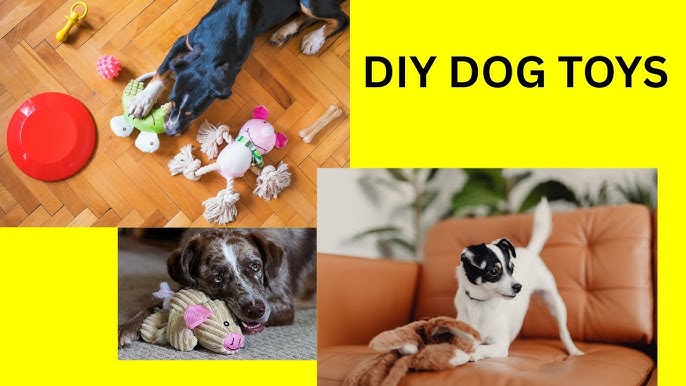
Are you looking for fun and easy ways to keep your pet happy and entertained? Making DIY pet toys is a great way to do just that.
Not only can you save money, but you’ll also create unique toys tailored to your pet’s likes and needs. Imagine your furry friend’s excitement when they get a new toy made just for them—something you crafted with your own hands! Keep reading, and you’ll discover simple steps and creative ideas to make safe, enjoyable toys that your pet will love.
Your pet’s next favorite toy is just a few easy moves away!

Credit: fakeginger.com
Benefits Of Diy Pet Toys
DIY pet toys offer many great benefits for both pets and owners. These toys provide a fun way to engage pets while saving money. Creating toys at home also allows owners to choose safe, eco-friendly materials. Each toy can fit the pet’s unique tastes and needs perfectly.
Cost Savings
Making pet toys at home costs much less than buying them. Many DIY toys use items already in the house. This reduces the need to spend on expensive store-bought toys. Saving money lets pet owners buy other important supplies.
Customization For Pets
DIY toys can be made to match each pet’s preferences. Size, texture, and shape can suit different animals. Pets with special needs get toys that fit their skills. Personalized toys keep pets more interested and active.
Eco-friendly Materials
Using recycled or natural materials helps the environment. Old clothes, fabric scraps, and safe household items work well. Eco-friendly toys reduce waste and avoid harmful plastics. This choice protects pets and the planet at the same time.
Essential Materials For Diy Toys
Gathering the right materials is the first step to making safe and fun DIY pet toys. Choosing items that are durable and non-toxic keeps your pet happy and healthy. Let’s look at the essentials you need to get started.
Safe Fabrics And Textiles
Opt for fabrics that won’t irritate your pet’s skin or cause allergic reactions. Cotton and fleece are soft, washable, and sturdy enough for playful chewing and tugging. Avoid fabrics with loose threads or synthetic fibers that can be harmful if swallowed.
Have you checked your old t-shirts or towels? These can be cut into strips and braided for tug toys. Using familiar scents on these fabrics can also comfort shy pets during playtime.
Household Items To Repurpose
Look around your home for items you can transform into pet toys. Empty plastic bottles make great crinkly toys if you remove the cap and label. Cardboard tubes from paper towels can be stuffed with treats or fabric scraps for interactive fun.
Just ensure these items don’t have sharp edges or small parts that could break off. What common item in your house could surprise your pet and keep them entertained for hours?
Non-toxic Adhesives And Paints
Use only pet-safe glues and paints to avoid poisoning. Non-toxic, water-based adhesives work well for attaching different materials. If you want to add color or patterns, choose paints labeled as safe for children, as they usually meet similar safety standards.
Test a small area first and let everything dry completely before giving the toy to your pet. Would you trust the toy to be safe enough to put in your own mouth? That’s a good rule of thumb for pet safety.
Simple Toy Ideas For Dogs
Simple dog toys can keep your pet happy and active. These toys cost little and use items found at home. Dogs enjoy toys that challenge their mind and body. Creating these toys yourself is fun and rewarding. Try these easy ideas to make your dog’s day.
Tug Ropes From Old T-shirts
Use old t-shirts to make a strong tug rope. Cut the shirts into long strips. Braid three strips tightly to form the rope. Tie knots at both ends to keep it secure. This toy is great for play and exercise. It also helps strengthen your dog’s teeth and jaws.
Treat-dispensing Bottles
Plastic bottles can become a fun treat dispenser. Remove the label and cap first. Cut small holes in the bottle, big enough for treats to fall out. Fill the bottle with dry dog treats. Let your dog roll and nudge the bottle to get treats. This toy keeps your dog busy and mentally active.
Sock Balls With Hidden Surprises
Old socks can turn into exciting ball toys. Place a small treat or a squeaker inside a sock. Tie a tight knot to close it. The hidden surprise inside will catch your dog’s attention. This soft ball is gentle on your dog’s teeth. Great for indoor play and fetch games.
Credit: thekindpet.com
Creative Toys For Cats
Craft simple pet toys using household items like paper, string, and fabric scraps. These DIY toys keep cats active and entertained while saving money. Creating playful toys at home is fun and easy for any cat owner.
Crafting creative toys for your feline friend can be a delightful and rewarding activity. Not only does it provide mental stimulation for your cat, but it also strengthens the bond between you and your pet. Let’s dive into some exciting DIY projects that will keep your cat entertained for hours.Feather Wands
Feather wands are a classic and exciting toy that can bring out the playful predator in any cat. To make one, all you need is a stick, some string, and colorful feathers. Simply tie the feathers to the string and secure it to the stick. As you wave the wand, watch your cat leap and pounce with joy. Feather wands are perfect for interactive play sessions. They encourage exercise and help keep your cat fit and healthy.Cardboard Mazes
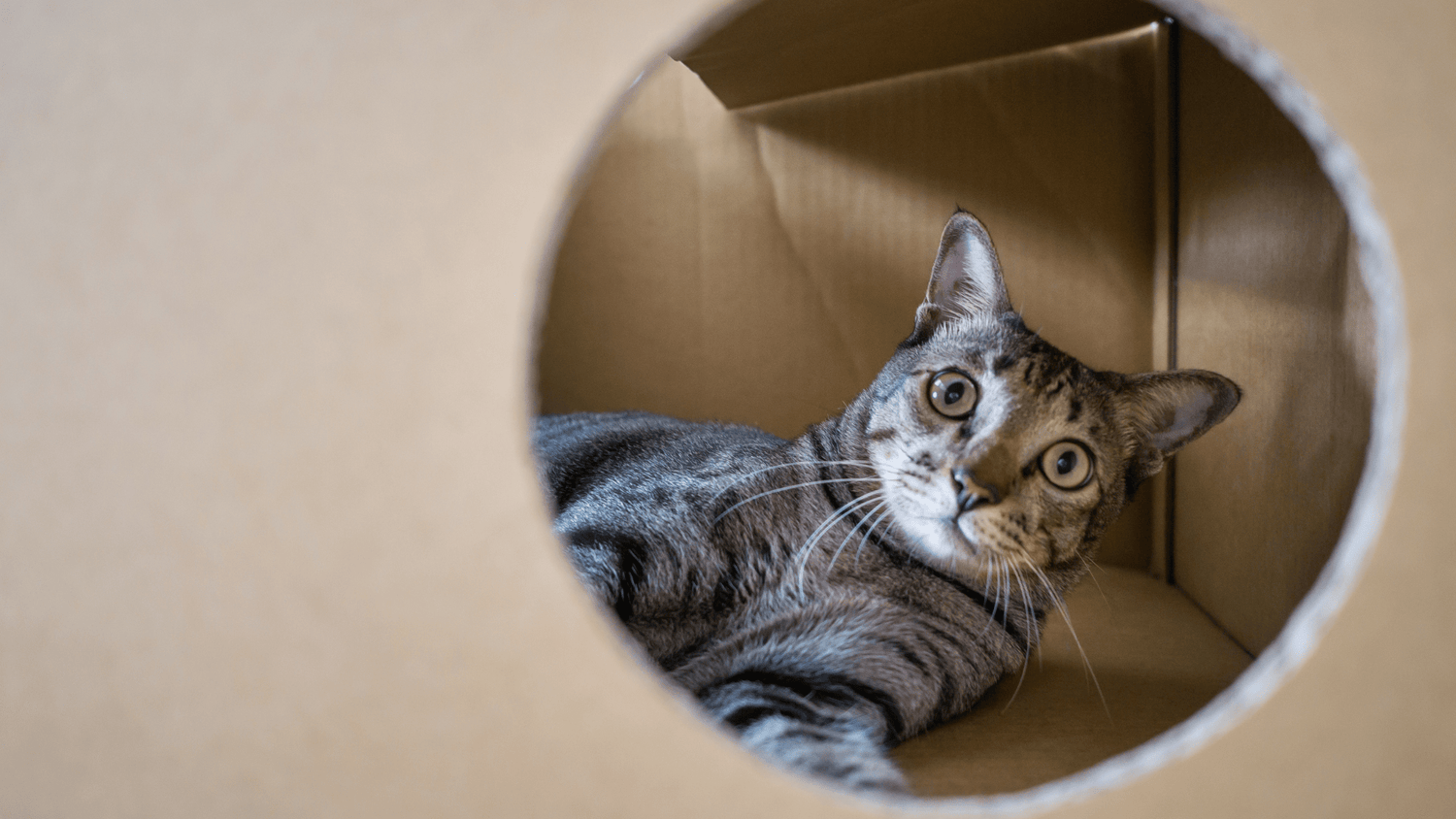
Cardboard mazes can turn any lazy afternoon into an adventure for your cat. Gather some cardboard boxes and cut openings to create tunnels and paths. Arrange them in a maze-like pattern. You can add small toys or treats inside to pique your cat’s curiosity. This toy not only stimulates their hunting instincts but also provides a cozy hideout. Experiment with different configurations to keep your cat engaged. It’s a great way to recycle those old boxes lying around.Yarn Pom-poms
Yarn pom-poms are simple to make and cats find them irresistible. All you need is some yarn and a pair of scissors. Wrap the yarn around your fingers several times, tie it in the middle, and cut the loops. Fluff the pom-pom and let your cat bat it around the house. This toy is lightweight and easy for cats to carry in their mouths. Consider making a variety of colors and sizes for added fun. Watching your cat chase these little balls of fluff can be as entertaining for you as it is for them. Creating your own cat toys can be a fun and fulfilling experience. Have you tried making any of these toys for your cat? Share your experiences and see which ones become your cat’s favorite!Toys For Small Pets
Small pets need toys that fit their size and keep them active. These toys help prevent boredom and encourage natural behaviors. Making your own pet toys saves money and ensures safety. Use simple, safe materials for fun and healthy play.
Chew Sticks From Natural Wood
Chew sticks help small pets keep their teeth healthy. Use untreated, natural wood like apple or willow. Cut sticks into small, safe sizes. Avoid wood treated with chemicals or paint. Let pets chew freely to reduce dental problems and stress.
Paper Tube Tunnels
Paper tube tunnels offer a fun space to explore and hide. Use empty toilet paper or paper towel rolls. Connect tubes with non-toxic glue or tape. Create different shapes for variety. These tunnels encourage exercise and curiosity.
Diy Hanging Toys
Hanging toys stimulate small pets’ minds and bodies. Use lightweight materials like fabric scraps or soft ropes. Attach toys to cage bars with safe clips or hooks. Add small bells or beads for sound. Change toys often to keep pets interested.
Safety Tips For Diy Pet Toys
Creating DIY pet toys is a fun and rewarding way to keep your furry friend entertained. But safety should always come first. Ignoring simple precautions can turn a playful moment into a risky one for your pet.
Avoiding Small Parts
Small parts can easily be swallowed or cause choking hazards. Always check that any buttons, beads, or other tiny decorations are securely attached or better yet, avoid using them altogether.
Think about your pet’s chewing habits. A toy that looks safe might break apart quickly if your pet is a strong chewer. Would you want to risk a trip to the vet over a toy?
Non-toxic Materials Only
Your pet will likely chew and lick their toys, so using non-toxic materials is essential. Avoid anything painted, treated with chemicals, or made from hazardous substances.
Simple materials like untreated cotton fabric, natural rubber, or food-safe silicone are safer choices. Have you ever checked labels on craft supplies to confirm they’re pet-safe?
Supervised Playtime
Even the safest toy can become dangerous if left unsupervised. Watch how your pet interacts with the toy, especially the first few times.
This helps you spot any signs of wear or unsafe behavior early. Could supervised playtime turn into an opportunity for bonding and training as well?
Maintaining And Cleaning Diy Toys
Maintaining and cleaning your DIY pet toys is essential to keep them safe and enjoyable for your furry friend. Regular care prevents the buildup of dirt, bacteria, and wear that can make toys unsafe. You’ll want to keep a close eye on your pet’s toys to ensure they last longer and stay fresh for playtime.
Washing Instructions
Many homemade pet toys can be washed easily, but it depends on the materials used. Fabric toys often do well in a gentle machine wash or hand wash with mild soap. Avoid harsh detergents and always air dry to keep fabrics from shrinking or losing shape.
For toys made from wood or rope, wiping them with a damp cloth and mild soap works best. Avoid soaking these as moisture can weaken the material. If your pet’s toy includes stuffing, make sure it dries completely to prevent mold.
Regular Inspection
Check your DIY pet toys regularly for any signs of damage like loose threads, cracks, or chewed edges. Pets can easily swallow small parts, which can be dangerous. Spotting these issues early protects your pet from choking hazards and keeps playtime safe.
Ask yourself: does the toy still look sturdy enough for your pet’s chewing habits? If not, it’s time to fix or retire the toy. Staying proactive will save you from unexpected vet visits.
Replacing Worn Parts
Some parts of DIY toys wear out faster than others, especially if your pet loves to chew. Replace frayed ropes, torn fabric, or broken pieces promptly. You can salvage much of the toy by swapping out just the damaged sections instead of making a new one.
Keep extra materials handy so you can quickly repair toys. This not only saves money but also keeps your pet happy with familiar playthings. How often do you find yourself throwing away toys that could have been fixed?
Credit: www.etsy.com
Frequently Asked Questions
What Materials Are Best For Diy Pet Toys?
Use safe, non-toxic materials like cotton fabric, fleece, and sturdy rope. Avoid small parts pets can swallow. Recycled items like old t-shirts and tennis balls work well. These materials ensure durability and safety for your pet during playtime.
How Can I Make Diy Pet Toys At Home?
Start by selecting pet-safe materials and simple designs. Cut fabric into shapes, stuff with soft filling, and sew securely. Use knots or braids with ropes for chew toys. Keep toys appropriate for your pet’s size and chewing habits.
Are Homemade Pet Toys Safe For Pets?
Yes, if you use non-toxic materials and avoid small parts. Always supervise your pet during play to prevent choking hazards. Regularly check toys for wear and replace if damaged. Homemade toys can be safe and fun with proper care.
How Do Diy Pet Toys Benefit My Pet?
DIY toys provide mental stimulation and physical exercise. They strengthen your bond through interactive play. Homemade toys can be customized for your pet’s preferences. They are cost-effective and environmentally friendly compared to store-bought toys.
Conclusion
Making DIY pet toys is fun and saves money. You can use simple materials found at home. These toys keep your pets happy and active. Plus, you control what goes into each toy. Try different ideas and see what your pet loves.
Remember to stay safe and check toys often. Enjoy the process and bond with your furry friend. Simple, creative toys bring joy to pets every day. Give it a try and watch your pet play!