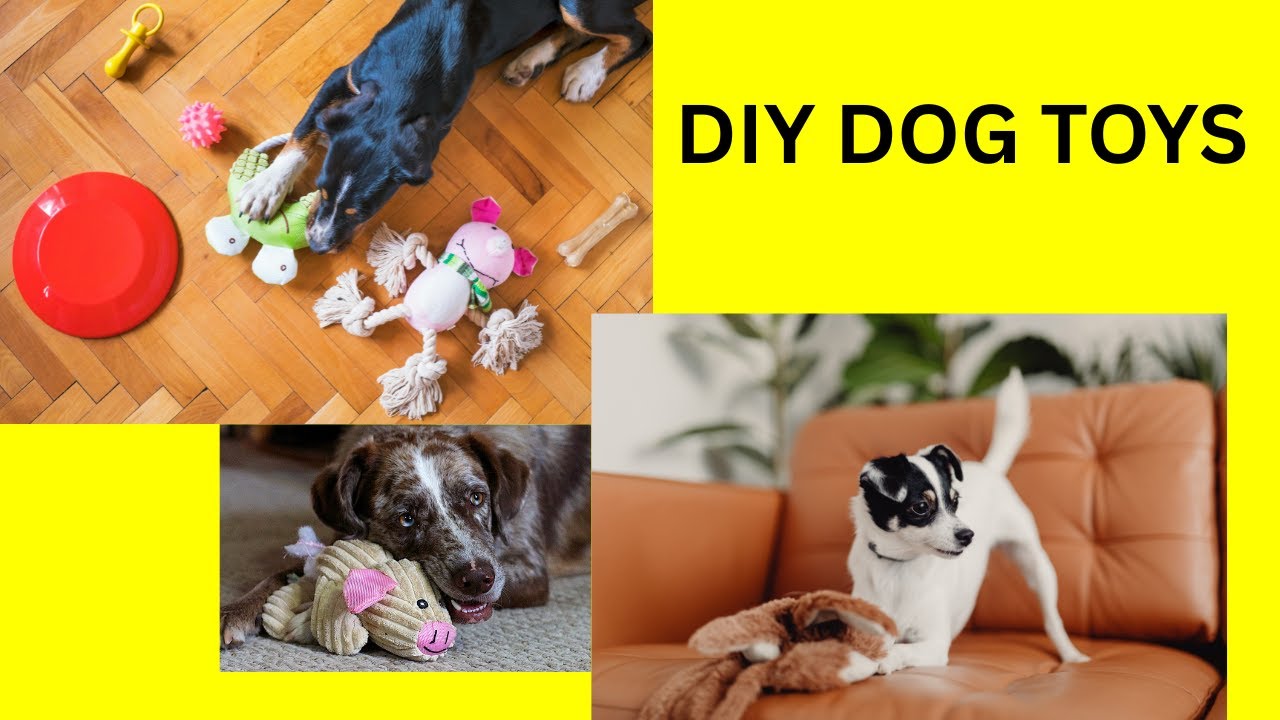
Are you looking for a fun and affordable way to keep your dog happy and entertained? Making DIY dog toys is easier than you think, and it lets you create safe, personalized playthings your furry friend will love.
Imagine the joy on your dog’s face when you surprise them with a toy made just for them—using simple materials you already have at home. You’ll discover easy steps to craft your own dog toys that save money, reduce waste, and strengthen the bond between you and your pet.
Ready to get started? Let’s dive in!

Credit: www.marymarthamama.com
Choosing Safe Materials
Choosing safe materials is the first and most important step in making DIY dog toys. The right materials keep your dog healthy and happy. Some fabrics and threads can harm dogs if chewed or swallowed. Small parts can be a choking hazard. Durability and washability help the toy last longer and stay clean.
Non-toxic Fabrics And Threads
Select fabrics that are free from harmful chemicals and dyes. Natural fabrics like cotton or fleece are soft and safe. Avoid synthetic fabrics with unknown chemicals. Use threads labeled non-toxic and strong enough to hold pieces together. Always check labels before buying.
Avoiding Small Parts
Small parts like buttons, beads, or plastic eyes can come off easily. Dogs can swallow these and choke or get sick. Instead, sew eyes and noses with thread. Use large, sturdy pieces that won’t break apart. Keep the toy simple to prevent hazards.
Durable And Washable Options
Dogs chew hard, so choose tough fabrics like denim or canvas. These last longer and resist tears. Washable materials keep toys clean and fresh. Regular washing removes dirt and germs. Make sure your toy can handle machine washing or easy hand washing.

Credit: fakeginger.com
Simple Diy Toys For Beginners
Creating simple DIY dog toys is a great way to keep your furry friend entertained without spending much money. These easy projects require minimal materials and basic skills, making them perfect for beginners. Plus, homemade toys can be customized to suit your dog’s size and chewing habits.
Tug-of-war Ropes
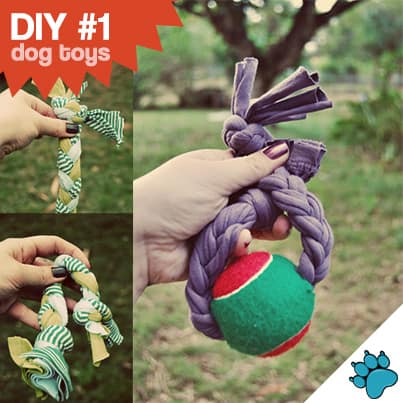
Tug-of-war ropes are a classic dog toy and super easy to make. Grab a few old t-shirts or fabric scraps and cut them into strips. Braid the strips tightly, then knot the ends to keep them secure.
This toy encourages physical activity and strengthens your bond with your dog. Have you noticed how much dogs love to tug and pull? A sturdy rope can handle their strength while being gentle on their teeth.
Sock Balls
Don’t toss out old socks just yet—they can become fun sock balls for your dog. Stuff a clean sock with crumpled paper or another sock, then tie a knot at the open end. You can even add a few treats inside to make it more exciting.
This toy is soft, safe, and perfect for gentle chewers or indoor play. Have you tried surprising your dog with a hidden treat inside a sock ball? Watch their curious nose in action!
Tennis Ball Treat Holders
Tennis balls can be transformed into treat holders with just a simple cut. Use scissors to carefully slice a small hole in the ball, just big enough to insert treats. Your dog will enjoy figuring out how to get the treats out.
This toy stimulates your dog’s mind and slows down fast eaters. Do you think your dog would enjoy the challenge of a treat-dispensing toy? It’s a fun way to keep their brain active while rewarding them.
Interactive Puzzle Toys
Interactive puzzle toys keep dogs busy and sharp. These toys challenge your dog’s mind and reward them with treats. They help reduce boredom and destructive behavior. Making your own interactive toys is fun and affordable. Use simple household items to create engaging puzzles.
Bottle Treat Dispensers
Use empty plastic bottles to make treat dispensers. Cut small holes in the bottle large enough for treats to fall out. Fill the bottle with your dog’s favorite small treats. Let your dog roll and nudge the bottle to get treats. The noise and movement keep dogs interested and active.
Cardboard Box Challenges
Grab an empty cardboard box for a simple puzzle toy. Place treats inside the box, then close it partially. Let your dog figure out how to open the box. Add layers of paper or smaller boxes for extra challenge. This toy encourages problem-solving and scent tracking skills.
Hidden Snack Mats
Create a hidden treat mat using fabric or fleece. Cut strips of cloth and tie them to a rubber mat or base. Hide treats inside the fabric folds. Your dog must sniff and dig through to find snacks. This toy stimulates natural foraging instincts and keeps dogs entertained.
Recycling Household Items
Recycling household items to make DIY dog toys is a smart way to save money and reduce waste. You probably have plenty of materials around your home that can easily turn into fun and safe toys for your furry friend. Plus, crafting these toys yourself lets you customize them to suit your dog’s size and chewing habits.
Old T-shirts And Jeans
Old t-shirts and jeans are perfect for creating durable, chewable toys. Cut the fabric into strips and braid them tightly to make tug toys or knots. These fabric toys are soft on your dog’s teeth yet tough enough for hours of play.
Have you noticed your dog loves to pull and shake toys? Braided t-shirt ropes offer just the right resistance. Plus, they’re washable, so you can keep them fresh and ready for the next play session.
Plastic Containers
Plastic containers can be transformed into treat-dispensing toys with minimal effort. Make sure to clean and remove any sharp edges before giving them to your dog. Poke holes in the container and fill it with kibble or small treats to challenge your dog’s problem-solving skills.
This kind of toy keeps dogs engaged and slows down their eating. It’s a simple way to add mental stimulation using something you would have thrown away otherwise. Just watch your dog the first time to make sure they don’t chew the plastic.
Unused Kitchen Towels
Unused kitchen towels are another great resource for making soft chew toys or fetch items. Fold and tie the towel into various shapes, like knots or rolls, for a toy that’s gentle on your dog’s mouth. They’re lightweight and easy to throw for a game of fetch indoors.
If your dog enjoys carrying toys around, these towel creations are perfect. You can even add a bit of scent by lightly spraying the towel with dog-safe herbs or essential oils. Would your dog prefer a toy that smells like you or the outdoors?
Customizing Toys For Your Dog
Customizing toys for your dog makes playtime more fun and safe. Each dog has unique needs and likes. Tailoring toys helps match those needs perfectly. This boosts your dog’s interest and keeps them happy. You can change size, texture, scent, and flavor. Also, include your dog’s favorite things. These small changes make a big difference in play.
Tailoring Size And Texture
Choose a size that fits your dog’s mouth and strength. Small dogs need smaller toys. Big dogs need bigger, tougher toys. Use soft fabrics for puppies and gentle chewers. Harder materials work for strong chewers. Mix textures like fuzzy, smooth, or rubbery. This keeps your dog curious and engaged.
Adding Scents And Flavors
Scent makes toys more exciting. Use natural smells like peanut butter, lavender, or vanilla. Avoid harmful or strong chemicals. Add flavors by stuffing toys with tasty treats. This encourages chewing and playing. Refresh scents often to keep toys interesting. Your dog will love toys that smell and taste good.
Incorporating Your Dog’s Preferences
Watch what your dog likes most. Favorite colors, shapes, and sounds matter. Some dogs like squeaky toys, others like ones that bounce. Include your dog’s favorite smells and tastes. Add familiar fabrics or old clothes for comfort. Personalizing toys shows you know your dog well. It makes playtime special and joyful.
Safety Tips During Playtime
Safety during playtime is very important for your dog’s health and happiness. DIY dog toys can be fun, but they must be safe to use. Keeping an eye on your dog and checking toys often helps prevent accidents. Follow these safety tips to make playtime enjoyable and secure.
Supervising Your Dog
Always watch your dog while playing with DIY toys. Some toys can break or have small parts that your dog might swallow. Supervision helps you stop play if the toy becomes unsafe. It also lets you see if your dog is playing too rough.
Regularly Inspecting Toys
Check your dog’s toys often for damage. Look for tears, loose threads, or broken pieces. Damaged toys can hurt your dog’s mouth or cause choking. Clean toys regularly to remove dirt and germs.
Replacing Worn-out Toys
Throw away toys that are old or very worn. Worn-out toys lose their shape and strength. They can break easily and cause injury. Replace them with new or freshly made DIY toys to keep playtime safe.
Benefits Of Diy Dog Toys
DIY dog toys offer numerous benefits for both you and your furry friend. Creating toys at home can be fun and rewarding. It allows you to customize toys to suit your dog’s preferences. Plus, it’s a great way to use materials you already have. Let’s explore some key benefits of making DIY dog toys.
Cost Savings
Buying dog toys can get expensive quickly. DIY toys save you money. Use items you already have at home. Old t-shirts, socks, or tennis balls can become fun toys. This reduces waste and saves money. You spend less while providing entertainment for your dog.
Creative Bonding Time
Making toys offers a chance to bond with your dog. Get creative and involve the whole family. Crafting together strengthens your connection. It becomes a shared experience. You learn more about your dog’s likes and dislikes. This time together is valuable and fun.
Mental And Physical Stimulation
DIY toys can challenge your dog’s mind and body. Create puzzles or interactive toys for mental exercise. Tug toys or fetch toys encourage physical activity. Keeping your dog active promotes good health. It also reduces boredom and destructive behavior.
Credit: pethero.co.za
Frequently Asked Questions
What Materials Are Best For Diy Dog Toys?
Safe, non-toxic materials like cotton, fleece, and rubber work best. Avoid small parts to prevent choking. Recycled fabrics and sturdy ropes are eco-friendly and durable options for homemade dog toys.
How Can I Make A Durable Diy Dog Toy?
Use strong fabrics like denim or canvas. Reinforce stitching and avoid weak spots. Incorporate knotted ropes or braided fabrics for extra toughness. Always supervise play to ensure safety.
Are Homemade Dog Toys Safe For Puppies?
Yes, if made with soft, non-toxic materials and no small parts. Use gentle fabrics and avoid hard or sharp objects. Supervise puppies during play to prevent accidents or choking hazards.
Can I Use Household Items For Diy Dog Toys?
Absolutely! Old t-shirts, socks, and tennis balls are great for making toys. Ensure items are clean and safe. Remove any parts that could be swallowed or cause harm.
Conclusion
Making DIY dog toys is fun and saves money. You can use simple materials found at home. These toys keep your dog happy and active. Always check toys for safety and durability. Creating toys yourself lets you choose what your dog likes.
Try different ideas and see what works best. Enjoy bonding with your pet through these creative projects. Simple steps lead to great playtime moments together.