Have you ever wondered why your dog seems glued to their puzzle toys, but you still hesitate to leave them alone with these games? You might think puzzle toys are the perfect way to keep your furry friend busy and happy when you’re not around.
But there’s more to it than just handing over a toy and walking away. Understanding why you can’t simply leave your dog with puzzle toys can save you from unexpected messes, stress, or even injury. Keep reading to discover what every dog owner needs to know before trusting these toys to entertain your pet solo.
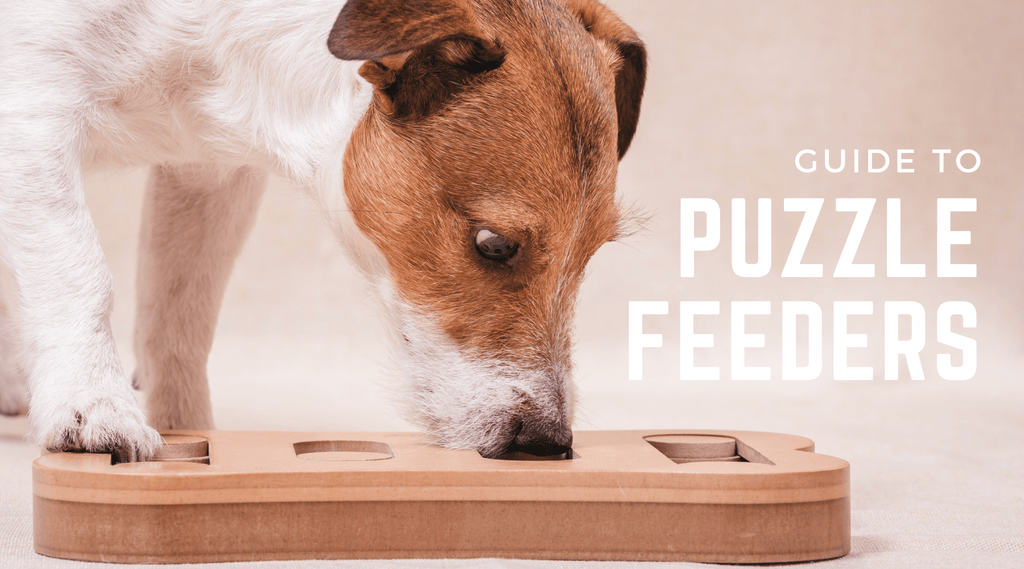
Credit: calmdoggames.com
Benefits Of Puzzle Toys For Dogs
Puzzle toys offer more than just fun for your dog—they provide essential benefits that support their overall well-being. These toys challenge your dog’s mind and body in ways that simple chew toys can’t. Understanding these benefits can help you choose the right puzzle toy and know when and how to use them effectively.
Mental Stimulation And Engagement
Dogs need mental exercise just like they need physical exercise. Puzzle toys keep their brains active by encouraging problem-solving and curiosity. When your dog figures out how to get a treat from a puzzle, it boosts their confidence and keeps their mind sharp.
Have you noticed how your dog perks up when faced with a new challenge? That excitement is a sign of engagement. Offering puzzle toys regularly can prevent boredom and help your dog stay alert and happy.
Slowing Down Eating Habits
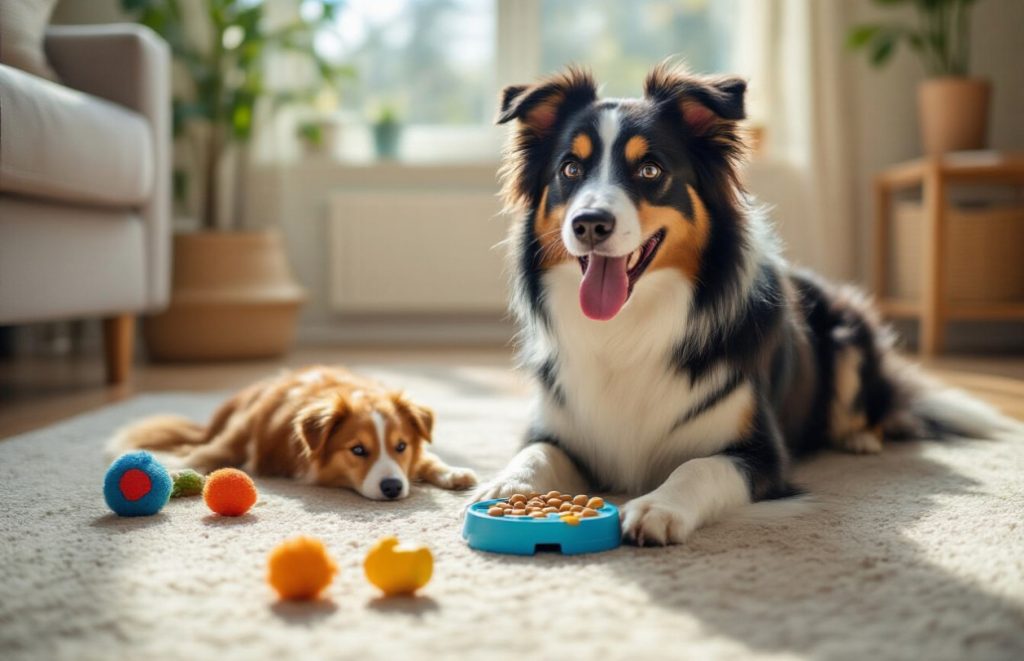
Many dogs eat too quickly, which can cause digestive issues or even choking hazards. Puzzle toys make mealtime more interactive by forcing your dog to work for their food. This slows down their eating pace naturally.
Slower eating helps your dog feel fuller longer and reduces the risk of upset stomachs. If your dog inhales their food, puzzle feeders can be a game changer for their health.
Reducing Anxiety And Boredom
Dogs often get anxious or bored when left alone or under-stimulated. Puzzle toys act as distractions that channel nervous energy into a constructive activity. This can lower stress levels and reduce destructive behaviors.
Think about times your dog has chewed furniture or barked excessively. Could a puzzle toy have kept them calm and occupied? These toys offer a safe way to manage anxiety and keep your dog content while you’re away.

Credit: www.holistapet.com
Hidden Risks Of Leaving Dogs Alone With Puzzle Toys
Puzzle toys can be a fantastic way to keep your dog entertained and mentally stimulated. However, leaving your dog alone with these toys carries hidden risks you might not have considered. Understanding these dangers is crucial to keeping your furry friend safe while they play.
Choking Hazards And Small Parts
Many puzzle toys contain small pieces designed to be removed or manipulated by your dog. If your pet chews aggressively, these parts can break off and pose a choking hazard.
Imagine your dog swallowing a tiny plastic piece or a loose treat compartment lid. This can block their airway or cause internal damage. Always check the toy’s durability and size before leaving it unattended.
Overexcitement Leading To Damage
Dogs often get very excited when playing with puzzle toys, especially if treats are involved. This excitement can turn into destructive behavior, like biting or shaking the toy too hard.
When your dog damages the toy, sharp edges or broken parts may form, creating new risks. Have you noticed your dog’s energy spike with certain toys? Monitor how they interact and consider supervised playtime instead.
Potential For Toxic Materials
Not all puzzle toys are made from safe, non-toxic materials. Some cheaper options contain harmful chemicals or paints that can be dangerous if ingested.
Check labels for non-toxic certifications and opt for high-quality, vet-approved products. Your dog’s health depends on the safety of the materials they come in contact with during play.
Common Mistakes With Puzzle Toys
Puzzle toys can be a great way to keep dogs busy and mentally active. Yet, many dog owners make mistakes that reduce their effectiveness. These errors can cause frustration for both the dog and owner. Understanding common pitfalls helps improve your dog’s experience with puzzle toys.
Many owners expect too much or too little from these toys. Dogs need the right challenge level and some supervision. Puzzle toys should be part of a varied routine, not the only activity. Avoiding these mistakes helps keep your dog safe and happy.
Choosing The Wrong Difficulty Level
Picking a toy that is too hard can discourage your dog quickly. Too easy, and the toy loses its challenge and interest. Start with a simple puzzle and increase difficulty slowly. Watch your dog’s reactions and adjust accordingly. The right level keeps your dog engaged and motivated.
Ignoring Supervision Needs
Dogs can get stuck or frustrated without help. Some puzzle toys have small parts that can be swallowed. Always watch your dog the first few times they use a new toy. Supervision helps prevent accidents and teaches your dog how to play. Never leave your dog alone with a puzzle toy right away.
Using Puzzle Toys As The Only Activity
Puzzle toys should not replace walks, playtime, or social interaction. Dogs need physical exercise and time with their owners. Relying only on puzzle toys can lead to boredom and behavior issues. Use puzzle toys as a part of a balanced daily routine. Mix them with other activities to keep your dog well-rounded and happy.
Signs Your Dog Struggles With Puzzle Toys
Dogs are known for their intelligence and curiosity, making puzzle toys a popular choice for mental stimulation. However, not every dog takes to these toys with enthusiasm. Understanding the signs that your dog struggles with puzzle toys can help you choose better alternatives and ensure their playtime is both fun and beneficial. Identifying these signs can also prevent unwanted behaviors and keep your pet happy.
Frustration And Aggression
Does your dog growl or snap when trying to solve a puzzle toy? This could be a sign of frustration. When dogs can’t figure out a puzzle, they might express their annoyance through aggressive behavior.
If you notice your dog becoming agitated, it’s time to step in. Try simplifying the puzzle or offering a different type of toy. You might be surprised at how a little adjustment can make a big difference in their mood.
Lack Of Interest Or Fear
Some dogs simply show no interest in puzzle toys. They might sniff it once and walk away. This could be due to past negative experiences or simply a lack of understanding.
In some cases, your dog might even seem afraid of the toy. This fear can stem from the noise or movement of the puzzle. Consider starting with simpler, quieter toys to build their confidence.
Destructive Behavior
Does your dog chew apart the puzzle instead of solving it? This destructive behavior is a clear indicator that the toy is too challenging. Rather than stimulating their mind, it’s becoming a source of frustration.
Observe your dog closely. Are they trying to get to the treat inside by any means necessary? If so, switch to toys with fewer steps or larger openings to help them succeed.
Recognizing these signs can help you tailor your dog’s playtime to their needs. Remember, the goal is to engage and entertain, not to frustrate or intimidate. What adjustments will you make to ensure your dog enjoys their toys?
Safe Ways To Introduce Puzzle Toys
Introducing puzzle toys to your dog can be a game-changer for their mental stimulation and boredom relief. However, not all dogs take to these toys immediately, and some may even become frustrated or anxious. To ensure your dog enjoys puzzle toys safely and effectively, it’s important to introduce them thoughtfully and patiently.
Starting With Simple Toys
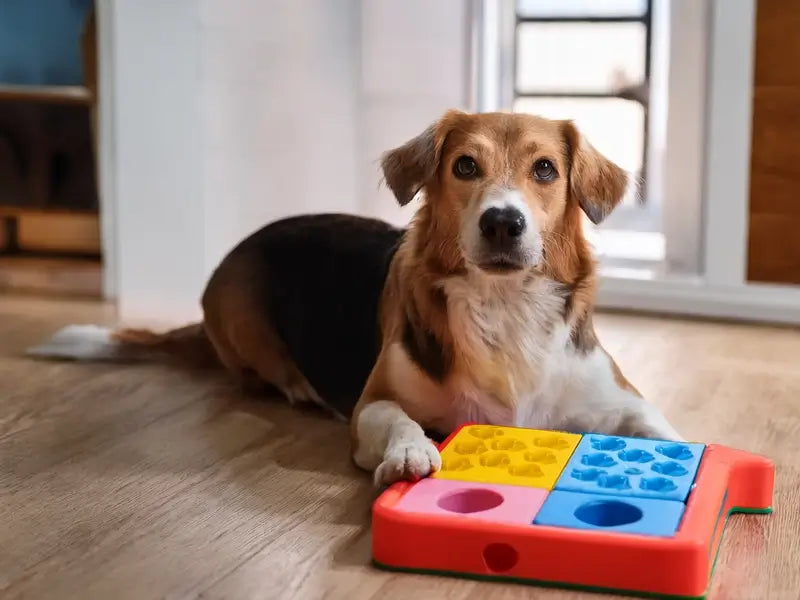
Begin with puzzle toys that have easy mechanics. Toys where your dog just needs to nudge or flip a lid to get a treat work well as first steps.
This helps your dog understand the concept without feeling overwhelmed. Have you noticed how your dog’s tail wags when they finally get that treat? That’s the confidence boost you want to build.
Supervised Play Sessions
Always watch your dog the first few times they play with a new puzzle toy. Supervision helps you see if they’re frustrated or if the toy is safe.
If your dog starts chewing on parts they shouldn’t, you can intervene immediately. Plus, you can encourage and guide them, turning playtime into a bonding experience.
Gradually Increasing Complexity
Once your dog masters simple puzzles, slowly introduce more challenging toys. This keeps their brain engaged without causing stress.
Mix up the types of puzzles to keep things fresh. Have you tried rotating toys weekly to maintain your dog’s interest? It’s a simple way to keep their mind sharp and happy.

Credit: www.companionanimalpsychology.com
Alternatives To Leaving Dogs Alone With Puzzle Toys
Leaving your dog alone with puzzle toys might seem like a perfect way to keep them busy, but it’s not always the safest or most effective choice. Dogs need more than just mental stimulation—they require interaction, physical activity, and social engagement to stay happy and healthy. Luckily, there are several alternatives that can provide a richer experience for your furry friend while ensuring their well-being.
Interactive Playtime With Owners
Spending quality time playing with your dog strengthens your bond and keeps their mind sharp. Try games like fetch, tug-of-war, or hide-and-seek to engage them physically and mentally. You’ll notice how their excitement grows when you’re actively involved, and it helps prevent feelings of loneliness or anxiety.
Think about how your dog reacts when you bring out a ball or a favorite toy—does their energy spike? Use that moment to build a routine of interactive sessions throughout the day. These moments can be short but frequent, making a big difference in their overall happiness.
Other Engaging Toys And Activities
If puzzle toys aren’t ideal when you’re away, consider alternatives that offer variety and safety. Durable chew toys, treat-dispensing balls, or safe interactive gadgets can keep your dog entertained without the risk of frustration or damage. Rotating toys regularly also keeps their interest fresh and prevents boredom.
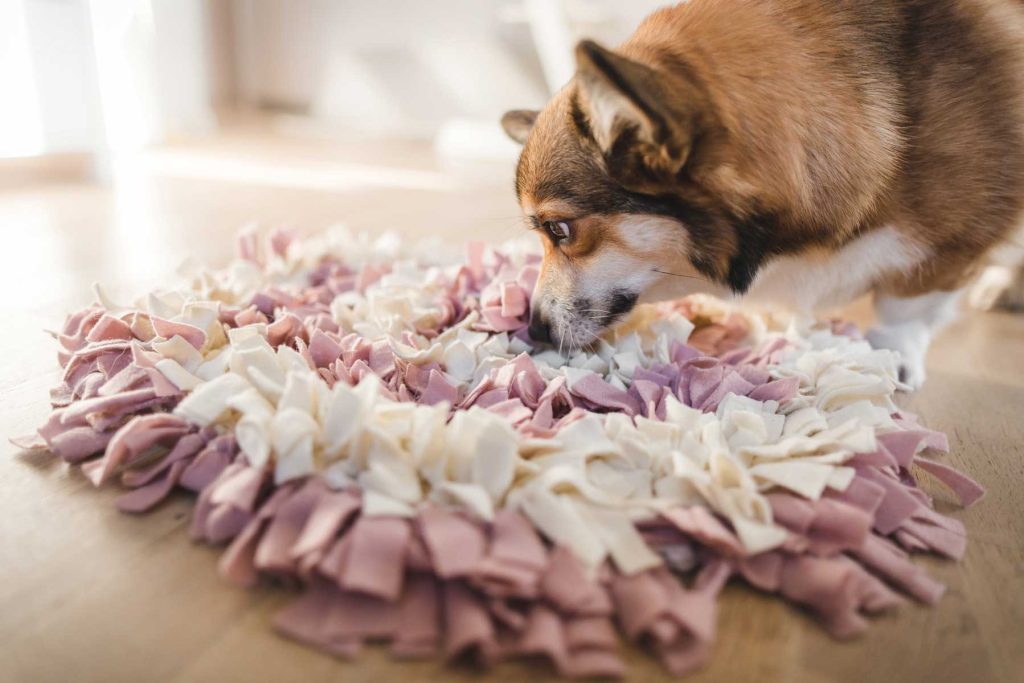
Besides toys, activities like short training sessions or scent games can challenge your dog’s brain in a positive way. Have you tried hiding treats around the house for them to find? This simple game taps into their natural instincts and provides mental stimulation without the need for constant supervision.
Professional Dog Daycare Options
Leaving your dog at a professional daycare offers social interaction and physical exercise under expert care. Many daycares provide structured playtime, socialization with other dogs, and supervised activities that keep your pet safe and engaged. This environment can be particularly beneficial for high-energy dogs or those who struggle with being alone.
Consider visiting local daycares to see how they operate and ask about their safety measures. Does your dog enjoy meeting new dogs? If so, daycare might be the perfect solution to prevent loneliness and destructive behaviors when you’re not home.
Frequently Asked Questions
Why Can’t I Leave My Dog Alone With Puzzle Toys?
Leaving your dog alone with puzzle toys can lead to frustration or damage. Some dogs may chew or swallow parts, risking choking or injury. Supervision ensures safety and helps guide your dog to solve the puzzle properly.
Are Puzzle Toys Safe For All Dog Breeds?
Puzzle toys vary in difficulty and durability. Some breeds are more aggressive chewers and may destroy toys quickly. Choose toys suited to your dog’s size, chewing strength, and skill level to ensure safe and effective play.
How Do Puzzle Toys Benefit My Dog’s Behavior?
Puzzle toys stimulate your dog’s mind and reduce boredom. They encourage problem-solving and slow down eating habits. This mental exercise helps reduce destructive behavior and anxiety when used properly and supervised.
Can Puzzle Toys Replace Human Interaction For Dogs?
Puzzle toys are supplements, not replacements, for human interaction. Dogs need socialization, exercise, and bonding time with their owners. Puzzle toys provide mental engagement but do not fulfill emotional and social needs fully.
Conclusion
Dogs need more than just puzzle toys to stay happy. They require attention, exercise, and care from their owners. Leaving a dog alone with puzzle toys can cause stress or boredom. Dogs may also chew or break the toys if left too long.
It is best to use puzzle toys as part of playtime, not as a full solution. Always watch your dog when using new toys. This helps keep them safe and healthy. Remember, your dog loves you and needs your time more than just toys.