Have you ever wondered if puzzle toys can really tire your dog out? You might think only long walks or rough play can exhaust your furry friend.
But what if a simple toy could challenge their mind and body at the same time? Puzzle toys do more than just entertain—they can help drain your dog’s energy in surprising ways. Keep reading to discover how these clever toys work and why they might be the secret to a calmer, happier pup.
How Puzzle Toys Engage Dogs
Puzzle toys are more than just fun objects for dogs. They keep dogs busy by making them think and move. These toys challenge dogs in ways that simple fetch or tug games cannot. Dogs use their brains and bodies together to solve puzzles and get rewards. This combination helps tire dogs out effectively and safely.
Mental Challenge And Stimulation
Puzzle toys force dogs to solve problems. Dogs must figure out how to get treats hidden inside. This thinking process uses their brain power and focus. It stops boredom and reduces bad behavior caused by restlessness. Dogs feel proud and happy when they solve a puzzle. This positive feeling encourages them to try again and learn more.
Physical Interaction And Activity
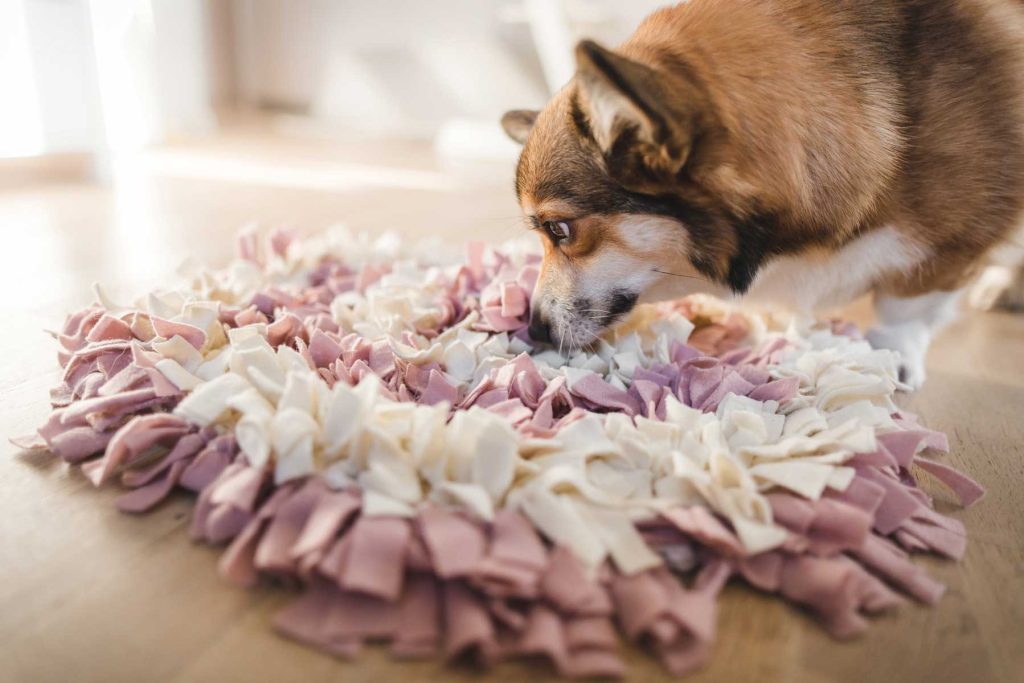
Dogs use paws, nose, and sometimes teeth to move parts of puzzle toys. This physical effort burns energy and keeps muscles active. Some puzzles require pushing, sliding, or lifting pieces. These actions increase a dog’s movement without rough play. The mix of thinking and moving makes dogs tired faster. It also helps dogs stay fit and healthy.
Energy Levels And Puzzle Play
Energy levels in dogs can vary widely, especially when you introduce puzzle toys into their routine. These toys challenge your dog’s brain, but how does that mental workout compare to physical exercise? Understanding the differences can help you better manage your dog’s activity and avoid overstimulation or exhaustion.
Mental Fatigue Vs. Physical Fatigue
Mental fatigue happens when your dog’s brain works hard to solve a puzzle. This can be surprisingly tiring because it requires focus, problem-solving, and sometimes trial and error. Unlike physical fatigue, your dog might not show obvious signs like panting or heavy breathing.
Physical fatigue, on the other hand, comes from running, jumping, or playing fetch. These activities burn energy through movement and muscle exertion. Puzzle toys tap into a different kind of energy depletion, which is more about concentration than physical effort.
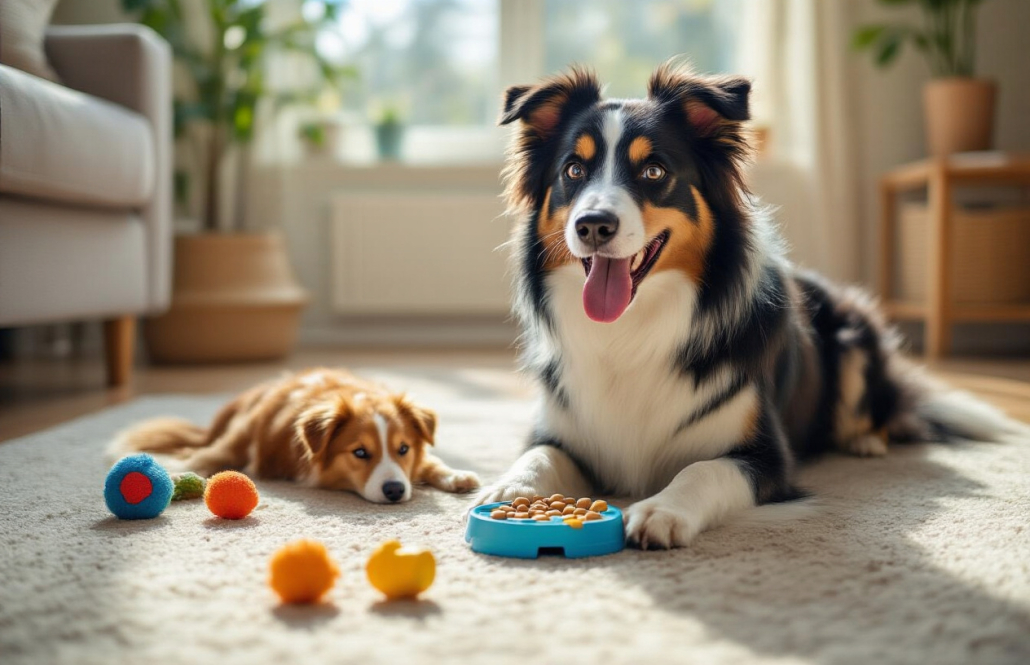
Have you noticed your dog lying quietly after a puzzle session, even if they didn’t run around? That calmness is a clear sign of mental fatigue. It’s important to balance both types of fatigue to keep your dog happy and healthy.
Signs Of Tiredness After Puzzle Play
Dogs show tiredness from puzzle play in ways that might be easy to miss. Look for signs like:
- Reduced interest in toys or games
- Longer naps or resting periods
- Slower movements or less enthusiasm during walks
- Occasional yawning or blinking more often
Sometimes, your dog might seem restless but actually be mentally drained. This can cause irritability or even slight anxiety. Recognizing these subtle clues helps you know when to give your dog a break or switch to physical play.
Have you tried mixing puzzle toys with physical exercise? Observing your dog’s energy shifts can reveal what type of activity tires them out best. This insight allows you to tailor their playtime for maximum benefit without overdoing it.
Choosing The Right Puzzle Toy
Choosing a puzzle toy that matches your dog’s skill and energy helps keep them busy and tired. These toys challenge their mind and body, using up energy in a fun way. Picking the right level avoids frustration and keeps your dog interested.
Choosing the right puzzle toy for your dog can be a game-changer in keeping them engaged and mentally stimulated. It’s not just about picking any toy off the shelf; it’s about finding one that suits your dog’s unique needs and abilities. Whether you have a curious puppy or a wise old friend, the right puzzle toy can be both fun and challenging.Matching Toy Difficulty To Dog’s Skill
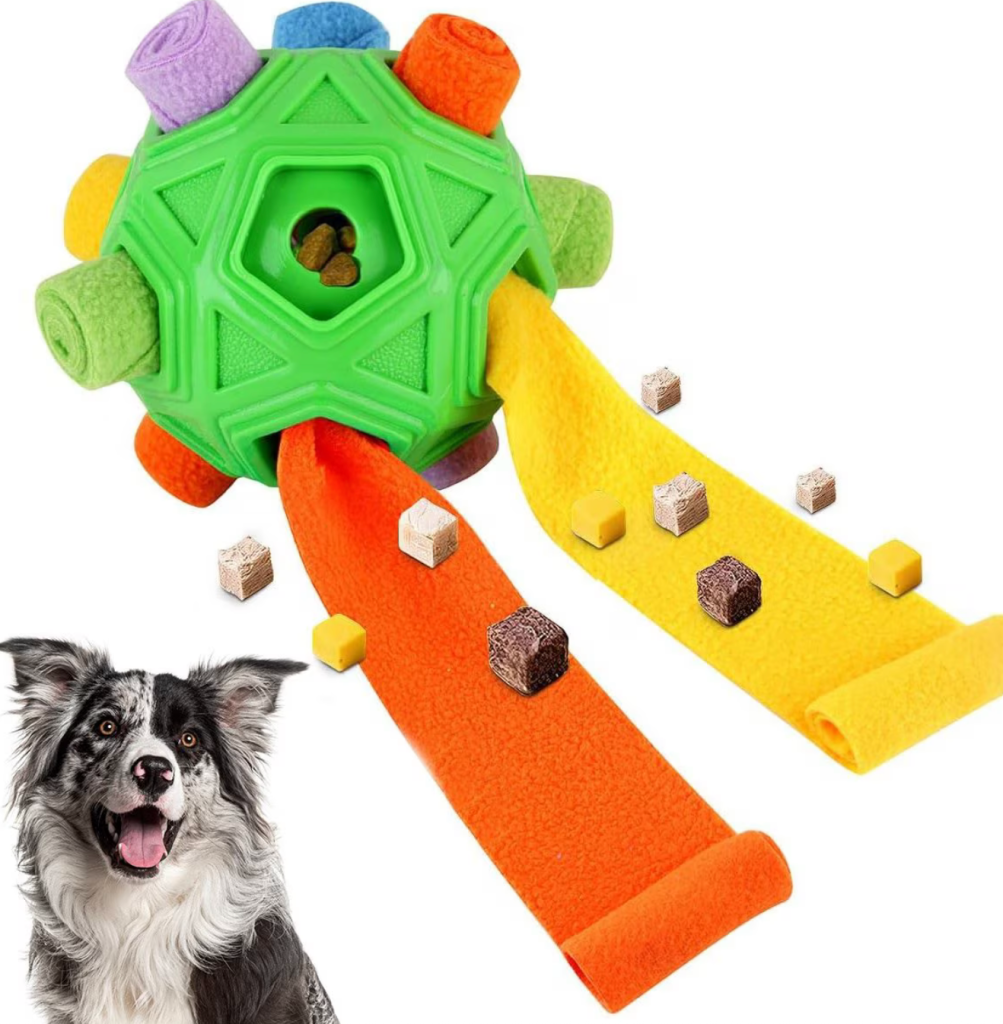
Understanding your dog’s skill level is crucial in selecting the ideal puzzle toy. A beginner might enjoy something simple, like a toy that dispenses treats with a nudge. More advanced pups might need something complex to keep them entertained, like a multi-step puzzle. Observe how your dog interacts with toys. Do they solve puzzles quickly, or do they lose interest? This will guide you in choosing a toy that provides just the right amount of challenge without causing frustration.Materials And Durability Considerations
The material of the puzzle toy is as important as its design. Durable materials like rubber and tough plastics are great for heavy chewers, ensuring the toy lasts longer. For dogs with gentler play styles, softer materials might be more suitable. Consider your dog’s chewing habits. Are they aggressive chewers, or do they handle toys gently? Matching the toy’s material to their play style will not only prolong the toy’s life but also keep your dog safe and engaged. Selecting a puzzle toy isn’t just about keeping your dog busy; it’s about enriching their life. What type of toy will challenge your dog while ensuring they have fun?
Credit: www.youtube.com
Incorporating Puzzle Toys Into Routine
Incorporating puzzle toys into your dog’s daily routine can boost their mental strength and reduce boredom. These toys challenge dogs to think and solve problems, which helps tire them out mentally. Setting a routine with puzzle toys keeps your dog engaged and calm throughout the day.
Balancing Puzzle Play With Exercise
Mental and physical activities work best together. Puzzle toys stimulate the brain but do not replace walks or playtime. Combine puzzle sessions with physical exercise for a well-rounded routine. For example, after a walk, offer a puzzle toy to relax your dog’s mind. This balance prevents over-exertion and keeps your dog healthy.
Creating Consistent Play Sessions
Consistency helps dogs expect and enjoy puzzle time. Set specific times each day for puzzle play. Short sessions of 10 to 15 minutes work well. Rotate different puzzle toys to keep things fresh and exciting. This habit builds a positive routine and helps your dog stay focused and content.
Benefits Beyond Tiring Dogs Out
Puzzle toys do more than just tire dogs out. They offer important mental and emotional benefits. These toys keep dogs active and engaged in ways that simple exercise cannot. This helps improve their overall well-being and happiness.
Reducing Boredom And Anxiety
Puzzle toys keep dogs busy during quiet or lonely times. They stop dogs from feeling bored or restless. This helps reduce anxiety and stress in many dogs. Dogs focus on the challenge, which calms their mind. This can prevent destructive behaviors caused by boredom.
Improving Problem-solving Skills
These toys challenge dogs to think and solve problems. Dogs learn to figure out how to get treats or hidden objects. This builds their confidence and mental sharpness. Over time, dogs become better at handling new situations. Puzzle toys help dogs stay mentally fit and curious.

Credit: www.smartbark.co.uk
Tips For Maximizing Puzzle Toy Effectiveness
Maximizing the effectiveness of puzzle toys helps keep dogs engaged and mentally sharp. It also boosts their problem-solving skills and reduces boredom. Puzzle toys should challenge your dog without causing frustration. This balance keeps playtime fun and rewarding.
Introducing New Challenges Gradually
Start with simple puzzles that match your dog’s skill level. Allow them to get comfortable with easy tasks before increasing difficulty. Gradual challenges prevent stress and build confidence. Change puzzles slowly to maintain interest and excitement. New challenges keep your dog curious and motivated to play.
Monitoring Dog’s Response And Adjusting
Watch your dog closely during play. Notice signs of frustration or boredom. If your dog loses interest quickly, try a different puzzle or reward. If your dog struggles too much, simplify the task. Adjusting the difficulty makes puzzle time enjoyable and productive. Always respond to your dog’s needs and mood.
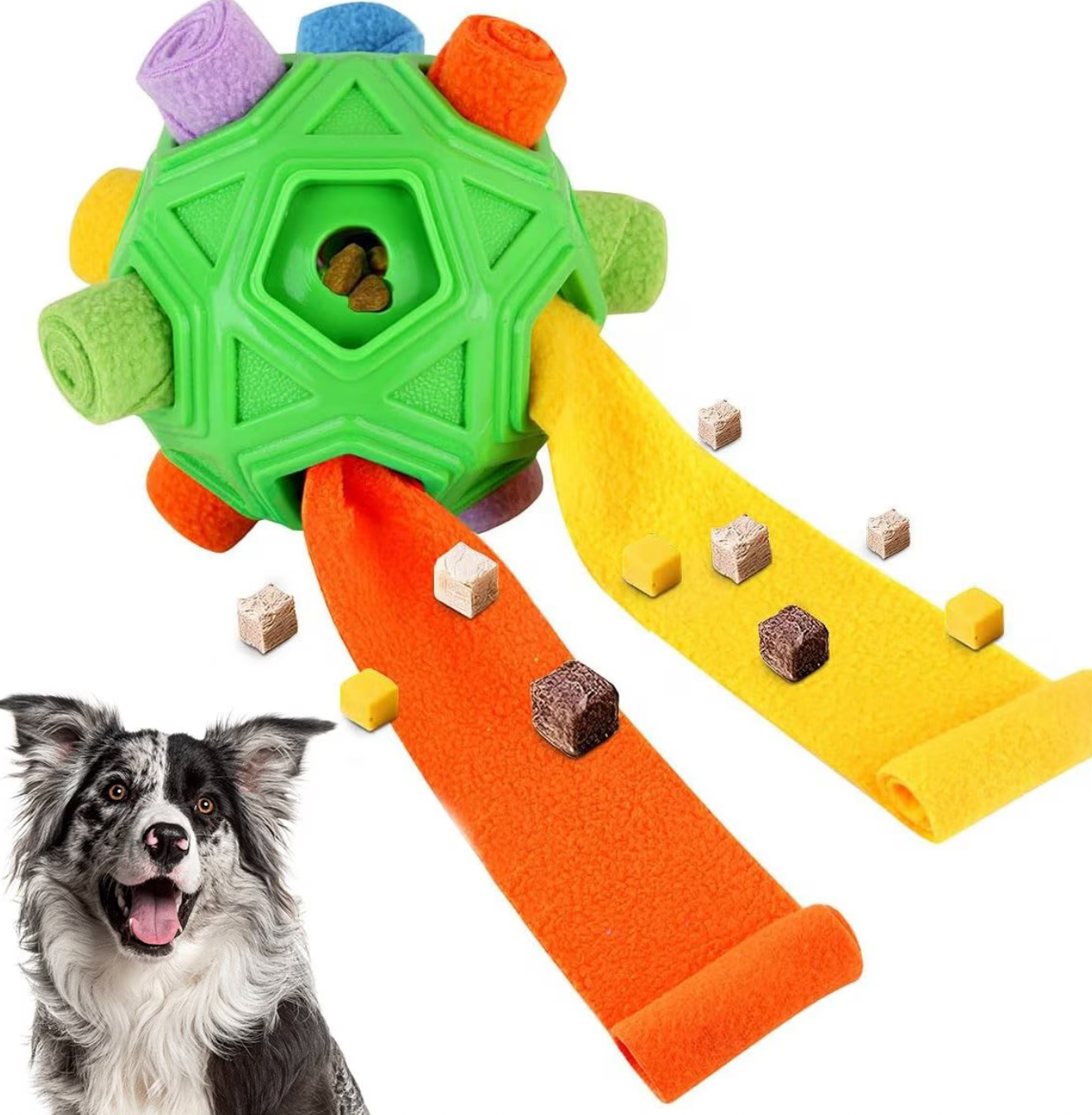
Credit: www.buzzfeed.com
Frequently Asked Questions
Do Puzzle Toys Help Tire Dogs Physically?
Puzzle toys mainly engage dogs mentally, but mental exercise can also reduce physical energy. They keep dogs active by stimulating their brains, which helps tire them out indirectly.
How Do Puzzle Toys Affect A Dog’s Energy Levels?
Puzzle toys challenge a dog’s problem-solving skills, promoting mental fatigue. This mental tiredness often translates to calmer behavior and less physical hyperactivity.
Can Puzzle Toys Reduce Destructive Behavior In Dogs?
Yes, puzzle toys occupy dogs by providing mental stimulation. This engagement helps reduce boredom and destructive behaviors caused by excess energy or anxiety.
How Long Should Dogs Play With Puzzle Toys Daily?
Aim for 15-30 minutes of puzzle play daily. Short, frequent sessions keep dogs interested and mentally stimulated without causing frustration or exhaustion.
Conclusion
Puzzle toys help dogs use their brains and bodies. This makes them feel tired and happy. Dogs stay busy and less bored with these toys. They also learn to solve problems on their own. Giving dogs puzzle toys can improve their mood and behavior.
Try different puzzles to find what your dog enjoys most. Keep playtime fun and safe for best results. Puzzle toys are a great way to keep dogs active indoors. They help dogs relax after exercise or a long walk. Overall, puzzle toys support both mental and physical health in dogs.