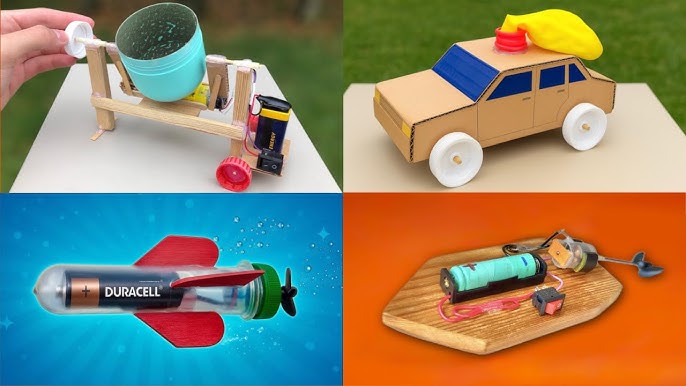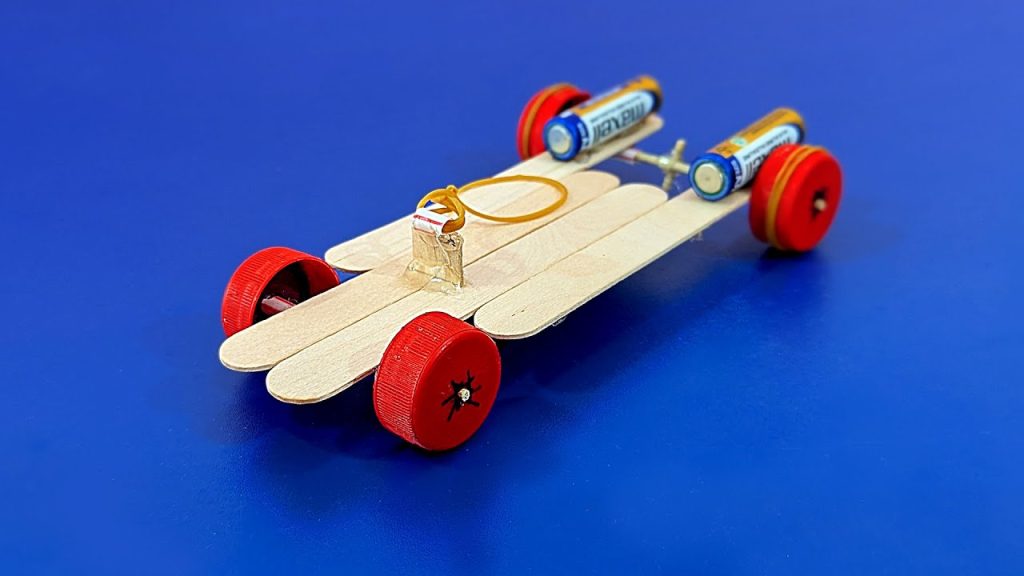
Looking for the best materials to create fun and safe DIY toys? You want your kids to enjoy playtime while you save money and reduce waste.
But with so many options out there, it can be confusing to know what to use. What if you could find simple, everyday items that spark creativity and keep your little ones entertained for hours? Keep reading, because we’ll show you exactly what you need to make toys that are both fun and easy to build.
Your next favorite DIY project starts here!
Basic Craft Supplies
Basic craft supplies form the foundation of many DIY toy projects. These materials are easy to find and budget-friendly. They allow creativity to flow without complicated tools. Using simple supplies helps kids and adults make fun, personalized toys.
Start with materials that are safe and versatile. These supplies work well for different types of toys. They are perfect for cutting, shaping, and decorating. Basic craft supplies make the DIY process smooth and enjoyable.
Paper And Cardboard
Paper and cardboard are popular choices for DIY toys. They are lightweight and easy to cut into shapes. Cardboard adds strength to paper crafts. Use colored paper or decorate plain sheets with markers and stickers.
- Cardboard boxes for building structures
- Construction paper for colorful designs
- Origami paper for folding toys
- Recycled paper for eco-friendly projects
These materials are great for making puzzles, masks, and paper dolls. Paper and cardboard encourage imaginative play and learning.
Fabric And Felt
Fabric and felt bring softness and texture to DIY toys. Felt is easy to cut and does not fray. Fabric scraps can add color and patterns. These materials work well for stuffed toys and small accessories.
- Felt sheets for simple shapes
- Old clothes for recycled fabric
- Needle and thread for sewing
- Stuffing material for plush toys
Using fabric and felt adds a cozy feel to handmade toys. They are perfect for sensory and tactile play.
Glue And Tape
Glue and tape hold toy parts together. Choose the right type for each material. White glue works well for paper and cardboard. Fabric glue sticks fabrics without sewing. Tape is quick and easy for temporary bonds.
- White glue for paper crafts
- Fabric glue for textile projects
- Double-sided tape for clean sticking
- Masking tape for painting and holding
Strong adhesion makes toys durable and safe. Glue and tape are essential for building and decorating DIY toys.
Recycled Materials
Using recycled materials for DIY toys is a smart and eco-friendly choice. It saves money and helps reduce waste in your home. Plus, it gives you a chance to get creative with items you might otherwise throw away.
Plastic Bottles And Caps
Plastic bottles are versatile and easy to find. You can turn them into rattles by adding rice or beans inside. Just secure the cap tightly to keep the contents from spilling.
Caps can be used as game pieces or glued together to create colorful mosaics. Have you tried making a bowling set with bottles and caps? It’s a fun way to recycle and play at the same time.
Old Socks And Clothes
Old socks make excellent puppets with just a few simple additions like buttons for eyes and yarn for hair. You don’t need to be an expert sewer; even basic stitches can bring your puppet to life.
Cutting old t-shirts into strips can create soft, braided jump ropes or tug toys for pets. What’s in your closet that could become a new favorite toy?
Cardboard Boxes
Cardboard boxes offer endless possibilities. A large box can become a playhouse or a car for imaginative play. Smaller boxes can be stacked to build towers or used as storage for other toys.
Use markers, stickers, or paint to decorate the boxes. How can you transform a simple box into something exciting for your child to explore?
Natural Elements
Natural elements offer a wonderful way to create DIY toys. They are easy to find and safe to use. These materials inspire creativity and connect children to nature. Using natural elements encourages imaginative play without extra cost.
Wood And Twigs
Wood and twigs make excellent materials for building simple toys. Kids can create miniature houses, cars, or animals using these items. They are sturdy and easy to paint or decorate. Twigs can also be tied together to form shapes or frames. Always choose dry, clean pieces to avoid splinters.
Rocks And Pebbles
Rocks and pebbles are perfect for sensory play and counting games. They come in many shapes, sizes, and colors. Smooth pebbles work well for stacking or creating patterns. Larger rocks can be used for balance games or as natural toy seats. Wash them before use to keep toys clean and safe.
Leaves And Flowers
Leaves and flowers add color and texture to homemade toys. Pressed leaves can decorate cards or collages. Flowers make lovely crowns or bracelets. Children enjoy sorting different leaf shapes or flower types. These materials are biodegradable and easy to replace after use.
Credit: edgeearlylearning.com.au
Household Items
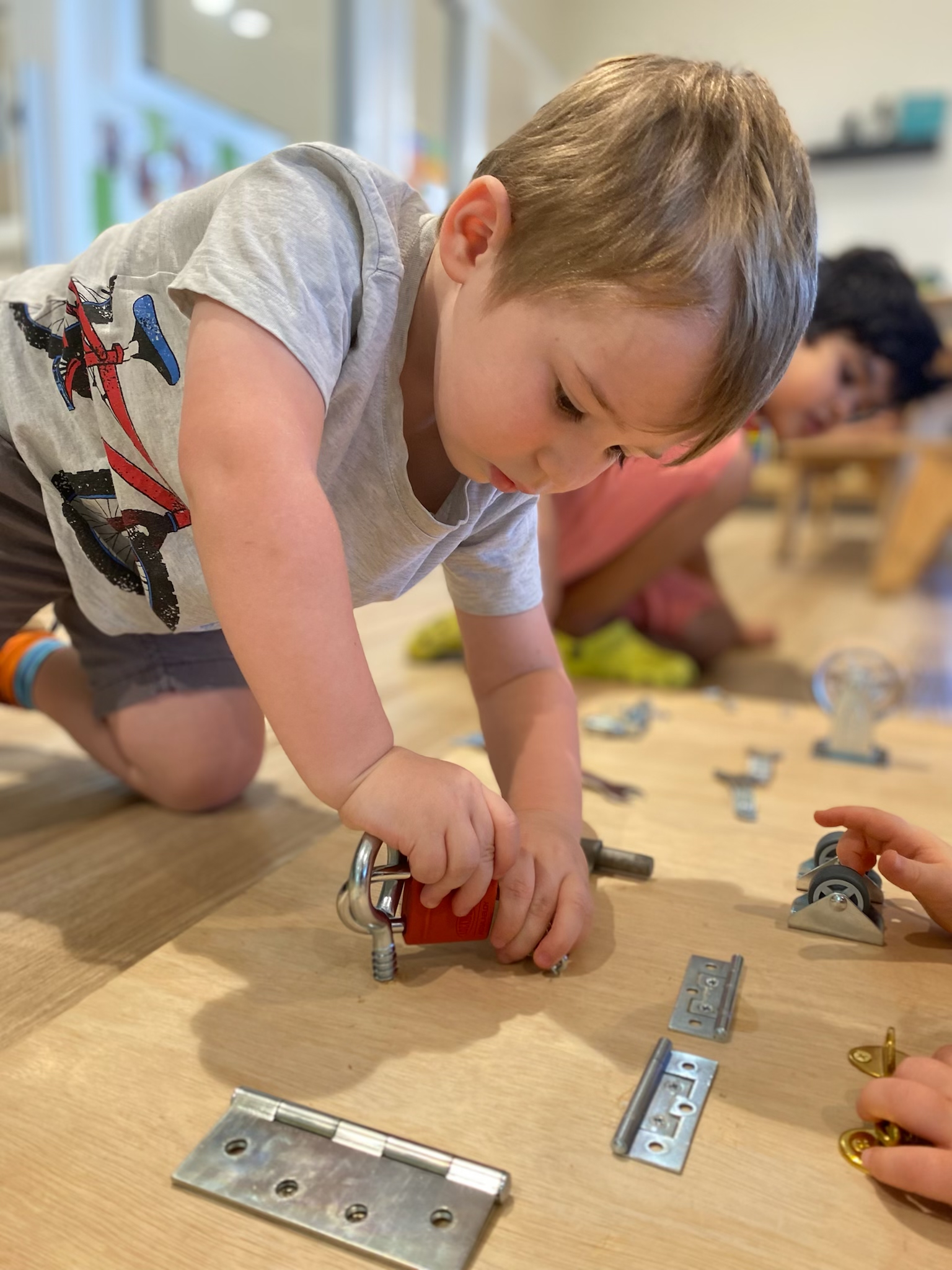
Old jars, cardboard boxes, and fabric scraps make great materials for DIY toys. Simple household items can spark creativity and fun for kids. Using safe, everyday objects helps craft affordable and unique playthings.
Household Items Creating DIY toys can be a fun and rewarding experience for both kids and adults. You don’t need to spend a fortune on materials. Your home is a treasure trove of potential toy-making supplies. It’s surprising how everyday household items can transform into something magical with a bit of creativity and imagination.Buttons And Beads
Old buttons and stray beads can be more than just clutter in your drawers. They can become the eyes of a sock puppet, the wheels of a cardboard car, or a colorful necklace. Mix and match different sizes and colors to spark creativity. Kids can enjoy sorting them by color or size, creating patterns, or stringing them into bracelets. It’s a simple yet effective way to enhance their fine motor skills and creativity. Next time you’re about to toss out that old shirt, remember to save the buttons!Straws And Pipe Cleaners
Straws and pipe cleaners are versatile and easy to work with. They can be bent and twisted into countless shapes, making them perfect for crafting. Create a mini Eiffel Tower, weave them into a basket, or even a pretend magic wand. Their flexibility allows for endless possibilities and encourages problem-solving skills. These materials are also safe for young children to handle. Plus, they make for a fun, mess-free activity on a rainy day.Egg Cartons
Egg cartons are an excellent material for DIY toys, offering the perfect base for various projects. Turn them into a caterpillar by painting them green, or use them as seed starters for a mini garden project. Their sturdy structure makes them ideal for building, stacking, and painting. Encourage your kids to think outside the box—could they become a part of a castle or a makeshift dinosaur? Let their imagination take the lead.Safe Tools For Kids
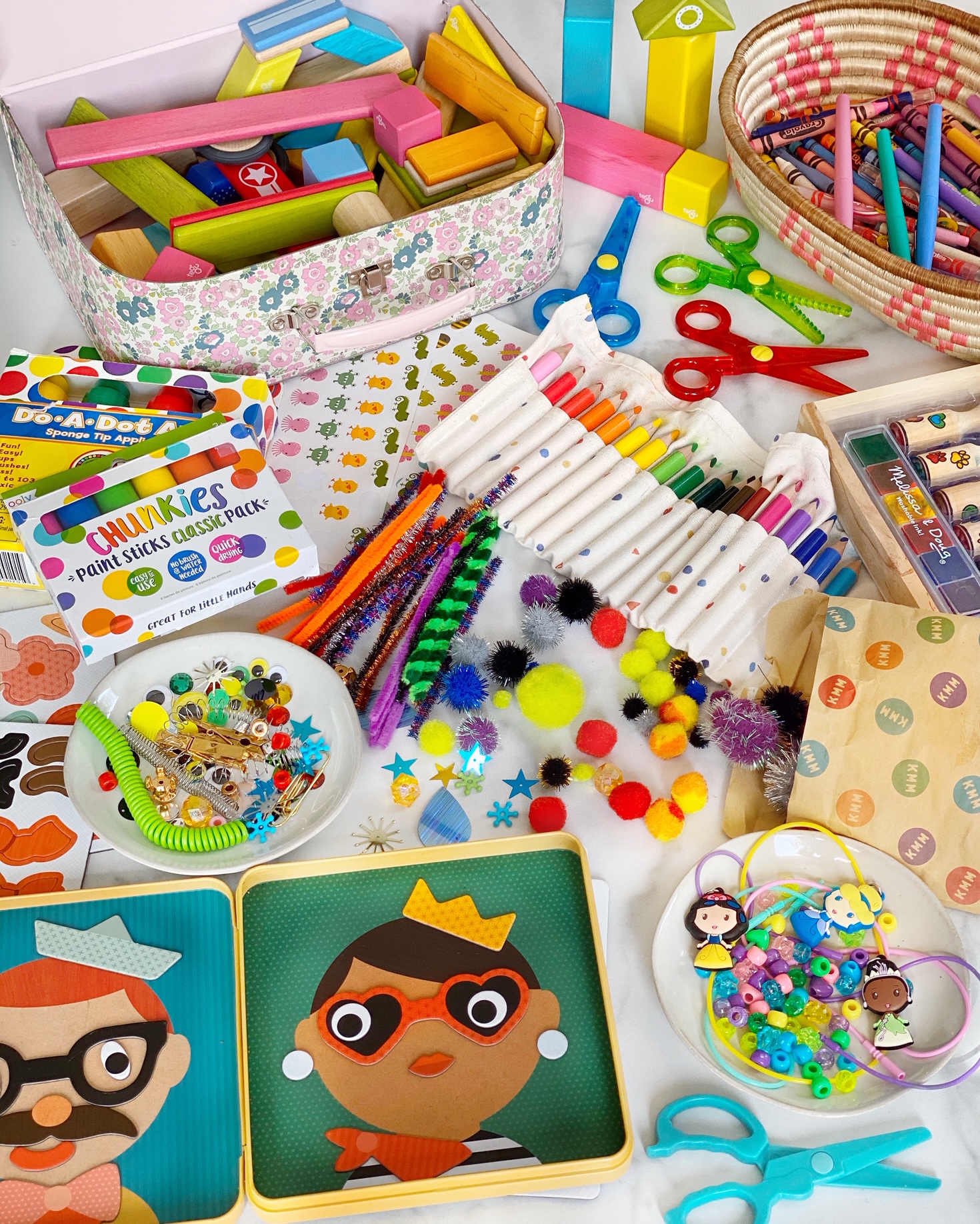
Choosing safe tools for kids is essential when making DIY toys. You want your children to enjoy crafting without any risk of injury or exposure to harmful substances. Safe tools not only protect their health but also encourage creativity by providing a worry-free environment.
Child-friendly Scissors
Child-friendly scissors have rounded tips and smaller handles designed for little hands. These scissors cut paper smoothly but prevent accidental pokes or cuts. I once saw a child confidently cut shapes without any help because the scissors felt safe and easy to use.
Look for scissors labeled as “safety scissors” or “kids’ scissors.” Avoid sharp or heavy tools that can cause frustration or injury. Would you let your child use scissors that make them nervous? Probably not, so choose tools that build their confidence instead.
Non-toxic Paints
Non-toxic paints are crucial for young crafters who might touch their mouths or skin while working. These paints are free from harmful chemicals and safe if accidentally ingested in small amounts. I’ve seen parents relax when their kids paint freely, knowing the products won’t cause harm.
Water-based paints with an AP seal (Approved Product) are a reliable choice. Avoid paints with strong odors or warning labels. How important is it to you that your child’s creative time is both fun and safe? Non-toxic paints make that balance possible.
Markers And Crayons
Markers and crayons designed for kids come in non-toxic formulas and washable varieties. These make clean-up easier and prevent stains on skin or furniture. I remember a day when washable markers saved the day after a colorful accident on the living room wall.
Choose brands that clearly state “non-toxic” on the packaging. Opt for broad tips over fine tips to avoid frustration and encourage bold coloring. Have you ever considered how the right markers can turn drawing time from messy to manageable?

Credit: www.amazon.com
Creative Tips And Tricks
Creative tips and tricks can transform simple materials into exciting DIY toys that capture attention and spark imagination. Adding unique elements not only makes your toys stand out but also enhances play value. Let’s dive into some practical ideas that can help you craft toys that kids will love and remember.
Combining Materials
Mixing different materials can create textures and shapes that keep children curious. Try pairing soft fabrics with hard cardboard or lightweight wood to build contrast. Using recycled items like bottle caps alongside felt or yarn adds color and tactile variety.
Think about what you have around the house. A small wooden box combined with foam sheets can become a fun stacking game. Have you ever noticed how kids love toys that feel different to the touch? Combining materials taps into that natural curiosity.
Adding Movement
Movement brings toys to life and keeps kids engaged longer. Simple hinges, wheels from old toys, or even rubber bands can add motion. Imagine a cardboard car with spinning wheels or a puppet with movable arms made from pipe cleaners.
Adding movement doesn’t need to be complicated. A paperclip attached as a pivot can create flapping wings or a swinging tail. How might you use everyday items to give your toys dynamic features?
Personalizing Toys
Personal touches make toys feel special and unique. Use markers, stickers, or fabric paint to add names, patterns, or favorite colors. Even small details like sewing on buttons as eyes can bring character and charm.
Encourage kids to help personalize their toys—it boosts pride and creativity. Have you tried letting your child decorate their toy? The result often exceeds expectations and deepens their connection to the toy.

Credit: www.amazon.com
Frequently Asked Questions
What Materials Are Best For Diy Toys?
Safe, non-toxic materials like wood, fabric, and food-grade silicone are ideal. They ensure durability and child safety during playtime.
How To Choose Safe Diy Toy Supplies?
Select materials free of harmful chemicals and sharp edges. Opt for washable and hypoallergenic components to protect children’s health.
Can Recycled Items Be Used For Diy Toys?
Yes, recycled items like cardboard, plastic bottles, and fabric scraps work well. They are eco-friendly and cost-effective for creative projects.
What Tools Do I Need For Making Diy Toys?
Basic tools include scissors, glue, paint, and needles. These help in cutting, assembling, and decorating toys efficiently and safely.
Conclusion
DIY toys bring fun and learning together. Use safe, simple materials like wood, fabric, and paper. These items are easy to find and friendly for kids. Creativity grows when you mix colors and shapes. Small projects build big smiles and skills.
Remember, the best toys come from your hands and heart. Enjoy making playtime special with your own DIY creations. Keep exploring new ideas and have fun crafting!