Are you looking to make fun and safe toys for your parrot but don’t know where to start? Choosing the right materials for DIY parrot toys can be tricky.
You want something that keeps your bird entertained, is non-toxic, and built to last. You’ll discover the best items to use when crafting toys your feathered friend will love. Keep reading, and you’ll learn simple tips that make your DIY projects easier and more enjoyable—for both you and your parrot!
Choosing Safe Materials
Choosing safe materials is the foundation of creating DIY toys that your parrot will enjoy without any health risks. Your bird’s curiosity means it will chew, peck, and test every texture, so the materials must be completely safe. Let’s look at what kinds of materials you can confidently use to keep playtime fun and worry-free.
Non-toxic Wood Options
Wood is a favorite for bird toys because it’s natural and sturdy. However, not all wood types are safe for parrots. Choose woods like untreated pine, apple, or manzanita that are free from pesticides and chemicals.
Avoid woods that are toxic, such as cedar or redwood, which can release harmful oils. You can often find safe wood in pet stores or craft shops labeled specifically for birds. Have you checked if the wood you have at home is safe before using it?
Bird-safe Plastics
Plastics can be tricky, but some are safe for birds and can add variety to your DIY toys. Look for plastics labeled as food-grade or BPA-free to avoid toxins. Polypropylene and polyethylene are commonly used in bird toys because they resist cracking and don’t contain harmful chemicals.
Be cautious with plastics that smell strong or look brittle—they might release dangerous fumes or break into sharp pieces. Have you ever noticed your bird avoiding certain plastic toys? That could be a sign they sense something unsafe.
Natural Fibers And Fabrics
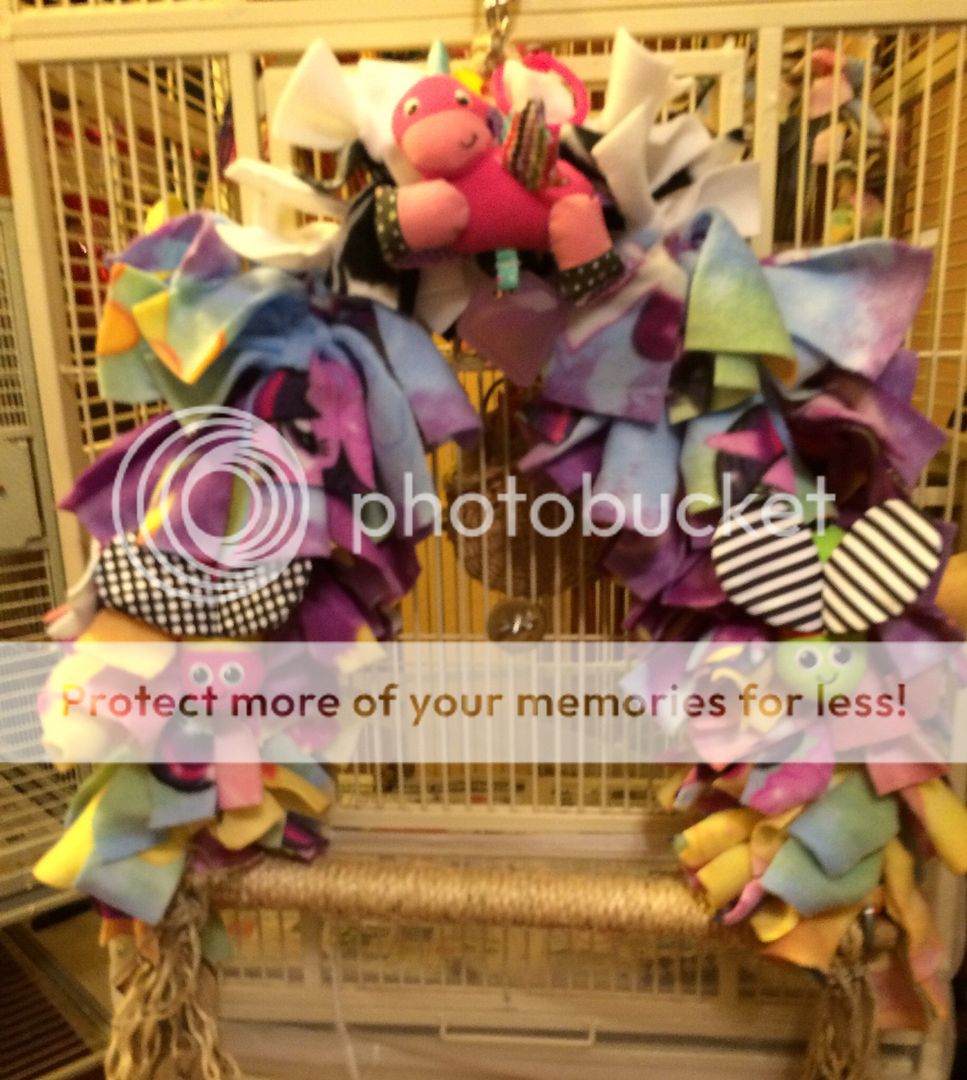
Natural fibers like cotton, sisal, and hemp are great for adding texture and fun to your parrot’s toys. These materials are safe for chewing and won’t splinter like wood. Use untreated, undyed fibers to avoid exposure to harmful dyes or chemicals.
Fabrics such as old cotton T-shirts or towels can be cut into strips, but make sure they don’t have synthetic blends. Birds can get tangled easily, so always supervise play with fabric toys. What types of natural fibers have you seen your parrot enjoy the most?
Avoiding Harmful Chemicals
Even the safest materials can become dangerous if coated with paints, glues, or finishes containing toxins. Stay away from anything with lead, zinc, or heavy metals. Instead, use bird-safe glues and non-toxic, water-based paints if you want to add color.
Remember to wash new materials thoroughly before making toys to remove dust or residues. Your parrot’s health depends on your attention to these details—are you ready to double-check your supplies before the next project?
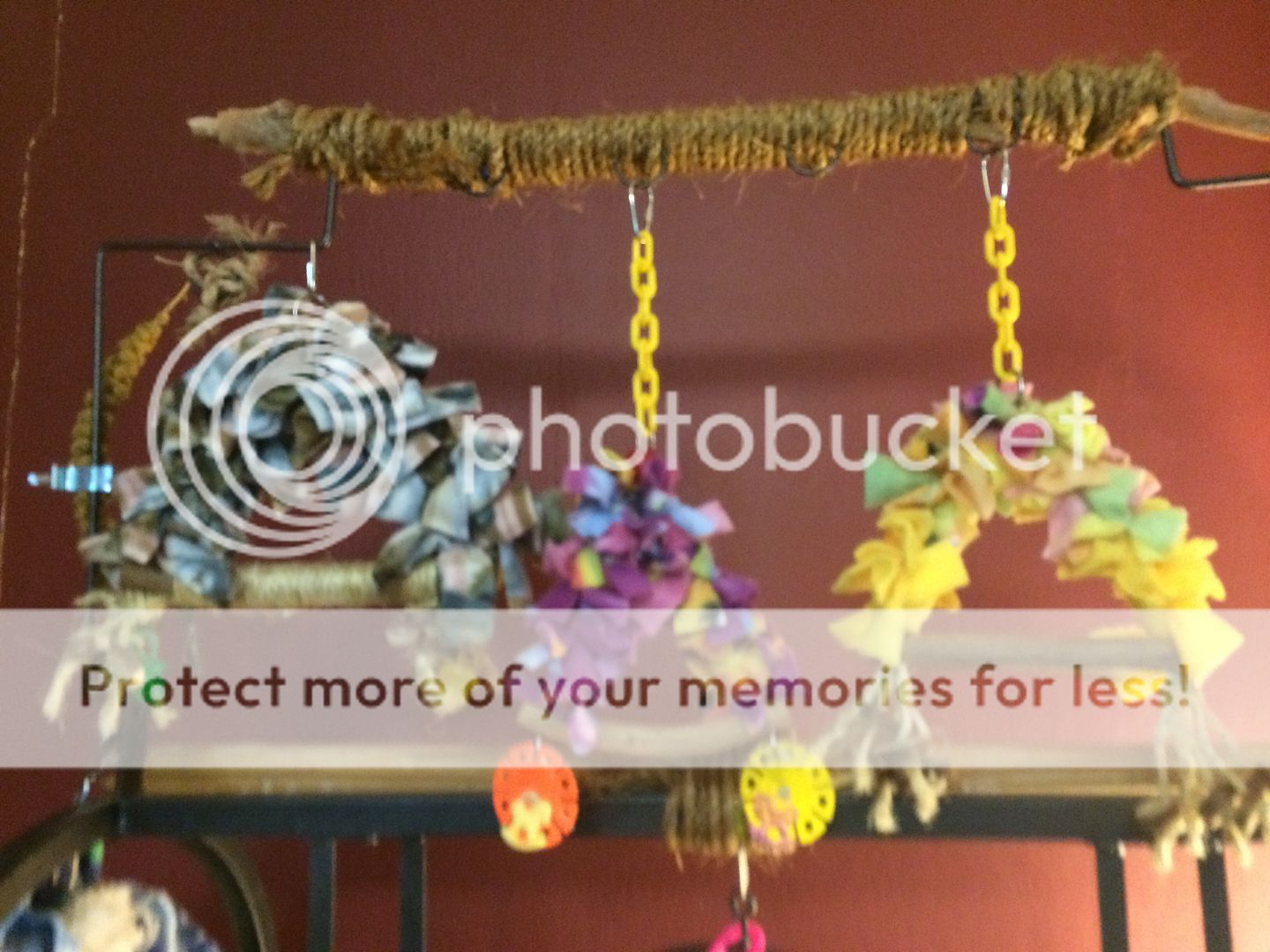
Credit: www.parrotforums.com
Essential Tools And Supplies
Creating DIY toys for parrots needs the right tools and supplies. These help you work safely and make toys that last long. Knowing which tools to use can save time and avoid mistakes.
Choosing proper materials ensures the toys are safe for parrots. Use non-toxic and bird-safe items to protect your pet’s health. The tools must be easy to handle and fit your project size.
Cutting And Shaping Tools
- Sharp scissors for soft materials like fabric or paper
- Small saws for cutting wood pieces
- Wire cutters to trim metal or plastic wires
- Sandpaper or sanding blocks to smooth rough edges
- Utility knife for precise cuts on various materials
Fasteners And Adhesives
- Bird-safe glue that dries clear and non-toxic
- Natural twine or cotton string for tying parts together
- Stainless steel screws and bolts for strong holds
- Plastic clips or clamps for temporary fastening
- Rubber bands that are safe and durable
Paints And Finishes
- Non-toxic, water-based paints made for pets
- Natural wood oils to protect and enhance wood grain
- Clear sealants that do not contain harmful chemicals
- Food-grade varnishes for a safe glossy finish
- Avoid paints with heavy metals or strong odors
Popular Diy Toy Types
Creating your own toys for parrots can be both fun and rewarding. Popular DIY toy types not only keep your feathered friend entertained but also help in their mental and physical development. Understanding different toy categories can guide you in choosing or making the perfect playthings tailored to your parrot’s preferences.
Foraging Toys
Foraging toys challenge your parrot’s natural instincts to search for food. You can easily make these toys using paper cups, cardboard, or small boxes filled with treats. Hiding snacks inside encourages problem-solving and keeps your parrot busy for longer periods.
Think about using safe materials like untreated wood or paper to avoid any toxicity. Have you noticed how your bird’s excitement grows when it finds a hidden treat? That’s the kind of engagement you want to create regularly.
Chewing Toys
Parrots love to chew, so providing safe, chewable materials is essential. Natural wood blocks, coconut shells, and untreated wicker are great options for DIY chewing toys. These materials help maintain beak health and prevent boredom.
Try combining different textures and shapes to keep your bird interested. Remember to avoid anything painted or containing chemicals—your parrot’s safety comes first. What textures does your parrot prefer to chew on?
Climbing And Swinging Toys
Climbing and swinging toys encourage physical activity and strengthen your parrot’s muscles. You can create swings using ropes, wooden dowels, or even repurposed household items like old keys or beads. These toys offer variety and fun movement for your bird.
Be creative with different heights and hanging styles to stimulate your parrot’s curiosity and agility. How does your bird react to new climbing challenges? Observing their play can inspire your next DIY creation.
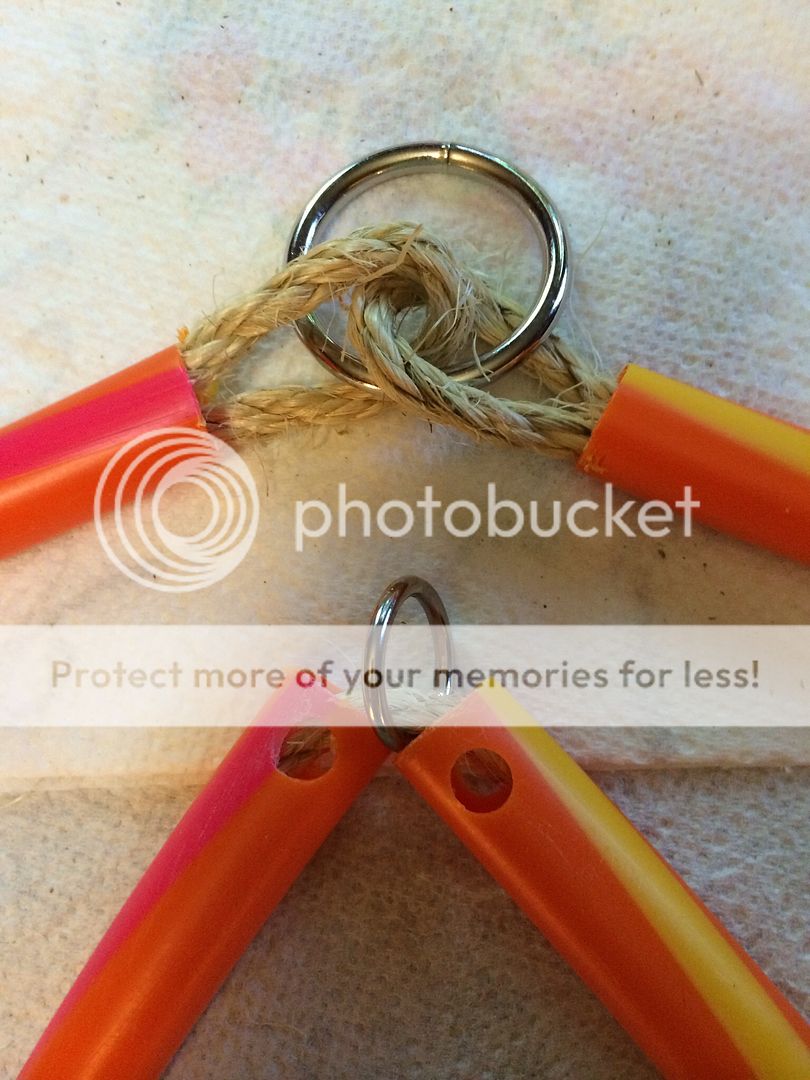
Credit: www.parrotforums.com
Step-by-step Toy Projects
Creating toys for your parrot can be fun and rewarding. These step-by-step projects help you build safe, engaging toys that your bird will love. Each project uses simple materials that you can find at home or at a craft store. Follow these clear instructions to make toys that encourage play and mental exercise.
Simple Wooden Blocks
Wooden blocks are a classic toy for parrots. Use untreated, bird-safe wood like pine or maple. Cut the wood into small, smooth blocks. Sand all edges to avoid splinters. Drill holes through the blocks for threading with rope or metal rings.
- Choose blocks about 1 to 2 inches in size.
- Sand all surfaces until smooth.
- Drill a hole in each block’s center.
- Thread blocks onto a sturdy rope or metal chain.
- Attach the toy securely in the cage.
These blocks help parrots chew and stay busy. Change the arrangement often to keep the toy interesting.
Hanging Rope Swings
Rope swings offer fun movement and exercise. Use natural cotton or sisal rope for safety. Cut a piece long enough to hang comfortably in the cage. Tie strong knots at each end to form a loop for hanging. Add wooden or plastic beads for extra fun.
- Cut rope about 18 to 24 inches long.
- Tie secure knots to prevent fraying.
- Add beads or small blocks along the rope.
- Hang the swing from a sturdy cage bar.
Swings encourage climbing and balance skills. Always check the rope for wear and replace if needed.
Treat Dispensers
Treat dispensers stimulate your parrot’s mind and appetite. Use empty, clean plastic bottles or wooden boxes. Cut small holes just big enough for treats to pass through. Fill the container with your bird’s favorite snacks.
- Choose a container safe for birds.
- Cut holes about 1 inch wide.
- Fill with nuts, seeds, or dried fruit.
- Securely close the container before placing it in the cage.
- Monitor your bird while using the toy.
Treat dispensers encourage problem-solving and reduce boredom. Refill and clean regularly to keep them fresh.
Safety Tips For Diy Toys
Choose safe, non-toxic materials like untreated wood and natural fibers for DIY parrot toys. Avoid small parts that birds can swallow or sharp edges that might cause injury. Regularly check toys for wear to keep your parrot safe and happy.
Creating DIY toys for your parrot can be a rewarding experience that provides enrichment and entertainment for your feathered friend. However, ensuring the safety of these homemade toys is crucial. A few key practices can help keep your parrot safe and happy.Inspecting For Sharp Edges
Before handing over any DIY toy to your parrot, inspect it closely for sharp edges. These can come from cut wires, rough wood, or even certain plastic components. Run your fingers over the toy to check for anything that could potentially harm your bird. You might be surprised how easily a small oversight can lead to injury. Using a small file or sandpaper can help smooth out any rough spots. Always remember, your parrot’s beak is powerful but sensitive.Monitoring Wear And Tear
Parrots love to chew, shred, and destroy their toys. This natural behavior means that DIY toys can quickly wear down. Regularly check the toys for signs of wear and tear, such as frayed ropes or splintered wood. Consider setting a weekly reminder to inspect these toys. This proactive approach can prevent accidents before they happen. Ask yourself, “Would I feel safe giving this to a child?” Your answer should guide your actions.Regular Cleaning Practices
Keeping your parrot’s toys clean is essential for their health. Birds can be messy, and their toys often end up with food particles or droppings on them. Use bird-safe cleaning solutions or simply soap and water to clean the toys regularly. Make sure they are thoroughly rinsed and dried before returning them to your parrot. Regular cleaning not only extends the life of the toy but also helps maintain a hygienic environment for your pet. By taking these safety tips to heart, you can ensure that your DIY toys are as safe as they are fun. What other safety tips do you follow for your parrot’s toys?
Credit: www.parrotforums.com
Encouraging Parrot Engagement
Keeping a parrot engaged is key to its happiness and health. Bored parrots can develop bad habits or stress. Simple DIY toys can spark curiosity and playfulness in your bird. Smart choices help maintain their interest and mental activity.
Rotating Toys For Interest
Change toys regularly to keep your parrot curious. A new toy feels exciting and fresh. Rotate toys every few days or weekly. This prevents boredom and keeps your parrot active. Use different textures and shapes for variety.
Incorporating Treats
Hide treats inside toys for fun and reward. Parrots enjoy searching and solving puzzles. Use healthy treats like nuts, seeds, or dried fruit. This encourages your bird to play longer. Treats make toys more attractive and rewarding.
Observing Parrot Preferences
Watch which toys your parrot likes best. Some birds prefer chewing, others like swinging or shredding. Notice colors, sounds, and materials that catch their eye. Tailor DIY toys to your parrot’s favorite activities. Personalized toys boost engagement and joy.
Frequently Asked Questions
What Materials Are Safe For Diy Parrot Toys?
Use untreated wood, natural fibers, and bird-safe plastics. Avoid toxic paints, metals, and small parts that can be swallowed. Always check materials for safety before making toys to ensure your parrot’s health and happiness.
How To Make Diy Toys For Parrots At Home?
Start with safe materials like wood blocks and ropes. Combine textures and colors to stimulate your parrot. Use non-toxic glue and secure parts tightly. Regularly inspect toys for wear and replace when needed.
Which Household Items Can Be Used For Parrot Toys?
Paper towel rolls, cardboard, untreated wooden spoons, and natural fiber ropes work well. Avoid sharp edges or harmful substances. These items encourage chewing and mental stimulation, keeping your parrot entertained and active.
How Often Should I Change Diy Parrot Toys?
Change or rotate toys every 1 to 2 weeks. This keeps your parrot interested and mentally engaged. Regularly clean and inspect toys to maintain safety and hygiene standards for your bird.
Conclusion
DIY toys for parrots bring fun and learning together. Use safe, natural materials like wood, paper, and cotton. Avoid anything toxic or sharp to keep birds safe. Simple tools and creativity make great toys on a budget. Parrots enjoy toys that challenge their minds and bodies.
Regularly change toys to keep them interested and happy. Making your own toys also strengthens your bond with your bird. Try different ideas and watch your parrot explore and play. Safe, fun DIY toys create a happy and healthy parrot home.