Are you looking for a way to keep your dog entertained and mentally sharp? Puzzle toys for dogs might be exactly what you need.
These clever toys challenge your pet’s brain, helping to reduce boredom and destructive behavior. If you want to see your furry friend happier and more engaged, understanding what puzzle toys are and how they work is key. Keep reading to discover how these fun tools can make a big difference in your dog’s daily life.

Credit: www.ebay.ca
Benefits Of Puzzle Toys
Puzzle toys offer more than just fun for your dog—they bring a range of benefits that improve your pet’s overall well-being. These toys challenge your dog’s brain, encourage movement, and help manage behavior in ways simple toys often can’t. Understanding these advantages can help you choose the right puzzle toy that fits your dog’s needs.
Mental Stimulation
Puzzle toys keep your dog’s mind active by encouraging problem-solving and critical thinking. Dogs have to figure out how to access treats or move parts of the toy, which sharpens their focus and cognitive skills.
Imagine your dog spending 15 minutes figuring out a puzzle instead of getting bored and chewing on your shoes. Regular mental challenges like this can reduce anxiety and keep your dog happier and more engaged.
Physical Exercise
Many puzzle toys require your dog to move parts around or nudge the toy, which adds a layer of physical activity. This is especially useful if your dog can’t get outside as often as you’d like.
Even small movements help burn calories and keep muscles active. You might be surprised how much energy your dog uses just by working through a clever puzzle.
Behavior Improvement
Dogs often act out when they are bored or under-stimulated, leading to destructive habits like excessive barking or chewing. Puzzle toys provide a constructive outlet for their energy and curiosity.
Using these toys regularly can reduce unwanted behaviors by keeping your dog busy and satisfied. Have you noticed a change in your dog’s behavior after introducing a new toy? That positive shift is a clear sign of the impact puzzle toys can have.
Types Of Puzzle Toys
Puzzle toys for dogs come in various shapes and functions, each designed to challenge your pet’s mind and keep them entertained. Understanding the different types can help you pick the right one for your dog’s personality and skill level. Here’s a look at some popular categories that can turn mealtime or playtime into a stimulating adventure.
Interactive Feeders
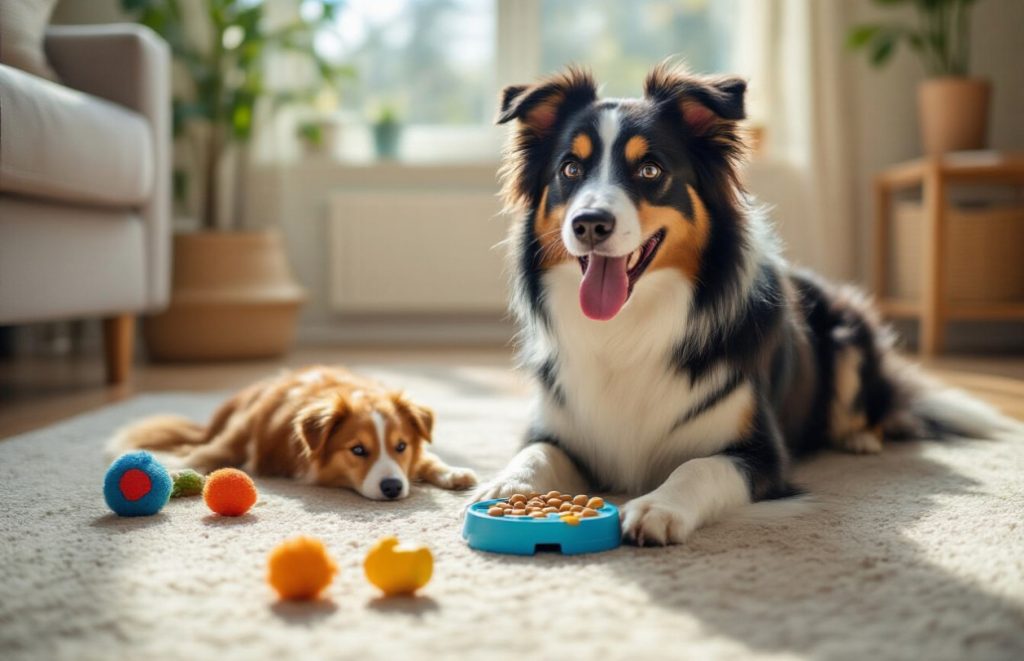
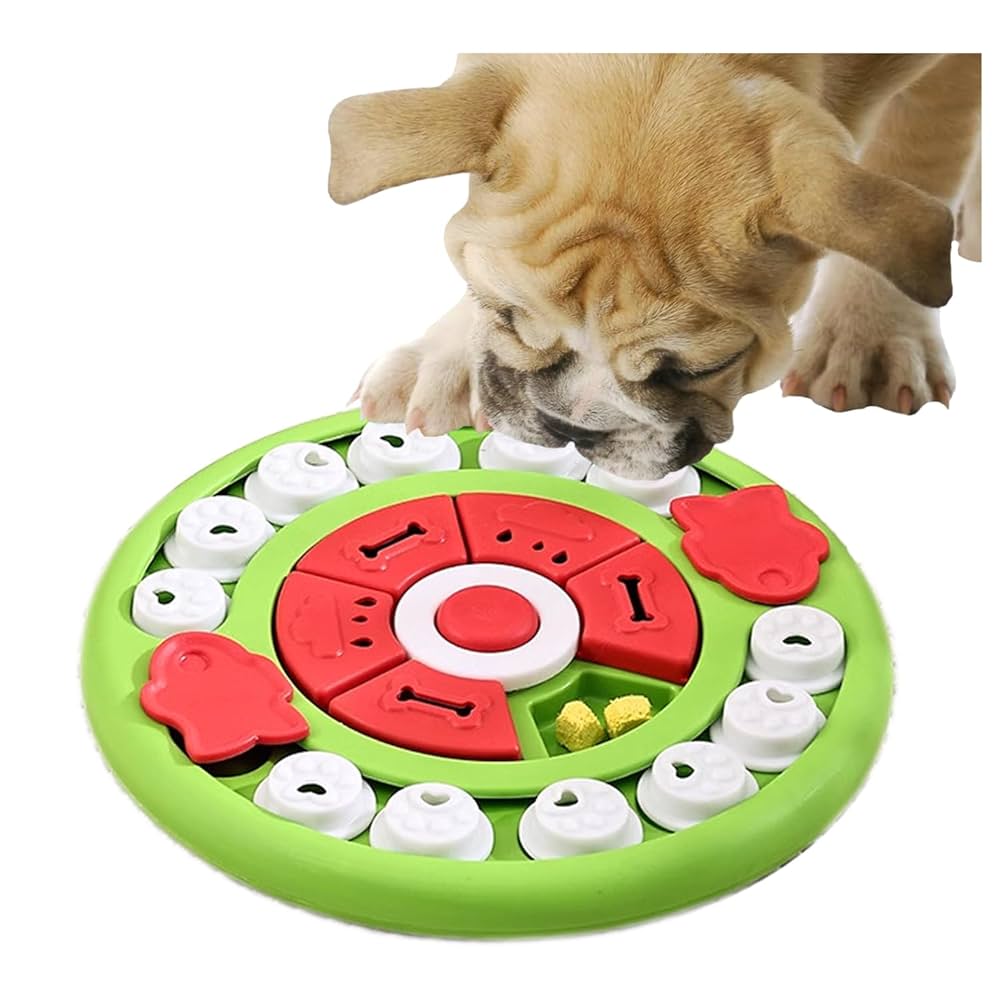
Interactive feeders combine feeding with mental exercise. Instead of a regular bowl, these feeders require your dog to solve simple puzzles to access their food. This slows down eating, which is great for digestion and reduces boredom.
Some feeders have sliding compartments or hidden lids that your dog must figure out. I once saw a dog paw at a spinning disc feeder, learning quickly how to get kibble out. It was clear how engaging this type of toy can be.
Treat-dispensing Toys
Treat-dispensing toys release small rewards when your dog interacts with them correctly. They come in many shapes, such as balls, cubes, or even plush toys with hidden pockets. The challenge lies in figuring out how to get the treat out.
These toys keep dogs moving and thinking. One dog owner shared how their pup spent 20 minutes happily trying to get treats from a rubber ball toy, providing both exercise and mental stimulation. Would your dog enjoy this kind of challenge?
Hide-and-seek Puzzles
Hide-and-seek puzzles encourage your dog to sniff out or move pieces to find hidden treats. These often look like boards with sliding blocks or compartments covered by flaps. Dogs use their noses and paws to uncover the goodies.
These puzzles test your dog’s problem-solving skills and patience. I’ve noticed how some dogs get incredibly focused, almost like they are solving a complex riddle. Could these puzzles be the perfect way to sharpen your dog’s mind?
Choosing The Right Toy
Choosing the right puzzle toy for your dog ensures fun and safety. It keeps your dog interested and helps avoid boredom. Different dogs need different toys based on size, skill, and chewing habits.
Size And Durability
Select a toy that fits your dog’s size. Small toys can be a choking hazard for big dogs. Large toys may be hard for small dogs to use. Pick toys made from strong materials. Tough toys last longer for heavy chewers. Soft toys are better for gentle chewers.
Difficulty Levels
Choose a toy that matches your dog’s skill level. Easy puzzles work well for beginners. They build confidence and keep dogs motivated. Advanced puzzles challenge smart dogs and prevent boredom. Change difficulty as your dog learns new skills.
Material Safety
Use toys made from non-toxic materials. Avoid toys with small parts that can break off. Check for safe paint and dyes. Clean toys regularly to keep them hygienic. Safe materials protect your dog’s health and teeth.

Credit: www.amazon.com
How To Introduce Puzzle Toys
Introducing puzzle toys to your dog can be a fun way to boost their brain power and keep them entertained. However, it’s important to approach this new challenge thoughtfully to ensure your dog feels confident and motivated. Here’s how you can help your furry friend get started with puzzle toys and turn playtime into a rewarding experience.
Starting Simple
Choose a puzzle toy with easy mechanics at first. Toys that require basic actions like sliding a cover or lifting a flap work well for beginners. This helps your dog build confidence without feeling overwhelmed.
If your dog seems puzzled or frustrated, try showing them how the toy works by guiding their paw or nose gently. Remember, patience is key—your dog is learning a new skill. Watch for signs of excitement or curiosity; these moments show they’re ready to take the next step.
Encouraging Engagement
Use treats your dog loves to encourage interaction with the toy. Place a few pieces in visible spots to spark interest. You can also cheer them on with enthusiastic praise or a happy tone to make the experience positive.
Try sitting with your dog while they explore the puzzle toy. Your attention can boost their confidence and keep them focused. Sometimes, dogs need a little encouragement to realize this game is worth their effort.
Monitoring Playtime
Always watch your dog while they play with puzzle toys, especially in the beginning. This ensures they don’t get frustrated or chew on parts they shouldn’t. It also lets you spot if the toy is too easy or too hard.
Limit play sessions to short bursts, around 10-15 minutes, to prevent boredom or stress. If your dog loses interest, it’s fine to take a break and try again later. How does your dog respond when faced with a challenge? Observing closely will help you pick the best toys and timing for their unique personality.
Diy Puzzle Toys At Home
Creating puzzle toys for dogs at home can be fun and rewarding. These DIY projects engage your dog’s mind and reduce boredom. You can use everyday items to craft these stimulating toys. Get creative with treats to keep your dog entertained for hours. Always ensure the safety of materials used in these toys.
Using Household Items
Household items can easily become exciting puzzle toys for your dog. Use a muffin tin and tennis balls for a simple game. Place treats in the tin and cover them with balls. Your dog will enjoy figuring out how to retrieve the treats. An empty plastic bottle can also become a treat dispenser. Cut small holes in it and fill it with kibble. As your dog rolls the bottle, treats will fall out.
Creative Treat Games
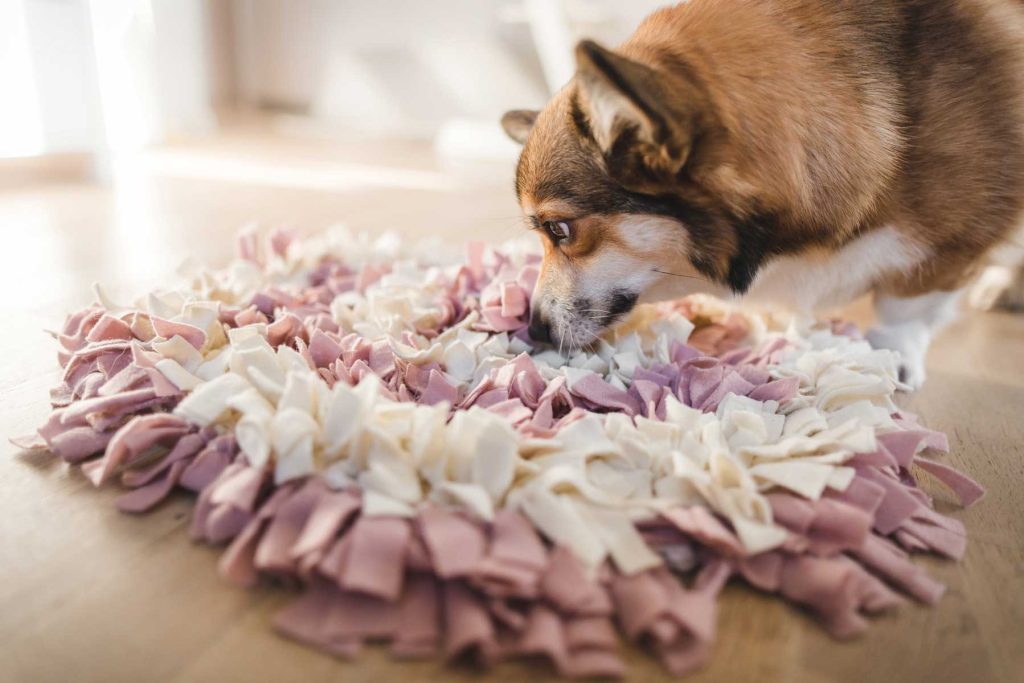
Engage your dog’s senses with creative treat games. Hide treats around your home for a treasure hunt. Use a snuffle mat made of fabric strips to hide kibble. This encourages your dog to sniff and search for food. You can also use cardboard boxes to create a mini maze. Place treats inside and let your dog explore the path to find them.
Safety Tips
Always prioritize safety when making DIY puzzle toys. Ensure materials are non-toxic and suitable for your dog’s size. Avoid small parts that can be swallowed. Supervise your dog during playtime to prevent accidents. Regularly check toys for wear and tear. Replace them if they become damaged.
Common Challenges And Solutions
Puzzle toys for dogs are fantastic tools that challenge your pet’s mind and keep them entertained. However, using these toys comes with some common challenges that can frustrate both you and your dog. Understanding these issues and having solutions ready can make the experience enjoyable and rewarding for everyone.
Overcoming Frustration
It’s normal for dogs to feel frustrated when they first interact with puzzle toys. Some puzzles might be too difficult, causing your dog to lose interest quickly.
Start with simpler toys and gradually increase the difficulty as your dog learns. Watching your dog get stuck can be tough, but patience is key.
Try guiding your dog through the puzzle the first few times. Show them how to get the treat or reward to build their confidence.
Preventing Boredom
Even the most exciting puzzle toys can lose their charm if used repeatedly without variation. Dogs need new challenges to stay mentally engaged.
Rotate different toys to keep things fresh. Changing the type of treat hidden inside can also renew your dog’s interest.
Ask yourself: How often do I switch up the toys or treats? Regular changes prevent your dog from getting bored and help maintain their enthusiasm.
Keeping Toys Clean
Since puzzle toys often involve treats and saliva, they can get dirty quickly. Dirty toys can harbor bacteria and affect your dog’s health.
Make cleaning a regular habit. Use warm water and mild soap or check if the toy is dishwasher safe to keep it hygienic.
Inspect the toy for wear and tear during cleaning. Damaged toys can be unsafe, so replace them as needed to protect your dog.

Credit: www.amazon.ca
Frequently Asked Questions
What Are Puzzle Toys For Dogs?
Puzzle toys for dogs are interactive toys that challenge their problem-solving skills. They stimulate mental activity and keep dogs engaged.
How Do Puzzle Toys Benefit Dogs?
Puzzle toys improve dogs’ cognitive skills, reduce boredom, and prevent destructive behavior. They also encourage physical activity and mental stimulation.
Are Puzzle Toys Suitable For All Dog Breeds?
Yes, puzzle toys come in various difficulty levels, making them suitable for all breeds and ages. Choose one based on your dog’s skill.
How To Choose The Best Puzzle Toy For Dogs?
Select a toy that matches your dog’s size, intelligence, and chewing habits. Durability and safety are also important factors to consider.
Conclusion
Puzzle toys keep dogs active and happy every day. They help dogs think and solve simple problems. These toys stop boredom and reduce bad behavior. Dogs enjoy treats hidden inside the puzzles. Owners find puzzle toys useful for training and fun.
Choose toys that fit your dog’s size and skill. Spend time playing together to build a strong bond. Puzzle toys bring joy and mental exercise to dogs. Try one today and see the difference yourself. Simple fun can make your dog’s life better.