Are you wondering when your child is ready for a ride-on toy? Choosing the right age can make all the difference in safety and fun.
You want your little one to enjoy every moment without any worries. But how do you know if your child is ready to zoom around on their first ride-on? Keep reading, and you’ll discover the perfect age to introduce these exciting toys, plus tips to help your child get started safely and confidently.
Don’t miss out—your child’s next big adventure is just around the corner!

Credit: www.amazon.in
Age Groups For Ride-on Toys
Ride-on toys bring joy to children across many ages. Choosing the right ride-on depends on the child’s age. Safety and fun go hand in hand with age-appropriate options. This guide helps match ride-ons with different age groups.
Toddlers And Ride-ons
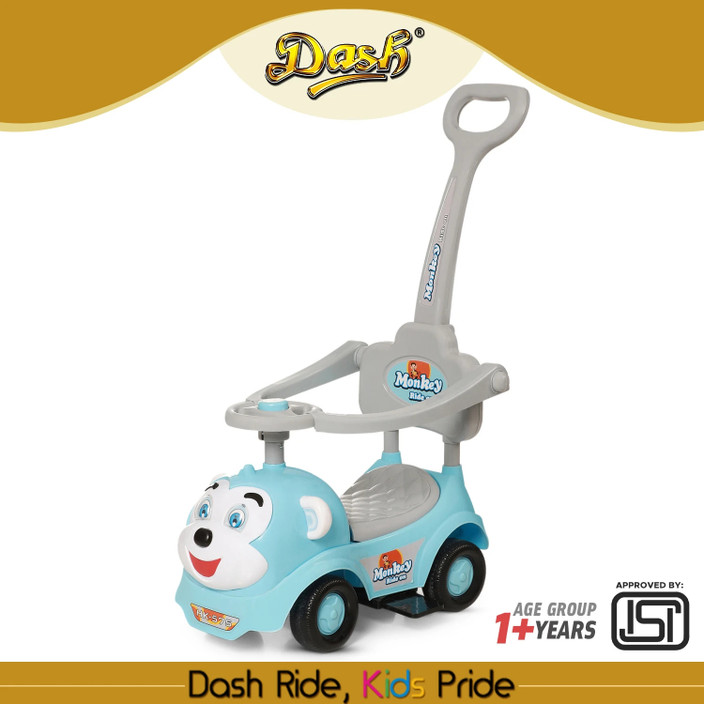
Toddlers usually start with simple ride-on toys. These toys are low to the ground for safety. They often come without pedals or motors. Toddlers push with their feet to move around. Look for sturdy handles and wide bases. These features help keep toddlers balanced and secure.
Preschoolers’ Options
Preschoolers enjoy more advanced ride-ons. Pedal-powered toys become popular in this stage. Some ride-ons include simple electric models. These toys encourage coordination and muscle development. Safety features like speed limits and seat belts appear more often. Preschoolers can handle more control but still need supervision.
Ride-ons For Older Kids
Older kids want faster and more challenging ride-ons. Battery-powered models with higher speeds are common. Some offer remote control features for parents. Larger sizes fit older children’s weight and height. Safety gear like helmets becomes very important. These ride-ons often mimic real vehicles for extra excitement.
Types Of Ride-on Toys
Ride-on toys come in many types to suit different ages and skills. Each type offers unique fun and learning chances. Choosing the right one helps kids enjoy safely and build confidence. Here are common types of ride-on toys popular among young children.
Battery-powered Models
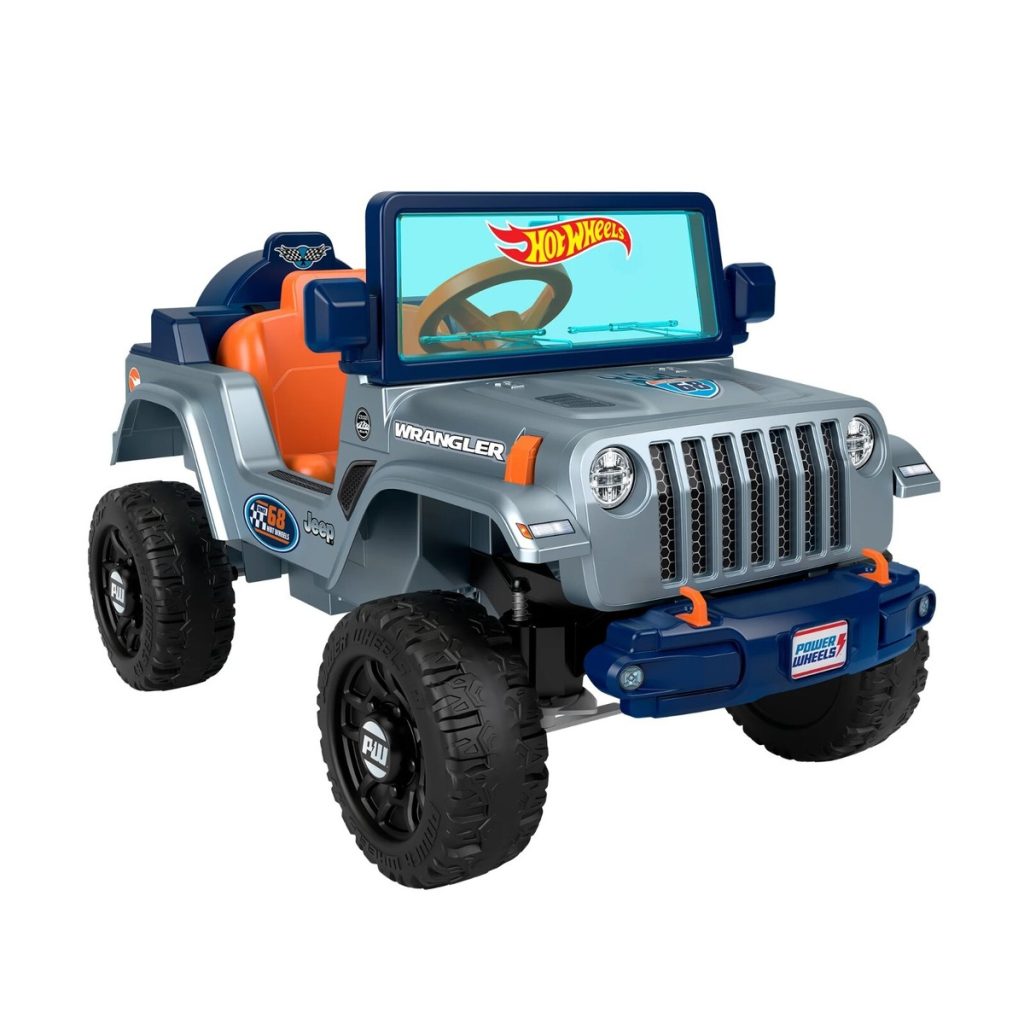
Battery-powered ride-ons move on their own. Kids control the speed and direction using simple buttons or pedals. These models often look like cars, trucks, or motorcycles. They help children learn coordination and cause-effect skills. Most battery-powered toys suit kids aged 3 and up.
Push And Pedal Ride-ons
Push and pedal ride-ons need kids to use their legs for movement. Push ride-ons allow toddlers to push with their feet while sitting. Pedal ride-ons require pedaling to move forward. These toys build leg strength and balance. Ideal for kids around 1 to 4 years old, they encourage active play and motor skills.
Scooters And Balance Bikes
Scooters have a standing platform and handlebars for steering. Balance bikes look like bicycles but have no pedals. Both improve balance and coordination. They prepare kids for riding real bikes later. Scooters and balance bikes suit children from 2 years old up. They promote outdoor activity and independence.
Safety Features To Consider
Choosing the right ride-on toy means focusing on safety features. Kids need protection while having fun. The right toy keeps speed in check, stays stable, and works well with protective gear.
Speed Limits And Controls
Speed limits keep children safe on ride-on toys. Many models offer adjustable speeds for different ages. Lower speeds suit younger kids. Controls should be easy to use and responsive. Some toys have remote controls for parents to stop or slow down the toy.
Stability And Design
A stable ride-on toy prevents falls and injuries. Wide bases and low centers of gravity improve balance. Look for toys with sturdy wheels and a solid frame. Designs that fit the child’s size help maintain control. Rounded edges reduce the chance of cuts or scrapes.
Protective Gear Recommendations
Helmets protect a child’s head during rides. Knee and elbow pads guard against scrapes and bruises. Gloves improve grip and protect hands. Always encourage wearing protective gear, even on short rides. Safety gear builds good habits for outdoor play.
Choosing The Right Size
Choosing the right size ensures safety and comfort for your child while riding. Age helps determine the best fit for ride-on toys. Proper sizing supports balance and easy control during play.
Choosing the right size ride-on toy ensures safety and comfort. A well-sized toy boosts confidence and encourages active play. It also helps children develop motor skills effectively. Understanding how to match the toy size to your child’s height and considering adjustability for growth is key.Matching Toy Size To Child Height
Ride-on toys come in various sizes. The size should suit your child’s height. Measure your child’s height accurately. Compare it with the toy’s dimensions. A good fit allows your child to reach the ground comfortably. This promotes better balance and control. Consider the manufacturer’s age and size recommendations too.Adjustability For Growth
Children grow quickly. Choose toys with adjustable features. Look for adjustable seats or handlebars. This allows the toy to grow with your child. Adjustable features extend the toy’s usability. It ensures continued comfort and safety. Investing in adjustable toys offers long-term value.Supervision And Usage Tips
Supervision is key when children use ride-on toys. It keeps playtime fun and safe. Adults should watch closely to avoid accidents. Clear guidance helps kids understand how to use toys correctly.
Proper usage improves the experience. Kids learn good habits early. Safety becomes a natural part of their play routine.
Setting Boundaries And Rules
Establish clear rules before play starts. Explain where children can ride and where they cannot. Limit riding to safe zones, away from roads and stairs. Teach kids to stop and look before crossing paths. Make sure rules are simple and easy to remember.
Safe Riding Surfaces
Choose smooth, flat surfaces for riding. Avoid rough or uneven ground that may cause falls. Grass, pavement, and concrete are good options. Steer clear of wet or slippery areas. Check the play area for obstacles like rocks or toys.
Regular Maintenance Checks
Inspect the ride-on toy before each use. Look for loose parts or sharp edges. Check tires for proper inflation and wear. Make sure the battery and controls work well. Regular care prevents breakdowns and keeps children safe.

Credit: www.amazon.in
Benefits Of Ride-on Toys
Ride-on toys offer many benefits for young children. They support growth in fun and active ways. Kids enjoy riding while gaining important skills. These toys help develop the body and mind together.
Physical Development
Ride-on toys build strong muscles. Pushing, pedaling, and steering use many muscles. These actions improve strength and endurance. Regular play helps children stay active. It also boosts their overall health.
Coordination And Balance
Riding requires good balance and control. Kids learn to steer and keep steady. This improves hand-eye coordination and body awareness. Practice with ride-on toys makes these skills better. It helps children move with confidence.
Encouraging Outdoor Play
Ride-on toys invite kids to go outside. Fresh air and sunlight improve mood and energy. Playing outdoors also encourages social interaction. Children explore their surroundings while having fun. This promotes a healthy and active lifestyle.
Credit: www.flipkart.com
Frequently Asked Questions
What Is The Ideal Age For Ride On Toys?
The ideal age for ride on toys is usually between 1 and 5 years. It depends on the child’s balance and motor skills. Always check manufacturer recommendations for age and weight limits before purchase. Safety and supervision are essential.
When Can Toddlers Safely Use Ride On Toys?
Toddlers can safely use ride on toys from around 12 months old. Choose age-appropriate models with safety features like seat belts. Start with slower, stable toys to build confidence. Supervision during play is crucial to prevent accidents.
Are Ride On Toys Suitable For 3-year-olds?
Yes, ride on toys are suitable for most 3-year-olds. At this age, children have better coordination and balance. Select toys designed for their size and weight. This helps improve motor skills and promotes active play safely.
How To Choose The Right Ride On Toy Age Group?
Choose ride on toys based on the child’s age, weight, and skill level. Check product labels for recommended age ranges. Consider safety features, speed settings, and ease of use. Proper selection ensures fun and safe play experiences.
Conclusion
Choosing the right age for ride-on toys matters a lot. Kids grow fast, and their skills change too. Picking a toy that fits their age keeps play safe and fun. It helps build balance and confidence step by step. Always check the toy’s guidelines before buying.
Let children enjoy their ride while staying secure. This way, every ride brings smiles and happy memories. Ride-on toys can be a great part of childhood joy. Keep it simple, safe, and suited to their age.