Are you worried about letting your child play with ride-on toys? You’re not alone.
These fun vehicles look exciting, but safety is a big concern for every parent. What if your little one falls or gets hurt? How can you be sure the toy is safe enough? You’ll discover the truth about ride-on toys and learn simple tips to keep your child protected while they enjoy their ride.
Keep reading to make the best choice for your family’s peace of mind.
Safety Risks Of Ride-on Toys
Ride-on toys offer fun and excitement for children, but they also carry safety risks. Understanding these risks helps keep kids safe during play. Awareness of common dangers and how to prevent them is key.
Common Injury Causes
Falls from ride-on toys often lead to cuts, bruises, or broken bones. Collisions with objects or other children can cause injuries. Poorly maintained toys may have sharp edges or loose parts. Lack of supervision increases the chance of accidents.
Age And Weight Limits
Manufacturers set age and weight limits for a reason. Using a ride-on toy beyond these limits raises the risk of tipping or breaking. Younger children may not have the skills to control the toy safely. Following guidelines ensures the toy works as designed.
Environmental Hazards
Uneven surfaces, steep slopes, and busy streets are dangerous for ride-on toys. Wet or slippery ground can cause slipping and falls. Play areas near water or traffic need extra caution. Choosing safe, open spaces reduces hazards.
Credit: www.walmart.com
Choosing The Right Ride-on Toy
Choosing the right ride-on toy is key to keeping children safe and happy. The perfect toy matches the child’s age, skills, and needs. Parents must think about several important factors before buying. Quality, speed, and safety marks matter a lot. This helps avoid accidents and ensures fun playtime.
Material And Build Quality
Strong materials protect children during play. Look for toys made with durable plastic or metal. Check for smooth edges to prevent cuts. Sturdy construction means the toy will last longer. Avoid toys with small parts that can break off easily. A solid build helps keep kids safe and confident.
Speed And Control Features
Speed should suit the child’s age and skill level. Slow speeds give beginners better control. Some toys offer adjustable speed settings. Easy-to-use brakes help stop quickly. Steering must be simple and responsive. Good control features reduce the risk of accidents. Parents should test these functions before buying.
Safety Certifications
Safety certifications show the toy meets important rules. Look for marks like ASTM, CPSIA, or EN71. These prove the product passed safety tests. Certified toys use non-toxic materials and safe designs. They reduce hazards like choking or electric shock. Always check for these labels before making a choice.
Safety Gear Essentials
Safety gear is vital for every child using ride-on toys. Proper equipment reduces the risk of injuries and boosts confidence. Parents should ensure kids wear the right protection before play. This section highlights essential safety gear to keep kids safe and happy.
Helmets And Pads
Helmets protect a child’s head from serious harm. Choose a helmet that fits snugly and meets safety standards. Knee and elbow pads shield joints from scrapes and bruises. These pads are lightweight and easy to wear. Wearing helmets and pads together offers strong protection.
Proper Footwear
Closed-toe shoes give the best foot protection. Shoes with good grip help prevent slipping off pedals or footrests. Avoid sandals or flip-flops while riding. Sturdy shoes keep feet safe from sharp objects and rough surfaces. Proper footwear also improves control of the ride-on toy.
Visibility Enhancements
Bright colors and reflective strips make children visible to others. Attach reflective stickers to the toy or clothing. Use lights if riding in low-light conditions. Visibility gear helps drivers and pedestrians spot children quickly. This simple step greatly improves safety outdoors.

Credit: www.amazon.ca
Safe Riding Practices
Ensuring safe riding practices with ride-on toys is essential for keeping your child protected and confident while they play. Safety doesn’t just come from the toy itself but also from how and where it’s used. Let’s look at key actions you can take to create a safer environment for your young rider.
Supervision Guidelines
Always keep a close eye on your child when they are using a ride-on toy. Young kids can quickly lose control or wander into unsafe areas without noticing. Staying within arm’s reach allows you to react immediately if they need help or if something unexpected happens.
Consider setting up a routine check during playtime to ensure the toy remains in good condition. You can even join in the fun occasionally—it’s a great way to stay alert and connect with your child’s experience. Have you thought about how supervision could change if multiple kids are riding at once?
Safe Riding Areas
Choose flat, smooth surfaces for riding to reduce the risk of falls and crashes. Avoid busy streets, steep hills, or uneven ground where accidents are more likely. A driveway, backyard, or quiet park path can be perfect spots.
Think about the surroundings too: Is there enough space to stop safely? Are there any sharp corners or obstacles nearby? Creating a dedicated riding zone can limit distractions and hazards, making the experience more enjoyable for your child.
Rules And Boundaries
Set clear rules with your child about where they can and cannot ride. Explain why certain areas are off-limits and what behaviors are unsafe, like speeding or riding near pets. Simple, consistent rules help your child understand limits and build good habits.
Use visual markers or cones to define riding boundaries, so your child can see where they should stay. What kind of rules do you find easiest for kids to remember and follow? Reinforcing these boundaries regularly keeps safety at the forefront of every ride.
Maintenance And Inspection
Proper maintenance and inspection keep ride-on toys safe for children. Regular care helps spot problems early. This prevents accidents and extends toy life. Parents must check toys before and after play. Small issues can turn into big dangers without attention.
Regular Checks
Inspect tires, wheels, and steering parts often. Look for cracks, loose bolts, and worn-out pieces. Test brakes and speed controls for proper function. Clean the toy regularly to avoid dirt build-up. Dirt can block moving parts and cause damage. Store the toy in a dry place to prevent rust.
Battery And Electrical Safety
Check battery connections for corrosion or loose wires. Charge batteries using the recommended charger only. Avoid overcharging to prevent battery damage or fire risk. Inspect electrical parts for exposed wires or damage. Turn off the toy after use to save battery life. Replace batteries if they no longer hold charge.
Repair And Replacement
Fix small damages immediately to avoid bigger problems. Use original parts for repairs to ensure safety. Replace broken or worn-out parts without delay. Avoid makeshift fixes that may fail during use. Keep a repair kit handy for quick fixes. Seek professional help for complex electrical or mechanical repairs.
Teaching Kids Safety Habits
Ride-on toys can be fun but need careful supervision to keep kids safe. Teaching children how to use them properly reduces injury risks. Always check the toy’s safety features before letting kids play.
Teaching kids safety habits is essential for ride-on toy fun. These toys offer excitement and adventure. But without proper safety, they pose risks. Kids need to learn safe riding practices early.Basic Riding Skills
Start with basic riding skills. Teach them to mount and dismount safely. Ensure they understand how to steer and control speed. Practice in a safe, open area. Use gentle slopes for learning. This builds confidence and coordination.Emergency Procedures
Kids should know what to do in an emergency. Teach them to stop quickly and safely. Practice this until they do it instinctively. Show them how to call for help if needed. Explain the importance of staying calm.Encouraging Responsibility
Instill a sense of responsibility in your child. Explain the importance of caring for their toy. Teach them to check for damage before each ride. Encourage them to wear protective gear every time. Make safety a habit, not a chore.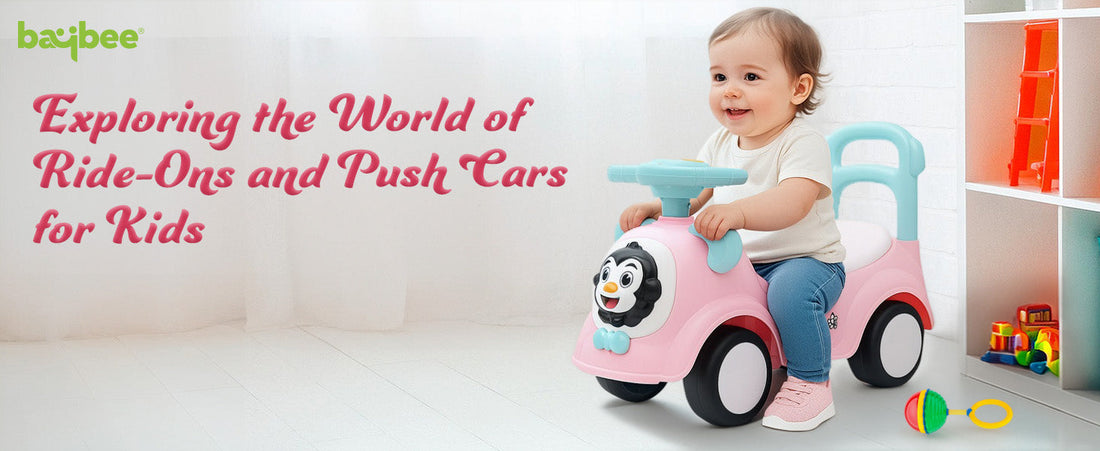
Credit: baybee.co.in
Frequently Asked Questions
Are Ride-on Toys Safe For Toddlers?
Ride-on toys are generally safe for toddlers when used under supervision. Choose age-appropriate models with safety features like seat belts and speed limits. Always ensure the toy meets safety standards to prevent accidents and injuries.
What Safety Features Should Ride-on Toys Have?
Essential safety features include sturdy construction, seat belts, speed control, and non-slip wheels. Look for toys with smooth edges and reliable brakes. These features help minimize risks and enhance your child’s safety during play.
How To Supervise Kids Using Ride-on Toys?
Always watch children closely while they use ride-on toys. Set clear boundaries and ensure they wear protective gear like helmets. Supervision reduces accidents and teaches safe riding habits effectively.
Can Ride-on Toys Cause Injuries?
Yes, improper use or lack of supervision can cause injuries. Most injuries result from falls or collisions. Using safety gear and following guidelines significantly lowers injury risks.
Conclusion
Ride-on toys can be safe with the right care and rules. Always check the toy’s age and weight limits before use. Teach children to wear helmets and stay away from roads. Supervision helps prevent accidents and keeps playtime fun. Regularly inspect the toy for any damage or loose parts.
Safety matters most when kids enjoy their ride-on toys. Choose trusted brands and follow all safety guidelines. This keeps playtime happy and worry-free for parents and kids alike. Safety first, fun always.