Are you looking to challenge your dog even more with their Outward Hound puzzle toys? You’ve probably noticed how quickly your furry friend solves the puzzles and wants something tougher.
Making these toys harder isn’t just about keeping your pet busy—it’s about boosting their brainpower and keeping them happy longer. You’ll discover simple tricks to increase the difficulty level, turning playtime into a fun and rewarding challenge for your dog.
Ready to see your pup’s excitement grow with every puzzle? Let’s dive in!
Credit: gladdogsnation.com
Choose Advanced Puzzle Models
Choosing advanced puzzle models increases the challenge for your dog. These puzzles require more thought and effort. They keep your pet engaged for longer periods. Harder puzzles help improve your dog’s problem-solving skills. They also provide better mental stimulation. Selecting the right model is key to making the toy more difficult.
Identify Challenging Designs
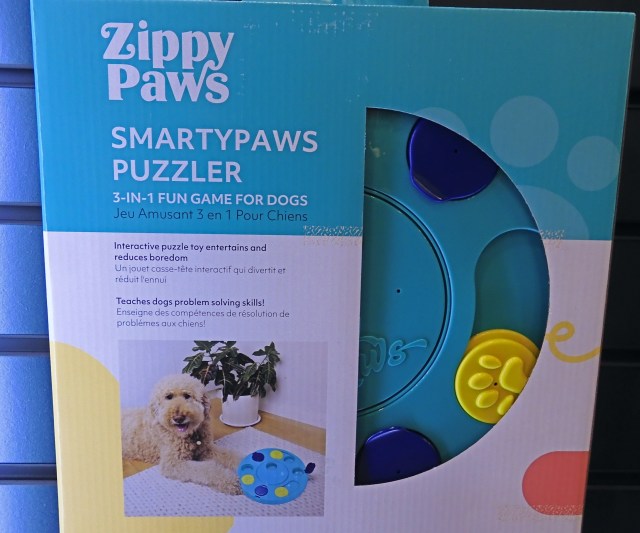
Look for puzzles with complex shapes and hidden compartments. Designs that require multiple moves to access treats are ideal. Some puzzles have sliders, levers, or rotating parts. These features increase difficulty and keep dogs curious. Check for puzzles that need different skills to solve. Avoid simple designs with easy-to-reach treat spots. Challenging designs encourage dogs to think and explore.
Select Multi-step Puzzles
Multi-step puzzles need several actions to get the reward. Your dog must figure out the correct order of moves. These puzzles often combine sliding, lifting, and pulling tasks. They offer a step-by-step challenge that builds problem-solving. Choose puzzles with increasing levels of difficulty. This approach keeps your dog interested and motivated. Multi-step puzzles slow down quick treat retrieval. They also improve focus and patience during play.

Credit: outwardhound.com
Increase Food Difficulty
Increasing the food difficulty in Outward Hound puzzle toys challenges your dog more. This helps improve their problem-solving skills and keeps them engaged longer. Adjusting the type and size of treats can make the puzzles tougher and more rewarding.
Use Smaller Treats
Smaller treats take more time and effort to find and retrieve. They fit into tighter spaces inside the puzzle, making your dog work harder. Use tiny pieces of kibble or small training treats to increase the challenge. This slows down your dog’s eating and makes the puzzle last longer.
Mix Treats With Regular Food
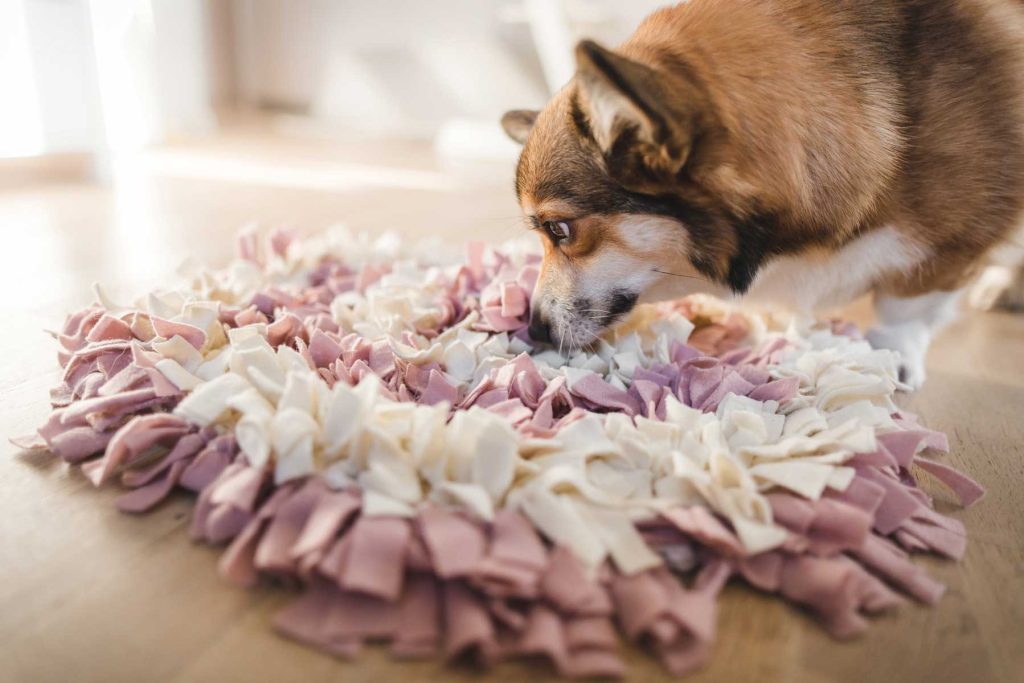
Combine treats with your dog’s regular food to create variety and difficulty. Scatter the mix inside the puzzle to encourage searching and sniffing. This method keeps your dog curious and motivated to solve the puzzle. It also balances nutrition while making the activity more engaging.
Modify Puzzle Setup
Modifying the setup of your Outward Hound puzzle toy is a smart way to increase the challenge for your dog. Small changes to how the toy is arranged can make your pet think harder and stay engaged longer. These tweaks don’t require extra purchases and can be done with items you already have at home.
Cover Compartments
Try covering some of the compartments with lightweight objects like plastic lids or pieces of cardboard. This simple barrier makes your dog use more problem-solving skills to uncover the hidden treats.
Start by covering just a few compartments, then gradually increase the number as your dog gets better at the puzzle. You might notice your dog pawing or nudging the covers, which shows they are thinking and adapting.
Have you noticed how your dog reacts when a treat is hidden under a cover? This interaction encourages patience and persistence, key skills for more advanced puzzles.
Use Additional Barriers
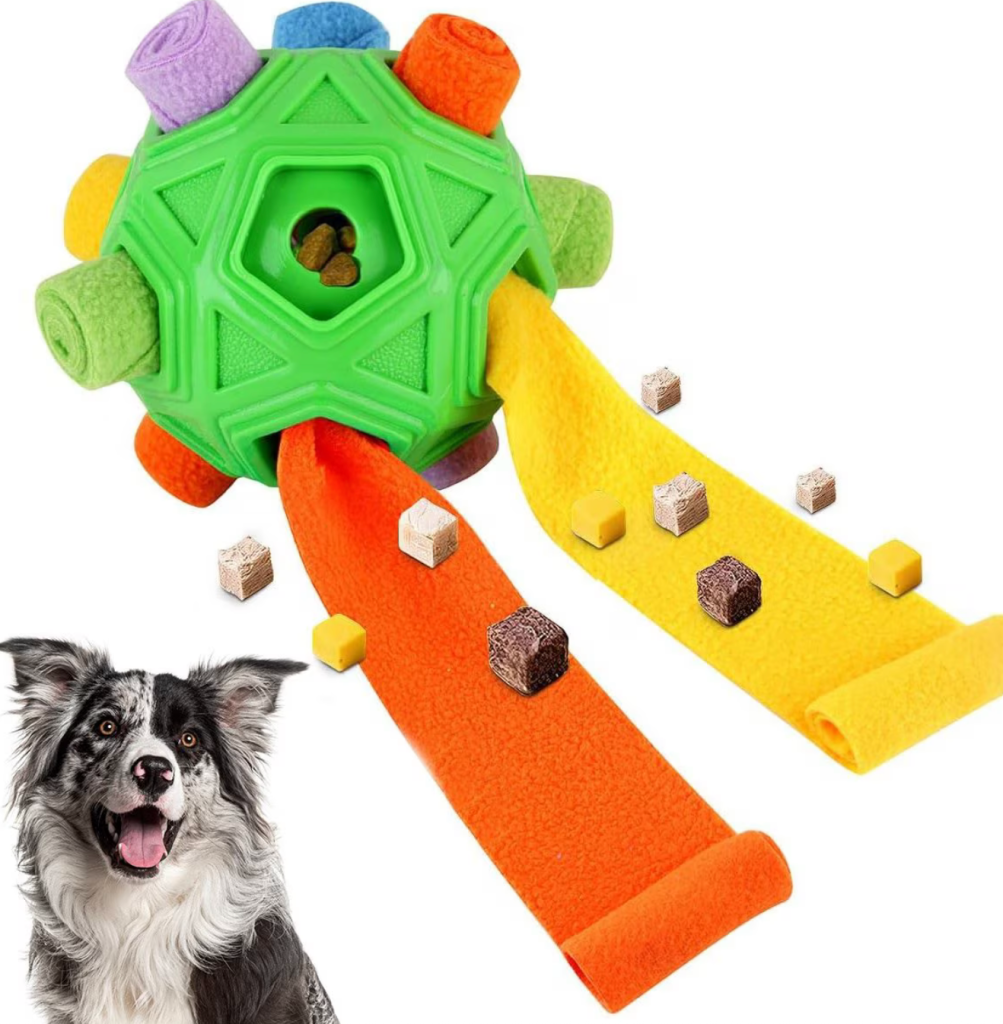
Add obstacles inside the compartments to slow your dog down. Items like small balls or rolled-up cloth can block direct access to the treats.
These barriers force your dog to use different techniques to retrieve the treat, such as shaking or lifting objects. You can also place barriers in varying spots to keep the puzzle fresh and unpredictable.
Think about how your dog’s problem-solving changes when they face a new challenge. This keeps their mind sharp and prevents boredom during playtime.
Adjust Puzzle Environment
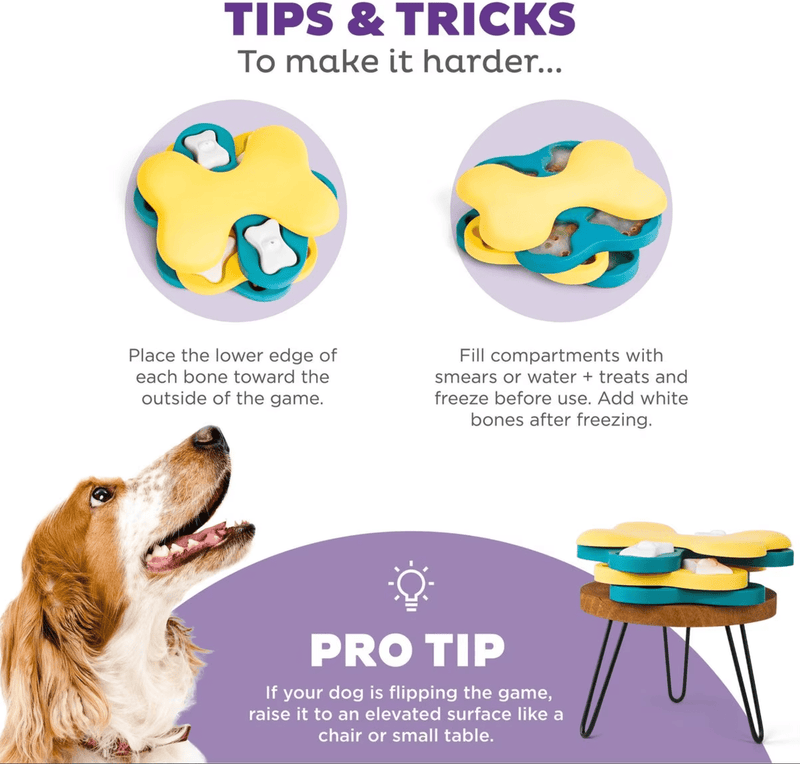
Adjust the puzzle’s pieces or hide treats in less obvious spots to increase difficulty. Changing the environment can challenge your dog’s problem-solving skills. Simple tweaks make playtime more engaging and rewarding.
Adjusting the puzzle environment can make a significant difference in how challenging your Outward Hound puzzle toys are for your pet. By making simple changes to the setting, you can ensure that your furry friend is mentally stimulated and engaged. This not only enhances the fun but also promotes cognitive development.Change Puzzle Orientation
Changing the orientation of the puzzle can make it more challenging. If your dog is used to solving the puzzle on a flat surface, try placing it at an angle. This new perspective will require them to think differently about how to manipulate the pieces. You might even notice your pet using new techniques to access their treats.Limit Time For Completion
Imposing a time limit is another effective way to increase the difficulty. Set a timer and encourage your pet to solve the puzzle within that timeframe. This adds a sense of urgency and can make the game more exciting. Have you ever noticed how a little pressure can make things more thrilling? Your dog might appreciate the challenge just as much as you would. Remember to always praise and reward your pet for their efforts, even if they don’t solve it in time. This positive reinforcement keeps them motivated to try again. Are you ready to level up your pet’s puzzle game?Combine Multiple Toys
Combining multiple Outward Hound puzzle toys is a fantastic way to boost the challenge for your dog. It makes the game more complex and keeps your dog thinking longer. When you mix different puzzles, you create a new, exciting experience that pushes your pet’s problem-solving skills.
Stack Puzzles Together
Try stacking two or more puzzle toys to create a multi-layer challenge. Place one puzzle on top of another or side by side, so your dog has to solve one before moving to the next.
This setup forces your dog to figure out the order in which to approach each toy. You can even hide treats inside both puzzles to keep motivation high. Have you noticed how your dog’s excitement grows when the challenge gets tougher?
Rotate Toys Regularly
Switching out your dog’s puzzle toys keeps the challenge fresh and prevents boredom. Each toy has unique mechanics, so rotating them helps your dog learn new problem-solving methods.
Try swapping puzzles every few days or weeks. This simple change keeps your dog curious and engaged. How often do you introduce new challenges to your pet’s playtime?
Train For Advanced Skills
Training your dog for advanced skills can make Outward Hound puzzle toys more challenging. It helps keep your dog’s mind sharp and engaged. Advanced training also builds confidence and deepens your bond.
Focus on teaching new skills that go beyond basic play. This approach makes the puzzles more stimulating and enjoyable. Gradually increase difficulty to match your dog’s growing abilities.
Teach New Retrieval Techniques
Introduce different ways for your dog to get the treats from the puzzle. Use pawing, nudging, or sliding motions instead of just biting or pulling. Teach your dog to move pieces with their nose or paw in specific directions.
Practice commands like “slide,” “push,” or “tap” to guide their actions. Reward precise movements with praise or treats. This helps your dog learn control and patience during play.
Encourage Problem Solving
Challenge your dog to figure out multiple steps to access the reward. Hide treats under several layers or inside compartments. Let your dog explore and try different approaches.
Use puzzles that require combining actions, like lifting a lid and then sliding a panel. Praise attempts and successes equally to motivate your dog. This keeps their interest high and skills growing.
Monitor And Adapt Difficulty
Adjusting the difficulty level of your Outward Hound puzzle toys is key to keeping your dog engaged and mentally stimulated. It’s not just about making the game harder; it’s about tuning it to your dog’s current skill level and watching how they respond. This ongoing process helps prevent frustration and keeps playtime fun.
Observe Dog’s Progress
Pay close attention to how quickly and easily your dog solves the puzzle. Do they finish it in seconds or do they struggle for a while? Notice the strategies your dog uses—are they using their nose, paws, or just moving pieces randomly?
Your observations will tell you if the current difficulty is too easy or too hard. If your dog seems bored or finishes too fast, it’s time to step up the challenge. On the other hand, if your dog looks confused or gives up quickly, consider simplifying the puzzle.
Gradually Increase Complexity
Start by adding small challenges before jumping to the hardest settings. You can close some compartments or add extra layers that your dog needs to figure out. Changing the way treats are hidden can also make a big difference—for example, placing treats under sliding covers instead of just dropping them in open spaces.
Try mixing different puzzle components together to increase difficulty. Introduce new types of rewards or vary the size of the treats to keep your dog guessing. This slow build-up helps your dog develop problem-solving skills without feeling overwhelmed.

Credit: www.amazon.com
Frequently Asked Questions
How Can I Increase Difficulty On Outward Hound Puzzles?
You can increase difficulty by adding more treats or using smaller pieces. Adjust puzzle layers or limit hints to challenge your dog’s problem-solving skills.
What Treats Work Best For Harder Outward Hound Puzzles?
Use high-value, small, and dry treats. These keep your dog motivated and prevent quick consumption, making the puzzle more challenging.
How Often Should I Change The Puzzle Setup?
Change the setup every few sessions to maintain interest. Varying the puzzle keeps your dog mentally stimulated and prevents boredom.
Can I Combine Multiple Outward Hound Puzzles?
Yes, combining puzzles increases complexity. This method enhances cognitive challenge and keeps your dog engaged for longer periods.
Conclusion
Making Outward Hound puzzle toys harder keeps your dog interested longer. Change toy parts or hide treats deeper inside. Try mixing different puzzle types for more challenge. Watch your dog’s skills grow with each play. Puzzle toys help with mental exercise and boredom.
Keep adjusting difficulty to match your dog’s progress. This way, your pet stays happy and active every day. Simple steps can make playtime fun and rewarding. Keep experimenting to find what excites your dog most.