Do you want to keep your dog happy, healthy, and mentally sharp? Puzzle toys might be the secret weapon you didn’t know you needed.
These clever toys challenge your dog’s mind, prevent boredom, and can even reduce destructive behavior. But are puzzle toys really good for your dog? Keep reading to discover how these fun puzzles can transform playtime and boost your dog’s well-being in ways you might not expect.
Benefits Of Puzzle Toys
Puzzle toys offer many benefits for dogs. They keep dogs active in both mind and body. These toys make playtime more rewarding and fun. Dogs stay happier and healthier with puzzle toys.
Mental Stimulation
Puzzle toys challenge a dog’s brain. They make dogs think hard to find treats. This mental workout helps prevent boredom. It keeps their minds sharp and alert.
Physical Activity
Some puzzle toys require movement and effort. Dogs use their paws and noses to solve them. This adds light exercise during playtime. It helps dogs stay fit and burn energy.
Reducing Boredom
Dogs get bored easily without stimulation. Puzzle toys keep them busy and engaged. They reduce destructive behaviors caused by boredom. Dogs feel less lonely and restless with puzzles.
Improving Problem-solving Skills
Puzzle toys teach dogs how to solve problems. Dogs learn patience and persistence while playing. These skills carry over to real-life situations. Problem-solving also boosts their confidence and focus.
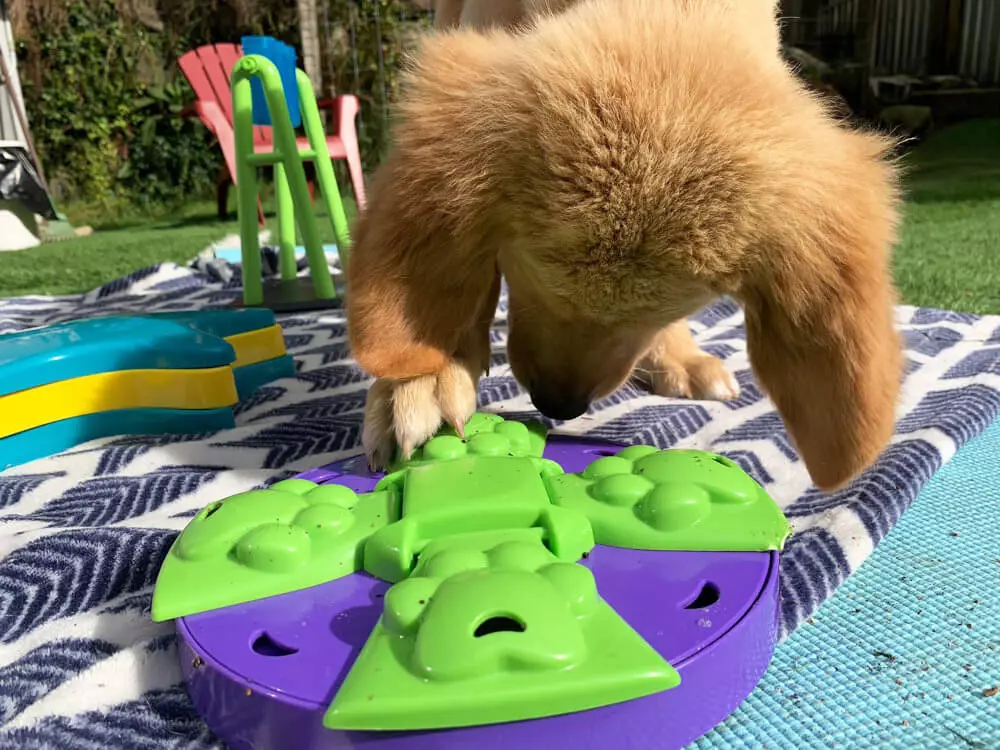
Credit: www.bowendogranch.com
Types Of Puzzle Toys
Puzzle toys come in many forms, each designed to challenge your dog’s mind. They keep dogs busy and help reduce boredom. Different types offer unique ways for dogs to interact and solve problems. Knowing these types can help you pick the right toy for your dog’s needs and personality.
Interactive Feeders
Interactive feeders turn mealtime into a fun activity. Dogs must figure out how to get food from the feeder. These toys slow down fast eaters and boost mental stimulation. They come in various designs, from simple puzzles to complex mazes. Interactive feeders improve focus and prevent overeating.
Treat-dispensing Toys
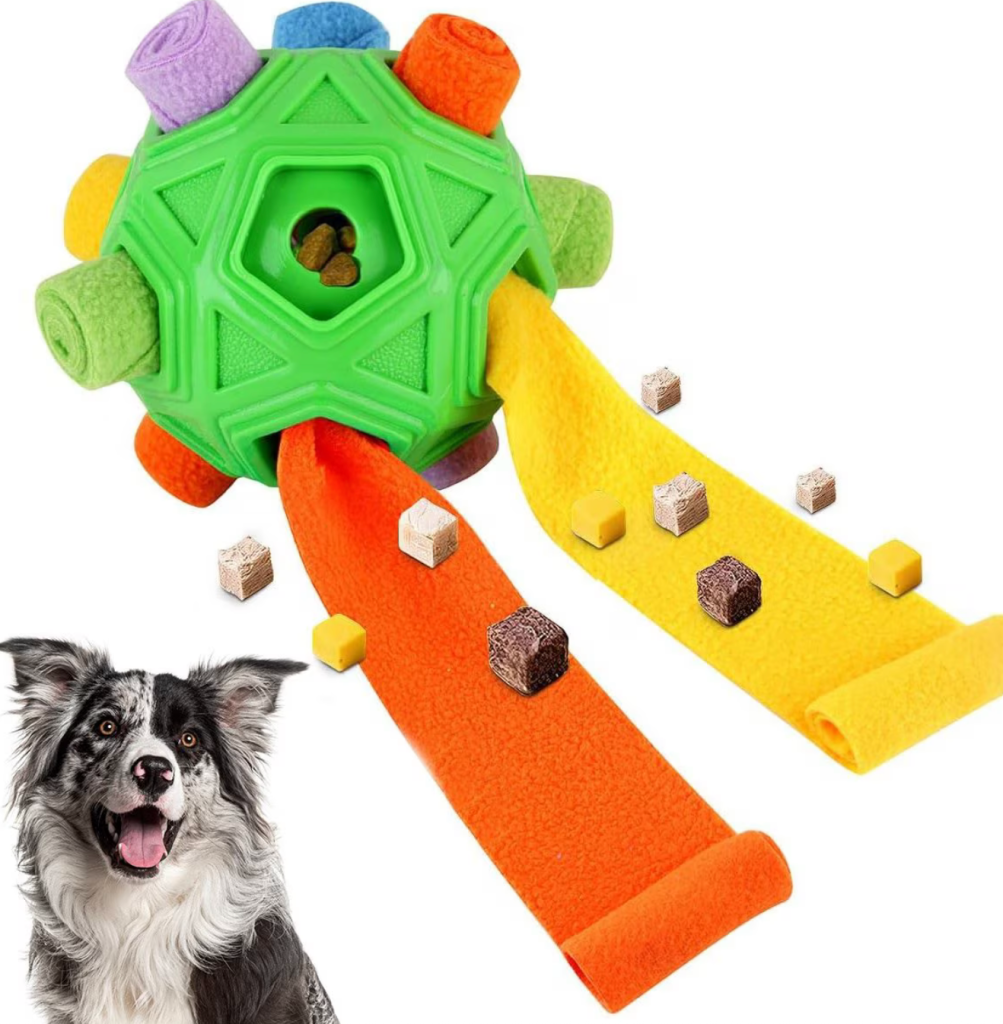
Treat-dispensing toys release snacks as dogs play. Dogs must push, roll, or nudge the toy to get treats. These toys encourage movement and thinking. They keep dogs entertained for longer periods. Treat-dispensing toys are perfect for training and rewarding good behavior.
Hide-and-seek Puzzles
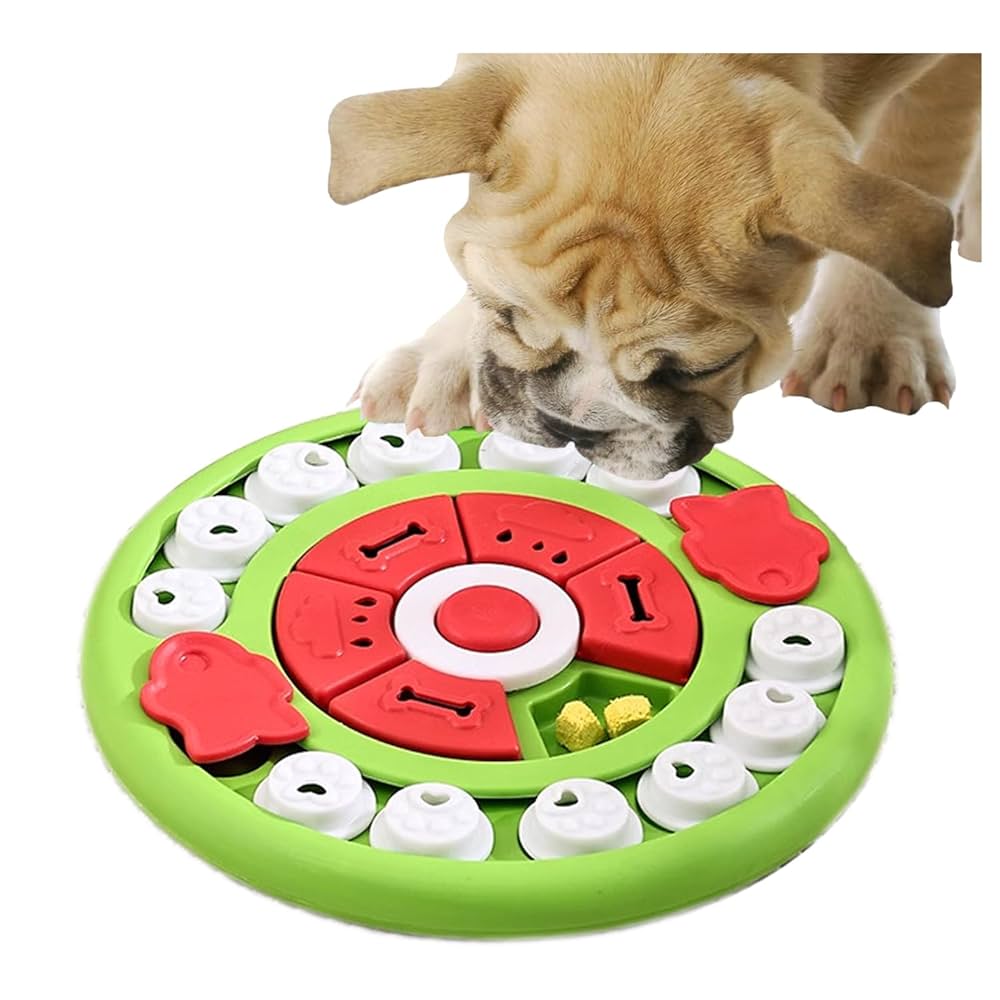
Hide-and-seek puzzles hide treats or toys inside compartments. Dogs use their nose and paws to find hidden rewards. This type sharpens problem-solving skills and scent tracking. Dogs enjoy the challenge of uncovering hidden goodies. These puzzles are great for curious and active dogs.
Diy Puzzle Options
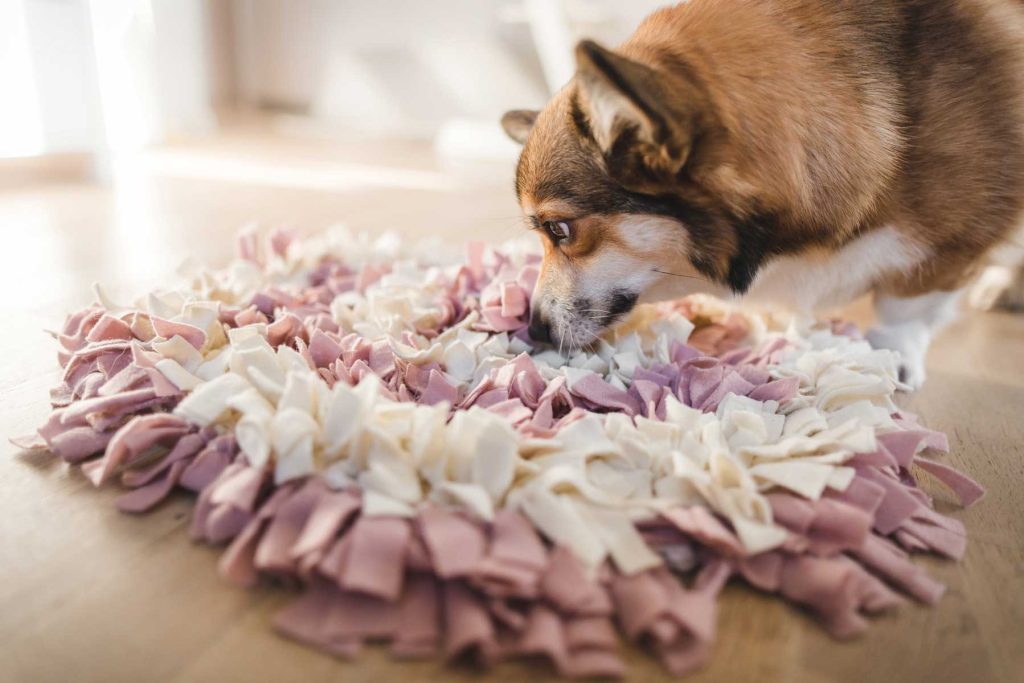
DIY puzzle toys can be made at home using everyday items. Use cups, boxes, or towels to hide treats. These simple puzzles engage dogs without extra cost. DIY options allow customization to suit your dog’s skill level. They offer a creative way to bond and entertain your dog.
Choosing The Right Puzzle Toy
Choosing the right puzzle toy is important for your dog’s enjoyment and safety. The perfect toy fits your dog’s needs and abilities. It keeps them busy without causing frustration. Picking a toy that matches your dog’s size, breed, and skill level makes playtime fun and rewarding.
Considering Dog Size And Breed
Small dogs need smaller toys to avoid choking hazards. Large dogs require bigger, sturdier puzzles to handle their strength. Some breeds are more curious and need complex toys. Others prefer simple puzzles with fewer steps. Match the toy size and style to your dog’s breed traits.
Assessing Difficulty Levels
Start with easy puzzles for beginners. These build confidence and encourage play. Increase difficulty as your dog learns. Toys with adjustable levels work well. Avoid puzzles too hard, causing boredom or stress. Balance challenge and fun for best results.
Material Safety
Choose non-toxic materials safe for chewing. Avoid small parts your dog can swallow. Look for BPA-free plastics or natural wood. Soft rubber is gentle on teeth. Always check for sharp edges or loose pieces. Safety matters most in puzzle toys.
Durability And Maintenance
Durable toys last longer and save money. Hardwearing materials resist chewing and rough play. Easy-to-clean puzzles prevent bacteria build-up. Dishwasher-safe parts are a plus. Inspect toys regularly for damage. Replace worn-out toys to keep your dog safe.
Introducing Puzzle Toys To Dogs
Puzzle toys keep dogs busy and sharp by challenging their minds. These toys help reduce boredom and encourage problem-solving skills. Dogs enjoy the mental exercise as much as the treats they find inside.
Introducing Puzzle Toys to Dogs Dogs are naturally curious and love a good challenge, making puzzle toys a perfect addition to their playtime. These toys not only engage their minds but also provide much-needed mental stimulation. But how do you introduce these intriguing gadgets to your furry friend?Starting Slow
Begin with simple puzzle toys that require minimal effort from your dog. This could be a basic treat-dispensing ball that rolls around, releasing treats as your dog nudges it. Starting with an easy toy builds confidence and sets the stage for more complex puzzles.Encouraging Engagement
Place the puzzle toy in an area where your dog feels comfortable and safe. Show interest in the toy yourself—your excitement will be contagious. You could even play with the toy alongside your dog to spark their interest.Rewarding Success
Every time your dog successfully completes a puzzle, give them a treat or lots of praise. This positive reinforcement encourages them to engage more with the toy. Celebrating small victories boosts your dog’s confidence and makes them eager to try again.Avoiding Frustration
Watch for signs that your dog is getting frustrated with the toy. If they seem overwhelmed, take a break or switch to a simpler puzzle. The goal is for your dog to have fun, not to feel stressed or defeated. Introducing puzzle toys is about creating a fun and enriching experience for your dog. Have you tried puzzle toys with your pup? What was their reaction?Common Challenges And Solutions
Puzzle toys can bring joy and mental exercise to dogs. Yet, some challenges arise during playtime. These issues may stop your dog from enjoying the toy or cause other problems. Understanding common challenges helps you find simple solutions. This way, puzzle toys stay fun and safe for your dog.
Lack Of Interest
Dogs may ignore puzzle toys if they find them boring. Some toys might be too hard or not rewarding enough. To spark interest, try these tips:
- Choose toys with treats your dog likes.
- Start with easy puzzles and increase difficulty gradually.
- Play together to show your dog how the toy works.
- Switch toys often to keep things fresh and exciting.
Destructive Behavior
Some dogs might chew or break puzzle toys out of frustration. This can ruin the toy and cause harm if they swallow pieces. Prevent destructive behavior by:
- Choosing durable, chew-proof puzzle toys.
- Watching your dog closely during playtime.
- Stopping play if your dog gets upset or aggressive.
- Providing other chew toys to satisfy chewing needs.
Overstimulation
Too much excitement or mental work can tire or stress your dog. Signs include heavy panting, whining, or avoidance of the toy. Manage overstimulation with these actions:
- Limit playtime sessions to 10-15 minutes.
- Give your dog breaks between sessions.
- Observe your dog’s mood and energy levels closely.
- Use calming treats or activities after play.
Safety Concerns
Safety is key during puzzle toy play. Small parts or poor materials can pose choking risks. Avoid dangers by following these guidelines:
- Pick toys made from non-toxic, pet-safe materials.
- Inspect toys regularly for damage or loose parts.
- Choose size-appropriate toys for your dog’s breed.
- Supervise your dog during play to respond quickly.

Credit: www.amazon.ca
Impact On Dog Behavior
Puzzle toys do more than just entertain your dog—they can shape how your pet behaves daily. These toys stimulate your dog’s mind and body, which often leads to noticeable changes in behavior. Understanding these impacts helps you choose the right toy to support your dog’s well-being and happiness.
Reducing Anxiety
Dogs often feel anxious when left alone or bored. Puzzle toys offer a distraction that keeps their minds busy, reducing stress and nervous energy. When my dog started using a treat-dispensing puzzle, I noticed fewer signs of pacing and whining during my absence.
Try giving your dog a puzzle toy during moments of anxiety, like thunderstorms or fireworks. It helps redirect their focus and calms their nerves naturally.
Enhancing Focus
Puzzle toys demand concentration. Your dog learns to solve problems step-by-step, which sharpens their attention span. I’ve seen my usually easily distracted pup stay engaged for long periods when figuring out how to access hidden treats.
Regular use of these toys can improve your dog’s ability to focus on commands and training sessions. Have you noticed your dog getting distracted quickly? Puzzle toys might help build that mental muscle.
Promoting Positive Habits
When dogs play with puzzle toys, they practice patience and self-control. This encourages calm behavior and reduces impulsiveness. My dog, who used to jump up excitedly, now waits calmly as she works through the puzzle to earn her reward.
Using puzzle toys can also cut down on destructive behaviors, like chewing furniture, by giving your dog a constructive outlet for their energy.
Strengthening Bond With Owners
Sharing puzzle toy time creates interactive moments between you and your dog. Guiding your dog through a new puzzle builds trust and communication. I found that working on puzzles together helped my dog understand my cues better and deepened our connection.
Would you like to spend quality time that benefits both you and your dog? Try solving a puzzle toy together and watch how your relationship grows.
Expert Tips For Maximizing Benefits
Expert tips help dogs get the most from puzzle toys. These toys challenge dogs’ minds and keep them busy. Using them well improves your dog’s happiness and skills. Simple strategies make playtime more fun and rewarding. Here are some ways to boost the benefits of puzzle toys for your dog.
Regular Rotation Of Toys
Changing puzzle toys often keeps dogs interested. Dogs get bored if they see the same toy daily. Rotate toys every few days to keep the challenge fresh. This helps maintain your dog’s focus and excitement. Keep a small collection and swap them regularly.
Combining Physical And Mental Exercises
Puzzle toys work best with physical activity. Exercise tires your dog and makes puzzle time more effective. A short walk or play session before puzzle games helps. Physical and mental workouts together improve health and behavior. Balance both types for a happy, well-rounded dog.
Monitoring Progress
Watch how your dog solves puzzles over time. Notice if tasks become too easy or too hard. Adjust toy difficulty based on your dog’s skill level. Tracking progress helps keep your dog challenged and motivated. Reward success to encourage learning and confidence.
Customizing Challenges
Match puzzle toys to your dog’s size and ability. Start with simple puzzles and increase difficulty slowly. Use treats your dog loves to boost interest. Customize challenges to fit your dog’s pace and style. Personalized puzzles make playtime more fun and effective.

Credit: www.holistapet.com
Frequently Asked Questions
Are Puzzle Toys Beneficial For Dogs’ Mental Health?
Yes, puzzle toys stimulate dogs’ brains, reducing boredom and anxiety. They encourage problem-solving and keep dogs mentally sharp and engaged.
How Do Puzzle Toys Improve A Dog’s Behavior?
Puzzle toys reduce destructive behavior by keeping dogs occupied. They channel energy positively, decreasing boredom-related issues like chewing and excessive barking.
What Types Of Puzzle Toys Suit Different Dog Sizes?
Small dogs benefit from lightweight, easy-to-manipulate puzzles. Larger dogs need durable, complex toys that challenge their strength and intelligence safely.
Can Puzzle Toys Help With A Dog’s Physical Exercise?
Yes, some puzzle toys promote physical activity by encouraging dogs to move and interact. This supports overall fitness alongside mental stimulation.
Conclusion
Puzzle toys keep dogs active and happy every day. They help dogs think and solve problems. This mental work can reduce bad behavior and stress. Dogs enjoy the challenge and feel rewarded. Owners see their pets become smarter and calmer.
Puzzle toys also strengthen the bond between dogs and owners. Try different types to find what your dog likes best. Simple, fun, and healthy—puzzle toys bring joy to dogs’ lives. A small investment for big benefits. Worth trying for any dog owner.