Are you looking for a fun and easy way to keep your dog happy and mentally sharp? Making puzzle toys for your dog is a great solution that you can create right at home.
These toys challenge your dog’s mind, reduce boredom, and even help with behavior problems. You’ll discover simple steps to craft puzzle toys that your furry friend will love. Keep reading to unlock the secrets of making playtime more exciting and rewarding for your dog!
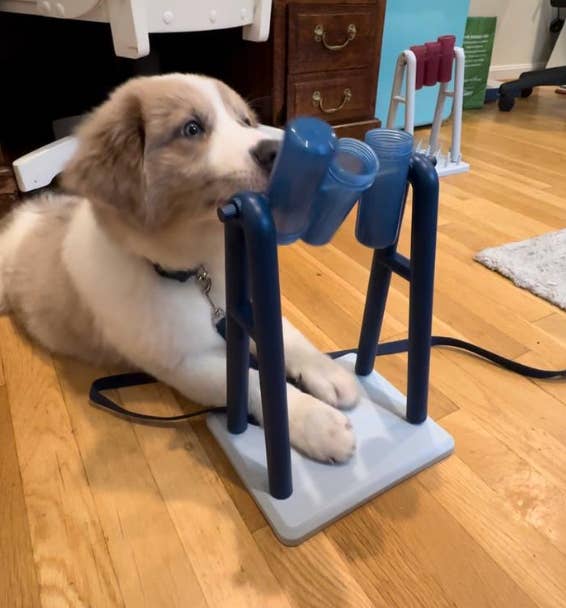
Credit: www.buzzfeed.com
Benefits Of Puzzle Toys
Puzzle toys offer many benefits for dogs. They make playtime fun and useful. Dogs stay busy and happy with these toys. The toys help dogs grow smarter and healthier. Below are key benefits that puzzle toys bring to your pet’s life.
Mental Stimulation
Puzzle toys challenge a dog’s mind. They must think to solve problems and get treats. This mental work keeps their brain active and sharp. It helps reduce boredom and frustration. Dogs enjoy figuring out puzzles and feel rewarded.
Physical Exercise
Many puzzle toys involve movement and action. Dogs use their paws, nose, and mouth to interact. This activity provides gentle physical exercise. It helps keep muscles strong and joints flexible. Exercise also supports a healthy weight and overall fitness.
Behavioral Improvements
Puzzle toys can reduce bad habits like chewing or barking. They provide a positive outlet for energy and focus. Dogs become calmer and more patient over time. These toys encourage good behavior and reduce anxiety. Owners notice a happier and well-behaved pet.
Credit: www.buzzfeed.com
Materials You’ll Need
Gathering the right materials is key to making puzzle toys for dogs. Using simple and safe items ensures your pet enjoys the toy without any risk. Many items needed can be found around the house. Some special supplies may help create durable and pet-friendly puzzles.
Common Household Items
Many puzzle toys start with things you already have. These items are easy to find and cost nothing extra.
- Empty plastic bottles (clean and dry)
- Cardboard boxes or tubes
- Old towels or cloth pieces
- Paper egg cartons
- Plastic containers with lids
- Spoons or small cups
These items can be used to hide treats or create simple challenges. Recycling them is eco-friendly and fun.
Safe And Non-toxic Supplies
Choosing pet-safe materials protects your dog’s health. Avoid anything with sharp edges or toxic chemicals.
- Non-toxic glue or tape
- Pet-safe paint or markers
- Natural fibers like cotton or hemp rope
- Food-grade silicone molds
- Soft rubber balls or toys
Always check labels to confirm safety. Using these supplies makes your puzzle toys durable and safe for chewing.
Simple Puzzle Toy Ideas
Simple puzzle toys can turn everyday items into exciting challenges for your dog. These ideas don’t require special tools or costly materials, making them perfect for quick, fun playtimes. You’ll be surprised how much your dog can learn and enjoy with just a little creativity.
Treat Dispensing Bottles
Grab an empty plastic bottle and clean it thoroughly. Cut a few small holes around the sides, just big enough for treats to fall out when the bottle rolls. Toss in some of your dog’s favorite snacks and watch as they figure out how to get the treats out.
This toy encourages your dog to use their nose and paws to solve the puzzle. It’s a great boredom buster and keeps your dog mentally active. Have you noticed how your dog’s problem-solving skills improve with such simple games?
Hidden Cup Games
Use three or more plastic cups and hide a treat under one of them. Shuffle the cups around and invite your dog to find the treat. This game sharpens your dog’s attention and memory.
You can increase the difficulty by adding more cups or changing the hiding spots. It’s a fun way to engage your dog’s brain and build their focus. How many tries does it take for your dog to master this challenge?
Towel Roll Challenges
Take an old towel and lay it flat. Scatter a few treats on it, then roll the towel up tightly to hide the snacks inside. Let your dog figure out how to unroll the towel to reach the treats.
This activity taps into your dog’s natural sniffing and pawing instincts. It’s simple but highly effective for mental stimulation. Try watching how your dog experiments with different ways to get the treats out—do they paw, bite, or nudge the towel?
Step-by-step Diy Projects
Creating puzzle toys for dogs at home is simple and fun. These DIY projects keep dogs busy and help their minds grow. Using common items around the house, you can make toys that challenge your dog’s thinking and reward them with treats. Here are three easy projects to try.
Building A Snuffle Mat
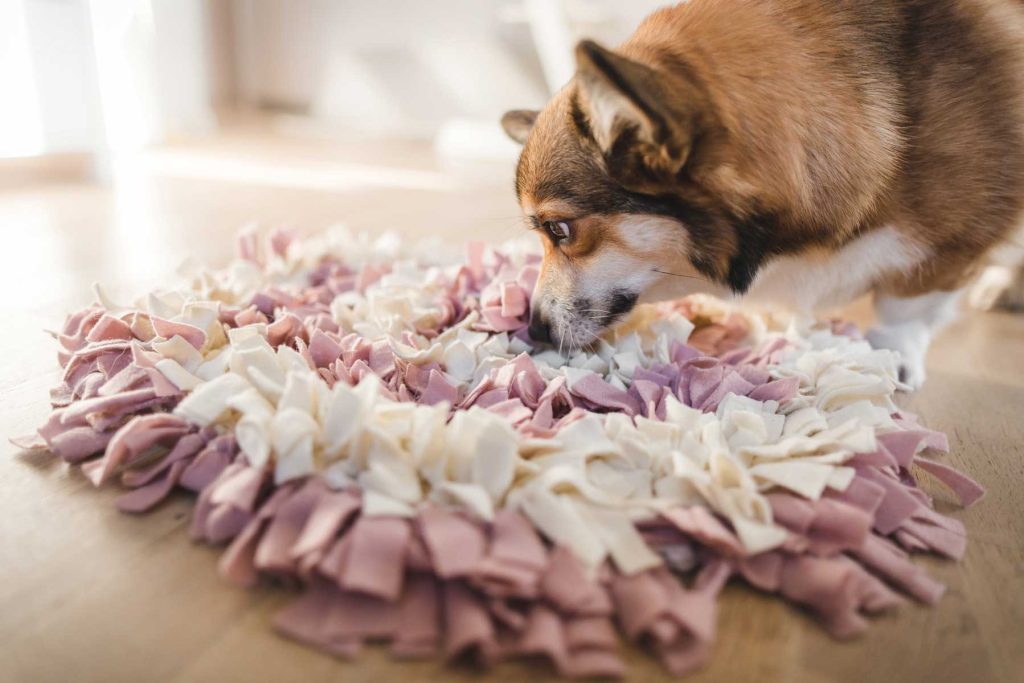
Gather a rubber mat with holes and strips of fleece fabric. Tie the fleece strips through the holes, creating a soft, dense surface. Hide small treats inside the fleece folds. Let your dog sniff and dig to find the hidden rewards. This mat encourages natural foraging and slows down fast eaters.
Creating A Muffin Tin Puzzle
Find a muffin tin and some tennis balls or small cups. Place treats in the muffin holes. Cover each hole with a ball or cup to hide the treats. Your dog must lift or move the covers to get the treats. This puzzle sharpens problem-solving skills and offers a tasty challenge.
Crafting A Tug-and-treat Toy
Use a sturdy rope or old t-shirt strips braided tightly. Tie knots at both ends and in the middle to create gripping spots. Insert small treats inside the knots. Your dog will tug, chew, and work to reach the treats inside. This toy combines playtime and mental exercise.
Tips To Keep Dogs Engaged
Keeping dogs interested in puzzle toys takes effort and creativity. Dogs get bored if challenges stay the same for long. Changing things up keeps their minds sharp and fun alive.
Simple tricks help keep dogs focused on the puzzle toy. Let’s explore some ways to make the playtime more exciting and rewarding.
Varying Difficulty Levels
Start with easy puzzles to build confidence. Gradually increase the challenge as your dog learns. Switch between simple and hard tasks to maintain interest. This prevents frustration and boredom at the same time.
Using Favorite Treats
Choose treats your dog loves most. This adds motivation to solve the puzzle. Use small, tasty rewards to keep them coming back. Change treats occasionally to keep surprises fresh and exciting.
Supervised Playtime
Always watch your dog during play. This ensures safety and encourages learning. Guide your dog gently if stuck on a puzzle. Praise their effort to build positive habits and excitement.
Safety Precautions
Creating puzzle toys for dogs can be fun and rewarding. Ensuring safety is vital to protect your furry friend. Follow these essential safety precautions to keep your dog safe while playing.
Choosing Durable Materials
Opt for strong materials that withstand chewing. Natural rubber and hard plastic are good choices. Avoid using materials that can easily break or shred.
Avoiding Choking Hazards
Ensure toy parts are large enough. This prevents accidental swallowing. Avoid small pieces that can be bitten off. Secure all attachments tightly to the toy.
Regular Toy Inspection
Check toys regularly for wear and tear. Discard any damaged toys immediately. Replace worn-out toys to maintain safety. Consistent checks prevent potential hazards.
Encouraging Regular Play
Encouraging regular play keeps dogs happy and healthy. Puzzle toys stimulate their minds and bodies. Consistent play helps dogs build confidence and reduce boredom. Establishing good habits makes playtime fun and effective. Here are ways to encourage your dog to enjoy puzzle toys often.
Setting Playtime Routines
Create a daily schedule for puzzle toy sessions. Choose specific times, like morning and evening. Consistency helps dogs expect and enjoy playtime. Start with short sessions, around 10 minutes, then increase gradually. Use the same spot to build familiarity and focus.
Rewarding Problem-solving
Praise your dog when they solve puzzles. Use treats or gentle petting as rewards. Celebrate small wins to boost their motivation. Avoid punishment if they struggle; stay patient and positive. This approach builds trust and encourages repeat play.
Mixing Puzzle Toys With Walks
Combine puzzle toy time with outdoor walks. Let your dog play with a puzzle before or after a walk. This mix balances mental and physical exercise. Change puzzle toy types to keep interest high. Variety keeps your dog curious and eager to play.

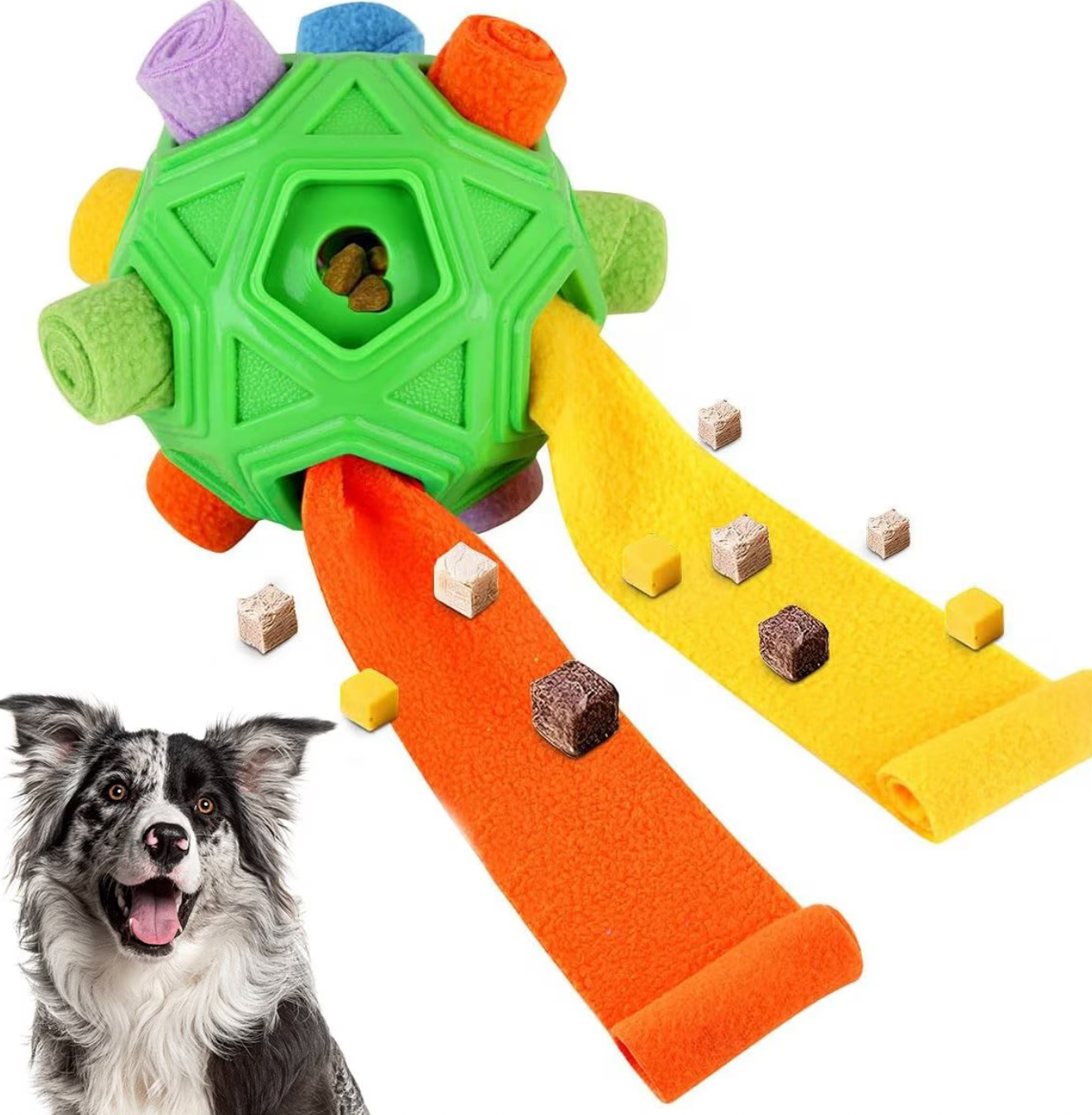
Credit: www.amazon.com
Frequently Asked Questions
What Materials Do I Need To Make Puzzle Toys For Dogs?
You need safe, non-toxic materials like plastic bottles, cardboard, and treats. Avoid small parts that dogs can swallow. Use household items to create interactive puzzles. Choose durable materials for long-lasting toys. Ensure all components are dog-friendly and easy to clean.
How Can Puzzle Toys Benefit My Dog’s Mental Health?
Puzzle toys stimulate your dog’s brain and reduce boredom. They improve problem-solving skills and encourage natural instincts. These toys help decrease anxiety and destructive behavior. Mental engagement keeps dogs happy and healthy. Regular play boosts cognitive function and focus.
Are Homemade Puzzle Toys Safe For All Dog Breeds?
Most homemade puzzle toys are safe if made correctly. Adjust complexity based on your dog’s size and skill level. Always supervise playtime to prevent choking hazards. Use sturdy materials to withstand chewing strength. Customize toys to suit your dog’s breed and preferences.
How Often Should I Rotate Puzzle Toys For My Dog?
Rotate puzzle toys every few days to maintain interest. This keeps your dog mentally stimulated and prevents boredom. Introducing new challenges promotes ongoing learning. Regular rotation also prolongs the life of each toy. Keep playtime fresh and exciting.
Conclusion
Making puzzle toys for dogs is fun and helps keep them busy. These toys challenge your dog’s mind and prevent boredom. You can use simple items from home to create them. Regular play with puzzle toys improves your dog’s focus and happiness.
Start small and watch your dog enjoy the new challenges. Keep trying different ideas to find what your dog likes best. Puzzle toys are a great way to bond with your dog every day. Give it a try and see the difference in your dog’s energy and mood.