Are you curious about making your own masturbation toy but don’t know where to start? Creating a DIY pleasure device can be fun, safe, and tailored exactly to your preferences.
Imagine having a toy designed just for you, without spending a lot of money or waiting for deliveries. In this guide, you’ll discover simple, easy-to-follow steps to craft your own masturbation toy using everyday items. By the end, you’ll feel confident and excited to try something new that enhances your personal pleasure.
Ready to unlock a new level of satisfaction? Let’s dive in!

Credit: www.kiiroo.com
Choosing Safe Materials
Choosing safe materials is vital when making a DIY masturbation toy. The body is sensitive, so harmful substances must be avoided. Selecting the right materials ensures comfort, safety, and a better experience. This section guides you through safe options, common allergens, and materials to avoid.
Non-toxic Options
Non-toxic materials do not release harmful chemicals. Silicone is a popular choice because it is soft and body-safe. Food-grade silicone is the best type to use. Other safe options include natural rubber and certain types of plastic labeled as body-safe. Always check for certifications to confirm safety.
Avoiding Allergens
Allergic reactions can cause irritation or discomfort. Common allergens include latex and certain dyes. Choose hypoallergenic materials when possible. Test a small area of skin before using the toy fully. This helps prevent unwanted allergic reactions or rashes.
Materials To Skip
Some materials are unsafe for intimate use. Avoid porous materials like regular foam or fabric, as they trap bacteria. Cheap plastics often contain phthalates, which are harmful chemicals. Never use materials with strong odors or unknown chemicals. Safety comes first in every choice.
Tools You’ll Need
Gathering the right tools is key to crafting a safe and effective DIY masturbation toy. The tools vary from everyday household items to specialized craft supplies. Cleanliness and safety are also important, so having proper sanitizing equipment is essential. Preparing these tools ahead will make the process smoother and more enjoyable.
Basic Household Items
- Soft sponges or foam pieces
- Empty plastic bottles or containers
- Elastic bands or rubber bands
- Non-toxic glue or tape
- Scissors or a small craft knife
- Plastic wrap or cling film
- Old socks or fabric scraps
Specialized Craft Supplies
- Body-safe silicone or molding clay
- Food-grade lubricants or gels
- Soft brushes for shaping or smoothing
- Heat gun or hair dryer (for shaping materials)
- Measuring cups or spoons for mixing
- Disposable gloves to keep hands clean
Sanitizing Equipment
- Isopropyl alcohol (70% or higher)
- Antibacterial soap
- Clean towels or paper towels
- Boiling water or steam sterilizer (if applicable)
- Storage containers to keep toys clean
Simple Diy Designs
Simple DIY designs make creating your own masturbation toy both fun and accessible. You don’t need fancy tools or materials to craft something tailored to your preferences. Just a bit of creativity and basic supplies can lead to surprisingly effective results.
Soft And Flexible Toys
Choosing materials that are soft and flexible is key for comfort and safety. Silicone putty or soft foam are excellent options because they mold easily and feel gentle against the skin.
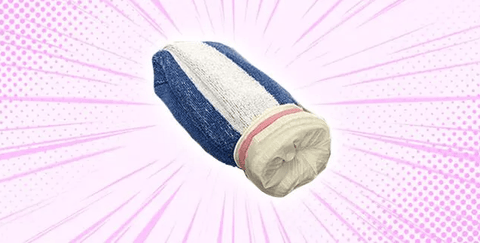
Try using household items like sponges wrapped in cling film or soft rubber bands around a smooth base to add flexibility. Have you noticed how softness can change the entire experience? It’s worth experimenting with different textures until you find what feels best for you.
Textured Surfaces
Adding texture can heighten sensations and make your DIY toy more exciting. You can create textures by wrapping your base with fabric like ribbed cloth, or pressing patterns into clay before it dries.
Small items like beads or ridged rubber bands work well to add subtle bumps or grooves. Think about what kind of texture stimulates you most—is it smooth, bumpy, or something with tiny ridges? This simple step can transform a plain toy into something uniquely satisfying.
Adjustable Sizes
One of the best features you can build into your DIY toy is adjustability. Using materials like elastic bands or Velcro allows you to change the size to fit your comfort level perfectly.
You can also design the toy in segments that can be added or removed as needed. How often do you find toys that fit just right? Making size adjustable ensures you have control over the experience every time.

Credit: www.lovepanky.com
Step-by-step Assembly
Creating a DIY masturbation toy is a rewarding and creative process. It allows personal customization and ensures complete privacy. Follow this guide to assemble your own toy with ease and precision.
Preparing Materials
Start by gathering all necessary materials. You’ll need a soft sponge, a latex glove, and lubricant. Use a plastic cup or small container for the base. Ensure scissors and tape are on hand for adjustments. Choose a safe, clean workspace to organize your materials.
Shaping And Molding
Shape the sponge to fit snugly inside the container. Cut the sponge to size if needed, ensuring a tight fit. Insert the latex glove into the container, leaving the fingers hanging out. Tuck the glove’s opening around the container’s rim. Secure it with tape to prevent slipping during use.
Finishing Touches
Add lubricant inside the glove for a smoother experience. Test the toy for comfort and adjust as necessary. Consider adding a decorative cover for aesthetics and discretion. Store your DIY toy in a clean, dry place after each use.
Cleaning And Maintenance
Cleaning and maintenance keep your DIY masturbation toy safe and long-lasting. Proper care prevents bacteria build-up and material damage. Simple routines protect your health and improve your experience.
Safe Cleaning Methods
Use warm water and mild soap to wash the toy after each use. Avoid harsh chemicals that can damage the material. Rinse thoroughly to remove all soap residues. For deep cleaning, soak the toy in a 10% bleach solution for a few minutes, then rinse well. Let the toy air dry completely before storing it.
Storage Tips
Store the toy in a clean, dry place away from direct sunlight. Use a cloth bag or a dedicated box to prevent dust and dirt. Avoid storing toys together to stop materials from sticking or reacting. Keep toys separate from other household items to maintain hygiene.
When To Replace
Replace your DIY toy if it shows cracks, tears, or changes in texture. Discoloration or strange smells also signal the need for replacement. Regularly check for signs of wear to ensure safety. Using a damaged toy can lead to infections or injuries.
Customizing For Comfort
Customizing your DIY masturbation toy ensures it fits your unique comfort needs perfectly. Everyone’s preferences differ, so tweaking your creation can turn a simple object into a deeply satisfying experience. Small changes can make a big difference in how it feels and functions.
Adding Vibrations
Adding vibrations can elevate your toy’s pleasure factor. You can use small, quiet motors from inexpensive devices like electric toothbrushes or massagers. Attach them securely inside the toy with hot glue or tape, making sure they don’t move around during use.
Think about the placement of the motor—close to the areas you want to stimulate the most. Try different speeds or patterns by wiring a simple switch or using battery-powered controllers. Have you ever noticed how even a gentle buzz can completely change the sensation?
Personalizing Textures
Texture can make or break your comfort. Experiment with materials like silicone sheets, soft fabrics, or even textured paint to create ridges, bumps, or smooth surfaces. Layering different materials can add surprising sensations you might not get from store-bought toys.
Consider what feels best against your skin—do you prefer something velvety or a bit firmer? You can try wrapping parts of the toy with soft sponges or adding gentle grooves for extra stimulation. How does changing the texture alter your experience?
Color And Scent Options
Color and scent might seem minor, but they affect your mood and comfort significantly. Use skin-safe dyes or food coloring to tint your toy in colors that relax or excite you. Choose natural essential oils or unscented options if you have sensitive skin.
Scent can trigger memories or boost your pleasure, so pick aromas that feel right for you—lavender for calm, peppermint for energy, or vanilla for warmth. Always test a small patch first to avoid irritation. What colors and smells make you feel most at ease?
Safety Precautions
Safety is the top priority when making a DIY masturbation toy. Using the wrong materials or methods can cause harm. Taking proper precautions helps avoid injuries and infections. Cleanliness and careful material selection are key. Follow these safety tips to ensure a safe experience.
Avoiding Injuries
Choose materials that are smooth and flexible. Avoid sharp edges or rough surfaces. Test the toy gently before full use. Stop immediately if you feel pain or discomfort. Never force the toy into the body. Use safe shapes that fit your comfort level. Avoid toys that can break or splinter easily.
Recognizing Unsafe Materials
Do not use porous materials like wood or foam. These can trap bacteria and cause infections. Avoid plastics that contain phthalates or toxins. Choose body-safe silicone or medical-grade materials. Steer clear of materials that smell strong or look suspicious. Check labels and research materials before use.
Hygiene Best Practices
Clean the toy before and after each use. Use warm water and mild soap. Dry completely to avoid mold or bacteria growth. Store the toy in a clean, dry place. Avoid sharing toys without proper cleaning. Consider using condoms over toys for added safety. Regular cleaning protects your health and well-being.

Credit: www.kiiroo.com
Frequently Asked Questions
What Materials Are Safe For Diy Masturbation Toys?
Use body-safe, non-toxic materials like silicone, soft rubber, or food-grade plastics. Avoid porous or harmful substances to prevent infections and irritation. Always prioritize hygiene and durability when selecting materials for homemade toys.
How Can I Ensure Hygiene For Diy Masturbation Toys?
Clean your DIY toy with warm water and mild soap before and after use. Use a condom over porous materials to reduce bacteria risk. Proper drying and storage in a clean, dry place help maintain hygiene.
What Tools Are Needed For Making A Masturbation Toy Diy?
Basic tools include molding silicone, a mixing bowl, measuring spoons, and safe shaping tools. Some projects might require a 3D printer or household items like sponges or fabric. Choose tools based on the design complexity and material used.
Can I Customize Diy Toys For Better Pleasure?
Yes, customization allows adjusting size, texture, and firmness. Experiment with different molds and materials to match personal preferences. Custom toys often provide enhanced comfort and satisfaction compared to store-bought options.
Conclusion
Making a DIY masturbation toy can be simple and fun. It lets you create something personal and safe. Always use clean materials to stay healthy. Take your time and be careful with every step. Experiment with shapes and textures to find what feels best.
Remember, safety and comfort come first. Enjoy the process and learn what works for you. This project can bring creativity and satisfaction together. Give it a try and see how it fits your needs.