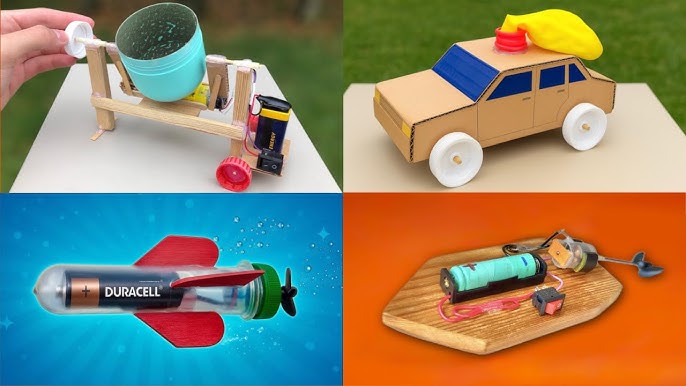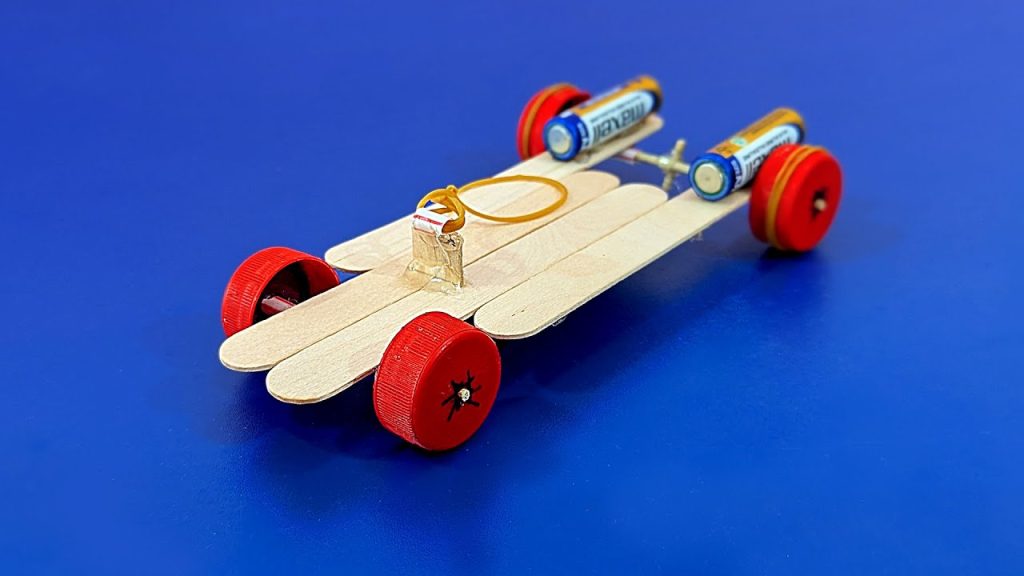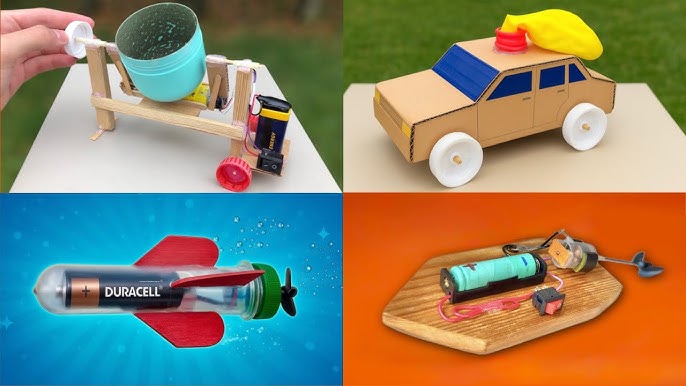
Are you looking for fun and creative ways to keep your kids entertained without breaking the bank? Making DIY toys is a fantastic way to do just that.
Not only will you save money, but you’ll also create unique, personalized toys that your children will love. Imagine the joy of seeing your kids’ faces light up when they play with something you made yourself. You’ll discover simple, step-by-step ideas to make safe and exciting toys right at home.
Ready to turn everyday materials into hours of fun? Let’s dive in and unlock your creativity!
Benefits Of Diy Toys
Making your own toys opens up a world of benefits that go beyond simple play. DIY toys engage your child’s mind and hands in ways store-bought toys often can’t. They offer a chance to connect, learn, and save money, all while having fun together.
Encouraging Creativity
DIY toys invite your child to use their imagination in unique ways. When you build a toy from everyday items, kids learn to see ordinary things differently. This sparks creativity and inspires them to invent new games or stories around their creations.
I once helped my niece turn old cardboard boxes into a mini castle. Watching her design, decorate, and play inside it was proof that creative play grows from simple beginnings. What could your child create with just a few household items?
Promoting Learning
Making toys yourself can turn playtime into a valuable learning experience. Children develop problem-solving skills as they figure out how to assemble or use their new toy. They also explore concepts like shapes, colors, and physics without even realizing it.
For example, crafting a DIY puzzle from painted wood pieces encourages focus and hand-eye coordination. You can guide your child through the process and see how they absorb new information naturally. How might your next DIY toy help your child learn?
Cost-effective Fun
DIY toys are a budget-friendly way to keep your child entertained. Instead of spending a lot on fancy toys, you can reuse items you already have at home. This approach reduces waste and saves money for other important needs.
- Use fabric scraps to sew simple stuffed animals.
- Turn bottle caps into game pieces.
- Create sensory bottles with water and glitter.
When you make toys yourself, you control the materials and costs. Could your next toy project become your most affordable and enjoyable yet?

Credit: www.youtube.com
Essential Materials
Gathering the right materials is the first step to making DIY toys that are fun and safe. Knowing what to use helps you avoid unnecessary trips to the store and keeps your project budget-friendly. Let’s look at some essential materials you likely already have or can easily find to create engaging toys.
Common Household Items
You’d be surprised how many everyday objects can become the base for a great toy. Items like cardboard boxes, empty toilet paper rolls, and bottle caps offer endless possibilities for creativity. Have you noticed how kids love stacking bottle caps or turning boxes into forts? These simple items make for perfect, cost-free materials.
Other useful household items include:
- Old socks for puppets
- Plastic containers for sorting games
- String or yarn to create pull toys
Safe Craft Supplies
Safety is key when choosing craft supplies for toys, especially if children will use them. Look for non-toxic paints, child-safe glue sticks, and washable markers. Avoid small parts like beads if your toy is for toddlers to prevent choking hazards.
Keep your toolbox stocked with:
- Child-friendly scissors with rounded tips
- Soft felt sheets for easy cutting and gluing
- Pipe cleaners that bend but don’t break easily
Recyclable Materials
Using recyclable materials not only helps the environment but adds a unique touch to your toys. Collect clean cans, plastic bottles, and scrap fabric to create something new. Have you tried making a shaker toy with rice inside a sealed bottle? It’s simple, fun, and uses materials you’d otherwise toss.
Think about collecting:
- Scrap paper and magazines for collage puzzles
- Old CDs for spinning tops or decoration
- Cardboard tubes from paper towels for telescopes or cars
What materials around your home could spark your next toy-making project? Sometimes the best creations come from the least expected items.
Simple Diy Toy Ideas
Simple DIY toy ideas bring joy and creativity to playtime. They use everyday materials and require little effort. Kids love making and playing with these toys. They help develop imagination and fine motor skills. These projects are budget-friendly and eco-friendly too.
Paper Plate Animals
Paper plate animals are fun and easy to create. Use paints, markers, and scraps of paper. Cut shapes like ears, eyes, and noses. Glue them onto the plate to make faces. Try making lions, owls, or turtles. These toys encourage storytelling and role-playing.
Sock Puppets
Sock puppets turn old socks into lively characters. Add buttons for eyes and yarn for hair. Use fabric scraps for clothes or hats. Kids can create voices and stories for their puppets. This activity improves creativity and speaking skills. It also recycles old socks in a fun way.
Cardboard Box Playhouses
Cardboard boxes transform into magical playhouses. Cut doors and windows for entry and light. Paint or color the outside to decorate. Let kids add curtains or furniture from other boxes. These playhouses offer hours of imaginative play. They also teach children about building and design.

Credit: www.youtube.com
Crafting Tips For Kids
Making DIY toys sparks creativity and saves money. Use simple materials like paper, fabric, or recycled items. Kids enjoy learning and playing with toys they build themselves.
Crafting with kids offers endless fun and learning opportunities. Creating DIY toys not only sparks joy but also enhances creativity. This activity fosters problem-solving skills and imaginative play. To make crafting enjoyable, consider these helpful tips.Supervision And Safety
Always supervise kids while crafting. Ensure the environment is safe and free from hazards. Use child-friendly materials. Avoid sharp tools and toxic substances. Check labels for age-appropriate recommendations.Encouraging Imagination
Let kids express their ideas freely. Provide a variety of materials like paper, fabric, and glue. Ask open-ended questions about their creations. Praise their efforts and creativity. This builds confidence and encourages innovation.Clean-up Strategies
Teach kids to clean as they go. Use easy-to-clean surfaces like plastic tablecloths. Have a designated place for supplies and trash. Make it a game to put things away. Reward them for tidying up after crafting.Customizing Toys
Customizing toys is where your creativity truly shines. It transforms a simple plaything into a unique treasure that reflects personality and style. Adding personal touches makes the toy more meaningful and fun to interact with.
Painting And Decorating
Painting is a simple way to give your toy a fresh look. Use non-toxic, child-safe paints to create bright colors or subtle patterns. You can try stripes, polka dots, or even tiny stars.
Decorating doesn’t stop at paint. Add stickers, glitter, or fabric scraps for extra flair. Think about the toy’s theme—does it need a superhero cape or a princess crown? These little details make a big difference.
Adding Textures
Textures bring toys to life by engaging the sense of touch. Glue soft felt patches, fuzzy pom-poms, or rough sandpaper pieces to different parts of the toy. This variety keeps playtime interesting and helps develop sensory skills.
Try mixing smooth and rough surfaces or shiny and matte finishes. Have you noticed how children often prefer toys they can feel in different ways? Adding textures invites exploration and creativity.
Personalizing With Names
Adding a name to a toy instantly creates a special bond. Use fabric markers, embroidery, or custom labels to mark the toy with your child’s name or a fun nickname.
This not only helps keep track of toys but also boosts a child’s sense of ownership. Wouldn’t you agree that a toy with a name feels more like a friend than just an object? Personalization adds that personal touch every child appreciates.
Involving The Whole Family
Involving the whole family in making DIY toys brings everyone closer. It turns crafting into a shared adventure. Each family member, big or small, adds their touch. This teamwork creates fun memories and teaches new skills.
Group Crafting Sessions
Set aside time for family crafting sessions. Gather all materials and work together. Each person can choose a part to create. Working side by side sparks creativity and laughter. These sessions build teamwork and patience in a fun way.
Sharing Toy-making Stories
Talk about past toys and how they were made. Share funny or special moments from childhood. Listening to stories inspires new ideas and keeps traditions alive. It also helps children appreciate the effort behind each toy.
Creating Traditions
Make toy-making a regular family event. Celebrate holidays or birthdays with DIY toy projects. Keep a family scrapbook of your creations and stories. These traditions build lasting bonds and make crafting a joyful habit.
Storing And Maintaining Diy Toys
Keeping your DIY toys in good shape and easy to find is just as important as making them. Proper storage and maintenance extend their life and keep playtime fun and safe. You’ll also save money and avoid frustration by knowing exactly where everything is and fixing small issues before they become big problems.
Organizing Craft Supplies
Start by sorting your craft supplies into clear containers or labeled boxes. This makes it simple to grab what you need without digging through a mess. Use small jars or compartments for tiny items like beads, buttons, or googly eyes to keep them from getting lost.
Think about creating a dedicated shelf or drawer just for your DIY toy materials. When everything has a home, you’re more likely to put things back after use. Have you noticed how much easier it is to focus on a project when your supplies are neat and accessible?
Repairing Broken Toys
Don’t throw away a DIY toy just because it’s broken. Many can be fixed with a little glue, new paint, or replacing parts like wheels or strings. Keep a small repair kit handy with basic tools and adhesives suited for your toy materials.
Check toys regularly for loose parts or wear and tear. Catching damage early means you can fix it quickly and keep the toy safe to use. Have you tried using hot glue or fabric patches to bring a tired toy back to life? It works wonders.
Rotating Toys For Interest
To keep your DIY toys exciting, try rotating them regularly. Store some toys away and switch them out every few weeks. This keeps playtime fresh and prevents your child from getting bored with the same toys all the time.
Use boxes or bins labeled by themes or types of toys for easy rotation. You’ll notice your child’s creativity grows when they rediscover “new” toys after a break. How might changing the toy lineup affect your child’s engagement during play?

Credit: www.youtube.com
Frequently Asked Questions
What Materials Do I Need For Diy Toys?
Basic materials include paper, fabric, glue, scissors, and recycled items. Choose non-toxic, child-safe supplies for safety. These materials are easy to find and versatile for various toy projects.
How Can I Make Safe Diy Toys For Toddlers?
Use soft, non-toxic materials and avoid small parts that pose choking hazards. Ensure all edges are smooth. Always supervise toddlers during play to maintain safety.
What Are Some Simple Diy Toy Ideas For Beginners?
Start with paper puppets, sock puppets, or cardboard cars. These projects require minimal skills and materials. They offer fun, creative play options for kids and adults alike.
How Do Diy Toys Benefit Child Development?
DIY toys stimulate creativity, problem-solving, and fine motor skills. They encourage imaginative play and reduce screen time. Making toys together also strengthens parent-child bonds.
Conclusion
Making DIY toys brings joy and creativity to all ages. It saves money and uses simple materials. Kids enjoy playing with toys they helped create. Parents find it a fun way to bond and teach skills. Try different ideas and see what works best.
Keep safety in mind with every step you take. DIY toys inspire imagination and make lasting memories. Give it a try—you might be surprised by the results!