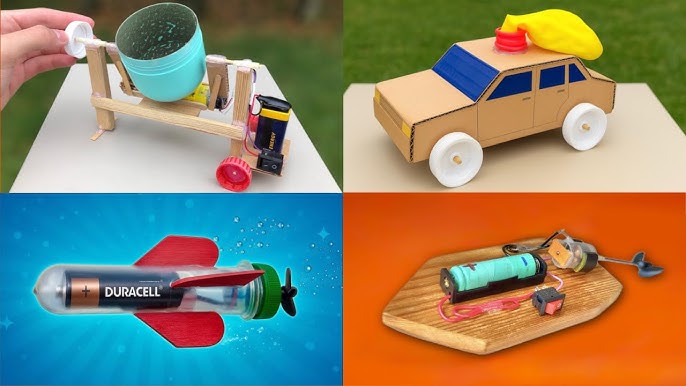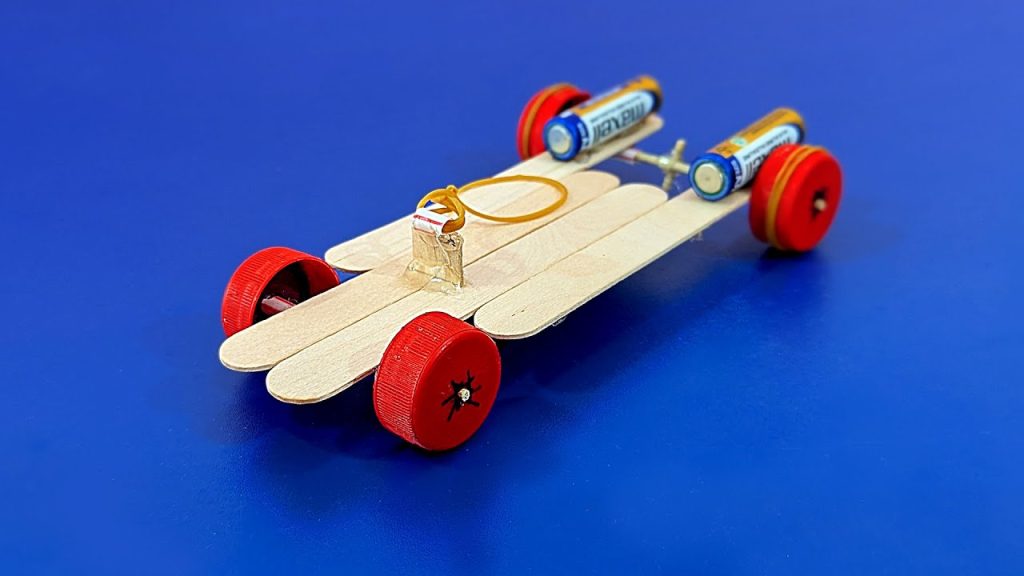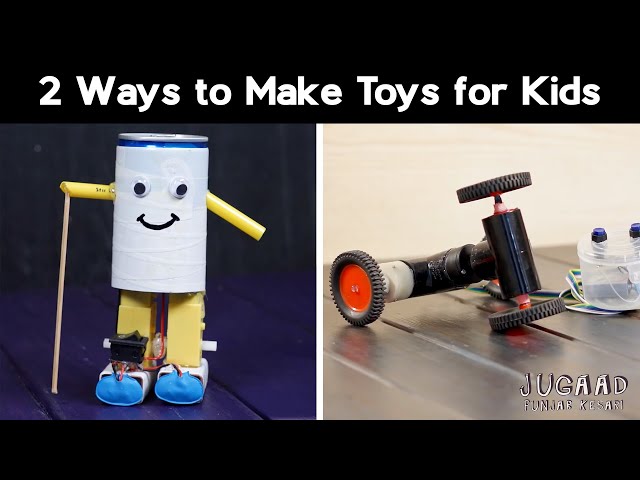
Are you looking for fun and creative ways to keep your kids busy while helping them learn? Making DIY toys for school is the perfect solution.
Not only will you save money, but you’ll also create unique toys that spark your child’s imagination and support their education. You’ll discover simple steps to craft engaging toys using materials you already have at home. Ready to turn everyday items into exciting learning tools?
Let’s dive in and make playtime both fun and educational!
Benefits Of Diy School Toys
DIY school toys bring many benefits for children. These toys offer a unique chance to grow skills and enjoy learning. They help kids explore ideas and use their minds creatively. Making toys at home also saves money and lets children play with things they helped create. The experience supports growth in many important ways.
Enhancing Creativity And Imagination
DIY toys inspire children to think freely and imagine new things. Crafting toys allows them to invent shapes, colors, and stories. This creative play boosts their ability to solve problems and think outside the box. Imagination grows stronger as kids design and build toys from simple materials. This skill benefits their school work and daily life.
Boosting Learning And Development
Homemade toys help children learn important concepts in fun ways. They explore numbers, letters, and shapes through hands-on play. These toys develop fine motor skills and hand-eye coordination. Kids also improve focus and patience during the making process. Learning becomes active and exciting with DIY school toys.
Encouraging Hands-on Activities
DIY toys promote physical interaction and active play. Children use their hands to cut, glue, and assemble parts. This hands-on approach strengthens their ability to work with tools and materials. It also reduces screen time and encourages movement. Practical activities build confidence and a sense of achievement.
Materials You Need
Gathering the right materials makes DIY toys for school fun and easy. Simple items from home can turn into creative playthings. Choosing safe and non-toxic supplies keeps children protected. Having the right tools helps craft toys smoothly and neatly.
Common Household Items
- Cardboard boxes and tubes
- Old socks and fabric scraps
- Plastic bottle caps and containers
- Paper, newspapers, and magazines
- Buttons, beads, and ribbons
- String, yarn, or twine
Safe And Non-toxic Supplies
- Non-toxic glue or glue sticks
- Water-based paints and markers
- Child-safe scissors
- Natural dyes or food coloring
- Soft, washable fabrics
- Non-toxic clay or play dough
Tools For Crafting
- Scissors with rounded tips
- Paintbrushes of various sizes
- Rulers and measuring tape
- Hole punchers
- Craft knives (for adult use only)
- Tape (masking, double-sided, or clear)
Simple Diy Toy Ideas
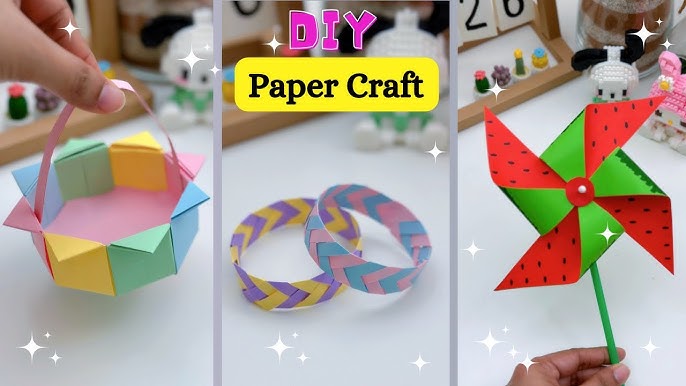
Simple DIY toy ideas bring fun and learning together. They use easy-to-find materials. Kids enjoy making toys themselves. These projects boost creativity and fine motor skills. Each toy is safe and affordable for school activities.
Paper Plate Clock
Create a clock using a paper plate. Draw numbers around the edge clearly. Use colored paper to cut clock hands. Attach hands to the center with a brad fastener. Kids can practice telling time by moving hands. This toy helps with learning hours and minutes.
Sock Puppet Friends
Make puppets from old socks. Add buttons or felt for eyes and mouth. Use yarn to create hair or accessories. Let kids decorate puppets with fabric markers. These puppets encourage storytelling and role play. Puppets also improve communication skills.
Cardboard Maze
Build a maze from recycled cardboard boxes. Cut walls and pathways carefully. Use small balls or marbles to roll through the maze. Kids can design their own routes and challenges. This toy promotes problem-solving and hand-eye coordination.
Credit: www.youtube.com
Educational Diy Toys
Creating DIY toys for school encourages creativity and learning through hands-on activity. Simple materials like paper, cardboard, and glue help make fun, educational toys. These projects boost problem-solving skills and keep kids engaged in school topics.
Educational DIY toys are a fantastic way to combine fun and learning, giving children the opportunity to develop critical skills while playing. They allow you to create personalized learning tools tailored to your child’s interests and educational needs. Let’s dive into some creative and effective DIY toys that you can make at home to foster your child’s educational journey.Alphabet Flashcards
Alphabet flashcards are a classic educational tool, and making your own can be a fun activity. You can use colorful cardstock or recycled paper. Draw or print letters and pair them with images of objects that start with each letter. Engage your child by asking them to color the cards or add stickers. This not only reinforces their letter recognition but also enhances their creativity. Have you ever considered using flashcards during a scavenger hunt? It’s a great way to add excitement and physical activity to learning!Counting Bead Bracelets
Counting bead bracelets are a hands-on way for children to practice counting and learn about numbers. Gather some string and a variety of colorful beads. Encourage your child to create patterns or count the beads as they string them. This activity improves fine motor skills and introduces basic math concepts. Plus, it results in a wearable piece of art they can proudly show off. Imagine your child using their bracelet to count during everyday activities, such as while waiting in line or during car rides.Shape Sorting Boxes
Shape sorting boxes are perfect for teaching children about different shapes and spatial awareness. You can create one using a shoebox and some cardboard. Cut out various shapes and their corresponding slots in the box. As your child fits each shape into its slot, they learn to recognize and differentiate between them. This toy is not just about shapes; it’s about problem-solving and patience. Have you tried making it a group activity where siblings or friends help each other? It’s a wonderful way to build teamwork skills while learning. Educational DIY toys can transform everyday learning into an adventure. Which one will you try first?Fun Group Activities
Group activities make DIY toy projects at school more exciting and meaningful. They encourage teamwork, spark creativity, and help kids learn from each other. When children work together, they not only build toys but also build friendships and communication skills.
Collaborative Story Dice
Create simple story dice by decorating wooden blocks or cardboard cubes with pictures, words, or symbols. Each player rolls the dice and adds a part to the story based on what they see. This activity boosts imagination and helps children think on their feet.
Have you noticed how quickly a story can change when multiple minds add to it? This game teaches kids to listen and adapt, skills that are useful beyond the classroom.
Team Puzzle Challenges
Make puzzles from recycled cardboard or print custom images to cut into pieces. Divide the class into small teams and see who can solve their puzzle the fastest. This fun competition improves problem-solving and encourages cooperation.
Try switching puzzle pieces between teams mid-game. It pushes kids to communicate and negotiate, turning a simple task into a valuable lesson in teamwork.
Homemade Board Games
Invite students to design their own board games using paper, markers, and household items. They decide the rules, create the game board, and make playing pieces. This hands-on activity combines creativity with critical thinking.
Playing each other’s games lets kids share ideas and appreciate different perspectives. What new rules or twists can you add to make your game stand out?

Credit: www.youtube.com
Tips For Safe Toy Making
Making DIY toys for school projects is fun and rewarding. Safety must always come first. Careful planning and smart choices keep kids safe while they create. Follow simple tips to ensure every toy is safe to play with and lasts long.
Choosing Kid-friendly Materials
Pick materials that are non-toxic and safe for children. Avoid sharp edges or small parts that can cause choking. Use soft fabrics, thick cardboard, or large wooden pieces. Check labels to ensure paints and glues are child-safe. Natural materials like cotton or felt work well and feel gentle.
Supervision During Crafting
Always watch kids closely while they make toys. Help with cutting, gluing, or painting to avoid accidents. Teach how to use tools safely. Stay nearby to stop any unsafe actions quickly. Supervision helps children learn and keeps the project safe.
Proper Storage Of Finished Toys
Store toys in clean, dry places to avoid damage. Use clear bins or shelves for easy access and visibility. Keep toys out of reach of very young children if they have small parts. Regularly check toys for wear and tear. Fix or discard broken toys to prevent injuries.
Incorporating Diy Toys In Learning
Incorporating DIY toys into learning creates a lively and hands-on environment. These toys make lessons more fun and help children understand ideas better. They encourage creativity and problem-solving skills. Using DIY toys allows kids to explore and learn at their own pace. It also helps teachers and parents connect lessons with play.
Integrating Toys Into Lessons
Use DIY toys to explain new topics clearly. For example, a homemade puzzle can teach shapes and colors. Science lessons become easier with simple models made from craft materials. Use toys to demonstrate math problems like counting or addition. This makes learning active and enjoyable. Children remember lessons better when they use toys.
Encouraging Independent Play
DIY toys promote independent thinking and play. Kids explore the toys and invent their own games. This builds confidence and decision-making skills. Set up a play area with different DIY toys. Let children choose what to play with and how to use it. Independent play helps develop focus and creativity without constant help.
Tracking Educational Progress
Observe how children use DIY toys to learn skills. Note improvements in areas like problem-solving or hand-eye coordination. Keep a simple chart to record milestones reached during play. Ask children questions about their toy activities. This shows their understanding and areas needing support. Tracking progress helps tailor future learning activities effectively.

Credit: www.youtube.com
Frequently Asked Questions
What Materials Are Needed For Diy School Toys?
You need basic craft supplies like paper, cardboard, glue, scissors, and markers. Recycled items such as bottle caps and fabric scraps work well. These materials are affordable, safe, and easy to find, making DIY school toys creative and eco-friendly.
How Can Diy Toys Enhance Learning At School?
DIY toys promote hands-on learning and creativity. They help children develop motor skills, problem-solving, and critical thinking. Making toys encourages teamwork and boosts confidence, creating a fun and effective educational environment.
Are Diy Toys Safe For Young Children?
Yes, DIY toys can be safe if made with non-toxic materials. Avoid small parts that pose choking hazards. Always supervise children during play to ensure safety and prevent accidents.
How To Make Diy Educational Toys For School?
Focus on simple designs using everyday items. Create puzzles, counting games, or alphabet blocks. Ensure toys are age-appropriate and stimulate cognitive skills. Instructions should be clear and easy to follow for successful crafting.
Conclusion
Making DIY toys for school is fun and easy to do. You can use simple materials found at home. Kids enjoy playing with toys they helped create. This activity also teaches creativity and problem-solving skills. It saves money and helps reduce waste.
Try different ideas and see what works best. Keep safety in mind while crafting. Share your creations with friends and classmates. Enjoy the process as much as the result. DIY toys bring learning and play together in a special way.