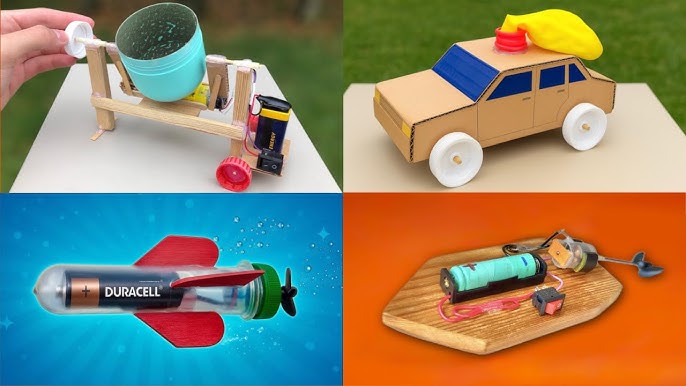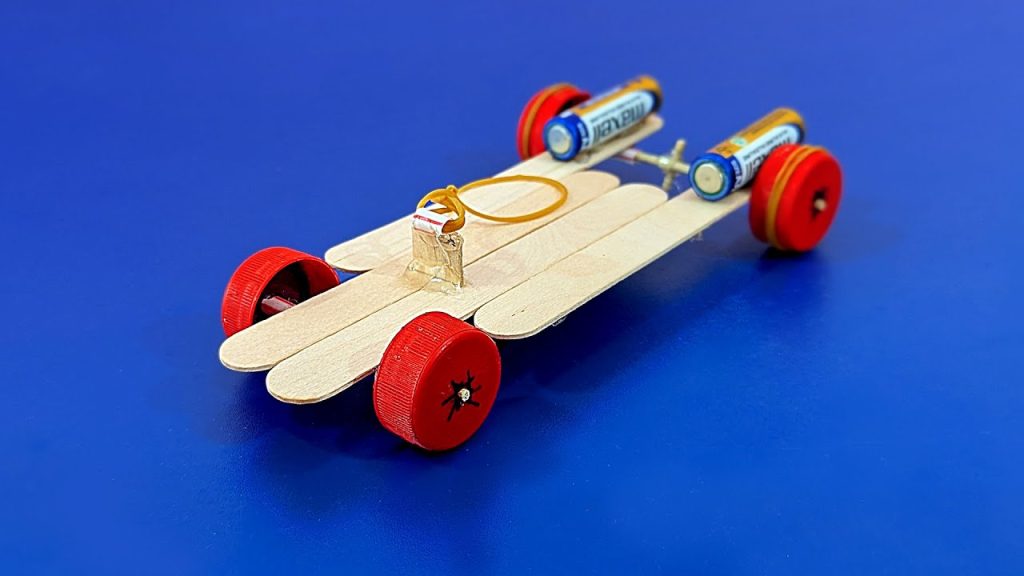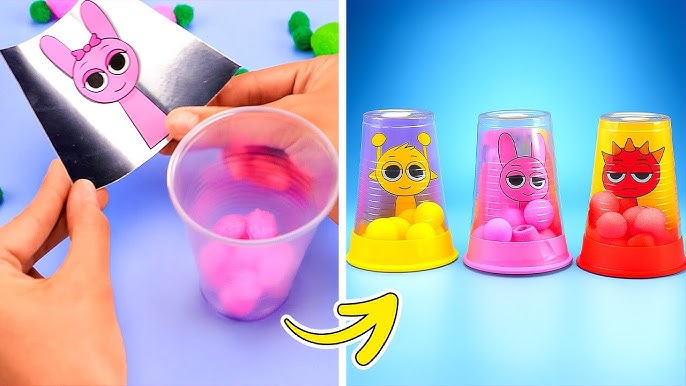
Are you looking for a fun and simple way to keep your hands busy and your mind calm? Making DIY fidget toys is the perfect solution.
These small, tactile gadgets can help reduce stress, improve focus, and even boost creativity. And the best part? You can create them yourself with easy-to-find materials right at home. In this guide, you’ll discover step-by-step instructions to craft your own fidget toys that suit your style and needs.
Ready to dive in and make something that truly works for you? Let’s get started!
Benefits Of Diy Fidget Toys
DIY fidget toys are more than just simple crafts; they offer real benefits that can improve your daily life. Making your own fidget toys lets you tailor them to your needs and preferences, boosting their effectiveness. Let’s look at why creating DIY fidget toys is worth your time.
Stress Relief And Focus
Using fidget toys can help ease anxiety and reduce stress. When you build your own, you can choose textures and movements that soothe you best.
Have you noticed how fiddling with something small helps calm your mind during tense moments? DIY fidget toys give you that same benefit but designed just for your comfort.
They also improve concentration. If you struggle to stay focused during work or study, having a personalized fidget toy can keep your hands busy without distracting your brain.
Cost-effective And Customizable
Store-bought fidget toys can add up in cost, especially if you need several or want different types. Making your own lets you save money by using inexpensive materials you already have.
You get to decide the size, shape, and color, so it perfectly fits your style and needs. Whether you prefer a soft squishy ball or a clicky spinner, your options are wide open.
What materials do you have at home that could turn into a fidget toy? Simple items like rubber bands, buttons, or beads can become part of your creation.
Creative Outlet
DIY fidget toys offer a chance to express creativity. Designing and assembling them can be relaxing and satisfying, turning stress relief into a fun activity.
Trying different designs encourages problem-solving and experimentation. You might find joy in mixing colors or adding unique features like scented beads or textured surfaces.
Have you ever thought about how making something with your hands can distract your mind from worries? Crafting fidget toys provides that mental break while giving you a useful tool.

Credit: www.youtube.com
Materials Needed
Gathering the right materials is key to making DIY fidget toys. Choose simple items that are safe and easy to handle. Many materials come from around the house or basic craft supplies. Tools will help put everything together quickly and neatly.
Common Household Items
- Rubber bands
- Paper clips
- Plastic bottle caps
- Old buttons
- Straws
- Small beads
- Fabric scraps
Craft Supplies
- Pipe cleaners
- Foam sheets
- Glue sticks or liquid glue
- Velcro strips
- Colored paper
- Pom-poms
- Elastic cords
Tools For Assembly
- Scissors
- Hot glue gun
- Tweezers
- Needle and thread
- Ruler
- Craft knife
Simple Fidget Toy Ideas
Creating your own fidget toys can be both fun and satisfying. Simple materials that you already have at home can turn into engaging tools to keep your hands busy and your mind focused. These easy DIY ideas are perfect if you want something quick to make but effective to use.
Button Spinner
A button spinner is a classic and easy-to-make fidget toy. All you need are two buttons and a piece of string or thin cord.
Thread the string through the buttons, tie the ends, and twist the string to spin the buttons around each other. The smooth motion and gentle resistance can be surprisingly calming. Have you noticed how such a small toy can hold your attention for minutes?
Paperclip Chain
Making a paperclip chain is a great way to create a tactile fidget toy using office supplies. Simply link paperclips together, forming a long chain.
You can twist, pull, and rearrange the chain to relieve stress. The satisfying click of each paperclip connecting adds to the sensory experience. How often do you find yourself fiddling with small objects during a meeting or study session?
Rubber Band Ball
A rubber band ball is more than just a simple toy; it’s a project that grows as you add more bands. Start with a small core—like a crumpled piece of paper—and wrap rubber bands tightly around it.
The texture and resistance of the bands make it perfect for squeezing and rolling between your fingers. Plus, it’s easy to customize the size and strength to fit your needs. Have you tried making one and noticed how it helps you focus better?

Credit: www.youtube.com
Advanced Diy Fidget Toys
Advanced DIY fidget toys offer a fantastic way to engage your creativity while crafting something truly unique. These toys go beyond simple designs and challenge you to work with different materials and techniques. They not only provide sensory satisfaction but also encourage fine motor skills and focus.
Bead Maze
A bead maze is more than just a colorful toy; it’s a hands-on puzzle that keeps your fingers busy. You can create one using thick wire, wooden beads, and a sturdy base like a wooden board. Bend the wire into loops and curves, then thread beads through them.
This toy requires patience and precision, especially when shaping the wire. It’s perfect if you want a tactile experience that also boosts hand-eye coordination. Have you ever tried twisting wire into complex shapes? It’s surprisingly rewarding.
Mini Stress Ball
Making a mini stress ball at home is simple and highly satisfying. Use a balloon, some flour or rice, and a funnel to fill it up. You can add small beads or sand for different textures.
What’s fun is customizing the size and firmness to your liking. These little stress balls fit perfectly in your hand and offer a quick way to release tension. Imagine having a personalized stress ball ready whenever anxiety strikes.
Magnetic Rings
Magnetic rings are a cool way to play with magnetic forces and create soothing fidget toys. You’ll need strong magnets, such as neodymium rings, and a small container or frame to hold them. Arrange the magnets so they attract and repel each other in interesting ways.
This project requires careful handling since strong magnets can snap together quickly. But once assembled, these rings provide a satisfying click and smooth spinning motion. Have you felt how magnetic resistance can calm restless fingers?
Tips For Customizing Toys
Customizing DIY fidget toys makes them more fun and personal. It lets you create toys that suit your style and needs. Small changes can make a big difference in how the toy feels and looks.
Use easy ideas to add colors, textures, and personal touches. These tips help make each toy unique and enjoyable to use.
Adding Colors And Patterns
Choose bright colors to make your toy stand out. Use markers, paint, or colored tape to add designs. Patterns like stripes, dots, or swirls give a playful look.
Mix and match colors that you like. Try contrasting shades to catch the eye. Simple shapes or repeating patterns work well on small toys.
Incorporating Different Textures
Textures add interest and help with sensory needs. Use soft fabrics, rubber bands, or foam pieces. Smooth beads or bumpy surfaces create variety.
Glue or sew materials securely. Test how the toy feels in your hand. Different textures keep fingers busy and focused.
Personalizing With Names Or Themes
Add names or initials to make the toy special. Use stickers, paint pens, or engraving tools. Themes like animals, sports, or space make toys fun.
Choose designs that match your favorite things. Personal touches create a stronger connection to the toy. It feels like it was made just for you.
Safety Considerations
Safety is key when making DIY fidget toys. These toys should be safe to handle and play with, especially for kids. Using the right materials and following good practices keeps everyone safe and happy. Pay attention to how you make and store the toys to avoid accidents and injuries.
Choosing Non-toxic Materials
Pick materials that are safe and free from harmful chemicals. Look for labels like “non-toxic” or “child-safe.” Avoid paints, glues, or plastics that can cause allergies or poisoning. Natural materials like wood or silicone are good choices. Always check if the material is approved for children’s use.
Avoiding Small Parts For Children
Small pieces can be a choking hazard for young kids. Avoid beads, buttons, or tiny parts that can easily come loose. Use larger components that are hard to swallow. Secure all parts tightly to prevent them from falling off. Keep toys age-appropriate and follow safety guidelines for children under three years old.
Proper Use And Storage
Teach children how to use fidget toys safely. Avoid rough play or putting toys in the mouth. Store toys in a clean, dry place to keep them in good shape. Regularly inspect toys for damage or wear. Throw away any broken or unsafe pieces to prevent harm.
Maintaining And Repairing Fidget Toys
Create your own fidget toys using household items. Crafting these can be a fun and rewarding activity.
Maintaining and repairing your DIY fidget toys can extend their life and ensure they continue to serve their purpose. Whether it’s a simple spinner or an intricate cube, keeping these toys in top condition is crucial for both performance and enjoyment. Let’s explore some practical tips and techniques for cleaning, fixing, and even upgrading your favorite fidget toys.Cleaning Techniques
Regular cleaning can keep your fidget toys looking and functioning like new. A simple wipe with a damp cloth can remove surface dirt and grime. For tougher spots, try using a mild soap solution and a soft brush to gently scrub away any buildup. If your fidget toy has intricate parts, using a cotton swab can help reach those tight areas. Avoid using harsh chemicals as they can damage the materials. Remember, a little cleaning goes a long way in maintaining the toy’s appeal and functionality.Fixing Common Issues
Loose parts and squeaky joints are common issues with fidget toys. Tightening screws or applying a small amount of lubricant can often resolve these problems. Be cautious not to over-tighten, as this may damage the toy. If your fidget toy is made from plastic and a piece snaps off, a dab of superglue can work wonders. Always let the glue dry completely before using the toy again. Addressing these minor issues promptly can prevent larger problems down the road.Upgrading Older Toys
Sometimes, a little upgrade can breathe new life into an older fidget toy. Swapping out old bearings for new, smoother ones can enhance the toy’s performance. You might even consider customizing your toy with new colors or patterns to reflect your personal style. Adding accessories like rubber grips can improve the tactile experience. Experimenting with different modifications can make your fidget toys more enjoyable and personalized. What creative upgrades can you think of for your fidget toys?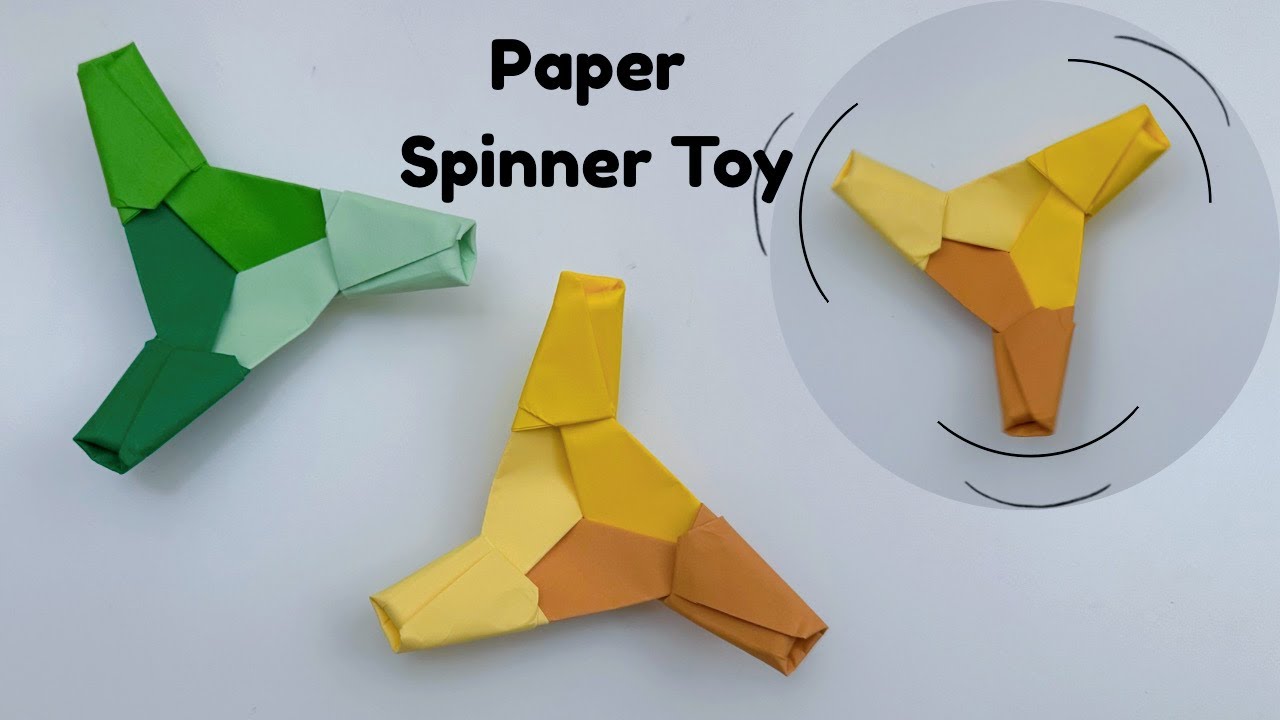
Credit: www.youtube.com
Sharing And Gifting Ideas
Sharing your DIY fidget toys can create joyful moments and strengthen bonds. Giving a handmade toy shows care and thoughtfulness that store-bought items often lack. How you present your creation can make a simple gift feel special and memorable.
Packaging Tips
Choose packaging that protects your fidget toy but also adds charm. Small kraft paper boxes or clear plastic bags with colorful ribbons work well. Add a personalized tag with a fun message or instructions on how to use the toy.
Try using recycled materials like fabric scraps or old maps for wrapping. This not only looks unique but also shows your commitment to sustainability. Would your recipient appreciate a package that feels like a tiny surprise box?
Creative Presentation
Make the gift stand out by adding an unexpected element. Place your fidget toy inside a mason jar filled with confetti or small notes. This creates a playful reveal that makes the experience more exciting.
You can also pair the toy with a mini booklet explaining its benefits or fun ways to fidget. Including a personal story about how making the toy helped you can make your gift even more meaningful. What story could you share that connects you and the person receiving your gift?
Fidget Toys For Special Occasions
Tailor your DIY fidget toys to fit holidays, birthdays, or celebrations. For Halloween, create spooky-themed toys using orange and black beads or stretchy spider web designs. For birthdays, customize colors and add the recipient’s initials or favorite shapes.
Consider making sets for classroom parties or office events to spread calm and focus in group settings. Small, thoughtful gifts like these can spark conversations and help others discover the joy of fidgeting. How could your gift bring calm or fun to a special day?
Frequently Asked Questions
What Materials Are Needed To Make Diy Fidget Toys?
You need simple materials like beads, rubber bands, buttons, and glue. Recycled items and household supplies work well too. These materials are affordable, safe, and easy to find, making DIY fidget toys accessible for everyone.
How Can Diy Fidget Toys Help With Stress Relief?
DIY fidget toys provide tactile stimulation, which helps reduce anxiety. They improve focus and calm the mind through repetitive motion. Making your own toy adds creativity, enhancing the calming effect.
Are Diy Fidget Toys Safe For Children?
Yes, DIY fidget toys are safe if made from non-toxic materials. Avoid small parts for young children to prevent choking hazards. Supervision during making and use ensures safety and fun.
How Long Does It Take To Make A Diy Fidget Toy?
Most DIY fidget toys take 10 to 30 minutes to make. The time depends on the complexity and materials used. Simple designs are quick, while intricate ones may require more effort.
Conclusion
Making DIY fidget toys is simple and fun. You only need a few materials and some creativity. These toys help with focus and stress relief. Plus, you can customize them to your liking. Try different designs to find what works best.
Creating your own fidget toys saves money and offers a personal touch. Keep experimenting and enjoy the process. Everyone can make these toys, no special skills needed. Start today and feel the difference!