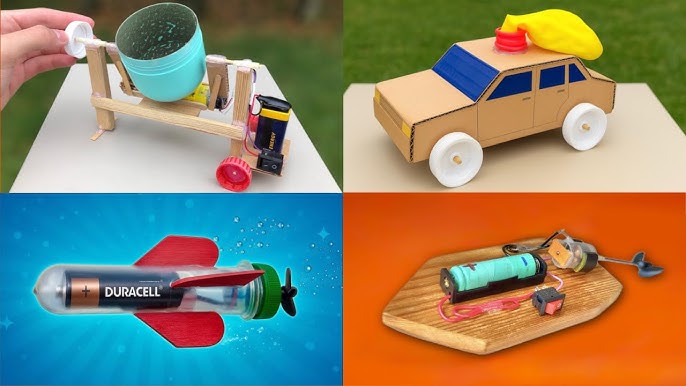
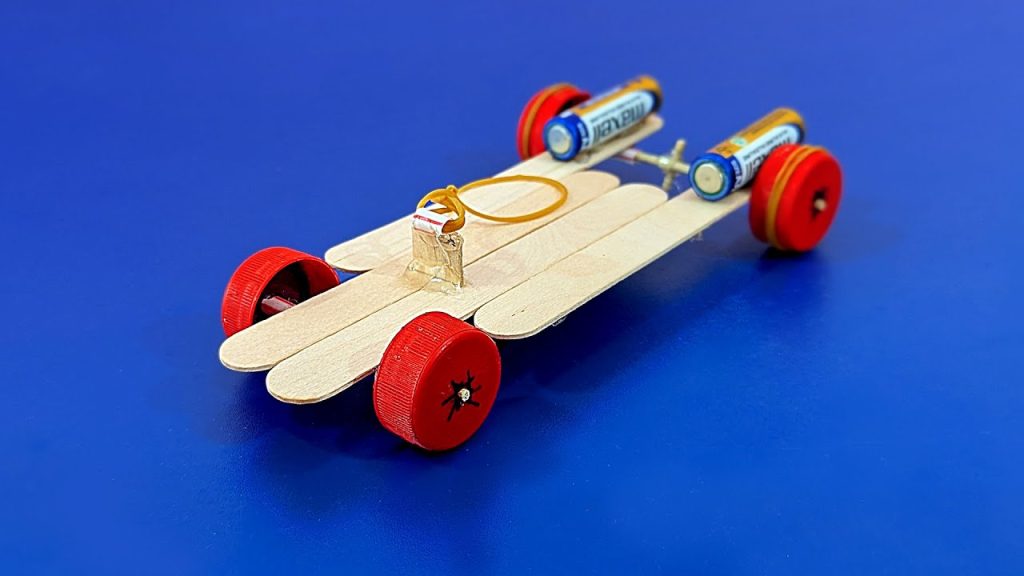
Are you looking for fun and creative ways to keep your kids entertained without spending a fortune? Making your own DIY toys is easier than you think, and it brings joy that store-bought toys just can’t match.
Imagine turning everyday items into exciting playthings that spark your child’s imagination and keep them engaged for hours. You’ll discover simple steps and clever ideas to create amazing DIY toys that your kids will love. Ready to unleash your creativity and make playtime unforgettable?
Let’s dive in!
Benefits Of Diy Toys
DIY toys offer more than just fun—they bring a range of benefits that can enrich playtime for you and your kids. Making toys yourself allows you to create unique, meaningful experiences that store-bought toys often can’t match. Let’s look at how DIY toys can boost creativity, enhance learning skills, and save money.
Boosting Creativity
When you make toys at home, you open the door for endless creative possibilities. You can mix colors, shapes, and materials in ways that inspire imagination. This hands-on process encourages you and your children to think outside the box and experiment without limits.
Have you ever noticed how a simple cardboard box can become a castle, a spaceship, or a race car? That’s the power of creativity sparked by DIY toys. They invite you to turn everyday items into something magical and new.
Enhancing Learning Skills
DIY toys aren’t just fun—they’re powerful learning tools. Crafting toys involves problem-solving, planning, and fine motor skills, all essential for cognitive development. As you build and play, you teach your brain to focus and adapt.
For example, making a puzzle from cardboard challenges spatial awareness and memory. Building blocks from recycled materials can teach balance and coordination. DIY toys create opportunities to learn naturally through play, without feeling like work.
Cost-effective Playtime
Buying toys can quickly add up, but DIY toys help you save money while still providing quality entertainment. Many materials for homemade toys come from things you already have around the house. This means less waste and more value for your time and resources.
Imagine turning old socks into puppets or bottle caps into game pieces. These simple ideas keep kids engaged without emptying your wallet. Plus, making toys together can be a memorable bonding activity that costs very little.
Essential Materials And Tools
Creating DIY toys at home requires the right materials and tools. Choosing safe and affordable supplies ensures fun without risk. Basic tools help bring your ideas to life with ease. Preparing these essentials first makes crafting smoother and more enjoyable.
Safe And Affordable Supplies
Use materials that are non-toxic and child-friendly. Natural fabrics, untreated wood, and food-grade glues work well. Recycled items like cardboard and bottle caps add creativity and save money. Avoid small parts that can be choking hazards for young kids.
- Colored paper and felt sheets
- Washable paints and markers
- Soft yarn and cotton stuffing
- Wooden beads and buttons
- Glue sticks and non-toxic adhesives
Buying in bulk or from craft stores often lowers the cost. Simple supplies can make amazing toys with a little imagination.
Basic Tools For Crafting
Gather tools that are easy to use and safe for all ages. These help cut, shape, and assemble your toy parts quickly. Keep scissors and cutters sharp but handle them carefully. Use a ruler and pencil for precise measurements and markings.
- Child-safe scissors
- Craft knife with adult supervision
- Glue gun with low-heat setting
- Ruler or measuring tape
- Pencils and erasers
- Paintbrushes in various sizes
Organize your tools in a box or caddy for easy access. Clean tools last longer and work better every time.
Easy Diy Toy Projects
Easy DIY toy projects bring fun and creativity together. They use simple materials and quick steps. These toys spark imagination and keep kids busy. Making toys at home saves money and is eco-friendly.
Start with small projects anyone can try. These toys do not need special tools. Just gather materials around the house and begin crafting. Kids love toys made by their own hands.
Simple Paper Toys
Paper toys are quick and fun to make. Origami animals and paper airplanes are classic examples. Use colorful paper to make toys more exciting.
- Fold paper into shapes like boats or birds
- Draw faces or designs with markers
- Cut and glue pieces for 3D models
Paper toys help improve fine motor skills and creativity. They are easy to store and recycle after use.
Recycled Material Creations
Use old boxes, bottles, and caps to create toys. These materials are free and ready to transform.
- Turn a cardboard box into a dollhouse or car
- Use bottle caps for wheels or game pieces
- Glue scraps of plastic or fabric for decoration
Recycling teaches children to care for the planet. It also shows that fun can come from simple things.
Fabric And Yarn Toys
Soft toys made from fabric and yarn bring comfort. Sewing or knitting small animals or dolls is rewarding.
- Use old T-shirts or socks for stuffing
- Knit simple shapes like balls or squares
- Add buttons or beads for eyes and noses
These toys are perfect for cuddling and imaginative play. They last long and can be personalized with colors and patterns.

Credit: www.youtube.com
Educational Toy Ideas
Creating DIY toys can spark creativity and learning at the same time. Simple materials help build fun, educational playthings for children. These homemade toys encourage hands-on skills and imaginative thinking.
Creating educational toys at home can be a rewarding experience for you and your child. These toys not only entertain but also stimulate learning and creativity. Let’s dive into some exciting DIY educational toy ideas you can make right from your living room.Stem-based Toys
STEM toys are fantastic for developing problem-solving skills. Consider building a simple catapult using popsicle sticks and rubber bands. This not only teaches physics principles but also provides a fun challenge. Another idea is to create a basic circuit using a small battery, LED lights, and aluminum foil. This hands-on project introduces children to the basics of electronics and circuitry. Plus, it’s fascinating to watch their faces light up with their creations.Sensory Play Toys
Sensory play is crucial for young children, helping them explore the world through touch, sight, and sound. Try making a sensory bin filled with rice, beans, or pasta, and add small toys or objects for them to discover. It’s simple, but incredibly engaging. Homemade playdough is another hit. With just flour, salt, and water, you can create a malleable dough that encourages creativity and fine motor skills. Add food coloring or essential oils for an enhanced sensory experience.Language And Number Games
Boosting language and math skills can be fun with DIY games. Create flashcards with letters and numbers using colored paper and markers. These can be used for matching games or memory challenges, reinforcing learning through play. Consider making a word wheel using a paper plate and a split pin. Write different letters or words around the edge, and let your child spin the wheel to form new words. It’s a simple yet effective way to enhance vocabulary and spelling skills. Have you ever thought about the potential of the everyday items around you? What could you transform into a learning tool today?Tips For Customizing Toys
Customizing DIY toys makes them special and fun for kids. It helps match the toy to their personality and interests. Small changes can create big smiles and lasting memories.
Use simple ideas to make toys unique and exciting. Focus on personal details, colors, and suitable designs for different ages. These tips help turn plain toys into cherished treasures.
Adding Personal Touches
Write the child’s name on the toy with paint or stickers. Attach small charms or buttons that reflect their hobbies. Use fabric pieces from old clothes to add a warm feel. Personal touches make toys feel one-of-a-kind and loved.
Using Colors And Textures
Choose bright colors to catch the child’s eye. Mix soft and rough textures for sensory play. Use washable paints to keep toys safe and clean. Colorful and textured toys keep kids interested and help learning.
Adapting For Different Ages
Make toys simple and safe for toddlers. Add more details and challenges for older children. Use larger pieces for young kids to avoid choking hazards. Age-appropriate toys support development and fun at every stage.
Safety Considerations
Safety is the foundation of creating DIY toys that everyone can enjoy without worry. Before diving into crafting, consider the materials and supervision needed to keep the process fun and accident-free. Small choices in these areas can prevent common hazards and ensure your toys are safe for all ages.
Choosing Non-toxic Materials
Always select materials labeled non-toxic to avoid harmful chemicals. This includes paints, glues, and fabrics, especially if the toys are for young children who might put them in their mouths.
Look for products certified by trusted organizations, such as ASTM or EN71 standards. If you’re unsure about a material, check online reviews or contact the manufacturer for safety details.
Think about allergies too. Some natural materials can cause reactions, so ask yourself: does this material suit the child’s sensitivities?
Supervising Crafting Sessions
Active supervision is crucial to catch hazards before they become problems. Keep sharp tools like scissors or knives out of reach unless you’re guiding their use closely.
Create a dedicated crafting space with good lighting and no distractions. This helps you and the children focus and reduces accidental slips or misuse of materials.
Ask yourself how you can turn supervision into a teaching moment. Showing kids how to handle tools safely builds their confidence and responsibility for future projects.
Encouraging Group Play
Encouraging group play through DIY toys creates a powerful social experience for kids. It helps them learn cooperation, patience, and communication while having fun. You’ll notice they develop deeper connections and enjoy their creations more when they build and play together.
Collaborative Toy Making
Invite children to build toys together instead of alone. This could be a cardboard castle, a puppet theater, or even a simple race track made from recycled materials. When kids share ideas and divide tasks, they learn teamwork naturally.
Try setting up a group project where each child adds a piece to a larger toy. You’ll see how they negotiate roles, solve problems, and celebrate their shared success. Have you ever watched a group of kids turn simple craft supplies into an elaborate story world? It’s amazing how creativity multiplies when it’s shared.
Games That Promote Sharing
Design DIY toys that require taking turns and sharing resources. Board games made from paper or simple materials encourage waiting patiently and playing fairly. These games teach respect for others and build social skills.
- Make a spinner game where players collect tokens and trade them.
- Create a puzzle that only works when everyone contributes pieces.
- Build a ball toss game that needs players to pass the ball cooperatively.
Have you noticed how kids often struggle to share toys? By crafting games that rely on sharing, you guide them to enjoy group play more and reduce conflicts. This makes the playtime more joyful for everyone involved.

Credit: www.youtube.com

Credit: www.youtube.com
Frequently Asked Questions
What Materials Are Best For Diy Toy Making?
Use safe, non-toxic materials like cardboard, fabric, wood, and recycled plastic. These materials are affordable and easy to find. They allow creativity and ensure toys are child-friendly and durable for long-lasting fun.
How Can I Make Diy Toys Safe For Children?
Always avoid small parts that pose choking hazards. Use non-toxic paints and adhesives. Smooth rough edges and securely fasten all pieces. Test the toy’s durability to prevent breakage during play.
What Are Easy Diy Toy Ideas For Beginners?
Start with simple projects like sock puppets, paper boats, or cardboard puzzles. These require minimal materials and skills. They help build confidence and encourage creativity in making fun, personalized toys at home.
How Long Does It Take To Make Diy Toys?
Simple toys can take 30 minutes to an hour. More complex designs may need several hours. Time depends on materials, design complexity, and skill level. Plan accordingly for a smooth crafting experience.
Conclusion
Making DIY toys is fun and saves money. You can use simple materials found at home. Kids enjoy playing with toys made by their parents. It also helps develop creativity and skills. Try different ideas and see what works best.
Keep safety in mind while creating toys. Share your creations with family and friends. Enjoy the process and the smiles it brings. DIY toys bring joy and learning together. Give it a try and have fun today.