Do you want to keep your cat happy and entertained without spending a lot of money? Making a DIY cat toy is easier than you think, and you can use simple materials you already have at home.
Imagine your furry friend chasing, pouncing, and playing with a toy you created just for them. You’ll discover step-by-step tips to make fun, safe, and engaging toys that your cat will love. Ready to bring a smile to your pet’s face?
Let’s get started!
Choosing Safe Materials
Choosing the right materials is crucial for making a safe DIY cat toy. Cats explore toys with their teeth and paws. Unsafe materials can harm your pet or cause choking. Select materials that are gentle, durable, and free from harmful chemicals.
Always check labels and avoid anything toxic or sharp. Safe materials help keep your cat happy and healthy.
Non-toxic Fabrics And Fillings
Use fabrics that are free from dyes and chemicals. Cotton, felt, and fleece are good options. Avoid synthetic fabrics that may irritate your cat’s skin.
Fillings should be safe and natural. Wool or cotton stuffing works well. Do not use foam or plastic beads that can be swallowed.
Avoiding Small Parts
Small parts can be a choking hazard for cats. Skip buttons, beads, or loose threads. Make sure all pieces are securely attached and large enough to stay in place.
Check your toy often for wear and tear. Remove or repair any parts that come loose.
Recycled Household Items
Use common household items to make toys. Cardboard, paper tubes, and fabric scraps can be fun for cats. Avoid items with staples, glue, or sharp edges.
Always clean and inspect recycled materials. Make sure they are safe and free from harmful substances before use.
Simple Toy Ideas
Creating simple DIY cat toys is easier than you think, and it can bring a lot of joy to your furry friend. These toys don’t require fancy materials or complicated steps. With everyday items, you can keep your cat entertained and active.
Sock And Catnip Toys
Take an old sock and fill it with a small amount of catnip. Tie a knot at the open end to secure the catnip inside. Your cat will love batting, biting, and carrying this soft, fragrant toy around.
If you want to add extra fun, sew or glue a few small bells inside the sock. The sound will spark your cat’s curiosity and encourage play. It’s a great way to reuse socks that have lost their pair.
Feather Wand
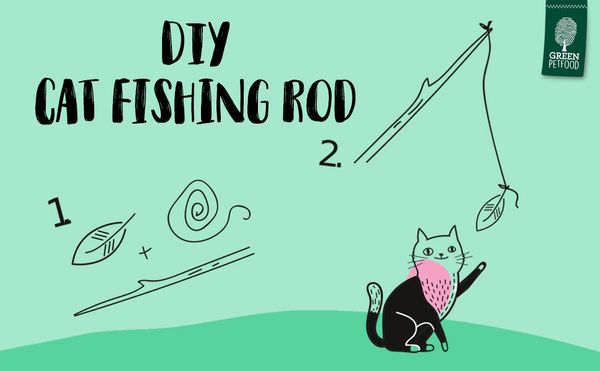
Attach a few colorful feathers to the end of a stick or a sturdy string. Hold the other end and wave it around to mimic the movement of birds or insects. This simple toy taps into your cat’s natural hunting instincts.
Try varying the speed and height as you move the wand. Notice how your cat reacts differently to quick, darting motions versus slow, teasing ones. It’s an easy way to keep playtime exciting and unpredictable.
Cardboard Puzzle
Cut holes of different sizes in a piece of cardboard box. Hide treats or small toys inside and let your cat figure out how to reach them. This stimulates their problem-solving skills and keeps their mind sharp.
You can make the puzzle more challenging by layering multiple cardboard pieces with openings. Watching your cat work through the puzzle is both entertaining and rewarding. Have you tried creating puzzles that your cat hasn’t solved yet?
Step-by-step Instructions
Creating your own cat toys is fun and simple. These toys keep cats active and happy. Follow these easy steps to make toys using common household items. Each project needs only a few materials and little time.
Making A Sock Toy
- Find an old clean sock, preferably colorful.
- Fill the sock with catnip or crumpled paper.
- Secure the open end with a knot or sew it shut.
- For extra fun, add a bell inside before closing.
- Check for loose threads to avoid choking hazards.
Creating A Feather Wand
- Take a wooden stick or a sturdy straw.
- Attach colorful feathers to one end using tape or glue.
- Add a small bell near the feathers for sound.
- Wrap the stick with tape for a better grip.
- Move the wand gently to engage your cat’s attention.
Building A Cardboard Puzzle
- Gather a sturdy cardboard box or thick sheets.
- Cut multiple small holes just big enough for paws.
- Place treats inside the box.
- Seal the box except for the holes.
- Let your cat reach in and find the treats.

Credit: www.youtube.com
Adding Catnip For Extra Fun
Adding catnip to your DIY cat toy can make playtime thrilling. Cats love catnip; it excites them and makes them playful. It’s a simple way to make your homemade toy more appealing. Let’s explore how to add catnip for extra fun.
Types Of Catnip
Catnip comes in several forms. Dried catnip is the most common. It’s easy to sprinkle into toys. Catnip spray is another option. It’s less messy and easy to apply. You can also find catnip-infused pellets. These are ideal for stuffing toys. Each type offers unique benefits.
How To Stuff Catnip Safely
Stuffing catnip into a toy needs care. Use a small spoon or funnel. This avoids spills and keeps the toy tidy. Ensure the toy is durable. Cats can be rough, so a strong material is best. Seal the toy securely after adding catnip. This prevents leaks and keeps the toy fresh.
Tips For Toy Safety
Making your own DIY cat toy is fun and rewarding, but keeping safety in mind is crucial. A toy that looks great but isn’t safe can put your furry friend at risk. You want your cat to enjoy the playtime without any hidden hazards.
Regular Inspection
Check your DIY cat toy regularly for any signs of wear and tear. Look for loose threads, small parts coming off, or sharp edges that might develop over time. If you spot anything unsafe, repair or discard the toy immediately to prevent accidents.
Supervised Playtime
Always watch your cat while they play with a new homemade toy. Some materials might break unexpectedly, or your cat could swallow small pieces. You don’t want to miss the moment something goes wrong, so stay close and intervene if necessary.
Cleaning And Maintenance
Keep your cat’s toys clean to avoid germs and dirt buildup. Use mild soap and warm water, then let the toy dry completely before giving it back. This simple step helps keep your cat healthy and extends the life of the toy.
Credit: www.youtube.com
Encouraging Play
Encouraging play is key to keeping your cat active and happy. A DIY cat toy is just the start; how you use it can make all the difference in your cat’s interest and excitement. Understanding your cat’s play style and mixing up activities can turn playtime into a bonding experience for both of you.
Interactive Play Techniques
Engage with your cat using the toy to spark curiosity. Move the toy in unpredictable ways—like quick dashes, pauses, or slow drags—to mimic the behavior of prey. This movement triggers your cat’s natural hunting instincts and keeps them focused.
Try incorporating your voice or gentle sounds while playing. Cats often respond to auditory cues, so a soft whistle or a click can add an extra layer of excitement. Have you noticed your cat reacts differently when you’re actively involved versus when toys are left alone?
Use different parts of your home to vary the play environment. Play near a window, on the carpet, or even on a chair. Changing the setting keeps the experience fresh and encourages your cat to explore new spaces.
Rotating Toys To Keep Interest
Don’t leave all toys out at once. Instead, rotate them every few days to make each one feel new and exciting. This simple switch can prevent boredom and keep your cat eager to play.
Keep a small stash of DIY toys and swap them regularly. You could hide some toys in a box or drawer and bring them out later. This way, your cat won’t get tired of the same toy too quickly.
Observe which toys your cat prefers and offer those more often, but still rotate others to maintain variety. Does your cat go back to a favorite toy even after weeks without seeing it? That’s a good sign it’s worth keeping in rotation.
Credit: www.green-petfood.com
Frequently Asked Questions
What Materials Do I Need For A Diy Cat Toy?
You need simple materials like yarn, feathers, fabric scraps, and bells. These are safe and engaging for cats. Most items are easily available at home or craft stores. Choose non-toxic and durable materials for long-lasting play.
How Can I Make A Cat Toy At Home Quickly?
Use household items like cardboard, bottle caps, or string. Assemble them safely to avoid choking hazards. Simple toys like crumpled paper balls or feather wands work well. Quick DIY toys keep cats entertained and save money.
Are Homemade Cat Toys Safe For My Pet?
Yes, homemade toys are safe if made with non-toxic and sturdy materials. Avoid small parts that cats can swallow. Always supervise your cat during playtime with new toys to ensure safety.
How Do I Keep My Cat Interested In Diy Toys?
Rotate toys regularly to maintain interest. Incorporate different textures and sounds like feathers or bells. Interactive toys that mimic prey movements are highly engaging. Observing your cat’s preferences helps tailor toys effectively.
Conclusion
Making a DIY cat toy can be fun and simple. You only need a few basic materials. These toys keep your cat active and happy. Plus, they save money compared to store-bought toys. Try different ideas to see what your cat likes best.
Crafting toys yourself adds a personal touch. Enjoy the process and watch your cat play with joy. Simple steps lead to great fun for both of you. Keep creating and bonding with your furry friend every day.