Have you ever wondered if your dog actually hates those puzzle toys you bought to keep them busy? You might be surprised to learn that not all dogs react the same way.
Some get frustrated, while others love the challenge. Understanding how your furry friend feels about puzzle toys can make a big difference in their happiness and behavior. Keep reading to discover the truth about dogs and puzzle toys—and find out how to make these games a fun experience for your pet.

Credit: www.amazon.ca
Dogs And Puzzle Toys
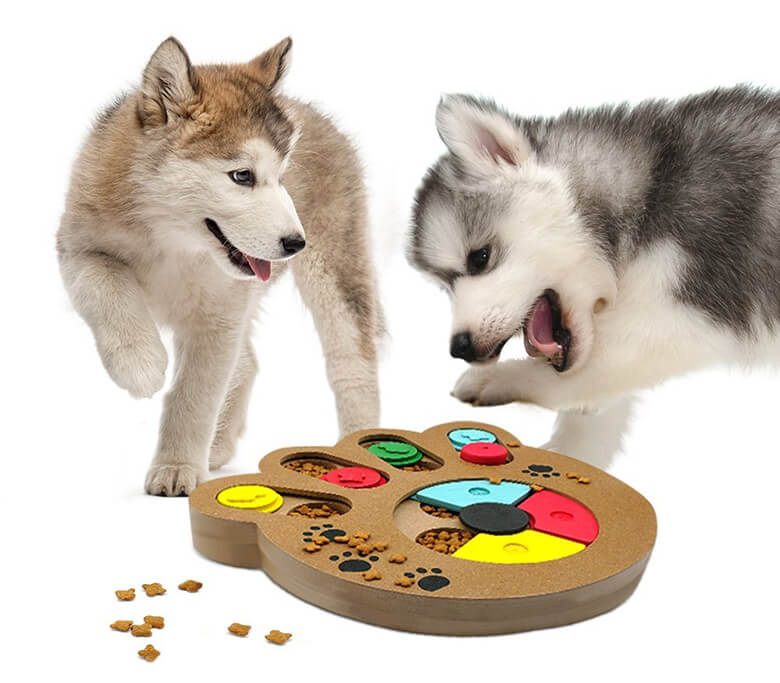
Puzzle toys can be a fantastic way to keep your dog mentally active and entertained. However, not all dogs respond to them in the same way. Understanding your dog’s attitude towards these toys can help you choose the right type and make playtime more enjoyable for both of you.
Common Reactions To Puzzle Toys
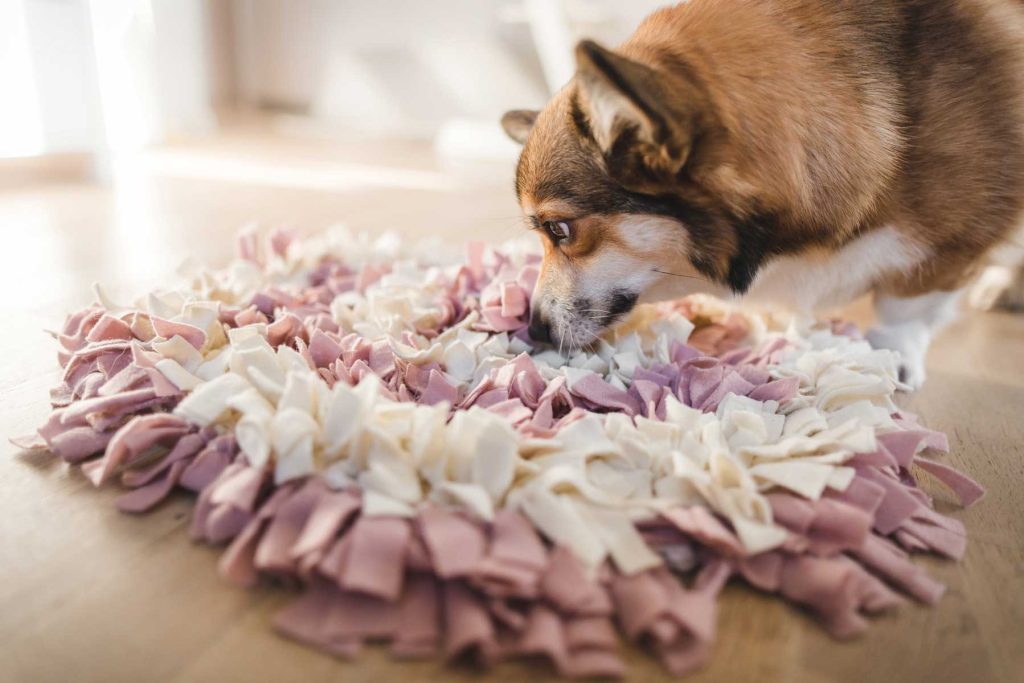
Dogs can show a wide range of reactions when introduced to puzzle toys. Some get excited immediately, eager to figure out how to get the treats hidden inside. Others may seem confused or frustrated at first, especially if the toy is too challenging.
Occasionally, you might notice your dog losing interest quickly or even avoiding the toy altogether. This doesn’t mean they hate puzzle toys; it could mean the toy’s difficulty level or design doesn’t suit them yet. Have you ever seen your dog paw at a puzzle toy but give up? That’s a sign to adjust the challenge.
Factors Influencing Dog Preferences
Several factors play a role in whether your dog enjoys puzzle toys:
- Age and Energy Level:Younger or more energetic dogs often dive into puzzles with enthusiasm. Older dogs may prefer simpler tasks.
- Breed Traits:Breeds known for problem-solving skills, like Border Collies or Poodles, might find puzzle toys more engaging.
- Previous Experience:Dogs familiar with interactive toys tend to adapt faster and enjoy them more.
- Type of Reward:The treat or toy inside must be motivating enough. If your dog doesn’t find the reward appealing, they may lose interest quickly.
Think about your dog’s personality and preferences before picking a puzzle toy. What motivates your dog? Treats, praise, or play? Matching the toy to their likes can make a big difference.

Credit: www.youtube.com
Benefits Of Puzzle Toys
Puzzle toys offer many benefits for dogs beyond simple play. They engage dogs in ways that improve their mental and physical health. These toys challenge dogs to think, move, and stay calm. This makes them a great tool for happy, healthy pets.
Mental Stimulation And Cognitive Skills
Puzzle toys make dogs use their brains. Dogs learn to solve problems to get treats or rewards. This mental challenge keeps their minds sharp and active. It helps improve memory and attention. Dogs that use puzzle toys often show better focus and less boredom.
Physical Exercise And Energy Outlet
Many puzzle toys require dogs to move or paw at parts. This provides gentle physical exercise. It helps burn off extra energy in a fun way. Active play with puzzle toys supports healthy muscles and joints. It also helps dogs stay fit and less restless.
Reducing Boredom And Anxiety
Puzzle toys keep dogs busy and distracted. This lowers feelings of boredom and stress. Dogs with anxiety benefit from the calm focus needed for puzzles. These toys can reduce destructive behavior caused by frustration. They create a positive and calming activity for dogs alone or with owners.
Signs Dogs Dislike Puzzle Toys
Not all dogs enjoy puzzle toys. Some show clear signs of dislike or discomfort. Recognizing these signs helps owners understand their pet’s feelings. It ensures puzzle toys remain a fun challenge, not a source of stress.
Avoidance And Disinterest
Dogs that dislike puzzle toys often avoid them completely. They may walk away or ignore the toy for long periods. Lack of interest is a strong hint they do not enjoy the activity. Some dogs may sniff the toy briefly but lose attention fast. Others might choose simpler toys instead.
Frustration And Stress Signals
Frustration appears in many ways. Dogs might paw at the toy aggressively or bark out of impatience. Whining or growling can also show stress. Some dogs pace or look around nervously while playing. Signs like drooling or heavy panting may indicate discomfort. These behaviors suggest the puzzle toy causes confusion or anxiety.
Credit: www.thisdogslife.co
Choosing The Right Puzzle Toy
Choosing the right puzzle toy for your dog can be challenging. Dogs have different preferences and skill levels. A well-chosen toy can keep them entertained for hours. It also helps improve their mental abilities and reduces boredom. Consider several factors to find the perfect puzzle toy for your furry friend.
Matching Difficulty To Dog’s Skill
Choose a toy that matches your dog’s skill level. If the toy is too easy, your dog might get bored. If it’s too hard, they could get frustrated. Start with simple toys for beginners. For more experienced dogs, select complex puzzles. Observe your dog’s interaction with the toy. Adjust the difficulty level as needed. This keeps them engaged and happy.
Material Safety And Durability
Ensure the puzzle toy is made of safe materials. Dogs chew and bite their toys often. Toxic materials can harm their health. Choose non-toxic and pet-safe materials only. Durability is important too. Tough toys last longer and withstand rough play. Check for any small parts that might break off. These could pose a choking hazard. Always supervise your dog during playtime.
Tips To Encourage Use
Encouraging dogs to use puzzle toys takes patience and the right approach. Dogs may feel unsure or frustrated at first. A gentle introduction helps them feel safe and curious. Positive experiences build their interest and confidence. These tips help make puzzle toys fun and rewarding for your dog.
Introducing Puzzle Toys Gradually
Start with simple puzzles that match your dog’s skill level. Show them the toy and let them sniff it. Place easy treats inside to spark curiosity. Allow short play sessions to avoid overwhelm. Watch your dog’s reactions and offer help if needed. Slowly increase puzzle difficulty as they learn.
Using Treats And Positive Reinforcement
Use tasty treats as motivation to explore puzzle toys. Reward your dog immediately when they solve a part of the puzzle. Praise with kind words and gentle petting. Avoid forcing your dog to play. Celebrate small successes to keep their interest alive. Consistent rewards create a positive link with the toy.
Alternatives For Reluctant Dogs
Some dogs do not enjoy puzzle toys. This does not mean they dislike play or mental challenges. They just prefer different ways to have fun and stay engaged. Finding the right alternative helps keep your dog happy and active. It also strengthens your bond. Below are easy and effective options for dogs who avoid puzzle toys.
Interactive Play And Training
Interactive play helps your dog use energy and mind. Simple activities like fetch or tug-of-war are great choices. Training sessions also stimulate their brain. Teach basic commands or tricks in short, fun lessons. Use treats or praise as rewards. This keeps your dog interested and motivated. It also improves obedience and focus.
Simple Toys And Games
Some dogs prefer straightforward toys. Soft balls, squeaky toys, or ropes work well. These toys encourage natural instincts like chasing and chewing. Hide-and-seek games are easy to set up. Hide treats or toys and let your dog find them. This type of play is fun without being too complex. It keeps your dog entertained and mentally active.
Frequently Asked Questions
Do Dogs Dislike Puzzle Toys?
Most dogs do not dislike puzzle toys. They often enjoy the mental challenge and rewards. However, some dogs may feel frustrated if the puzzle is too difficult or unfamiliar. Gradual introduction and positive reinforcement help dogs appreciate these toys.
Why Might Dogs Avoid Puzzle Toys?
Dogs might avoid puzzle toys if they find them too hard or confusing. Lack of interest or motivation, such as hunger or boredom, can also be reasons. Choosing the right difficulty level and using treats encourages engagement and reduces avoidance.
Can Puzzle Toys Cause Stress In Dogs?
Puzzle toys can cause mild stress if they are too challenging. Stress happens when dogs struggle repeatedly without success. To prevent this, start with easy puzzles and increase difficulty gradually. This keeps dogs motivated and reduces frustration.
How Do Puzzle Toys Benefit Dogs?
Puzzle toys stimulate dogs mentally and physically. They improve problem-solving skills and reduce boredom. These toys also encourage slower eating and provide healthy entertainment. Overall, puzzle toys promote a happier, healthier dog lifestyle.
Conclusion
Dogs have different feelings about puzzle toys. Some enjoy the challenge and stay busy. Others may feel frustrated or uninterested. It depends on their personality and experience. Introducing toys slowly helps dogs adapt better. Watch your dog’s reactions to find what works.
Puzzle toys can improve mental skills and reduce boredom. Choose toys that match your dog’s size and skill. Patience and practice make a big difference. Not all dogs hate puzzle toys—many like them a lot. Try different styles to keep your dog happy and engaged.