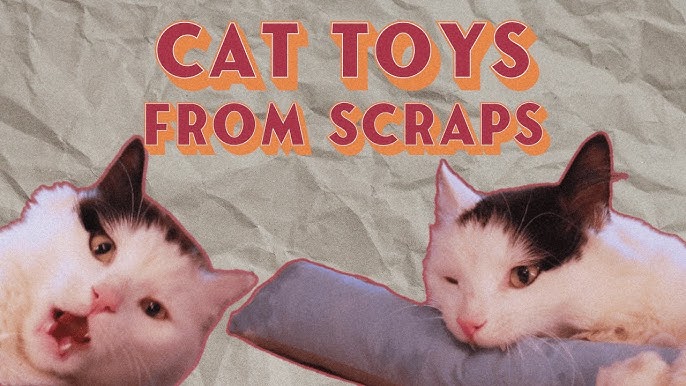
Are you looking for a fun and easy way to keep your cat entertained without spending a lot of money? Making a DIY cat toy can be a simple and rewarding project that not only saves you cash but also strengthens the bond between you and your furry friend.
Imagine your cat’s excitement as they play with something you created just for them. You’ll discover step-by-step instructions to make safe, engaging toys using materials you probably already have at home. Ready to see your cat’s eyes light up with joy?
Let’s get started!
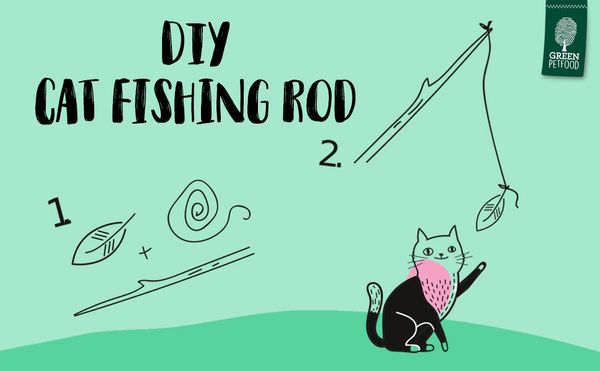
Credit: www.green-petfood.com
Materials Needed
Gathering the right materials is key to making a fun and safe DIY cat toy. Choose items that are easy to find and safe for your pet. Prepare everything before you start crafting. This saves time and keeps the process smooth.
Common Household Items
- Old socks or fabric scraps
- Empty toilet paper rolls
- String or yarn
- Plastic bottle caps (clean and smooth)
- Feathers
- Paper or cardboard pieces
Safe Craft Supplies
- Non-toxic glue or fabric glue
- Catnip (optional for extra fun)
- Soft bells
- Felt sheets
- Safe dyes or markers for decoration
Tools For Assembly
- Scissors with rounded tips
- Needle and thread (for sewing)
- Hot glue gun (use carefully)
- Measuring tape or ruler
- Pen or pencil to mark cuts
Simple Toys To Start With
Starting with simple DIY cat toys is a great way to see what excites your feline friend without spending much time or money. These easy-to-make toys use common household items, and they often surprise you with how much your cat enjoys them. You might find your cat’s favorite toy comes from the simplest creation.
Sock Mouse
Take an old sock and fill it with some cotton or fabric scraps to create a soft mouse shape. Add a bit of catnip inside to make it even more enticing. Tie off the open end securely, then add small felt pieces or embroidery for eyes and ears if you want to get creative.
This toy is lightweight and perfect for batting around or carrying in your cat’s mouth. Have you noticed how cats love toys that mimic prey they can chase and pounce on? A sock mouse fits perfectly into that play style.
Pom-pom Chase
Grab some colorful yarn and make a few pom-poms of different sizes. You can glue or sew a small bell inside one for extra sound stimulation. These fluffy balls are easy to toss and roll across the floor, encouraging your cat to chase and swipe.
Pom-poms are great because they’re soft and safe but still move unpredictably, which keeps your cat’s interest high. What’s your cat’s reaction when a toy suddenly darts away from their paws? That surprise factor keeps them coming back for more.
Feather Wand
Attach a few feathers to the end of a sturdy stick or a wooden dowel using string or tape. Make sure the feathers are secure but still move freely to mimic the fluttering of a bird. Wave it around to engage your cat in interactive play that taps into their hunting instincts.
This toy encourages exercise and bonding time with your pet. Have you tried watching how your cat’s eyes lock onto the feathers as they move? It’s a simple way to bring out their natural energy and curiosity.
Interactive Toys For Engagement
Creating a DIY cat toy sparks curiosity and keeps your cat active. Simple materials like string and fabric can make fun, interactive toys that engage your pet’s natural instincts. Crafting these toys at home offers endless creative possibilities.
Interactive toys can be a game-changer for your feline friend, providing mental stimulation and much-needed physical exercise. These DIY cat toys go beyond mere entertainment; they help in strengthening the bond between you and your cat. Creating interactive toys at home can be both fun and rewarding, allowing you to tailor the experience to your cat’s unique preferences.Treat Puzzle
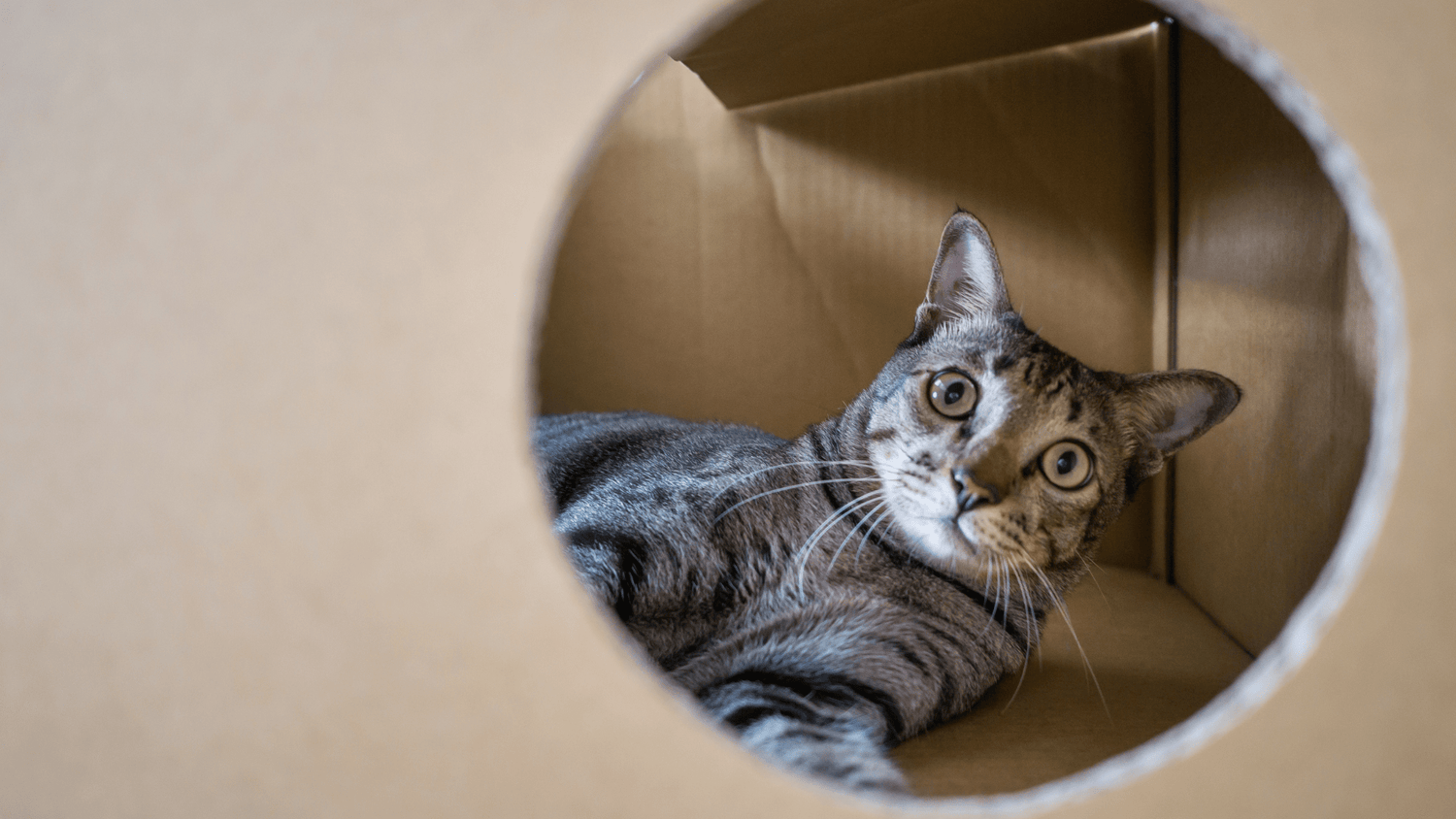
Creating a treat puzzle is a fantastic way to keep your cat engaged. Start with a simple cardboard box. Cut small holes in the top and sides, just big enough for your cat’s paw to fit through. Place treats inside the box, and watch as your cat paws through the holes to retrieve them. The challenge will keep your cat entertained and mentally stimulated for hours. You might find it amusing to see how quickly they learn to solve the puzzle.Ball Track
A ball track toy can offer endless fun for your playful kitty. Using a circular piece of cardboard or a plastic container lid, create a track for a small ball. Make sure the ball can roll smoothly and won’t easily fall out. You could use ping pong balls or small rubber balls. Your cat will love batting the ball around the track, encouraging both exercise and agility. This toy is especially great if your cat spends a lot of time indoors.Laser Pointer Alternatives
While laser pointers are popular, some cats might prefer a more tangible chase. Try attaching a feather or ribbon to a stick as an alternative. You can guide the toy around the room, mimicking the unpredictable movements of prey. This not only stimulates your cat’s hunting instincts but also provides a satisfying capture. Think about how much joy you’ll bring your cat by offering a catchable prize at the end of the chase. Have you noticed how your cat reacts to different toys? Observing their preferences can help you create the most engaging experience. Interactive toys are more than just objects; they are gateways to a happier, healthier pet.Recycling Ideas For Eco-friendly Toys
Creating DIY cat toys from recycled materials is a great way to keep your feline entertained while helping the environment. You can turn everyday items into fun, safe toys your cat will love. Plus, recycling at home saves money and reduces waste, making it a win-win for you and your pet.
Cardboard Creations
Cardboard is one of the easiest materials to recycle into cat toys. Cut small shapes or strips from old boxes and tape them together to make tunnels or balls. Cats love to scratch and hide in cardboard, so even a simple box can become a favorite play spot.
Try folding and layering cardboard to create a sturdy scratching pad. Adding a bit of catnip inside can make it even more irresistible. Have you noticed how your cat’s interest grows when you introduce new textures?
Bottle Cap Fun
Plastic bottle caps are lightweight and perfect for batting around the floor. Just make sure to clean them thoroughly and check for any sharp edges. You can glue a bell inside for extra sound stimulation or leave them plain for simple chase games.
Another idea is to thread a string through a few caps and hang it as a dangling toy. This encourages your cat to jump and swipe, providing great exercise. What simple household item do you think your cat would chase next?
Fabric Scraps
Old clothes and fabric scraps can be transformed into soft, chewable toys. Cut the fabric into strips or small squares and sew or tie them together to make pouches or stuffed shapes. Fill them with catnip or crinkly paper for added excitement.
Using different textures, like cotton or fleece, keeps your cat curious and engaged. If you enjoy sewing, personalizing these toys with your cat’s name can make the project even more rewarding. Which fabric do you think your cat will prefer to cuddle or bat around?
Safety Tips For Diy Cat Toys
Creating DIY cat toys can be a fun and rewarding experience, but safety should always be your top priority. Cats explore the world through their mouths and paws, so even a small hazard can turn into a big problem. Taking a few simple precautions can keep your furry friend happy and out of harm’s way.
Avoiding Small Parts
Small parts like buttons, beads, or tiny bells can easily come loose and become choking hazards. Think about how your cat plays—if they like to chew or bat toys aggressively, these small pieces can break off quickly.
Instead, opt for larger components or securely attach any small decorations. I once made a toy with glued-on eyes, but my cat managed to pull one off. Since then, I only sew parts tightly or avoid them altogether.
Non-toxic Materials
Your cat will likely chew or lick their toy, so using non-toxic materials is essential. Avoid fabrics treated with chemicals or paints that can be harmful if ingested.
Natural materials like cotton, wool, or untreated wood are safer bets. Even some household items like paper or cardboard can work well, as long as they don’t contain inks or dyes that might upset your cat’s stomach.
Supervised Play
Even the safest DIY toy can become a danger if your cat plays unsupervised, especially with string or feathers. These items can cause serious internal injuries if swallowed.
Keep an eye on your cat while they play with homemade toys, and take the toy away if it starts to break apart. Have you ever noticed your cat’s favorite toy suddenly looking worse for wear? That’s the perfect time to swap it out before it turns hazardous.
Credit: thekindpet.com
Customizing Toys For Your Cat
Customizing toys for your cat is a fun way to make playtime more enjoyable and engaging. Every cat has unique likes and dislikes, so tailoring toys to fit their personality can boost their interest and activity. Think about what excites your cat most and how you can tweak the toy to keep them entertained longer.
Considering Cat Preferences
Observe how your cat interacts with different toys. Do they prefer chasing, batting, or pouncing? Some cats love toys that mimic small animals, while others enjoy simple balls or feather wands.
Notice their favorite colors and sounds too. For example, a cat that reacts to noise might enjoy toys with bells or crinkly material. What kind of movement grabs your cat’s attention the most?
Adjusting Size And Texture
Size matters when making a toy. A toy too big might intimidate your cat, while one too small could be a choking hazard. Aim for a size your cat can easily carry or bat around.
Texture plays a key role as well. Some cats prefer soft plush toys, while others like rougher surfaces like sisal or felt. Try mixing materials to see what your cat enjoys rubbing or biting.
Adding Catnip
Catnip is a great way to enhance your DIY toy’s appeal. Sprinkle dried catnip inside fabric toys or sew small pouches to keep it contained. You might find your cat goes wild for toys with fresh catnip versus old or weak ones.
Keep in mind, not all cats respond to catnip. Watch your cat’s reaction carefully before adding it to every toy. Have you noticed a difference in your cat’s play when catnip is involved?

Credit: www.youtube.com
Frequently Asked Questions
What Materials Are Needed To Make A Diy Cat Toy?
You need simple materials like yarn, feathers, fabric scraps, and bells. These are safe and engaging for cats. Most can be found at home or craft stores, keeping the project affordable and easy.
How Can I Ensure My Diy Cat Toy Is Safe?
Use non-toxic, durable materials without small parts. Avoid sharp edges and loose strings to prevent choking. Always supervise your cat during play to ensure safety and remove damaged toys promptly.
What Types Of Diy Cat Toys Do Cats Love Most?
Cats enjoy toys that mimic prey, like feather wands, yarn balls, and crinkle toys. Interactive toys that encourage chasing and pouncing keep cats active and entertained.
How Often Should I Replace Homemade Cat Toys?
Replace toys when they show wear or damage to prevent hazards. Regularly inspect toys every few weeks to ensure they remain safe and fun for your cat.
Conclusion
Making a DIY cat toy is fun and simple. You can use things around your home. Your cat will enjoy new playtime with your creation. It helps keep your cat active and happy. Plus, it saves money compared to store toys.
Try different designs to see what your cat likes. Enjoy bonding with your pet through these handmade toys. Give your cat a special treat with your own hands. Keep the playtime safe and always watch your cat. Have fun and get creative with your DIY projects.