Are you looking for fun and affordable ways to keep your feathered friend happy and entertained? Making bird toys yourself is easier than you think—and it’s a great way to show your bird some extra love.
When you create DIY toys, you control the materials, ensuring they’re safe and perfect for your bird’s needs. Plus, your bird will enjoy something unique that stimulates their mind and body. Ready to discover simple, creative ideas that you can make at home today?
Let’s dive in and transform your bird’s playtime!

Credit: talis-us.com
Choosing Safe Materials
Choosing safe materials is the most important part of making bird toys. Birds explore toys with their beaks and tongues. Unsafe materials can cause injuries or poisoning. Use only materials that are gentle and harmless. Focus on natural and non-toxic options. This keeps birds happy and healthy while they play.
Non-toxic Wood And Paper
Choose wood that is untreated and free of chemicals. Safe woods include apple, birch, and pine. Avoid woods like cedar or redwood, which can be harmful. Paper should be plain and free of inks or dyes. Brown kraft paper or unprinted cardboard works well. Both wood and paper offer good chewing and shredding fun.
Avoiding Harmful Chemicals
Never use materials treated with pesticides or varnishes. Check all items for paint, glue, or coatings. These substances can cause poisoning or allergic reactions. Use only food-grade or bird-safe glues if needed. Clean all materials thoroughly before crafting. Safety means no chemicals that can harm your bird’s health.
Using Natural Fibers
Natural fibers like cotton, jute, and sisal are safe choices. They are soft but strong enough for chewing and pulling. Avoid synthetic fibers like nylon or polyester. These can fray and cause blockages if swallowed. Make sure fibers are clean and free of dyes. Natural fibers encourage natural bird behavior and provide good exercise.
Simple Diy Toy Ideas
Simple DIY toy ideas bring joy to your bird and keep it active. These toys use everyday materials found at home. They are safe, fun, and easy to make. Birds love new textures and shapes to explore. Creating toys yourself saves money and customizes playtime.
Paper Ball Toys
Crumple small pieces of plain paper into tight balls. Use newspaper or plain printer paper. Avoid glossy or colored paper with ink. Birds enjoy shredding and tossing these balls around. They are lightweight and safe to chew. Make several balls and hang them with string in the cage.
String And Bead Creations
Thread colorful, bird-safe beads onto a strong string. Use plastic or wooden beads without sharp edges. Tie knots between beads to keep them in place. This toy encourages pecking and pulling. Hang the string vertically for swinging fun. Always check beads for wear and replace when needed.
Cardboard Fun Shapes
Cut old cardboard into simple shapes like stars or circles. Use non-toxic glue to attach multiple layers. Punch holes and thread string for hanging. Birds love tearing the cardboard and exploring textures. Cardboard is easy to replace and recycle. Keep shapes small enough for your bird to handle safely.
Interactive Toys For Mental Stimulation
Interactive toys keep birds active and sharp. These toys help birds think and explore. Mental stimulation is key to a bird’s happiness. Bored birds can become stressed or destructive. Offering toys that challenge their minds improves their well-being.
Puzzle Feeders
Puzzle feeders make birds work for their food. Hide treats inside small containers or boxes. Birds use their beaks and feet to open them. This activity mimics natural foraging habits. Use safe materials like wood or sturdy plastic. Change puzzles often to keep the bird interested.
Foraging Toys
Foraging toys encourage birds to search for food. Scatter seeds in paper cups or under shredded paper. Birds must dig and explore to find treats. This keeps their minds busy and bodies active. You can create simple foraging toys at home. Use natural items like coconut shells or cardboard tubes.
Swing And Climbing Toys
Swings and climbing toys promote physical and mental exercise. Birds love to move, swing, and climb. Use ropes, ladders, and wooden perches for variety. Moving toys challenge balance and coordination. These toys reduce boredom and improve mood. Secure materials tightly to avoid accidents.

Credit: talis-us.com
Safe Assembly Techniques
Choose non-toxic materials and avoid small parts that birds can swallow. Secure pieces tightly to prevent choking or injury. Use smooth edges and safe adhesives to keep toys bird-friendly and durable.
Creating bird toys at home can be fun and rewarding. Ensuring their safety during assembly is crucial. Proper techniques help protect your feathered friends from harm. Let’s explore some essential safe assembly practices.Using Bird-safe Glues And Fasteners
Choose non-toxic glues for bird toys. Avoid industrial adhesives. Opt for products labeled as bird-safe. Hot glue guns are often a good option. They provide a strong hold and dry quickly. Use stainless steel or nickel-plated fasteners. These materials resist rust and are safe for birds.Avoiding Sharp Edges
Examine each toy piece closely. Sand any rough or sharp edges. Use fine sandpaper for smoothing surfaces. Ensure all cut ends of ropes are sealed. Melt them gently with a lighter. This prevents fraying and potential injury.Ensuring Durable Construction
Birds are curious and playful by nature. Toys must withstand pecking and tugging. Use sturdy materials like untreated wood and thick rope. Double-check knots for tightness. Regularly inspect toys for wear and tear. Replace any damaged parts promptly.Customizing Toys For Different Bird Types
Customizing bird toys according to your bird’s size and personality is key to keeping them happy and engaged. Each bird type has different needs and preferences, so a one-size-fits-all toy won’t work well. Understanding what excites and challenges your bird can make your DIY projects much more rewarding.
Think about your bird’s beak strength, activity level, and curiosity. Smaller birds need toys that are safe and easy to manipulate, while larger birds require sturdier options that can handle their power. What kind of interaction does your bird enjoy most—chewing, swinging, or problem-solving?
Small Bird Toy Ideas
Small birds like budgies and finches love lightweight toys that encourage movement and curiosity. Use materials like soft wood, paper, or untreated wicker to keep them safe. Add small bells, colorful beads, or paper tubes to keep their interest alive.
- Mini swings made from thin branches or pipe cleaners
- Paper shredding stations using crumpled paper or cardboard
- String toys with tiny bells or wooden beads
These toys should be easy for your bird to pick up and destroy, satisfying their natural instincts. Have you noticed how much your small bird enjoys shredding paper? That’s a great clue for what to build next.
Medium Bird Toy Ideas
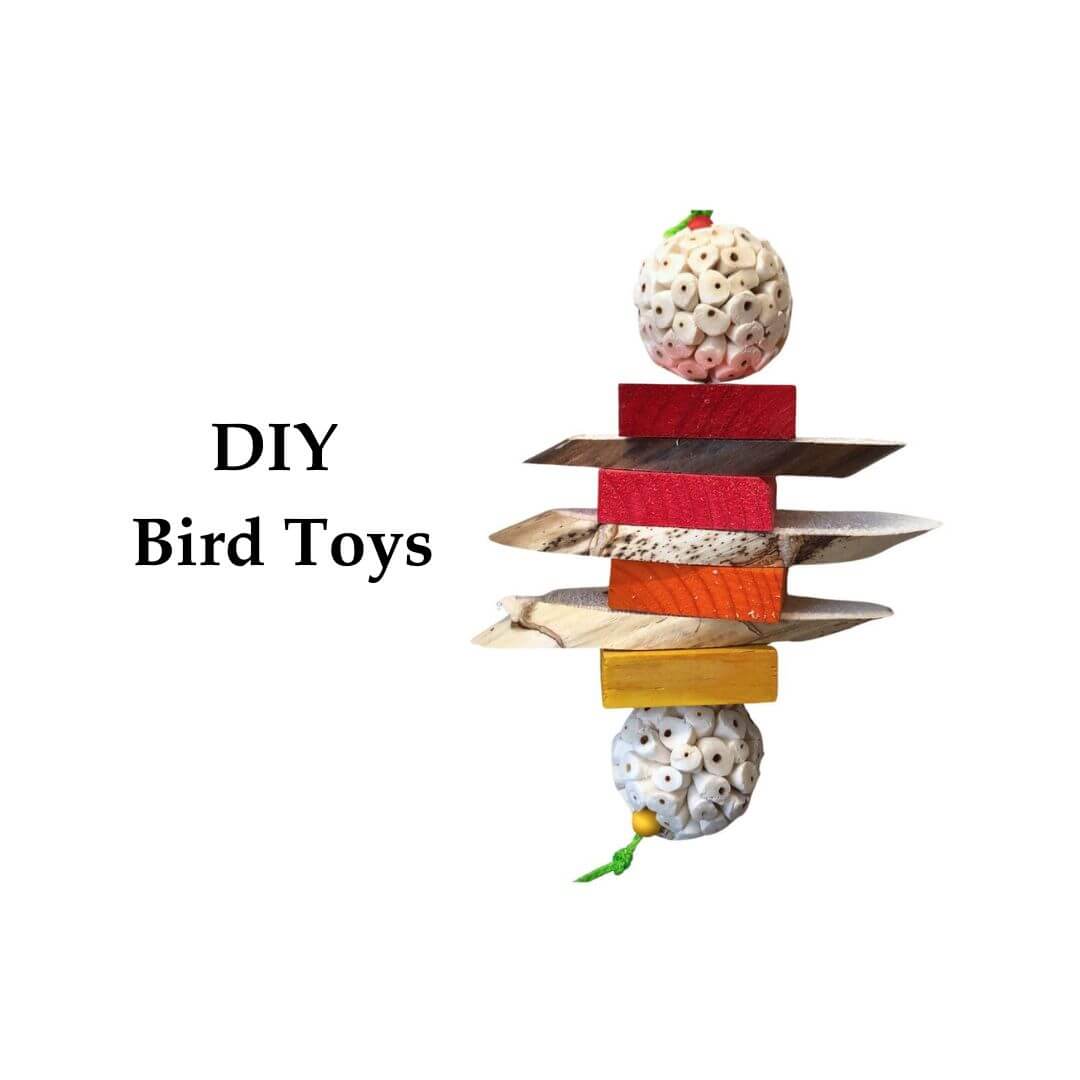
Medium-sized birds such as cockatiels and conures need toys that challenge their intelligence and keep them active. Use stronger wood and rope, but avoid anything too heavy or bulky. Incorporate puzzle elements or multi-layered toys that require problem-solving.
- Wooden blocks with hidden treats inside
- Rope ladders with knots for climbing and chewing
- Foraging toys using paper cups or small boxes
These birds enjoy exploring textures and figuring out new ways to interact with their toys. You can test their skills by hiding treats inside—will they figure it out quickly? Watching their problem-solving can inspire your next DIY design.
Large Bird Toy Ideas
Large parrots like macaws and African greys need durable, heavy-duty toys. Use thick hardwood, stainless steel, or natural fibers that can withstand strong beaks. Include elements for chewing, climbing, and swinging to meet their high activity levels.
- Chunky wooden blocks and large beads threaded on thick ropes
- Heavy-duty swings made from stainless steel chains and wood
- Complex foraging boxes with multiple compartments
These birds need toys that won’t break easily and keep them mentally stimulated. Have you tried combining physical and mental challenges in one toy? It can keep your large bird busy for hours, reducing boredom and destructive behavior.
Maintaining And Cleaning Toys
Keeping your DIY bird toys in top shape is essential for your feathered friend’s safety and enjoyment. Dirty or broken toys can harbor bacteria or cause injuries. Regular maintenance and cleaning help extend the life of the toys and keep your bird happy and healthy.
Regular Inspection Tips
Check your bird toys every few days for signs of wear or damage. Look for loose parts, sharp edges, or frayed strings that could hurt your bird. Pay attention to areas where your bird chews the most—they tend to wear out faster.
Have you noticed your bird avoiding a certain toy? It might be unsafe or uncomfortable. Catching issues early prevents accidents and keeps playtime fun.
Safe Cleaning Methods
Use mild soap and warm water to clean toys regularly. Avoid harsh chemicals or cleaners that can be toxic to birds. Rinse thoroughly and let the toys dry completely before giving them back.
For tougher grime, soak the toys in a vinegar-water solution (1 part vinegar to 3 parts water) for 10 minutes. Vinegar disinfects without harmful residues. Remember, cleaning isn’t just about looks—it protects your bird’s health.
Replacing Worn Parts
When parts of the toy start to break or wear out, replace them immediately. Use safe, bird-friendly materials like untreated wood, natural fibers, or stainless steel. Avoid plastic or painted parts that might chip or be harmful if ingested.
Have you tried making spare parts yourself? It’s a great way to customize toys and keep costs down. Don’t wait until a toy is completely broken; proactive replacement keeps your bird safe and entertained.
Encouraging Play And Engagement
Encouraging your bird to play and stay engaged is key to their happiness and health. Toys stimulate their natural instincts like chewing, climbing, and problem-solving. But simply putting toys in their cage isn’t enough—you need to make the experience inviting and dynamic.
Introducing New Toys Gradually
Sudden changes can stress birds, so add new toys slowly. Start by placing the new toy near their favorite spot and observe their reaction. Often, curiosity will draw them closer, but patience is essential if they seem hesitant.
Try pairing new toys with treats or playtime to create positive associations. Have you noticed how your bird responds when you gently interact with the toy alongside them?
Monitoring Bird’s Preferences
Every bird has unique likes and dislikes. Watch which toys your bird spends the most time with and which ones are ignored. Note the materials, colors, and shapes they prefer.
For example, a parrot might enjoy shredding paper-based toys, while a cockatiel prefers bells. Adjust your DIY projects based on these preferences to keep playtime exciting and satisfying.
Rotating Toys For Variety
Toys lose their novelty if they stay the same for too long. Rotate your bird’s toys every few days or weeks to keep their interest fresh. This simple switch can renew excitement and prevent boredom.
Keep some favorites accessible while swapping out others. How often do you change your bird’s toys to keep them curious and active?

Credit: pdsparrotshop.com
Frequently Asked Questions
What Materials Are Safe For Diy Bird Toys?
Use non-toxic, bird-safe materials like untreated wood, natural fibers, and paper. Avoid plastics with harmful chemicals. Always check for sharp edges or small parts that birds can swallow to ensure safety.
How Do I Make A Simple Bird Toy At Home?
Start with untreated wood blocks and natural rope. Drill holes to thread the rope through and tie knots. Add safe beads or paper for extra stimulation. Keep designs simple and safe for your bird.
How Often Should I Replace Diy Bird Toys?
Replace bird toys every 1 to 2 months or if damaged. Worn-out toys can be hazardous and lose their appeal. Regular replacement keeps your bird engaged and promotes mental health.
Can I Use Household Items For Bird Toys?
Yes, many household items like paper towel rolls, untreated wood scraps, and cardboard can be repurposed. Always ensure they are clean and free of toxic substances. Avoid painted or chemically treated items.
Conclusion
Making bird toys yourself saves money and keeps birds happy. Simple materials and creativity bring fun and safety together. Birds enjoy new textures and shapes every day. Crafting toys also helps you bond with your pet. Try different ideas to find what your bird likes.
Keep toys fresh by changing or repairing them often. Safe, homemade toys make your bird’s life brighter. Start today and watch your feathered friend enjoy playtime.