Are you looking for a fun and simple way to keep your dog entertained and mentally sharp? Making a dog puzzle toy at home is easier than you think, and it can turn your furry friend’s playtime into an exciting challenge.
Imagine your dog eagerly solving a puzzle you created just for them—boosting their brainpower while having a blast. You’ll discover easy steps to craft your own dog puzzle toy using everyday items. Ready to see your dog’s tail wag with joy and curiosity?
Let’s get started!
Benefits Of Dog Puzzle Toys
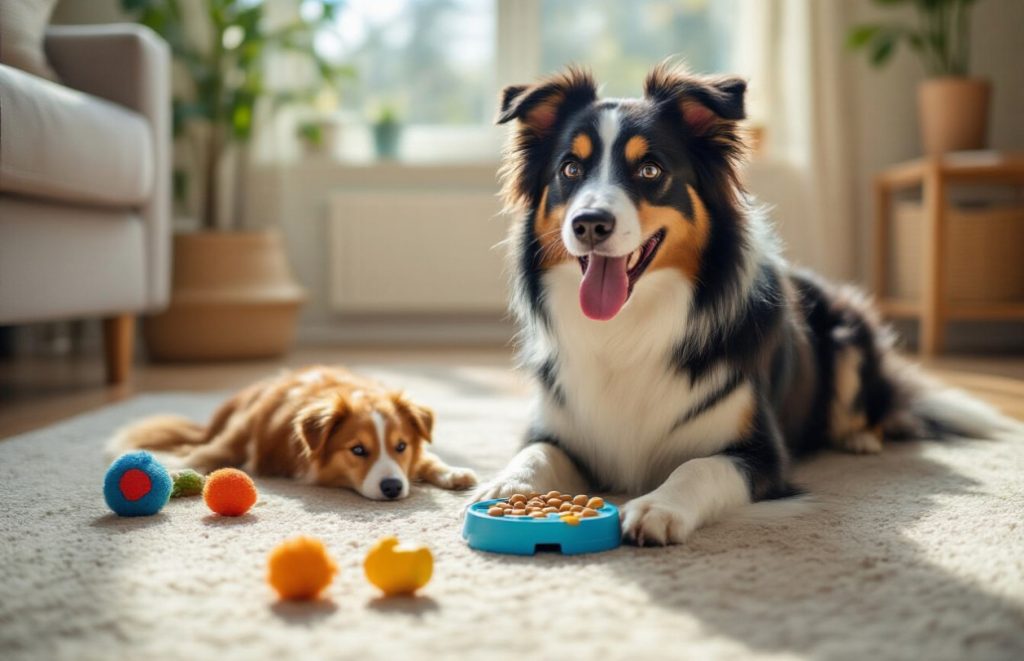
Dog puzzle toys offer many benefits for your furry friend. They keep dogs busy and happy. These toys help improve their mind and behavior. Using puzzle toys is a smart way to give your dog fun and learning.
Mental Stimulation For Dogs
Puzzle toys challenge your dog’s brain. They must think to solve the puzzle. This mental exercise keeps their mind sharp. It helps slow down memory loss in older dogs. Mental work can tire dogs as much as physical play.
Reducing Boredom And Anxiety
Boredom can lead to bad behavior in dogs. Puzzle toys keep dogs active and focused. They stop dogs from chewing furniture or barking too much. These toys also calm anxious dogs by giving them a task. A busy dog is a happy dog.
Enhancing Problem-solving Skills
Dogs learn to solve problems through play. Puzzle toys teach patience and persistence. They figure out how to get treats or toys inside. This learning builds confidence and sharp thinking. Problem-solving skills help dogs in daily life.
Materials Needed
Gathering the right materials is the first step to creating a dog puzzle toy that is both fun and safe. Choosing items that are easily available in your home or pet stores can save you time and money. Your dog’s safety and engagement should always come first when selecting these materials.
Common Household Items
You might be surprised by what you already have around the house that can be transformed into a puzzle toy. Items like empty plastic bottles, muffin tins, or old T-shirts can be great starting points. These materials are easy to clean and durable enough for your dog’s playtime.
- Empty plastic water bottles (remove caps and rings)
- Muffin or ice cube trays
- Old towels or T-shirts (cut into strips or knots)
- Cardboard boxes or tubes
Pet-safe Materials
Not all household items are safe for pets, so it’s important to choose materials that won’t harm your dog if chewed or ingested. Look for non-toxic, BPA-free plastics and fabrics without loose threads. Using pet-safe glue or tape can also help keep the toy intact without introducing harmful substances.
- Non-toxic, BPA-free plastic containers
- Cotton or fleece fabric scraps
- Pet-safe adhesives or tapes
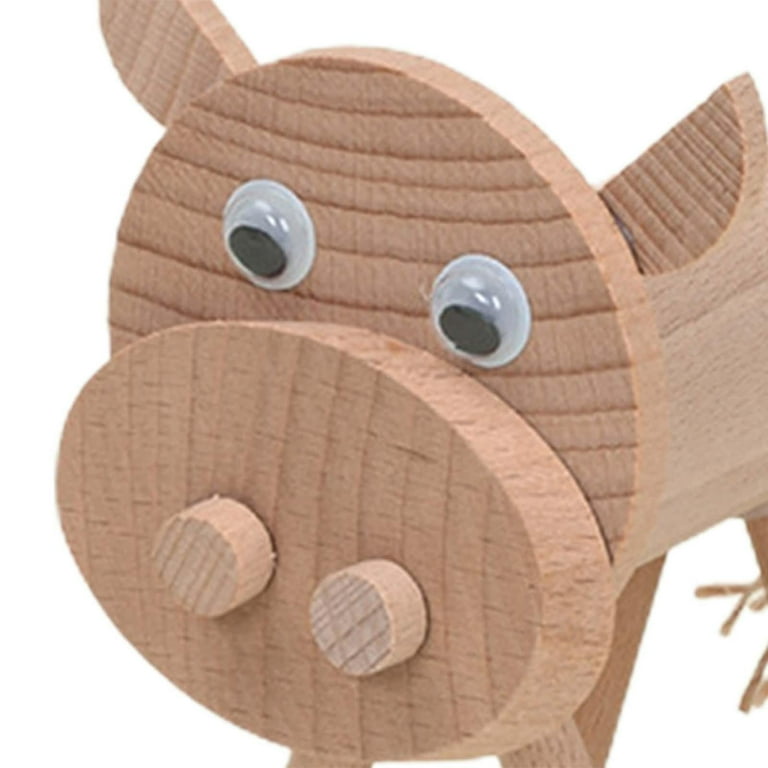
- Natural wood pieces (untreated and splinter-free)
Tools For Assembly
You don’t need fancy tools to build a great puzzle toy. Basic household tools will do the job and make the process simple and enjoyable. Having the right tools ready helps you work efficiently and safely.
- Scissors or utility knife
- Hot glue gun (use with caution and pet-safe glue sticks)
- Needle and thread for fabric pieces
- Measuring tape or ruler
What materials do you already have that could turn into a fun challenge for your dog? Sometimes the best toys come from a little creativity and what’s right under your nose.
Simple Diy Puzzle Toy Ideas
Creating simple puzzle toys for your dog can keep them busy and happy. These toys challenge their mind and reward them with treats. They are easy to make with items found at home. Each idea provides fun and mental exercise for your dog.
Treat-dispensing Bottle
Use an empty plastic bottle for this toy. Cut small holes around the bottle, just big enough for treats to fall out. Fill the bottle with small dog treats or kibble. Let your dog roll and nudge the bottle to get the treats out. This toy encourages problem-solving and active play.
Towel Roll Challenge
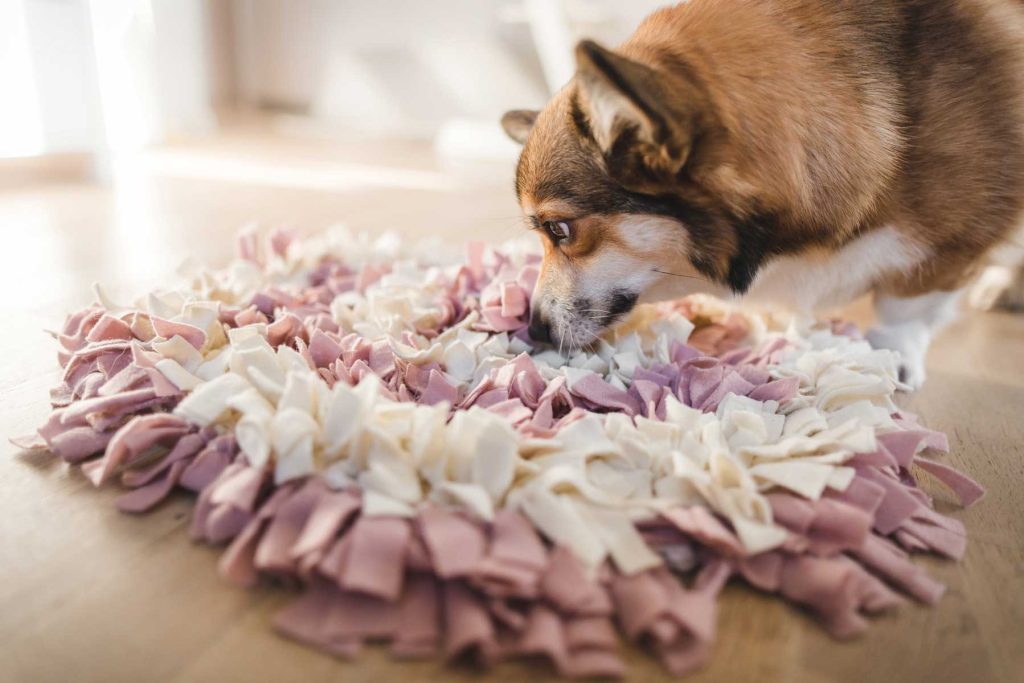
Grab an old towel or cloth and lay it flat. Sprinkle some treats on the towel. Roll or fold the towel with the treats inside. Your dog will work to unroll or unfold the towel to find the treats. This game helps improve your dog’s nose skills and patience.
Muffin Tin Brain Teaser
Take a muffin tin and place treats in some of the cups. Cover all the cups with tennis balls or small toys. Your dog must remove the balls to reach the treats below. This toy boosts your dog’s focus and problem-solving abilities.
Credit: www.youtube.com
Advanced Puzzle Toy Projects
Advanced puzzle toy projects challenge your dog’s thinking and keep them busy. These projects require more effort but offer great mental stimulation. They help improve problem-solving skills and reduce boredom. Crafting these toys can be fun and rewarding for both you and your pet.
Hidden Treat Boxes
Use small boxes or containers with lids to hide treats inside. Arrange the boxes in a row or stack them. Your dog must open the boxes to find the treats. Secure the lids lightly so your dog can open them with some effort. This toy encourages nose work and paw use.
Interactive Flap Puzzle
Create a board with several flaps that cover hidden treats. Use cardboard or thin wood to make the flaps. Attach them with tape or small hinges. Your dog needs to lift or move the flaps to reach the rewards. This toy teaches patience and coordination.
Sliding Compartments Game
Build a board with sliding compartments or panels. Each compartment holds a treat or toy. Slide the panels to reveal the hidden items. Use smooth materials like plastic or polished wood for easy sliding. This puzzle strengthens problem-solving and fine motor skills.
Tips For Introducing Puzzle Toys
Start with easy puzzles to help your dog learn how to play. Use treats to encourage interaction and keep sessions short. Watch your dog’s response and adjust the toy’s difficulty for fun and challenge.
Introducing your dog to puzzle toys can be a fun experience. These toys stimulate their mind and offer hours of entertainment. But it’s important to start correctly to ensure your dog enjoys the new activity.Starting Slow With Easy Challenges
Begin with simple puzzle toys. This helps your dog understand the concept. Choose toys that require basic actions like nudging or pawing. Gradually increase complexity as your dog gains confidence.Using Treats To Encourage Play
Treats can motivate your dog to engage with the toy. Place small, tasty treats inside the puzzle. This rewards your dog for their efforts. It encourages them to explore and solve the toy more eagerly.Monitoring Your Dog’s Response
Watch your dog as they play with the puzzle toy. Look for signs of frustration or boredom. Adjust the difficulty or switch toys if needed. Ensuring a positive experience keeps them interested and engaged.
Credit: rockykanaka.com
Safety Precautions
Keeping your dog safe while playing with a homemade puzzle toy is a top priority. Even the most creative designs can pose risks if safety is overlooked. Thinking ahead about potential dangers can save your furry friend from harm and make playtime more enjoyable for both of you.
Avoiding Small Or Sharp Parts
Small pieces can easily break off and become choking hazards. When you build your dog puzzle toy, choose parts that are large enough to prevent swallowing. Sharp edges or points can hurt your dog’s mouth or paws, so make sure everything is smooth and rounded.
Test the toy yourself by pressing and twisting parts to see if anything loosens. If you spot any fragile spots, reinforce or replace them. Would you feel safe handing this toy to your dog without worrying about injury?
Choosing Non-toxic Materials
Dogs explore the world with their mouths, so materials must be safe if chewed or licked. Avoid plastics that contain harmful chemicals like BPA or phthalates. Opt for natural wood, untreated fabric, or food-grade silicone instead.
Check labels carefully before buying craft supplies. If in doubt, ask your vet or pet store for recommendations on safe materials. Your dog’s health depends on what they come into contact with during play.
Supervising Playtime
Even the safest dog puzzle toy can become dangerous if left unsupervised. Always watch your dog during play to catch any signs of frustration or aggressive chewing. Remove the toy immediately if it shows damage or if your dog seems stressed.
Supervision also helps you understand how your dog interacts with the toy and whether it needs improvement. Have you noticed your dog’s favorite toys become unsafe over time? Regular checks and supervision keep playtime fun and hazard-free.
Maintaining And Cleaning Toys
Keeping your dog puzzle toy in good shape is key to making sure it stays fun and safe for your furry friend. Regular maintenance and cleaning not only extend the life of the toy but also protect your dog from potential hazards like broken parts or germs. Let’s look at some easy ways to care for your homemade puzzle toy so it stays engaging and safe over time.
Regular Inspection For Damage
Check the toy often for any signs of wear or damage. Look for cracks, loose pieces, or sharp edges that could hurt your dog. If you spot anything questionable, it’s best to take the toy away until you fix or replace the damaged parts.
I once ignored a small crack in a puzzle toy, and my dog ended up chewing it into tiny pieces, risking a choking hazard. Catching damage early can prevent accidents like this and keep playtime worry-free.
Safe Cleaning Methods
Cleaning the toy regularly helps avoid bacteria buildup that could make your dog sick. Use mild soap and warm water, and rinse thoroughly to remove all soap residue. Avoid harsh chemicals that might leave harmful residues or strong smells.
If your puzzle toy has removable parts, take them apart to clean every nook and cranny. Let the toy dry completely before giving it back to your dog to prevent mold growth.
Replacing Worn Components
Some parts of your dog puzzle toy might wear out faster than others, especially if they involve treats or moving pieces. Keep extra materials handy so you can replace worn components quickly. This keeps the toy challenging and safe without the need to make a whole new one.
Have you ever noticed your dog losing interest in a puzzle toy? Sometimes, simply swapping out a worn piece can renew their curiosity and excitement. Keeping the toy fresh is part of the fun for both of you.

Credit: tamaracamerablog.com
Frequently Asked Questions
What Materials Are Needed To Make A Dog Puzzle Toy?
To make a dog puzzle toy, you need basic materials like plastic bottles, cardboard, treats, and non-toxic glue. These materials are safe for dogs and easy to assemble, making the toy fun and interactive.
How Do Dog Puzzle Toys Benefit My Pet?
Dog puzzle toys stimulate your pet’s mind and reduce boredom. They encourage problem-solving skills and improve mental health. These toys also help prevent destructive behavior by keeping dogs engaged.
Can I Customize A Dog Puzzle Toy At Home?
Yes, you can customize a dog puzzle toy using household items. Adjust the difficulty by hiding treats or creating compartments. Personalizing the toy keeps your dog interested and challenged.
How Often Should I Use A Dog Puzzle Toy?
Use the dog puzzle toy for 10-15 minutes daily. Regular play improves your dog’s mental agility and focus. Avoid overuse to maintain your pet’s enthusiasm and prevent frustration.
Conclusion
Making a dog puzzle toy can be simple and fun. It keeps your dog busy and happy. Use safe materials and easy steps to create it. Watching your dog solve the puzzle brings joy. This activity also helps your dog’s mind stay sharp.
Try different designs to find what your dog likes best. Spending time on this project strengthens your bond. Enjoy crafting and playing together every day.