Have you ever noticed how having too many toys can sometimes make playtime less fun? It might seem like more toys mean more fun, but the truth is different.
When you give your child too many options, their creativity can actually take a hit. Imagine your child surrounded by piles of toys but not knowing where to start or what to create. This overload can limit their ability to think outside the box and come up with new ideas.
You’ll discover why less can be more when it comes to toys and how cutting down can unlock your child’s true creative potential. Keep reading to find out how to turn playtime into a powerful tool for imagination.

Credit: www.yahoo.com
Impact Of Toy Overload
Toy overload can quietly disrupt a child’s ability to engage deeply with any single activity. When surrounded by too many options, children may struggle to focus on one toy long enough to explore it fully. This scattered attention can stunt their creative growth and limit opportunities for imaginative play.
How Excess Toys Distract Focus
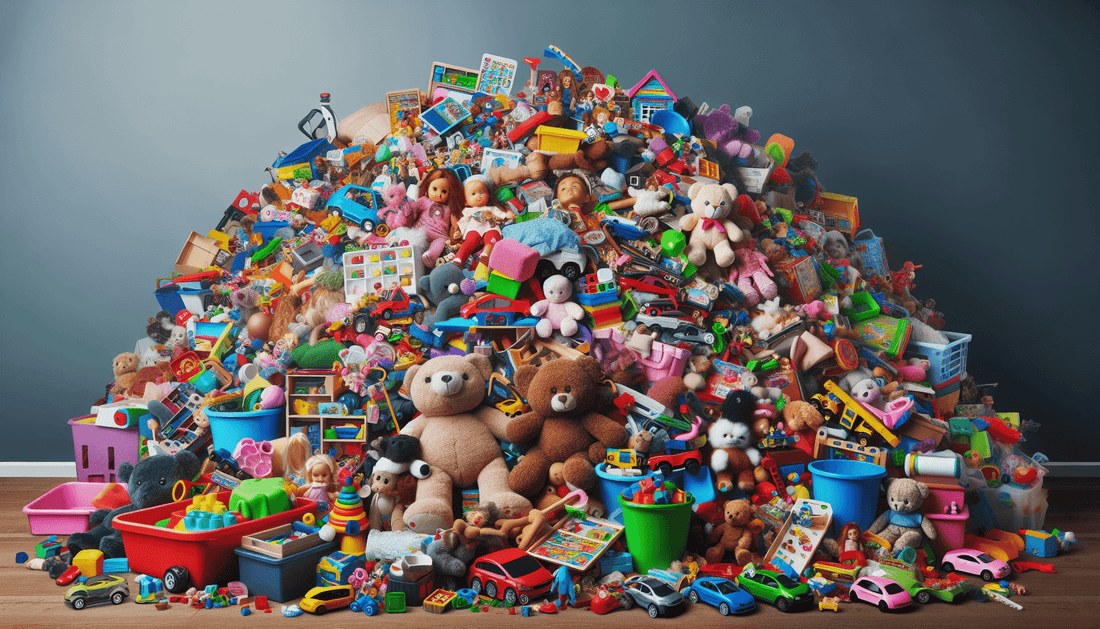
Imagine walking into a room filled with toys from floor to ceiling. Your child’s eyes dart from one item to another but never settle. This constant switching prevents them from diving into imaginative scenarios or mastering new skills.
Too many toys can create a noisy environment that overwhelms the senses. Instead of sparking creativity, it can lead to boredom or frustration because nothing holds their interest. Have you noticed your child playing briefly with multiple toys but never seeming truly engaged?
Effects On Problem-solving Skills
When children have fewer toys, they learn to use what’s available in creative ways. They might combine blocks with dolls or invent new games using simple items. This kind of play encourages problem-solving and flexible thinking.
With too many toys, children rarely face the challenge of figuring out how to use limited resources. They don’t need to experiment or invent because something new is always within reach. How often do you see your child creating solutions or stories with what’s at hand versus just picking the next toy?
Benefits Of Fewer Toys
Fewer toys can create a better environment for a child’s growth. Too many toys often lead to distraction and less focus on one activity. A simple set of toys encourages kids to use their imagination more. It also helps them learn to solve problems and think clearly. Parents and teachers see that children with fewer toys often develop skills faster.
Encouraging Imaginative Play
With fewer toys, children use what they have in creative ways. A block can become a car, a castle, or a phone. This kind of play helps children think beyond the toy itself. It sparks stories and ideas in their minds. Imaginative play improves language skills and social understanding. It teaches kids to explore new roles and situations.
Boosting Cognitive Development
Fewer toys mean children focus on learning from each one. They experiment and discover new ways to play. This active learning builds brain connections and problem-solving skills. Concentrating on one toy at a time helps memory and attention. Children learn cause and effect as they test ideas with toys. Their thinking becomes more flexible and organized over time.
Role Of Simplicity In Play
Simplicity plays a key role in how children engage with toys. Toys that are too complex can overwhelm them. Simple toys invite imagination and encourage creative thinking. They offer fewer rules and more freedom to explore ideas. This freedom helps children develop problem-solving skills and original thoughts. Playtime becomes a space for discovery rather than following instructions. Children learn to create their own stories and uses for simple toys. This fosters deeper creative abilities and longer engagement.
Promoting Creativity Through Minimalism
Minimalism in toys means fewer pieces and open possibilities. It removes distractions and lets children focus on what they create. Simple toys allow kids to use their imagination fully. They can turn a block into a car, a house, or anything else. This kind of play grows their ability to invent and dream. Parents and teachers see more active thinking and less passive entertainment. Minimalism also helps children feel less overwhelmed and more in control. This builds confidence and encourages independent play.
Examples Of Open-ended Toys
- Wooden blocks – stack, build, and design any shape
- Play dough – mold into endless forms and figures
- Simple dolls or figurines – create stories and scenarios
- Art supplies like crayons and paper – draw and imagine freely
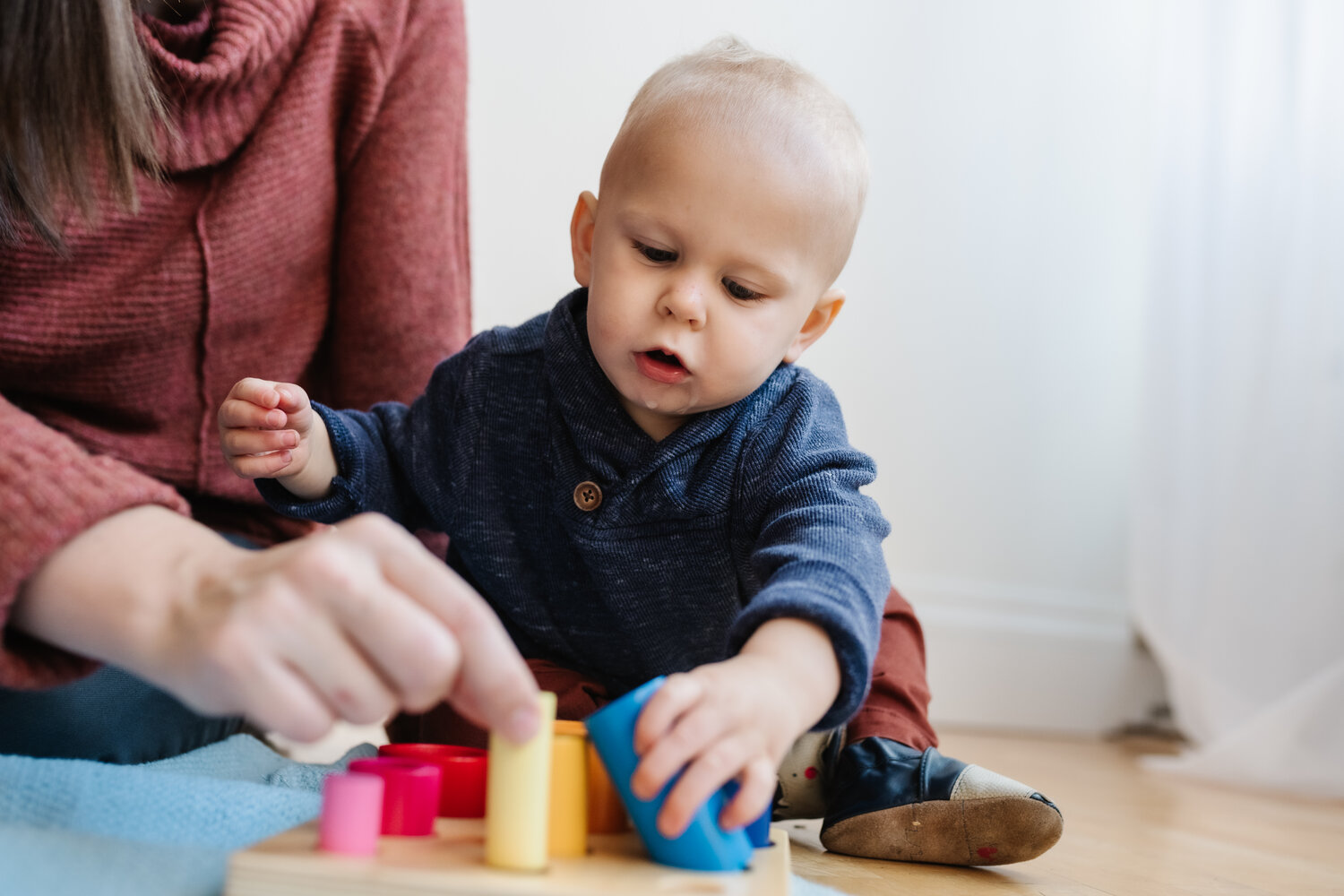
- Stacking rings or nesting cups – explore size and order
These toys don’t limit what children can do. They support creativity by offering many uses. Open-ended toys grow with the child’s imagination. They keep play fresh and exciting over time.
Credit: www.montessoriinreallife.com
Parental Strategies To Simplify
Parents often feel overwhelmed by the number of toys their children have. Excess can lead to clutter and overwhelm. Too many toys might also limit a child’s creativity. Simplifying toy collections can help. Here are some strategies for simplifying.
Rotating Toy Selection
Instead of offering all toys at once, rotate them. Store some toys away and introduce them later. This keeps playtime fresh and exciting. It also reduces clutter. Children explore toys with renewed interest. A smaller selection encourages deeper play and imagination. Rotating toys can also teach children about organization. It helps them appreciate what they have.
Creating Engaging Play Spaces
A tidy play space can enhance creativity. Arrange toys in a way that invites exploration. Use shelves and bins to organize toys by type. Limit toys to a manageable number. Label each bin with words or pictures. This helps children know where things belong. Open space encourages movement and creativity. Provide materials for art, building, and pretend play. Encourage children to use their imagination. A well-organized space can inspire creativity and focus.
Balancing Variety And Simplicity
Balancing variety and simplicity in your child’s toy collection is crucial to nurturing creativity without overwhelming them. Too many toys can scatter focus, while too few might limit imaginative possibilities. Finding the right mix helps your child explore freely and inventively.
Choosing Quality Over Quantity
Focus on toys that encourage open-ended play, like building blocks or art supplies. These allow kids to create in countless ways, unlike toys with limited use. A single well-chosen toy can inspire more creativity than a shelf full of gadgets.
Think about durability and versatility when selecting toys. Quality items often last longer and adapt to different play styles as your child grows. This approach reduces clutter and keeps playtime fresh and engaging.
Involving Kids In Toy Decisions
Ask your child what types of toys spark their interest instead of guessing. When kids help choose their toys, they feel more connected and motivated to play creatively. This also teaches them to value their belongings.
Discuss with your child which toys they use most and why. This conversation can reveal what truly stimulates their imagination and what just adds noise. It’s a simple way to cut down on unnecessary items together.

Credit: www.happysimplemom.com
Frequently Asked Questions
Can Too Many Toys Reduce A Child’s Creativity?
Yes, having too many toys can overwhelm children and limit imaginative play. Fewer toys encourage problem-solving and creativity by allowing kids to explore more deeply.
How Do Fewer Toys Boost Creativity In Kids?
Fewer toys simplify choices, helping children focus on creative play. This promotes imagination and innovation as kids invent new ways to use limited resources.
Does Toy Clutter Affect A Child’s Focus And Creativity?
Cluttered play spaces can distract children and reduce their ability to concentrate. Organized, minimal toys foster better focus and encourage creative thinking.
What Types Of Toys Best Encourage Creativity?
Open-ended toys like building blocks, art supplies, and dolls stimulate creativity. They allow multiple uses, encouraging children to invent stories and solutions.
Conclusion
Too many toys can distract children from creative play. A cluttered space often limits imagination and focus. Simple toys help kids think and explore more deeply. They learn to invent stories and solve problems. Parents should choose quality over quantity in toys.
Giving kids room to create matters more than many items. Balance is key for healthy growth and creativity. Fewer toys can lead to richer, more meaningful play. Let children enjoy the joy of discovery without overload.