Looking to explore new sensations and take control of your pleasure? Learning how to DIY a prostate toy can be a fun, affordable, and safe way to do just that.
You don’t need fancy tools or expensive materials—just a bit of creativity and care. This guide will walk you through simple steps to create your own prostate stimulator, designed to give you maximum comfort and satisfaction. Ready to discover a new level of pleasure?
Keep reading, and you’ll find everything you need to know to make your own prostate toy right at home.
Choosing Safe Materials
Choosing the right materials for a DIY prostate toy is crucial for your safety and comfort. Not all materials are created equal, especially when it comes to sensitive areas like the prostate. Picking safe, non-toxic, and easy-to-clean materials can prevent infections and injuries while enhancing your experience.
Body-safe Options
Look for materials that are non-porous and hypoallergenic. Medical-grade silicone is a top choice because it’s soft, flexible, and easy to sterilize. Stainless steel and borosilicate glass are also excellent; they’re rigid but smooth and safe if properly cleaned.
Many DIY enthusiasts have successfully used food-grade silicone molds or smooth wooden pieces sealed with a body-safe finish. If you go the wooden route, ensure it’s sealed well to avoid splinters or bacteria buildup. Think about how the material feels and reacts with your body—comfort is key.
Avoiding Harmful Substances
Steer clear of porous materials like untreated wood, soft plastics, or anything containing phthalates and BPA. These can harbor bacteria and cause irritation or allergic reactions. Even some craft supplies and household items might have coatings or chemicals unsafe for internal use.
Ask yourself: is this material designed to touch skin, especially sensitive skin? If the answer isn’t a confident yes, put it aside. Your health should never be compromised for the sake of convenience or cost.
Sanitizing Materials
Sanitizing your DIY prostate toy is not optional—it’s essential. Materials like silicone, stainless steel, and glass can be boiled or cleaned with a 10% bleach solution followed by thorough rinsing. Soap and warm water work well too, but always double-check that the material won’t degrade with repeated cleaning.
If you’re sealing wood or other porous materials, consider applying multiple layers of a non-toxic, waterproof sealant. This creates a barrier that makes cleaning easier and safer. How often you clean your toy depends on use, but aiming for thorough cleaning before and after each use is a good habit.
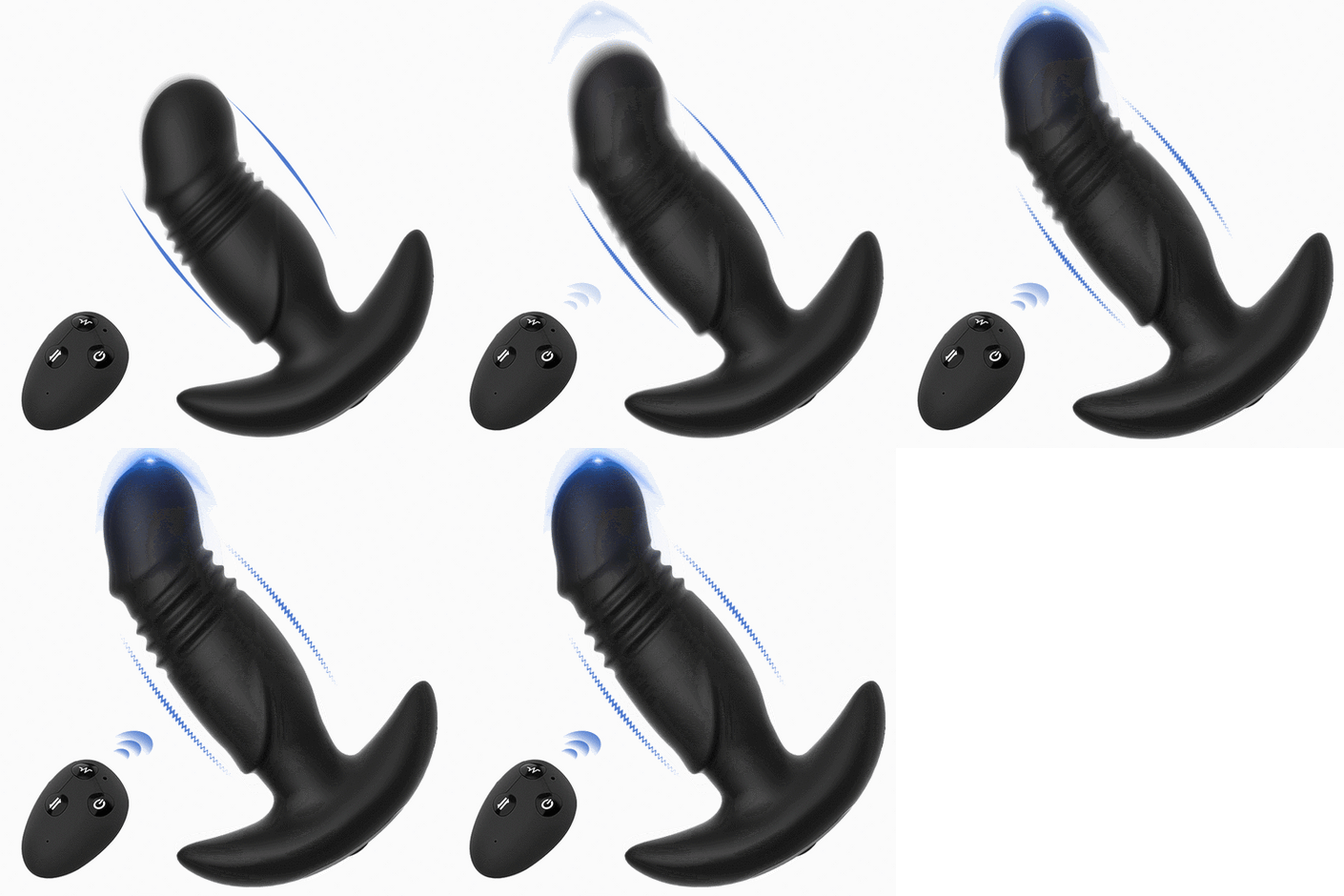
Credit: lilpleaser.com
Designing Your Toy
Designing your own prostate toy is an exciting part of the DIY process. It lets you tailor the toy specifically to your comfort and pleasure. Thoughtful design can make all the difference between a frustrating experience and one that’s truly enjoyable.
Size And Shape Considerations
Choosing the right size is key. A toy that’s too large can cause discomfort, while one that’s too small might not provide the stimulation you want.
Think about starting with a narrow tip that gradually widens. This shape helps with easy insertion and effective prostate contact. Also, consider the length—too long might be awkward to handle, too short might not reach the right spot.
Have you noticed how subtle curves often hit the prostate better? Adding a gentle curve can make a big difference in stimulation. Don’t be afraid to test different shapes to find what feels best for you.
Adding A Flared Base
A flared base is crucial for safety. It prevents the toy from slipping too far inside and makes removal easier. This is a feature you must never skip.
Design your base to be wide and flat, or even ring-shaped. This gives you control and peace of mind during use. If you’re crafting from materials like silicone or resin, make sure the base is sturdy and secure.
Have you thought about how the base can also serve as a handle? A well-designed base improves grip and maneuverability, enhancing your overall experience.
Ensuring Comfortable Use
Comfort should be your top priority. Smooth, body-safe materials reduce irritation and increase pleasure. Avoid sharp edges or rough textures.
Consider adding a slight flexibility to your design. Too rigid can feel harsh, while a bit of give adapts better to your body’s shape. You might want to test different materials to find a balance between firmness and comfort.
Ask yourself how you’ll clean and store the toy. Easy cleaning means safer and more enjoyable use over time. Designing with hygiene in mind is just as important as the toy’s shape or size.
Tools And Supplies Needed
Gathering the right tools and supplies is your first step toward successfully creating a safe and effective prostate toy at home. Having everything ready before you start will save time and ensure a smoother crafting experience. Let’s break down what you’ll need to make your DIY project both fun and functional.
Basic Crafting Tools
- Silicone mold or shaping tools:These help form the toy’s shape. You can use food-grade silicone molds or carve your own from non-toxic materials.
- Utility knife or precision blade:Essential for cutting and shaping materials cleanly. Be careful—sharp tools need respect and attention.
- Sandpaper or fine file:Smooth edges are critical for comfort and safety. Use fine grit sandpaper to finish surfaces gently.
- Measuring tools:Rulers or calipers help you keep dimensions consistent, especially if you want a specific size or shape.
Adhesives And Sealants
Choosing the right adhesive and sealant can make or break your project’s durability and safety. Look for body-safe, non-toxic options that won’t irritate sensitive skin.
- Silicone adhesive:Perfect for bonding silicone parts together without compromising flexibility.
- Medical-grade sealants:These protect the toy’s surface and prevent bacteria buildup. They also add a smooth finish.
- Waterproof glue:Useful if you plan to use the toy in wet environments or want to ensure long-lasting adhesion.
Optional Accessories
Adding accessories isn’t necessary but can improve your toy’s usability and comfort. Think about what features matter most to you.
- Handles or grips:These help with control and ease of use, especially if you prefer more precise movements.
- Vibration units:Small, insertable vibrators can be embedded to enhance stimulation.
- Cleaning brushes:Keeping your toy clean is vital, so specialized brushes can make maintenance easier.
Have you ever thought about how much control you want over the size and texture of your toy? Starting with the right tools lets you customize every detail to fit your comfort and pleasure perfectly.
Step-by-step Construction
Gather safe materials like silicone or smooth plastic to ensure comfort. Shape the toy carefully, focusing on smooth edges and a comfortable size. Test the finished product gently to ensure safety before use.
Creating your own prostate toy can be a rewarding and educational experience. It allows you to customize a product tailored to your preferences, ensuring a perfect fit and feel. Plus, it’s a fun project that engages your creativity and craftsmanship. Let’s walk through the process together, making sure each step is clear and manageable.Preparing Materials
Before you start, gather all necessary materials. You’ll need body-safe silicone, a mold release agent, and a sturdy base material like a plastic or wooden handle. Safety is paramount, so ensure all materials are non-toxic and suitable for internal use. Create a checklist to keep track of your supplies. This helps ensure nothing important is left out. Having everything ready beforehand can streamline your crafting process and keep you focused.Shaping And Assembling
Begin by designing the shape of your prostate toy. The ideal design is ergonomic, with a gentle curve to hit the right spots. Use clay or modeling putty to create a prototype; this helps you visualize and adjust before finalizing. Once satisfied with the shape, use it to create a mold. Silicone is a great choice for this, as it captures fine details and is flexible. Assemble the components by inserting the base material into the mold, ensuring it’s secure and stable.Smoothing And Finishing
Once the silicone has set, carefully remove the toy from the mold. Inspect the surface for any rough edges or imperfections. Use fine-grit sandpaper to gently smooth these areas, ensuring a comfortable and safe finish. Check for any seams or irregularities that may affect comfort. A smooth surface enhances the overall experience and functionality. Finish by cleaning your new toy thoroughly. This final step ensures it’s ready for safe and enjoyable use. Are you ready to create something that’s uniquely yours? Embrace this opportunity to learn, experiment, and enjoy the results of your DIY project!Testing And Safety Checks
Before you dive into using your DIY prostate toy, ensuring it is safe and reliable is crucial. Testing and safety checks help prevent injuries and infections, which can happen if the toy has flaws or is made from unsuitable materials. Taking the time to thoroughly inspect and test your creation gives you peace of mind and a more enjoyable experience.
Inspecting For Flaws
Carefully examine every inch of your prostate toy for sharp edges, cracks, or rough spots. These small imperfections can cause discomfort or even injury during use. Run your fingers along the surface and look under good lighting to spot any issues you might miss at first glance.
Does the shape feel smooth and consistent? If you notice any uneven areas, sand them down or make adjustments before moving forward. Your body deserves gentle care, so never skip this important step.
Testing Flexibility And Strength
Your toy should be flexible enough to move with your body but strong enough not to break under pressure. Gently bend and twist the toy to see how it responds. If it cracks, feels too stiff, or deforms easily, it’s not ready for use.
Consider the material’s durability—silicone, for example, tends to be both flexible and firm, making it a popular choice. How does your DIY version compare? Testing this helps you avoid unpleasant surprises during intimate moments.
Hygiene And Maintenance Tips
Keeping your prostate toy clean is essential to prevent infections. Wash it thoroughly with warm water and mild soap before and after each use. Avoid harsh chemicals that could degrade the material or irritate sensitive skin.
Store the toy in a clean, dry place away from dust and lint. Using a dedicated pouch or container helps maintain hygiene. Have you thought about how you’ll keep your toy safe between uses? Planning this out makes your DIY project truly practical and safe.

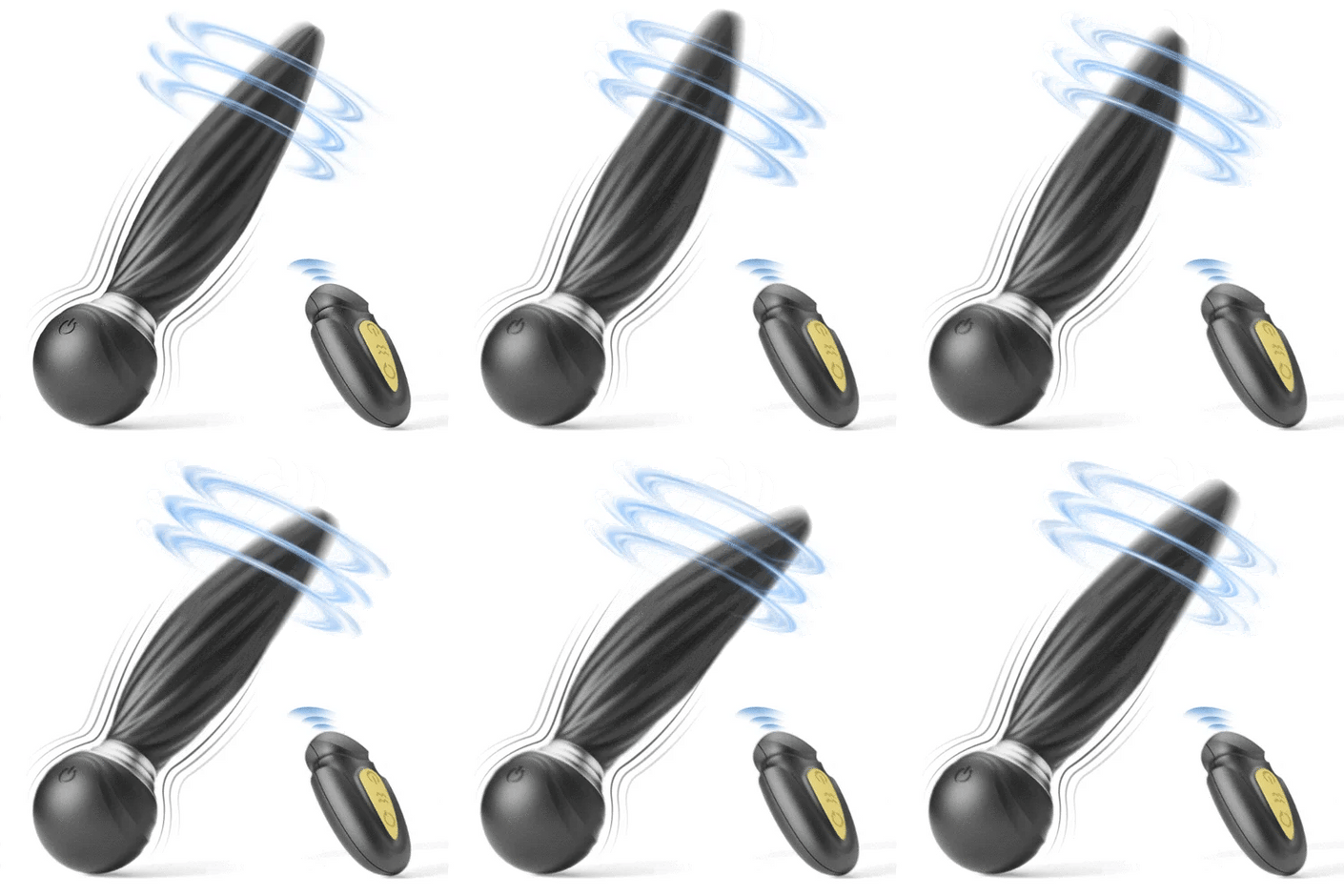
Credit: lilpleaser.com
Using Your Diy Toy Safely
Using your DIY prostate toy safely is essential to ensure a pleasurable and injury-free experience. Understanding the right techniques and precautions can make all the difference in how comfortable and enjoyable your exploration becomes. Let’s dive into some key safety practices that will help you respect your body’s limits and maximize your satisfaction.
Lubrication Guidelines
Lubrication is your best friend when using a prostate toy. Always choose a generous amount of water-based lubricant to reduce friction and protect sensitive tissue. Avoid silicone-based lubes if your toy is made from silicone, as this can degrade the material.
Apply lubricant not only to the toy but also to the anal opening for smoother insertion. Reapply as needed, especially during longer sessions. Have you noticed how skipping lube changes the whole experience? Don’t let dryness get in the way of comfort and safety.
Insertion Techniques
Take your time during insertion. Relax your body and breathe deeply to ease tension. Start by gently massaging the area around the anus to help your muscles relax.
Insert the toy slowly and at a slight angle, aiming towards the belly button rather than straight in. Stop immediately if you feel resistance or pain. Remember, gradual progress is safer and more enjoyable than forcing anything.
Recognizing Discomfort
Listening to your body is crucial. Mild pressure or fullness is normal, but sharp pain or burning sensations are signs to stop right away. If you experience bleeding or prolonged discomfort after use, seek medical advice.
Ask yourself: Is this feeling tolerable or pushing boundaries? Respecting your limits helps prevent injury and ensures positive experiences every time. Your body’s signals are your best guide—don’t ignore them.

Credit: www.reddit.com
Frequently Asked Questions
How Can I Safely Diy A Prostate Toy At Home?
Use body-safe materials like silicone or smooth plastic. Ensure the toy has a flared base to prevent accidents. Clean thoroughly before and after use to maintain hygiene and avoid infections.
What Materials Are Best For Homemade Prostate Toys?
Choose non-porous, body-safe materials such as medical-grade silicone or stainless steel. Avoid porous or toxic substances to prevent irritation or infections during use.
How Do I Ensure Comfort When Making A Prostate Toy?
Design with smooth, rounded edges and a gentle curve. Start small and test for comfort. Use plenty of water-based lubricant during use to reduce friction and enhance pleasure.
Can I Sterilize A Diy Prostate Toy?
Yes, boil silicone or stainless steel toys for 3-5 minutes. Avoid harsh chemicals. Proper sterilization prevents bacterial buildup and ensures safe reuse.
Conclusion
Making a prostate toy at home can be safe and fun. Use clean materials and keep everything smooth. Test the toy carefully before use to avoid injury. Take your time and do not rush the process. This DIY project lets you customize your experience easily.
Remember, safety and comfort come first in every step. Enjoy exploring new ways to enhance your pleasure. Simple tools and patience can create great results. Try it yourself and see how it feels.