If you have a pet parrot, you know how important it is to keep your feathered friend happy and entertained. But buying toys can get expensive, and sometimes they just don’t last long.
What if you could make fun, safe, and colorful toys yourself? In this guide, you’ll discover simple steps to create DIY parrot toys that your bird will love. Not only will you save money, but you’ll also strengthen the bond with your parrot by giving them something made just for them.
Ready to bring more joy and excitement to your bird’s day? Let’s get started!
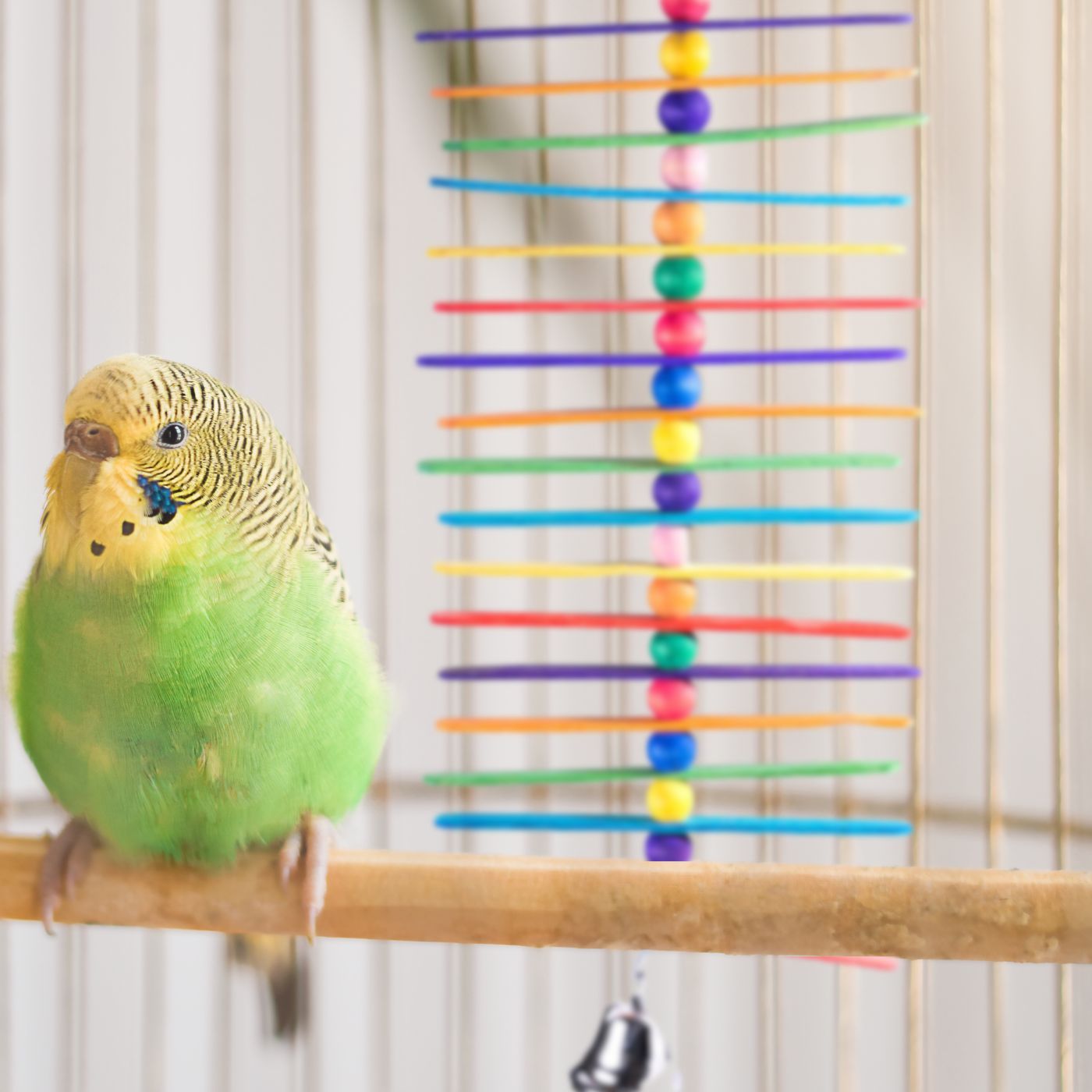
Credit: parrotessentials.co.uk
Benefits Of Diy Parrot Toys
Creating DIY parrot toys offers more than just fun for your feathered friend. It provides meaningful benefits that improve their mental and physical health. Understanding these advantages can inspire you to craft toys that truly enrich your parrot’s life.
Improves Mental Stimulation And Prevents Boredom
Parrots are intelligent creatures that need constant mental challenges. DIY toys can be customized to introduce new puzzles or textures, keeping their minds sharp. Have you noticed how your parrot reacts to a new toy? That spark of curiosity shows how important stimulation is.
Enhances Physical Exercise And Coordination
Many DIY toys encourage climbing, swinging, or chewing, which helps your parrot stay active. This movement supports muscle strength and coordination. Adding different shapes and materials can make exercise feel like play, not a chore.
Cost-effective And Environmentally Friendly
Buying commercial toys can add up quickly, but making your own saves money. Plus, you can use recycled or natural materials, reducing waste. Imagine turning everyday household items into something your parrot loves—it’s rewarding for both of you.
Allows Personalization For Your Parrot’s Preferences
Every parrot has unique tastes. DIY toys let you tailor colors, sizes, and textures to match your bird’s favorites. This personal touch often results in longer-lasting engagement and satisfaction.
Strengthens Your Bond With Your Parrot
Building toys together creates a shared experience between you and your pet. Your parrot senses your effort and care, which can deepen trust. Isn’t it amazing how a simple toy can become a connection point?
Choosing Safe Materials
Choosing safe materials is the first step in making DIY parrot toys. Parrots love to chew and explore with their beaks. Using the right materials keeps them healthy and happy. Unsafe materials can cause choking or poisoning. Always pick items that are strong and free from toxins.
Non-toxic Wood Options
Wood is a popular choice for parrot toys. Select woods that are safe and natural. Avoid treated or painted wood, which can harm birds. Good options include:
- Maple
- Birch
- Apple
- Willow
- Poplar
These woods are soft enough for chewing but not toxic. Always check for splinters before use. Sand rough edges to prevent injuries.
Bird-safe Fabrics And Ropes
Fabrics and ropes add fun textures to toys. Use natural fibers like cotton, jute, or hemp. These materials are gentle on birds’ beaks and feet. Avoid synthetic fabrics and ropes with loose threads. They can tangle or cause choking. Choose strong but soft fabrics that last long.
Avoiding Harmful Chemicals
Chemicals in some materials pose risks to parrots. Skip plastics with BPA or phthalates. Do not use toys with paint, glue, or varnish. These often contain toxic substances. Always test materials by smelling or checking labels. If unsure, choose plain, untreated items. Safe toys protect your bird’s health every time.
Basic Tools You’ll Need
Creating DIY parrot toys requires a few basic tools. These tools make the process easier and safer. Most are simple and easy to find. Having the right tools saves time and helps you build strong, fun toys for your parrot.
Keep your tools clean and in good condition. This ensures safety for both you and your bird. Now, let’s explore the essential tools you’ll need for making parrot toys.
Cutting Tools
Sharp scissors or small wire cutters are necessary. They help cut rope, wood, and plastic parts. Choose tools with comfortable handles for better control. Avoid dull blades to prevent frayed edges that can harm your bird.
Measuring Tools
A tape measure or ruler helps create toys in the right size. Proper measurements ensure the toy fits your bird’s cage. Use simple tools to keep things accurate and consistent.
Drilling Tools
A small hand drill or electric drill with thin bits works best. Drilling holes allows you to attach parts securely. Use gentle pressure and safety gear to avoid accidents.
Fastening Tools
Needle-nose pliers help bend and twist wires. They secure beads, bells, and other small pieces. Also, strong, non-toxic glue can be useful for some materials.
Cleaning Supplies
Keep your workspace clean with mild soap and water. Clean tools prevent germs from reaching your parrot. Always dry tools well before using them on toys.

Credit: pdsparrotshop.com
Simple Toy Ideas For Beginners
Starting with simple DIY parrot toys is a smart way to keep your feathered friend happy without overwhelming yourself. These easy projects use common materials and require minimal tools, making them perfect for beginners. You’ll be surprised how a few basic items can turn into hours of fun and mental stimulation for your parrot.
Paper And Cardboard Creations
Paper and cardboard are fantastic materials for easy parrot toys. You can tear strips of cardboard or crumple paper into balls for your bird to shred and play with. Try folding paper into small shapes or making simple paper chains—they love the textures and sounds.
One time, I watched my parrot excitedly pull apart a paper ball I made from old newspaper. It was a hit! Just make sure to avoid glossy or colored paper that might have toxic inks.
Wooden Bead Toys
Wooden beads offer a safe and colorful way to create engaging toys. Thread them onto a sturdy string or natural fiber rope, knotting between beads to keep them in place. Your parrot will enjoy chewing, pulling, and rearranging the beads.
Use untreated wood beads to keep things bird-safe. Adding a bell or mirror can increase the toy’s appeal, but always supervise the first few play sessions to ensure safety.
Natural Foraging Toys
Foraging toys encourage your parrot’s natural instincts and provide mental exercise. Gather safe, natural items like coconut shells, pine cones, or untreated wood pieces. Hide treats inside or between these items to spark curiosity.
Try tying some treats inside a coconut shell with a small opening for your parrot to find them. This simple challenge keeps your bird busy and engaged, preventing boredom and destructive behavior.
Creative Toys For Advanced Crafters
Creative toys for advanced crafters challenge your skills and keep your parrot busy. These projects need more time and care. They also use various materials and techniques. Your bird will enjoy new textures, shapes, and puzzles. Crafting these toys improves your bond with your pet. It also helps your parrot stay active and smart.
Hanging Rope Ladders
Hanging rope ladders offer great exercise and climbing fun. Use natural cotton or sisal rope for safety. Cut wooden dowels or branches into small steps. Tie the steps evenly along two ropes. Make knots to secure the steps in place. Attach metal hooks or loops at each end. Hang the ladder inside the cage or play area. This toy encourages climbing and keeps your parrot’s feet strong.
Puzzle Feeders
Puzzle feeders make your parrot think and work for treats. Start with a small wooden box or frame. Cut holes just big enough for your bird to reach inside. Add sliding doors or removable lids for access. Place favorite snacks or seeds inside the box. Your parrot will learn to open and close parts to get food. This toy improves problem-solving skills and reduces boredom.
Colorful Shredding Toys
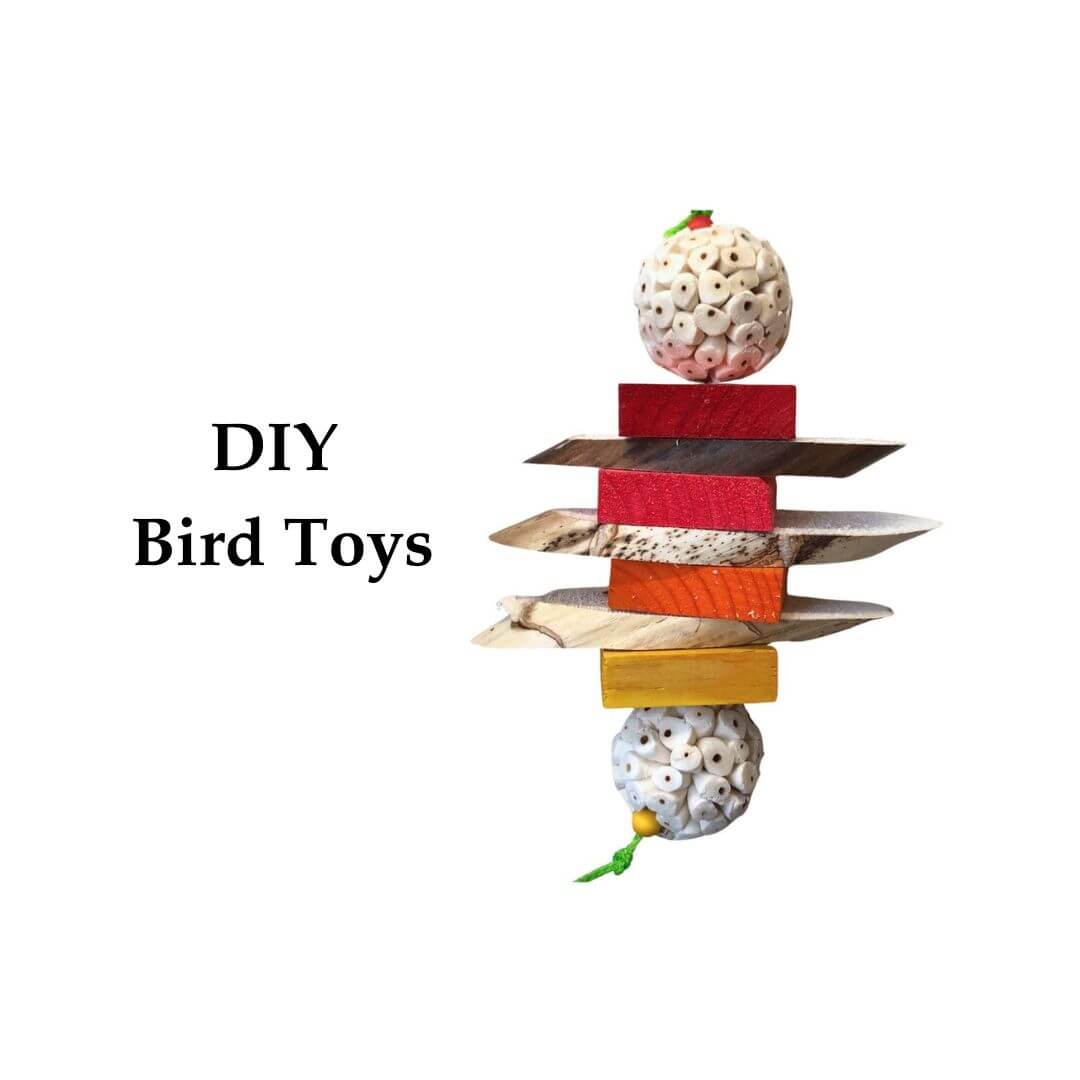
Colorful shredding toys keep parrots entertained and help with beak health. Use untreated paper, cardboard, and coconut fibers. Add bright wooden beads or safe plastic parts for color. Tie the materials together with string or thin rope. Make different layers or shapes to shred. Hang the toy where your parrot can easily reach it. Shredding releases energy and satisfies natural instincts.
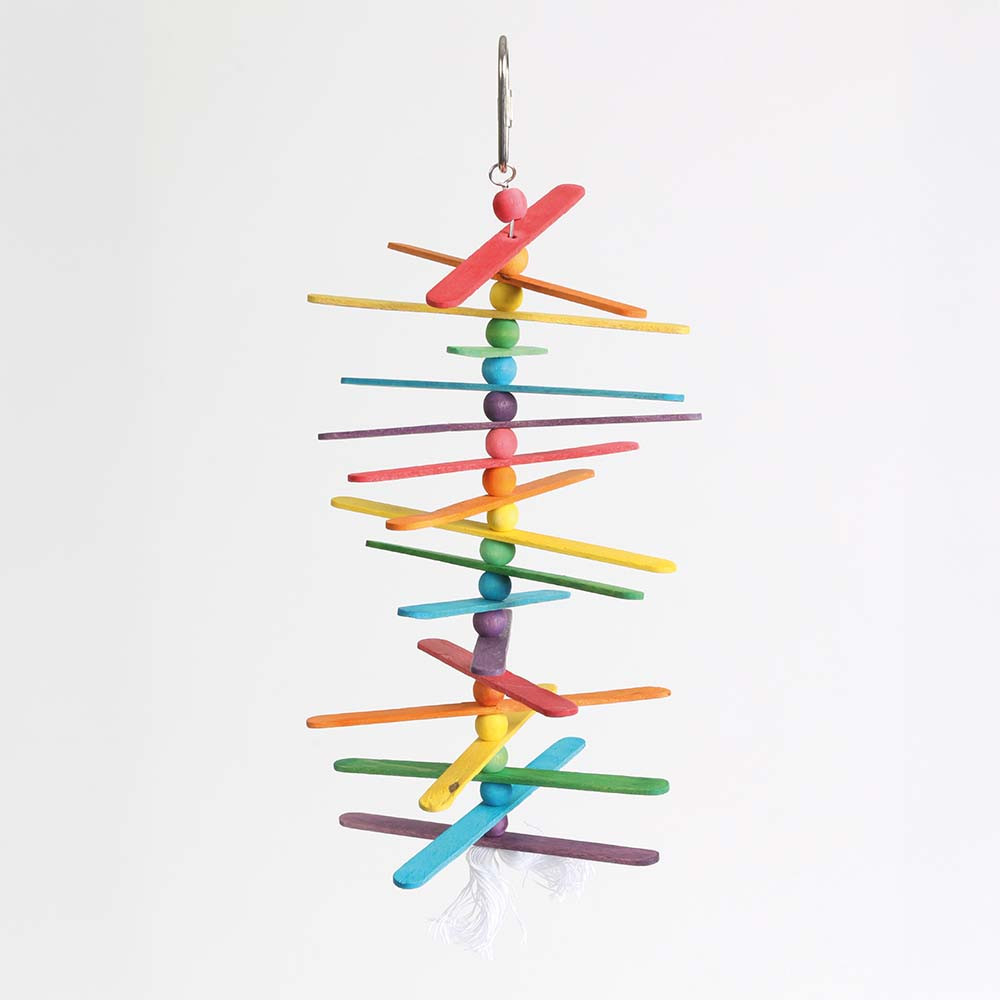
Credit: www.northernparrots.com
Tips For Toy Maintenance And Safety
Ensuring your parrot’s toys remain safe is crucial for their well-being. Well-maintained toys prevent accidents and keep your feathered friend entertained. Below are some essential tips to keep your DIY parrot toys in top condition.
Regular Inspection
Check your parrot toys every week. Look for sharp edges or broken parts. Ensure all pieces are securely attached. Loose parts can pose a choking hazard. If you spot any damage, remove the toy immediately.
Cleaning And Hygiene
Clean the toys regularly to prevent bacterial build-up. Use mild soap and warm water. Rinse thoroughly to remove all soap residues. Make sure the toys are completely dry before returning them to your parrot. This prevents mold growth and keeps your bird healthy.
Replacing Worn-out Parts
Replace any worn or damaged parts promptly. Use safe materials like untreated wood or stainless steel. Ensure replacements are similar in size and shape. Regularly updating parts extends the life of the toy.
Encouraging Parrot Interaction
Encouraging your parrot to interact with DIY toys is key to keeping them mentally sharp and physically active. Parrots are naturally curious, but new objects can sometimes feel intimidating. Helping your bird feel comfortable and interested in their toys will lead to hours of fun and learning for both of you.
Introducing New Toys Gradually
When you bring a new toy into your parrot’s environment, don’t just toss it in their cage. Instead, place the toy nearby where your bird can see it but not immediately touch it. This gives your parrot a chance to observe and get curious without feeling overwhelmed.
Try holding the toy yourself and interacting with it. Talk to your parrot about the toy or gently tap it to catch their attention. This gentle introduction builds trust and invites your bird to explore at their own pace.
Observing Your Parrot’s Preferences
Every parrot has unique tastes when it comes to toys. Watch closely to see which colors, shapes, or materials your bird favors. Does your parrot prefer soft ropes to chew on, or are they more interested in shiny beads and bells?
Note how your parrot plays—are they shredding, pecking, or solving puzzles? Use these observations to craft future toys that match their style. You’ll find that tailoring toys to your parrot’s preferences makes playtime more engaging and satisfying.
Rotating Toys For Engagement
Parrots can get bored with the same toys after a while. Keep their playtime exciting by rotating toys regularly. Store some toys away and swap them out every few days or weeks to maintain your parrot’s interest.
Rotation also helps you spot which toys get the most attention and which ones don’t. Have you noticed how your parrot’s enthusiasm spikes when a “forgotten” toy makes a comeback? This simple trick keeps your bird curious and eager to interact.
Frequently Asked Questions
What Materials Are Safe For Diy Parrot Toys?
Use non-toxic, bird-safe materials like untreated wood, cotton ropes, and paper. Avoid plastics and metals that can harm your parrot. Always choose natural, chewable items to keep your bird entertained and safe.
How Can I Make Parrot Toys At Home Easily?
Start with simple designs using common household items like wooden blocks, paper, and ropes. Combine different textures for mental stimulation. Ensure all parts are securely attached to prevent choking hazards.
How Often Should I Replace Diy Parrot Toys?
Replace toys every few weeks or when they show signs of wear. Worn toys can become unsafe and boring. Regular rotation keeps your parrot mentally engaged and physically active.
Can Diy Toys Help Prevent Parrot Boredom?
Yes, homemade toys provide mental stimulation and physical exercise. They mimic natural foraging and chewing behaviors. Regularly changing toys boosts your parrot’s happiness and reduces destructive habits.
Conclusion
Creating DIY parrot toys brings fun and learning together. Your parrot stays happy and active every day. Using safe materials keeps your bird healthy and safe. Making toys yourself saves money and lets you customize. Enjoy watching your parrot explore and play with new toys.
Small efforts make a big difference in your bird’s life. Try making different toys to find your parrot’s favorite. Keep the playtime fresh and exciting for your feathered friend. Simple steps lead to joyful moments for both of you.