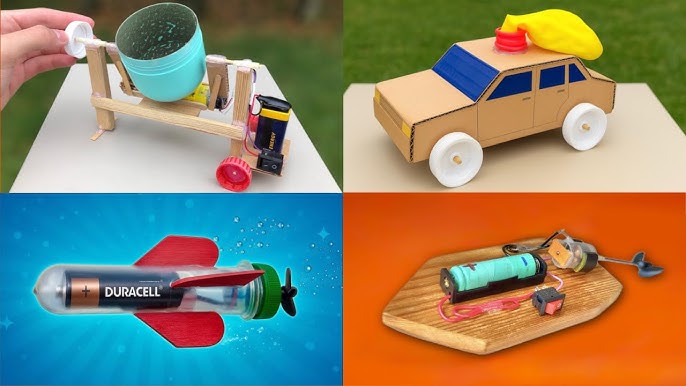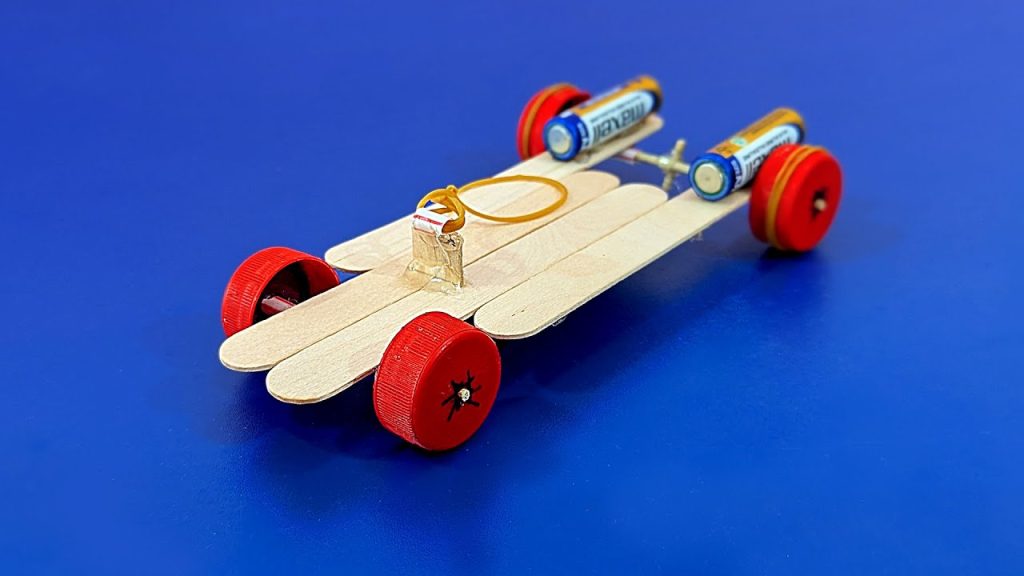
Have you ever wondered how to keep your kids entertained while boosting their creativity? DIY toys might be the perfect answer for you.
These homemade playthings aren’t just fun—they let your children learn, explore, and grow in ways store-bought toys can’t match. If you want to discover how easy and rewarding making your own toys can be, keep reading. You’ll find simple ideas, helpful tips, and inspiring reasons to start creating your own DIY toys today.
Benefits Of Diy Toys
DIY toys offer more than just fun; they provide meaningful benefits that support your child’s growth and learning. Creating toys with your hands engages multiple senses and skills, making playtime both educational and enjoyable. Let’s look at how DIY toys can help your child develop in powerful ways.
Enhancing Creativity
When you make toys yourself, you open up endless possibilities for creativity. Your child decides how the toy looks, what colors to use, and how it works. This freedom sparks imagination and encourages thinking outside the box.
Have you noticed how kids invent stories around their handmade toys? These moments show how DIY toys fuel creative thinking in ways store-bought toys often don’t.
Developing Motor Skills
Building or assembling DIY toys requires using hands and fingers with precision. Cutting, gluing, and painting all help improve fine motor skills. These activities strengthen hand-eye coordination, important for writing and everyday tasks.
Even simple actions like threading beads or folding paper build dexterity. Your child practices movements that support better control and confidence in physical tasks.
Encouraging Problem Solving
DIY toys often come with challenges that need solving—figuring out how pieces fit together or how to fix a mistake. This process teaches your child to think critically and try different solutions. It’s a hands-on way to develop patience and persistence.
Have you seen how kids feel proud after solving a tricky step themselves? That sense of achievement pushes them to tackle new problems with enthusiasm.
Promoting Eco-friendly Play
Making toys from recycled or natural materials reduces waste and teaches respect for the environment. You can turn old boxes, fabric scraps, or bottle caps into fun creations. This shows your child how to reuse and recycle creatively.
Would your family enjoy finding new uses for things you’d normally throw away? DIY toys turn everyday items into treasures, supporting sustainability in a simple, hands-on way.
Materials For Diy Toys
Choosing the right materials for DIY toys is key to making projects both fun and safe. The variety of materials you can use is wider than you might think, ranging from everyday items to simple craft supplies. Understanding these options helps you create toys that are engaging, eco-friendly, and perfect for your child’s age and interests.
Recycled Household Items
Look around your home for things that can get a second life as toys. Empty boxes, bottle caps, and fabric scraps are easy to find and often free. Using these items not only saves money but also teaches kids about recycling and creativity.
Have you ever turned an old cereal box into a mini dollhouse? It’s a great way to get your child involved in crafting while reducing waste. Just make sure to clean and remove any sharp edges before starting.
Natural Materials
Nature offers a treasure trove of toy-making supplies. Wood pieces, pinecones, stones, and leaves can be transformed into unique playthings. These materials add texture and variety that plastic toys often lack.
Collecting materials outdoors can become an adventure itself. Imagine creating a nature-themed puzzle or simple building blocks from smooth branches. Just check for any allergies or safety concerns before using these items.
Basic Craft Supplies
Keep a stash of craft basics on hand for quick DIY toy projects. Items like glue, scissors, colored paper, string, and markers are versatile and easy to use. They allow you to customize toys and add personal touches.
With just a few supplies, you can create everything from puppets to simple board games. Think about what your child enjoys and gather materials that support those interests. This approach keeps crafting straightforward and enjoyable.
Safe And Non-toxic Options
Safety is crucial when selecting materials for kids’ toys. Choose non-toxic paints, glues, and fabrics to avoid harmful chemicals. Look for labels that specify child-safe or ASTM-certified products.
Have you ever checked the ingredients in your craft glue or paint? Some common brands contain substances that are not safe for young children. Opting for eco-friendly and non-toxic options protects your child and gives you peace of mind.
Easy Diy Toy Ideas
Crafting toys at home can be a delightful experience. Easy DIY toy ideas are perfect for sparking creativity. These projects are simple and require minimal materials. Kids can join in the fun and learn as they create. Let’s explore some exciting DIY toy ideas.
Paper Plate Animals
Paper plates transform into charming animals with a little creativity. Gather some paint, markers, and glue. Draw animal faces on the plates. Use markers for details like eyes and noses. Cut out ears from colored paper. Glue them onto the plate to complete the look. These paper plate animals make adorable playmates.
Sock Puppets
Sock puppets are a classic DIY toy. Use old socks to create fun characters. Sew or glue on buttons for eyes. Add yarn for hair and felt for mouths. Let your imagination guide you. These puppets are perfect for storytelling and imaginative play.
Cardboard Box Playhouses
Cardboard boxes can become magical playhouses. Cut doors and windows to create rooms. Paint or decorate the box with markers. Kids can draw their own designs. This simple project offers endless hours of play. A cardboard box playhouse is a child’s dream come true.
Bottle Cap Games
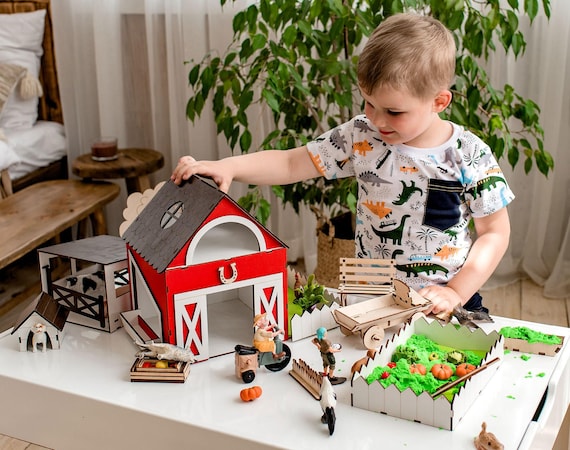
Bottle caps can be turned into entertaining games. Collect a few plastic bottle caps. Create a mini bowling alley on the floor. Use the caps as pins and a small ball to knock them down. Decorate the caps with different colors. This game is easy to set up and fun to play.
Credit: www.etsy.com
Educational Diy Toys
Educational DIY toys offer a hands-on way to boost your child’s learning while having fun. They engage young minds with simple materials you can find at home or craft stores. These toys help develop skills like language, math, and memory through playful interaction.
Alphabet Blocks
Alphabet blocks are classic DIY toys that teach letter recognition and spelling. You can create your own set using wooden blocks and colorful paint or markers. Kids love stacking, sorting, and building words, which strengthens their reading skills without pressure.
Try adding pictures or words related to each letter. This adds context and makes learning more meaningful. How might your child’s interest in certain themes influence the letters and words you choose?
Counting Bead Strings
Counting bead strings turn simple beads and string into powerful math tools. You can use different colors and sizes to represent numbers and patterns. This tactile experience helps children grasp counting, addition, and subtraction concepts.
Making these strings together also encourages fine motor skills. What patterns could you create to challenge your child’s thinking while keeping it fun?
Shape Sorting Boards
Shape sorting boards teach kids to recognize shapes and improve hand-eye coordination. Create one by cutting various shapes from cardboard or wood and matching them to corresponding slots. This activity promotes problem-solving and spatial awareness.
You can customize shapes based on your child’s current learning focus, like triangles or hexagons. Have you noticed how children react differently to shapes they find easy versus challenging?
Memory Card Games
Memory card games enhance concentration and visual memory. Make your own by drawing pairs of images or numbers on cards. Playing together, you can help your child sharpen recall skills in a lively way.
Changing the theme of cards keeps the game fresh and relevant. What themes would excite your child enough to play repeatedly?
Seasonal Diy Toys
Seasonal DIY toys bring fresh fun throughout the year. They use materials and themes from each season. This keeps playtime exciting and connected to nature. Kids enjoy making and using these toys outdoors or inside.
Each season offers unique ideas for creative and simple projects. These toys encourage learning and imagination. They also help children appreciate the changing world around them.
Summer Water Play
Summer is perfect for water-based DIY toys. Simple tools like spray bottles and buckets become fun toys. Kids can create water sprayers or floating boats from recycled materials. These toys cool children down and keep them active.
- Make a water balloon toss game.
- Create a DIY sprinkler from a plastic bottle.
- Build boats from corks or foam.
Winter Snow Play
Winter DIY toys often use snow and ice. Building snowmen or ice sculptures is simple and fun. Kids can make snow forts or create ice ornaments. These activities encourage outdoor play in cold weather.
- Craft snow paint with food coloring and water.
- Build mini snow figures with molds.
- Make ice lanterns using water and leaves.
Spring Nature Crafts
Spring offers fresh leaves, flowers, and twigs. Kids can make nature collages or flower crowns. Collecting and crafting with natural items boosts creativity. These toys connect children with the outdoors.
- Create leaf rubbings with crayons and paper.
- Make flower necklaces using string and blooms.
- Build fairy houses from twigs and moss.
Autumn Leaf Projects
Autumn brings colorful leaves perfect for art. Kids can make leaf prints or decorate jars. Leaf piles also create fun play areas. These projects teach about seasonal changes and textures.
- Press leaves to create bookmarks.
- Make leaf garlands for decoration.
- Create leaf animals using glue and paper.
Credit: www.onlinebabywear.com.my
Tips For Safe Diy Toy Making
Making your own toys can be a fun and rewarding experience. However, safety should always be your top priority. By following a few simple tips, you can create DIY toys that are both enjoyable and safe for kids to use.
Choosing Age-appropriate Materials
Not all materials are suitable for every age group. For toddlers, opt for soft, non-toxic, and durable materials like felt, cotton, or large wooden blocks.
Older children can handle more complex materials like small beads or craft wire, but only under supervision. Always check labels for safety certifications and avoid anything that could cause allergies or harm.
Supervision Guidelines
You should always supervise children during DIY toy projects, especially when sharp tools or small parts are involved. Your presence ensures that they use materials correctly and stay safe.
Encourage children to ask questions and express concerns during the process. This interaction not only keeps them safe but also boosts their confidence and creativity.
Avoiding Small Parts
Small parts can pose choking hazards, especially for children under three years old. Avoid using tiny buttons, beads, or detachable pieces that could easily be swallowed.
If your toy design includes small parts, make sure they are securely attached and not removable. Think about how a child might play with the toy and remove any potential risks.
Safe Use Of Tools
Tools like scissors, glue guns, and knives can be dangerous if not used properly. Always choose child-friendly tools with safety features like rounded tips or low heat settings.
Teach children how to handle each tool carefully and never leave them unattended while using these items. Simple rules, like cutting away from the body, can prevent accidents.
Involving Kids In Diy Projects
Involving kids in DIY projects transforms a simple activity into a rich learning experience. It’s about more than just building toys; it’s about sharing moments, sparking curiosity, and boosting confidence. When children take part actively, they develop skills that go beyond the project itself.
Planning Together
Start by discussing the project with your kids. Ask what kind of toy they want to create and what materials they think are needed. This approach gives them a sense of ownership and responsibility right from the start.
Planning together also helps kids learn to organize ideas and think ahead. You can make a simple checklist or sketch the toy’s design on paper. Have you noticed how kids light up when they see their ideas taking shape in a plan?
Encouraging Experimentation
Let kids try different ways to build or decorate their toys. Mistakes aren’t failures; they’re opportunities to learn what works best. Encourage them to mix colors, try new shapes, or use unusual materials.
When I helped my niece build a wooden car, she insisted on adding wings made from cardboard. It didn’t roll well, but her creativity sparked a fun conversation about aerodynamics. What surprising ideas might your kids come up with if given the freedom to experiment?
Celebrating Creativity
Make sure to praise effort, not just the finished toy. Highlight what’s unique about their creation and how they solved problems along the way. This builds their confidence and motivates them to keep creating.
Display their DIY toys proudly at home or share photos with family and friends. This recognition shows kids that their creativity is valued. How can you celebrate your child’s creative moments today?
Sharing And Playing
After building, encourage kids to play with their new toys and share them with others. This helps them understand the joy of giving and teamwork. Playing also gives insight into how the toy could be improved for next time.
Invite siblings or friends to join in the fun. Group play often sparks new ideas and strengthens social skills. What games can your child invent with the toy they built?

Credit: www.youtube.com
Frequently Asked Questions
What Are Diy Toys?
DIY toys are homemade playthings crafted using simple materials. They encourage creativity, learning, and hands-on engagement for kids and adults alike.
Why Choose Diy Toys Over Store-bought Ones?
DIY toys are customizable, eco-friendly, and cost-effective. They promote imagination, skill development, and reduce plastic waste compared to mass-produced toys.
How Can Diy Toys Benefit Child Development?
DIY toys enhance fine motor skills, problem-solving, and creativity. They provide interactive learning and sensory experiences, boosting cognitive and emotional growth.
What Materials Are Best For Making Diy Toys?
Common materials include paper, cardboard, fabric, wood, and recycled items. Safe, non-toxic supplies ensure children’s health and ease of crafting.
Conclusion
DIY toys bring fun and learning together. They help kids use their creativity and hands. Making toys at home saves money and reduces waste. Parents and children enjoy the bonding time. Simple materials can turn into exciting playthings. Everyone feels proud after making something by hand.
Try DIY toys for a fun, easy project. It’s a great way to keep kids busy and happy. Give it a go and watch imagination grow.