Have you ever wondered where kids toy puzzles first came from? These colorful, fun pieces that keep your child entertained and thinking have a surprising history.
Knowing where toy puzzles originated can make you appreciate them even more and help you understand why they are such a great learning tool. Keep reading, and you’ll discover stories and facts that will change the way you see your child’s favorite puzzle.
Ready to uncover the mystery behind these timeless toys? Let’s dive in!
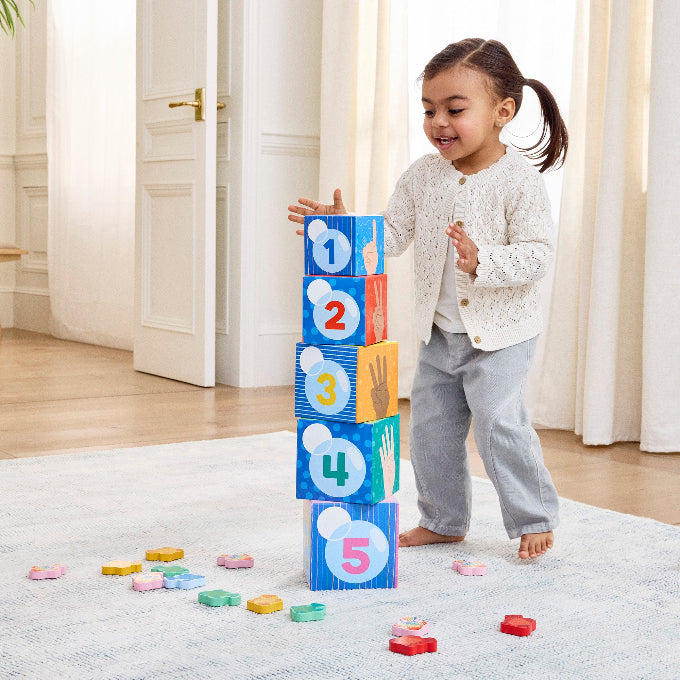
Credit: www.melissaanddoug.com
Ancient Puzzle Beginnings
Have you ever wondered where kids’ toy puzzles first came from? The story of puzzles begins long before plastic and cardboard pieces filled toy store shelves. Ancient civilizations crafted early puzzles that challenged minds and entertained, proving that the joy of solving puzzles is truly timeless.
Early Puzzle Artifacts
The oldest known puzzles date back thousands of years. Archaeologists have found puzzle-like objects made from wood, ivory, and stone in ancient Egypt and Mesopotamia.
One famous example is the “Stomachion,” a dissection puzzle attributed to Archimedes around 250 BCE. It involved arranging geometric pieces to form a square, showing that even then, puzzles combined fun with intellectual challenge.
These early artifacts reveal that puzzles were more than just toys; they were tools to sharpen thinking and explore mathematics.
Cultural Origins
Puzzles appeared independently in various cultures around the world. In ancient China, tile puzzles emerged, linked to the development of Mahjong and other games that required pattern recognition and strategy.
Native American tribes also created intricate wooden puzzles, often as part of storytelling or teaching traditions. These puzzles connected play with culture and learning.
Have you noticed how puzzles often reflect the values and skills prized by their culture? This connection adds a layer of meaning to every piece you fit together.
Puzzles In Different Civilizations
Puzzles have fascinated people across different civilizations, each adding unique elements that shaped the toy puzzles we enjoy today. Understanding these diverse origins gives you a richer appreciation for the puzzles you solve or share with children. Let’s take a closer look at how ancient cultures contributed to this timeless form of entertainment.
Egyptian And Greek Contributions
The Egyptians created some of the earliest known puzzles, often carved into stone or wood. Their puzzles were not just for fun; they served educational and religious purposes, helping children learn shapes and symbols.
Greeks introduced mechanical puzzles and riddles that challenged the mind and encouraged logical thinking. You might find it interesting that some Greek puzzles were designed to test wisdom rather than just dexterity, showing how puzzles can develop different skills.
Asian Puzzle Traditions
In Asia, particularly in China and Japan, puzzle-making focused on intricate designs and craftsmanship. Chinese tangrams, made from seven flat pieces, have been used for centuries to stimulate creativity and spatial awareness.
Japanese puzzles often involved craftsmanship and aesthetics, such as the artful “kumiki” wooden puzzles. These puzzles require you to assemble pieces without any nails or glue, teaching patience and precision.
Evolution Of Toy Puzzles
The evolution of toy puzzles shows a fascinating journey from simple educational tools to popular entertainment items. Early puzzles focused on learning and skill-building, designed to sharpen the mind. Over time, they transformed into fun activities that children eagerly enjoy. This evolution reflects changes in society, technology, and craftsmanship. Understanding this history helps appreciate how puzzles became a beloved pastime for kids worldwide.
From Educational Tools To Entertainment
Originally, puzzles served as teaching aids. They helped children develop problem-solving and spatial skills. Teachers used puzzles to explain geography, math, and language. As puzzles grew popular, manufacturers added playful themes and characters. This shift made puzzles more entertaining for children. Today, puzzles balance learning and fun. They encourage creativity while keeping kids engaged.
Materials And Craftsmanship Changes
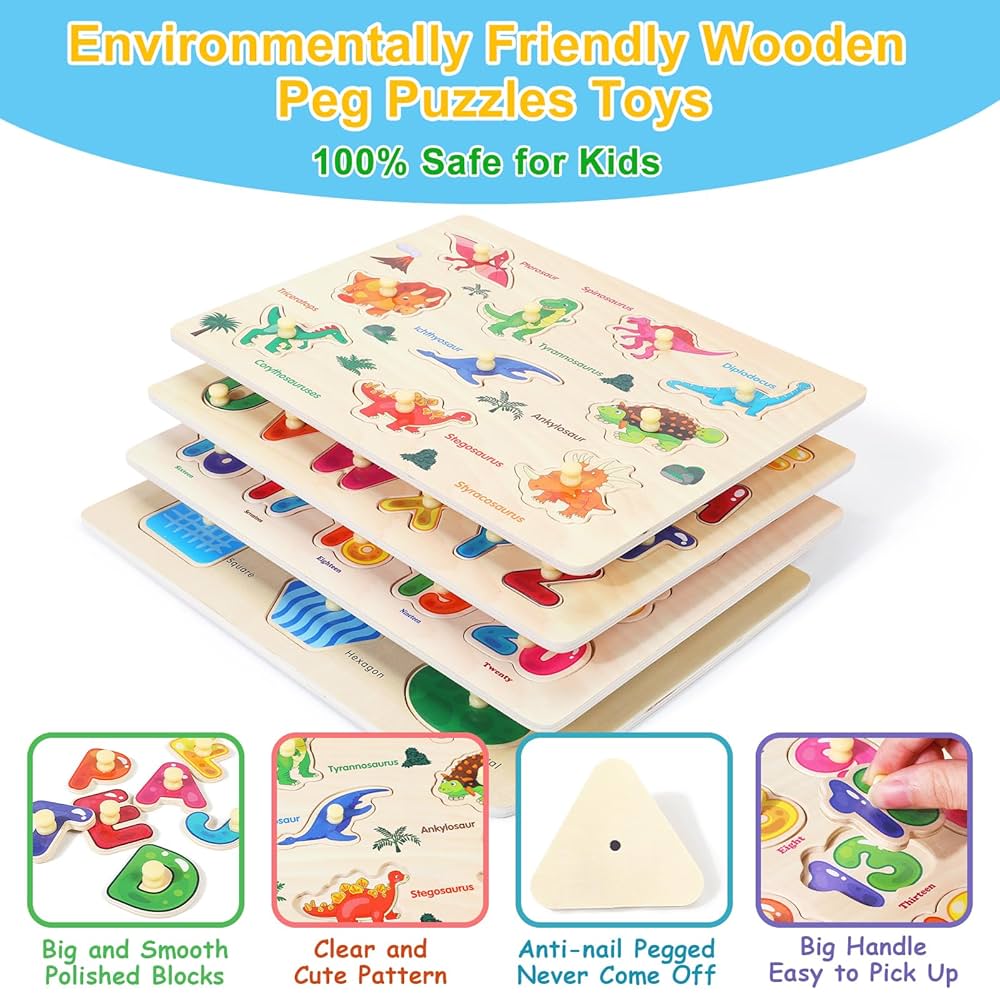
Early puzzles were mostly made of wood or cardboard. Craftsmen carefully cut pieces by hand. This made puzzles durable but costly. With industrial advances, mass production introduced cheaper materials like plastic. Puzzle pieces became more uniform and easier to handle. Modern puzzles use bright colors and detailed images to attract kids. Advances in printing and cutting technology improved quality and variety. These changes made puzzles accessible to more families worldwide.

Credit: www.amazon.ca
Rise Of Jigsaw Puzzles
The rise of jigsaw puzzles marks a fascinating chapter in the story of children’s toys. These puzzles transformed simple play into an engaging challenge that stimulates the mind and improves problem-solving skills. Let’s look into how jigsaw puzzles came to be and why they remain a favorite among kids today.
Invention And Popularization
The jigsaw puzzle was invented in the mid-18th century by John Spilsbury, a London mapmaker. He glued a map onto a wooden board and cut it into small pieces, creating a tool for teaching geography. This clever idea quickly caught on, turning puzzles into popular educational toys.
As printing technology improved, puzzles became more affordable and accessible. By the 19th century, puzzle manufacturers produced a wide variety of themes, including animals, landscapes, and famous artworks. This variety helped puzzles gain popularity beyond classrooms, reaching family living rooms and playrooms worldwide.
Impact On Children’s Play
Jigsaw puzzles offer more than just entertainment; they actively develop crucial skills in children. When you watch a child work on a puzzle, you see their concentration, patience, and spatial thinking sharpen. This hands-on activity encourages logical reasoning and improves hand-eye coordination.
Think about a time when you puzzled over a tricky piece—it forces you to think differently and try multiple approaches. Children experience the same, making puzzles a practical tool for learning persistence. Plus, the sense of achievement when completing a puzzle boosts confidence and motivates kids to take on new challenges.
What if you made puzzle-solving a regular part of your child’s playtime? You might notice their problem-solving abilities improve in other areas, like schoolwork and daily tasks. Jigsaw puzzles are a simple yet powerful way to help children grow smarter while having fun.
Modern Puzzle Innovations
Toy puzzles first appeared in the 18th century, created to help children learn geography. Early puzzles were made by gluing maps to wood and cutting them into pieces. These simple designs grew into the fun, educational toys kids enjoy today.
Modern puzzle innovations have transformed the way kids engage with toy puzzles, blending tradition with technology. Puzzles today offer more than just entertainment; they stimulate the mind and foster creativity. As technology evolves, so too does the landscape of children’s puzzles, making them more accessible and interactive.Digital And Interactive Puzzles
The introduction of digital puzzles has opened a new world for young minds. With tablets and smartphones, kids can explore puzzles that are dynamic and interactive. These digital puzzles not only provide instant feedback but also adjust to the child’s skill level, offering a tailored experience. Interactive puzzles often integrate sound effects and animations, making them more engaging. Imagine your child working through a puzzle where each piece, when placed correctly, triggers a delightful animation or sound. This keeps the child motivated and eager to progress. Moreover, digital puzzles offer a wide range of themes, from animals to space adventures. This variety ensures that every child can find a puzzle that resonates with their interests, enhancing their learning experience.Trends In Puzzle Design
Puzzle design has evolved significantly, focusing on creativity and educational value. Modern puzzles often incorporate unique shapes and textures, challenging young minds in new ways. These designs go beyond the traditional jigsaw, offering puzzles that are three-dimensional or even glow in the dark. Manufacturers are now creating puzzles that promote learning in subjects like math, science, and geography. For instance, a puzzle shaped like a solar system can teach about planets while being assembled. Such designs make learning fun and interactive, sparking curiosity in young minds. Eco-friendly puzzles have also become a trend, crafted from sustainable materials. This not only helps the environment but also teaches children about the importance of sustainability. Wouldn’t it be great if the toys your child loves could also contribute to a healthier planet? These innovations in puzzle design and functionality are shaping the future of play, making it a perfect blend of fun and education. What kind of puzzle will captivate your child next?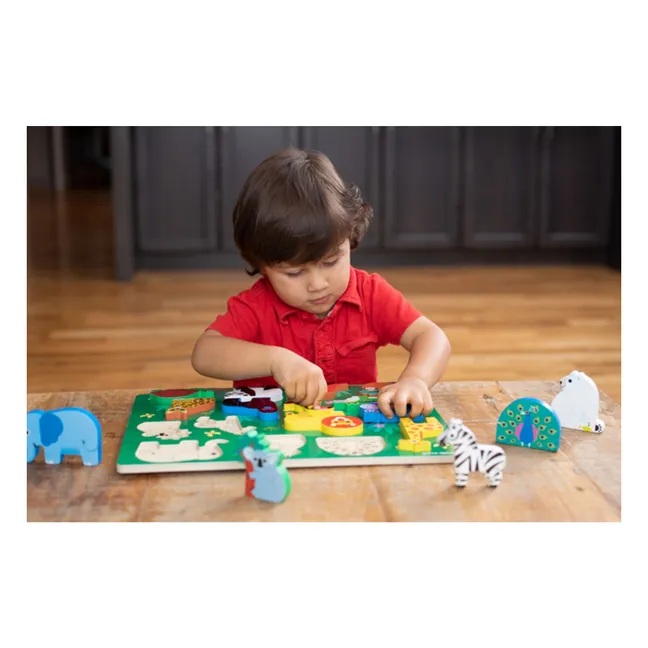
Credit: www.smallable.com
Cultural Impact Of Toy Puzzles
Toy puzzles have shaped cultures far beyond simple play. Their influence stretches across educational systems, social interactions, and cognitive development worldwide. Understanding their cultural impact reveals how these toys contribute to growth and learning in subtle yet powerful ways.
Educational Benefits
Puzzles help children develop critical thinking and problem-solving skills. When you guide a child through fitting pieces together, you’re nurturing patience and attention to detail.
Many schools use puzzles to improve spatial awareness and fine motor skills. Have you noticed how kids learn shapes, colors, and patterns faster when playing with puzzles?
They also build memory and concentration, essential for academic success. Giving children puzzles tailored to their age can make learning both fun and effective.
Social And Cognitive Influence
Puzzles encourage collaboration when kids work together to complete them. This teamwork builds communication skills and teaches sharing and cooperation.
Playing with puzzles also boosts cognitive development by encouraging logical thinking. Children learn to anticipate outcomes and develop strategies to solve challenges.
Have you experienced how a simple puzzle can spark conversations and shared excitement? It’s a tool that connects minds and nurtures social bonds.
Frequently Asked Questions
Where Did Kids Toy Puzzles First Come From?
Kids toy puzzles originated in the 18th century, created by John Spilsbury, a London mapmaker. He invented jigsaw puzzles as educational tools to teach geography to children.
How Did Puzzles Become Popular For Children?
Puzzles gained popularity as fun learning tools in schools. Their ability to develop problem-solving skills and hand-eye coordination made them ideal for kids.
What Materials Were Early Kids Puzzles Made From?
Early kids puzzles were made from wood and cardboard. These materials were durable and easy to cut into various shapes for puzzle pieces.
Why Are Puzzles Beneficial For Children’s Development?
Puzzles improve cognitive skills, memory, and concentration. They also enhance spatial awareness and fine motor skills, helping children’s overall growth.
Conclusion
Kids toy puzzles began long ago in different cultures worldwide. They started as simple shapes carved from wood or stone. Over time, puzzles became more colorful and fun for children. Today, puzzles help kids learn problem-solving and patience. They bring families together for shared playtime.
Understanding their origin shows how puzzles connect past and present. They remain a beloved activity for kids everywhere. Puzzles continue to grow in variety and popularity. Simple yet powerful tools for learning and joy. A timeless tradition that keeps children curious and happy.