If you want to keep your dog happy and sharp, teaching them to use a puzzle toy is a great place to start. Puzzle toys challenge your dog’s mind, reduce boredom, and make playtime much more exciting.
But how do you get your furry friend to understand the game? You might feel unsure or worried that your dog won’t catch on. Don’t worry—this guide will walk you through simple steps that anyone can follow. By the end, you’ll have a clever, entertained pup who loves solving puzzles.
Ready to see your dog’s excitement grow? Let’s dive in!
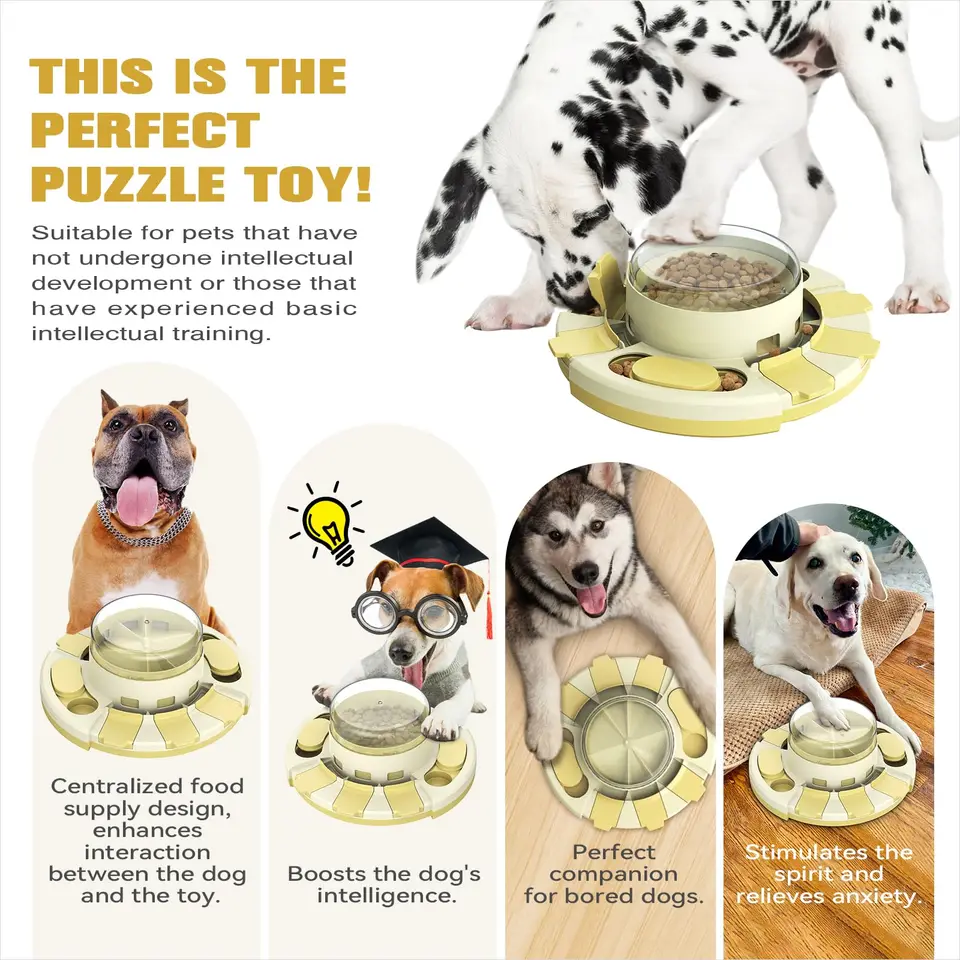
Credit: www.aliexpress.com
Benefits Of Puzzle Toys
Puzzle toys offer more than just a way to keep your dog busy. They provide a range of benefits that can improve your dog’s overall well-being. Understanding these benefits will help you see why teaching your dog to use a puzzle toy is a great idea.
Mental Stimulation
Puzzle toys challenge your dog’s brain. They require your dog to think and solve problems to get treats or toys hidden inside. This mental workout helps keep your dog sharp and engaged.
Dogs that use puzzle toys often show better focus and problem-solving skills. Have you noticed your dog getting bored easily? Puzzle toys can turn that boredom into curiosity and excitement.
Behavior Improvement
Using puzzle toys can reduce unwanted behaviors like chewing on furniture or excessive barking. When dogs are mentally stimulated, they are less likely to act out from boredom or anxiety.
These toys provide a positive outlet for your dog’s energy. You might find your dog calmer and more relaxed after spending time with a puzzle toy.
Bonding Opportunities
Teaching your dog how to use a puzzle toy creates special moments between you and your pet. It’s a chance to work together, celebrate small wins, and build trust.
Sharing this learning experience can deepen your connection. Have you ever watched your dog solve a puzzle and felt proud? These moments strengthen your relationship in unique ways.

Credit: spp.coop
Choosing The Right Puzzle Toy
Choosing the right puzzle toy is key to keeping your dog engaged and motivated. The perfect toy matches your dog’s size, skill level, and safety needs. Picking the wrong one might lead to frustration or even injury, so take your time to find the best fit.
Consider Your Dog’s Size
Your dog’s size affects which puzzle toy will work best. Small dogs need smaller toys that fit comfortably in their mouths. Larger dogs require sturdier, bigger toys to prevent choking hazards or breakage.
Think about your own dog’s chewing habits too. If your dog is a strong chewer, choose a toy designed to withstand heavy chewing. Have you noticed your dog struggling with toys that are too big or too small?
Select Appropriate Difficulty
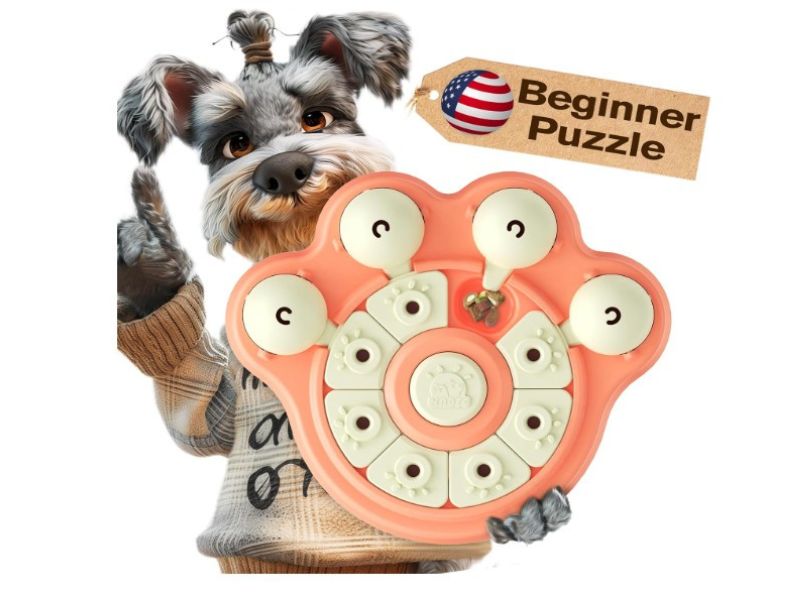
Match the toy’s difficulty to your dog’s current puzzle skills. Beginners benefit from simple puzzles with easy-to-move parts. More advanced dogs enjoy complex toys with multiple layers or hidden compartments.
Start with easier puzzles and increase difficulty gradually. This keeps your dog interested without causing frustration. Have you seen your dog lose interest quickly? It might mean the toy is too hard or too easy.
Material And Safety
Always check the materials used in the puzzle toy. Non-toxic, durable materials protect your dog’s health and last longer. Avoid toys with small parts that can break off and cause choking.
Look for toys labeled BPA-free or made from food-grade silicone or rubber. These are safer choices. Have you examined your dog’s current toys for wear and tear? Safety matters as much as fun.
Preparing Your Dog For Puzzle Play
Preparing your dog for puzzle play is key to a fun and successful experience. Dogs need time to get used to new toys. This helps reduce frustration and builds confidence. Start slow and keep sessions short. Patience is important to make your dog enjoy the puzzle toy.
Introduce The Toy Slowly
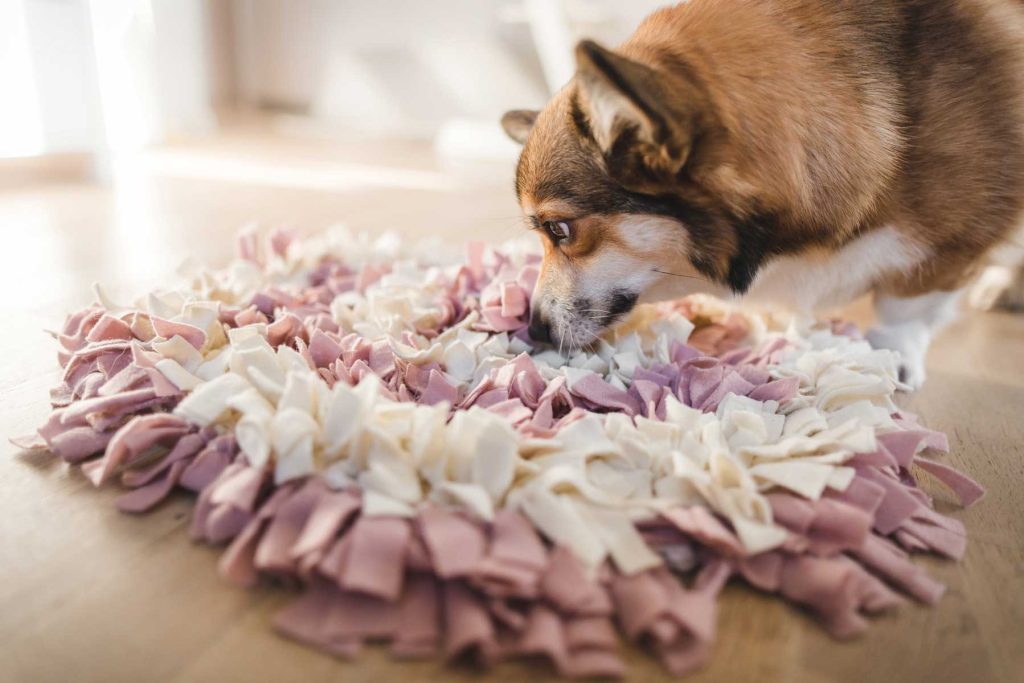
Show the puzzle toy to your dog without filling it at first. Let your dog sniff and explore it freely. Avoid pushing or forcing interaction. Once your dog seems curious, place a treat on or near the toy. This encourages gentle investigation. Gradually increase the challenge as your dog grows comfortable.
Use Treats As Motivation
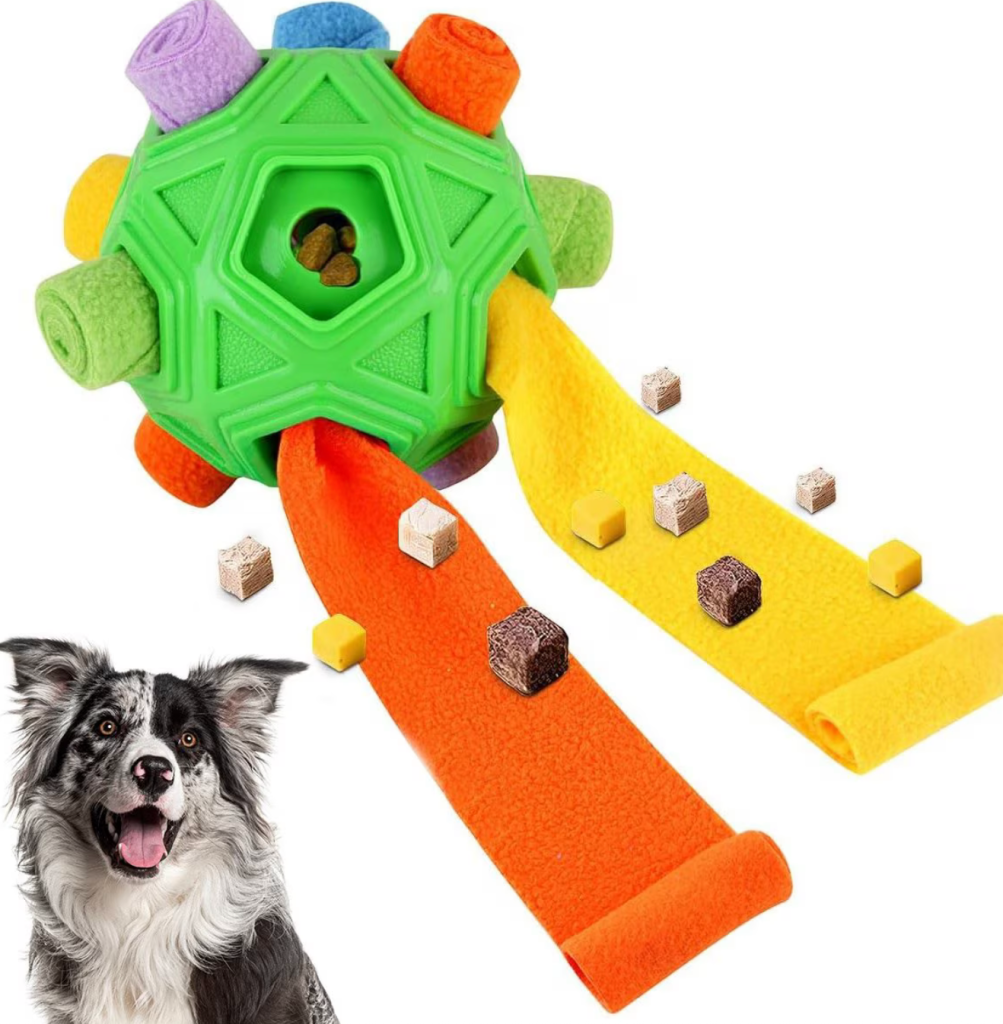
Treats help your dog learn to use the puzzle toy. Choose small, tasty treats your dog likes. Place treats inside easy-to-reach sections of the toy. Praise your dog for every small success. This creates a positive link between treats and puzzle play. Slowly move treats to harder spots to keep your dog interested.
Create A Positive Environment
Pick a quiet, comfortable spot for puzzle play. Minimize distractions like loud noises or other pets. Use a calm voice and gentle encouragement. Celebrate your dog’s efforts with praise and petting. Keep sessions short to avoid stress or boredom. A happy setting helps your dog enjoy learning and playing.
Step-by-step Training Process
Teaching your dog to use a puzzle toy can be both rewarding and entertaining. This step-by-step training process will guide you through introducing these fun challenges to your furry friend. By the end, your dog will not only be mentally stimulated but also enjoy the satisfaction of solving puzzles.
Start With Simple Challenges
Begin with a puzzle toy that has a straightforward mechanism. This could be a toy with one compartment or a simple sliding piece. Make sure your dog can easily see the reward inside to spark curiosity.
Observe how your dog interacts with the toy. Does it use its nose or paws? Use these observations to tailor your approach. The aim is to build confidence and interest, not frustration.
Demonstrate Toy Usage
Show your dog how the toy works. Move the pieces or compartments with your hand to reveal the treat. Use encouraging words and a happy tone to maintain their interest.
Sometimes, a little show-and-tell can go a long way. Dogs often learn by watching. If they see you interacting with the toy, they are more likely to mimic your actions.
Encourage Independent Play
Once your dog seems interested, let them explore the toy on their own. Step back and give them space to figure it out. Offer praise or a treat when they successfully interact with the toy.
Encouragement is key. Dogs thrive on positive reinforcement. Your excitement and cheers can motivate them to keep trying.
Increase Difficulty Gradually
As your dog becomes more proficient, introduce more complex puzzle toys. Choose ones with multiple compartments or different mechanisms. Gradually increasing the difficulty helps maintain their interest and challenge their problem-solving skills.
How does your dog react to new challenges? Watch closely to ensure they are still engaged and not getting frustrated. Adjust the difficulty if needed, ensuring they continue to enjoy the process.
Troubleshooting Common Issues
Teaching a dog to use a puzzle toy can bring fun and mental exercise. Sometimes, dogs face challenges with the toy. These issues may stop progress or cause stress. Recognizing and fixing these problems helps your dog enjoy the toy more. Here are common issues and how to handle them.
Lack Of Interest
Dogs may ignore the puzzle toy at first. The toy might seem confusing or boring. To spark interest:
- Place treats in easy spots inside the toy.
- Show your dog how to get treats from the toy.
- Use toys with your dog to build excitement.
- Try different puzzle toys to find the best fit.
Patience is key. Let your dog explore the toy in short sessions.
Frustration Or Anxiety
Some dogs get upset if they cannot solve the puzzle. Signs include whining or walking away. To reduce stress:
- Start with simple puzzles and increase difficulty slowly.
- Give praise and rewards for small successes.
- Limit playtime to avoid overwhelming your dog.
- Stay calm and offer encouragement.
Make sure the toy sessions stay fun and positive.
Chewing Or Destructive Behavior
Dogs may chew the toy instead of solving it. This can damage the toy or be unsafe. To prevent chewing:
- Choose durable, chew-resistant puzzle toys.
- Distract your dog with chew toys before puzzle time.
- Supervise play to stop destructive chewing quickly.
- Replace the toy if it becomes unsafe.
Teaching gentle play helps keep the toy safe and fun.
Tips To Keep Puzzle Play Engaging
Keeping your dog’s puzzle toy play interesting helps maintain their focus and excitement. Boredom can stop learning and reduce fun. Small changes in playtime can keep your dog eager and sharp. Here are useful tips to keep puzzle play engaging.
Rotate Toys Regularly
Switch puzzle toys often to keep your dog curious. Dogs get used to toys quickly. Rotating toys prevents boredom and keeps their mind active. Store some toys away and bring them back later. This makes old toys feel new again.
Vary Treat Types
Use different treats to surprise your dog during play. Change flavors and textures to hold their interest. Some dogs prefer soft treats, others like crunchy ones. Rotating treats makes puzzle solving more rewarding and fun. Make sure treats are healthy and small.
Incorporate Playtime Rewards
Mix puzzle play with other rewards like petting or short games. Praise your dog when they solve puzzles. Use a favorite toy for a quick play break. Rewards build positive feelings toward puzzle toys. This encourages your dog to keep trying and learning.

Credit: www.amazon.ca
Frequently Asked Questions
How Do I Introduce A Puzzle Toy To My Dog?
Start by showing the puzzle toy to your dog and letting them sniff it. Place treats inside and encourage your dog to explore. Use praise and patience to build interest. Gradually increase difficulty as your dog learns to solve the puzzle.
What Is The Best Age To Start Puzzle Toys?
Dogs can start using puzzle toys as early as 6 months old. Puppies benefit from mental stimulation and problem-solving early on. However, adjust the difficulty based on your dog’s size and skill level to keep them engaged and avoid frustration.
How Often Should My Dog Use A Puzzle Toy?
Use puzzle toys for 10-15 minutes daily or several times a week. This helps keep your dog mentally stimulated without overwhelming them. Regular play can reduce boredom and destructive behaviors while improving cognitive skills.
Can Puzzle Toys Help With My Dog’s Anxiety?
Yes, puzzle toys can reduce anxiety by providing mental engagement. They distract your dog from stress and create a positive, rewarding activity. Use puzzle toys during alone time or stressful situations to help soothe your dog.
Conclusion
Teaching your dog to use a puzzle toy takes time and patience. Start slow and praise your dog often. Let your dog explore the toy at their own pace. This helps keep them interested and happy. Puzzle toys give dogs mental exercise and reduce boredom.
Keep sessions short to avoid frustration. With practice, your dog will enjoy the challenge more. Puzzle toys make playtime fun and rewarding. Keep trying, and you will see progress soon.