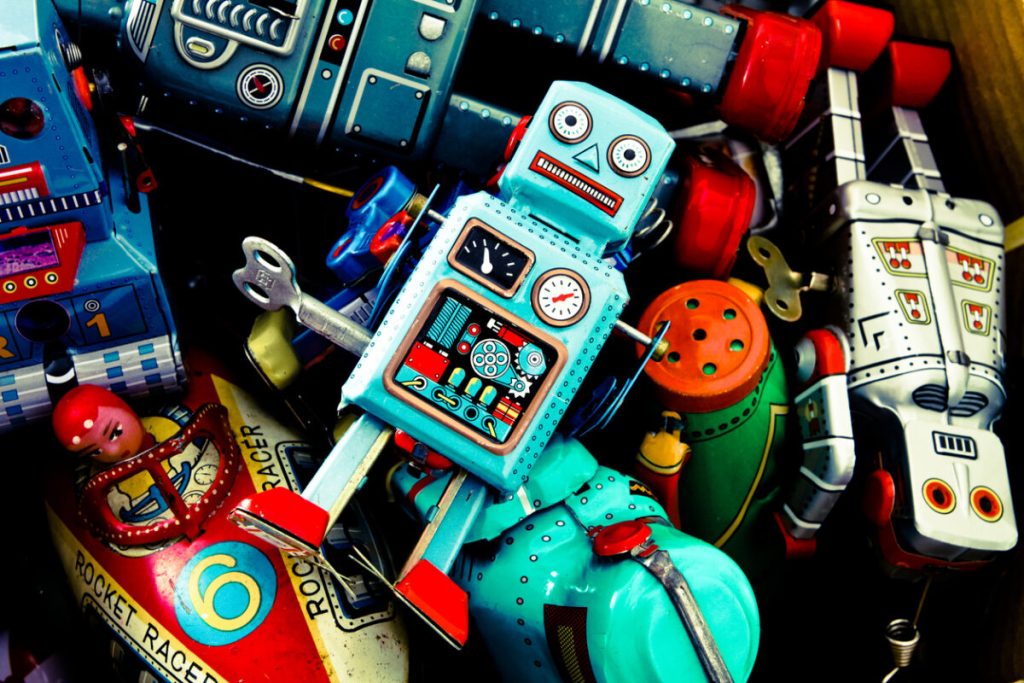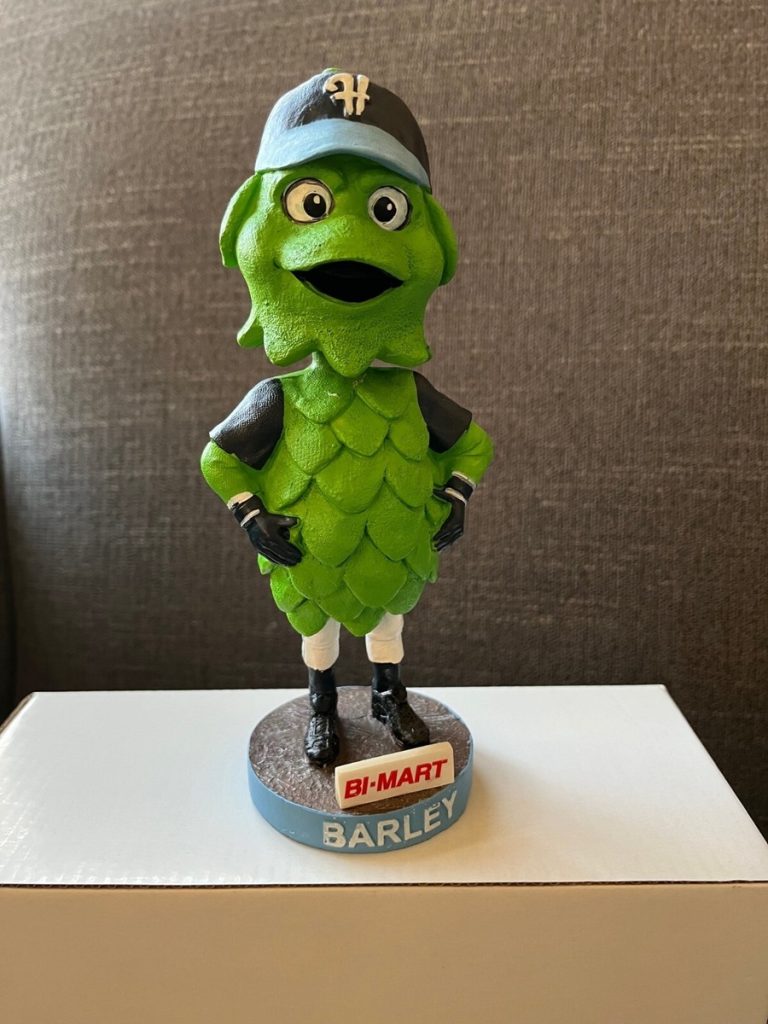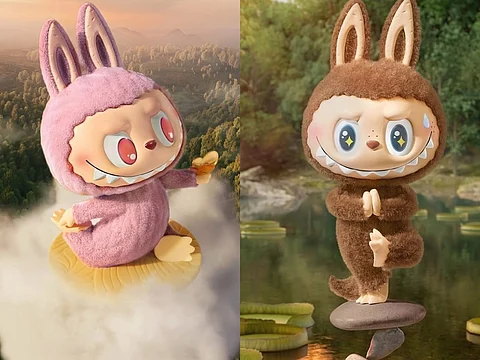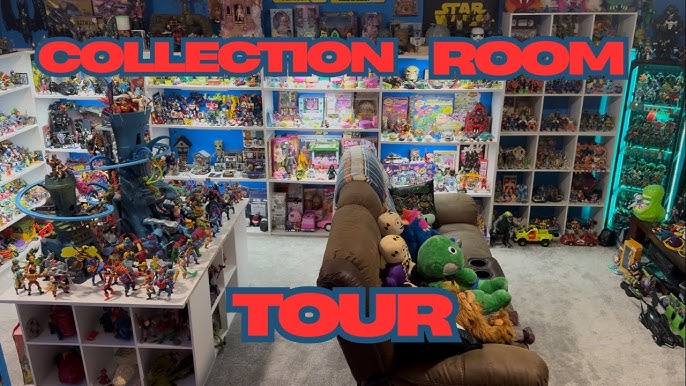
Have you ever wondered how some people turn old toys into valuable treasures? Starting vintage toy collecting can be exciting and rewarding, but it might feel overwhelming at first.
Imagine holding a toy that once brought joy to kids decades ago—and knowing its story and worth. This guide will help you discover the secrets to finding, choosing, and caring for vintage toys. By the end, you’ll feel confident to begin your own collection and join a community that shares your passion.
Ready to unlock the world of vintage toy collecting? Let’s dive in!

Credit: www.reddit.com
Why Collect Vintage Toys
Collecting vintage toys is more than just a hobby; it connects you to stories, history, and personal memories. Understanding why people collect these treasures can help you decide if this path suits your interests and goals. Here’s a look at what draws so many to vintage toy collecting.
Emotional And Nostalgic Value
Vintage toys often remind you of childhood moments or stories shared with family and friends. Holding an old toy can bring back vivid memories that digital screens can’t replace. Collecting these items lets you keep a piece of your past alive.
Think about the last time you found a toy you loved as a kid. Did it make you smile or tell a story? That feeling is a powerful reason to start collecting.
Investment Potential
Some vintage toys increase in value over time, turning your collection into a smart financial move. Condition, rarity, and demand all affect how much a toy might be worth in the future.
For example, an unopened 1970s action figure can sell for thousands today. If you pay attention to trends and market prices, you can build a collection that might grow in value.
Cultural Significance
Vintage toys show how society and technology have changed over the years. They reflect the styles, stories, and technology of their time, offering a window into the past.
Collecting toys from different eras can help you understand cultural shifts and appreciate the creativity of past generations. What story will your collection tell about your time?
Credit: toytales.ca
Popular Vintage Toy Categories
Vintage toy collecting covers many exciting categories. Each category offers unique charm and history. Collectors often focus on specific types based on interest and nostalgia. Understanding popular categories helps beginners find their niche. Here are some well-loved vintage toy categories to explore.
Action Figures
Action figures capture heroes from movies, TV shows, and comics. They often feature movable joints and accessories. Classic lines include G.I. Joe, Star Wars, and Transformers. These toys hold value due to character popularity and condition. Collecting rare or first-edition figures adds thrill.
Dolls And Plush Toys
Dolls range from simple baby dolls to detailed fashion dolls. Barbie and American Girl dolls are iconic examples. Plush toys include teddy bears and cartoon characters. Many collectors seek vintage fabrics and original tags. These toys often bring warm childhood memories.
Die-cast Cars
Die-cast cars are small metal models with fine details. Brands like Hot Wheels and Matchbox are popular. These cars reflect real vehicles and fantasy designs. Collectors value limited editions and mint-condition pieces. Storing them carefully keeps their shine and worth.
Board Games And Puzzles
Vintage board games and puzzles offer fun and nostalgia. Classic games like Monopoly and Clue attract collectors. Older puzzles feature unique artwork and craftsmanship. Complete sets with original boxes are more desirable. These items show past entertainment styles and trends.
Setting A Budget
Setting a budget is a key step in vintage toy collecting. It helps control spending and keeps your collection on track. A clear budget prevents overspending and stress. It guides choices on what and when to buy. Planning your budget carefully makes collecting more enjoyable and sustainable.
Determining Your Spending Limit
Start by looking at your monthly income and expenses. Decide how much money you can safely use for collecting. Consider setting a fixed amount each month or a total for the year. Keep your spending limit realistic to avoid financial strain. Write down your limit and stick to it strictly.
Balancing Quality And Quantity
Focus on finding a good mix of toys. Sometimes one high-quality toy is better than many low-quality ones. High-quality toys hold value longer and look better in your collection. Set priorities on what matters more: condition, rarity, or number of toys. This balance helps you build a strong and attractive collection.
Avoiding Common Financial Pitfalls
Watch out for impulse buying. It can quickly eat up your budget. Avoid paying more than market value by researching prices first. Be careful with auctions, as bidding can get expensive fast. Keep some money saved for unexpected opportunities or repairs.
Researching And Identifying Toys
Embarking on a journey of vintage toy collecting is like stepping into a time machine. The key to a rewarding collection is understanding what you have and what you’re searching for. The process of researching and identifying toys can be both exciting and educational, offering insight into toy history and market trends. Let’s dive into how you can become a savvy collector, starting with some essential skills.
Learning Toy Brands And Manufacturers
Familiarize yourself with major toy brands and manufacturers. Names like Mattel, Hasbro, and Fisher-Price are iconic, but don’t overlook smaller or defunct companies that produced unique items. Consider creating a list of brands you’re interested in, and study their hallmark products.
Visit local antique shops or toy conventions to see these toys up close. Handling different toys can teach you about materials, craftsmanship, and brand-specific features. This hands-on experience is invaluable and can make your collection richer and more personal.
Spotting Authentic Vs. Reproduction
Learn to distinguish between authentic vintage toys and reproductions. Authentic toys often have telltale signs like wear, patina, and original markings. Be wary of items that look too perfect or new, as they might be reproductions.
Examine toys for logos, manufacturing stamps, and other identifiers. Authenticity can significantly affect a toy’s value, so invest time in developing a keen eye. If you’re unsure, seeking opinions from seasoned collectors can be beneficial.
Using Online Resources And Communities
Tap into online resources and collector communities. Websites like eBay, Etsy, and specialized collector forums offer insights into toy values and authenticity. These platforms can also connect you with fellow collectors who share your passion.
Join social media groups dedicated to vintage toy collecting. These communities are great for exchanging tips, sharing finds, and even trading toys. Engaging with other collectors can expand your knowledge and open doors to new collecting opportunities.
Are you ready to uncover hidden gems and build a collection that tells a story? Embrace these research techniques and watch your vintage toy collection flourish with every new addition.
Where To Find Vintage Toys
Finding vintage toys can be a thrilling treasure hunt. Knowing where to look is half the battle won. Whether you prefer digging through piles in person or scrolling through online listings, the right spots can lead you to amazing finds that add real value to your collection.
Flea Markets And Garage Sales
Flea markets and garage sales are goldmines for vintage toys if you know how to search. Walk around early to get first pick, and don’t hesitate to ask sellers about the history of the toys. Sometimes, hidden gems are tucked away in unexpected places like a dusty box or under a table.
Keep a list of local flea markets and make a habit of visiting them regularly. You’ll notice patterns in the types of items sold and can build relationships with sellers who might alert you when vintage toys arrive.
Online Marketplaces
Websites like eBay, Etsy, and specialized collector forums open up a global market at your fingertips. Use specific keywords and filter options to narrow down your search effectively. Watching auctions can also teach you about price trends and condition standards.
Be cautious of sellers without reviews or clear photos. Ask questions about the toy’s condition and authenticity before buying. Have you ever found a rare toy online that turned out to be a fantastic deal?
Specialty Toy Shows And Auctions
Attending specialty toy shows and auctions puts you in direct contact with serious collectors and dealers. These events often feature rare and high-quality items that aren’t available elsewhere. You can also attend workshops or talks to deepen your knowledge.
Prepare by researching the event’s lineup and setting a budget. Auctions, in particular, can get competitive, so stay calm and stick to your limits. Would you rather focus on auctions or browse through vendor booths?
Networking With Other Collectors
Connecting with other collectors can open up private sales and trade opportunities. Join online groups, local clubs, or social media communities dedicated to vintage toys. Sharing your passion helps you learn about new sources and get honest advice.
Don’t underestimate the power of a simple conversation at a toy show or flea market. Sometimes, the best finds come from recommendations by fellow enthusiasts. Who in your network could introduce you to hidden toy treasures?
Evaluating Condition And Value
Evaluating the condition and value of vintage toys is crucial for collectors. It helps identify authentic pieces and set fair prices. Understanding these factors protects your investment and guides your buying choices.
Understanding Grading Standards
Grading vintage toys follows specific standards to assess quality. Common grades include Mint, Near Mint, Excellent, Good, and Fair. Mint means the toy is like new, with no damage or wear. Near Mint shows tiny flaws but is almost perfect. Excellent and Good grades indicate some wear or minor damage. Fair grade toys have visible defects or missing parts. Knowing these grades helps you describe toys accurately and compare prices.
Common Damage And Wear Signs
Vintage toys often show signs of age and use. Look for scratches, paint chips, cracks, or broken parts. Missing accessories or original packaging lowers value. Rust or corrosion on metal parts is common. Check for discoloration or stains on plastic or fabric. Wear on joints or moving parts may affect function. Understanding these signs helps you spot issues before buying.
Using Price Guides And Appraisals
Price guides list values based on toy type, brand, and condition. They provide a good starting point for pricing. Appraisals offer a professional opinion on value and authenticity. Experts consider rarity, demand, and condition during appraisal. Use online tools and books to research prices. Compare multiple sources for the best estimate. Accurate price knowledge prevents overpaying or underselling toys.
Proper Storage And Care
Proper storage and care are essential to keep your vintage toys in excellent condition. These treasures can lose value and charm if they’re neglected or handled improperly. Taking a little extra time to clean, store, and display them thoughtfully will protect your investment and enhance your enjoyment.
Cleaning Vintage Toys Safely
Cleaning vintage toys requires a gentle touch. Harsh chemicals can damage paint and materials, so avoid using strong cleaners. Instead, use a soft cloth slightly dampened with water or a mild soap solution.
For plastic toys, a cotton swab can help reach small crevices without causing harm. Metal parts might benefit from a light application of a specialized metal cleaner, but test it on a hidden spot first. Always dry toys thoroughly to prevent rust or mold.
Storing To Prevent Damage
Think about the environment where you keep your toys. Avoid places with extreme temperatures, high humidity, or direct sunlight. These conditions can warp plastic, fade colors, or encourage mold growth.
Use acid-free boxes or containers with padding to prevent scratches and breakage. Separate fragile pieces with tissue paper or bubble wrap. Have you checked if your storage space has good airflow? Stale air can lead to damage over time.
Displaying Your Collection
Displaying your vintage toys lets you enjoy them daily but requires care. Use display cases with UV-protective glass to shield toys from light damage. Keep toys away from windows or bright lamps.
Arrange your collection so each toy has space to avoid accidental knocks. Adding small stands or holders can keep items stable. How you display your toys can turn your collection into a conversation starter while keeping them safe.
Avoiding Scams And Fakes
Trust your instincts and research sellers carefully before buying vintage toys. Check for signs of wear, authenticity, and compare prices to spot fakes. Asking for detailed photos and receipts helps avoid scams.
Starting a vintage toy collection is exciting and rewarding. Yet, the world of vintage toys is filled with challenges. Scams and fake items are common pitfalls. Knowing how to navigate these is crucial. A collector must be aware and informed to protect their investments. Below are key strategies to avoid scams and fakes.Red Flags To Watch For
Scammers often use common tactics. Watch for sellers with vague descriptions. If pictures are blurry or unclear, be cautious. Unrealistic prices can also signal a scam. Genuine vintage toys usually have a fair market value. A deal that seems too good to be true likely is. Ask questions if the seller avoids detailed answers. This is another red flag.Verifying Seller Reputation
Research the seller before buying. Check reviews and ratings from previous buyers. A good reputation is important. Look for sellers with a history of satisfied customers. Social media and forums can offer insights too. Engage with the community to learn about trusted sellers. This step helps ensure a safe transaction.Using Secure Payment Methods
Choose secure payment methods for transactions. Credit cards and platforms like PayPal offer protection. Avoid sending cash or using wire transfers. These methods often lack buyer protection. Secure payment methods add a layer of safety. They help in case of disputes or fraud. Always prioritize security in financial dealings.Growing Your Collection Strategically
Growing your vintage toy collection takes planning and care. It is not just about buying toys randomly. A smart approach helps you build a meaningful and valuable collection over time. Focus on clear goals, good records, and community support to enjoy your hobby fully.
Setting Collecting Goals
Start by deciding what you want to collect. Choose specific themes, brands, or years. This focus helps avoid confusion and wasted money. Setting clear goals keeps your collection organized and purposeful. It also makes hunting for toys more exciting and rewarding.
Keeping Track Of Your Toys
Keep a detailed list of all your toys. Note important details like name, year, condition, and price. Use a notebook, spreadsheet, or collection app. Tracking helps you see what you have and what you need. It also protects your collection’s value and prevents duplicates.
Joining Collector Groups And Forums
Meet other collectors online or in person. Join forums, social media groups, or clubs focused on vintage toys. Share knowledge, trade toys, and ask questions. Being part of a community helps you learn faster and find rare items. It also makes collecting more fun and social.

Credit: www.youtube.com
Frequently Asked Questions
What Are The Best Vintage Toys To Start Collecting?
Start with popular vintage toys like action figures, tin toys, and classic board games. Focus on toys from the 1950s to 1980s. Choose toys in good condition and with original packaging for higher value. Research brands like Mattel, Hasbro, and LEGO.
How Do I Verify The Authenticity Of Vintage Toys?
Check for manufacturer marks, production dates, and original packaging. Compare your toy with trusted online databases or collector guides. Avoid toys with obvious repairs or modern parts. Consulting experienced collectors or appraisers helps confirm authenticity and value.
Where Can I Find Vintage Toys For Collecting?
Look in thrift stores, flea markets, estate sales, and online auction sites like eBay. Join collector forums and social media groups for buying tips and trade opportunities. Attend toy conventions and local collector meetups to discover rare finds.
How Should I Store Vintage Toys To Preserve Value?
Keep toys in a cool, dry place away from sunlight and humidity. Use acid-free boxes or display cases to prevent damage. Avoid direct handling by wearing gloves. Proper storage maintains condition and increases long-term value.
Conclusion
Starting vintage toy collecting brings joy and a sense of history. Small steps help build a unique collection over time. Patience matters more than speed or cost. Each toy tells a story from the past. Enjoy the hunt and learn with each find.
Share your passion with others who love toys. Collecting is about fun, not just value. Keep exploring and adding treasures to your shelf. Your vintage toy journey can grow with simple choices. Stay curious and enjoy every moment of collecting.