Are you ready to turn your love for toys into an exciting and rewarding hobby? Collecting toys isn’t just about gathering items; it’s about discovering stories, sparking joy, and building a unique treasure that reflects your personality.
Whether you’re starting from scratch or looking to sharpen your skills, this guide will show you exactly how to collect toys smartly and enjoy every step. By the end, you’ll know how to find the best pieces, keep them in great shape, and create a collection that truly stands out.
Let’s dive in and make your toy collection dreams a reality!

Credit: www.newindianexpress.com
Choosing Your Collection Focus
Choosing your collection focus is a key step in building a meaningful and enjoyable toy collection. It shapes how you search, what you buy, and how you display your treasures. Without a clear focus, your collection might feel scattered and less satisfying over time.
Types Of Toys To Collect
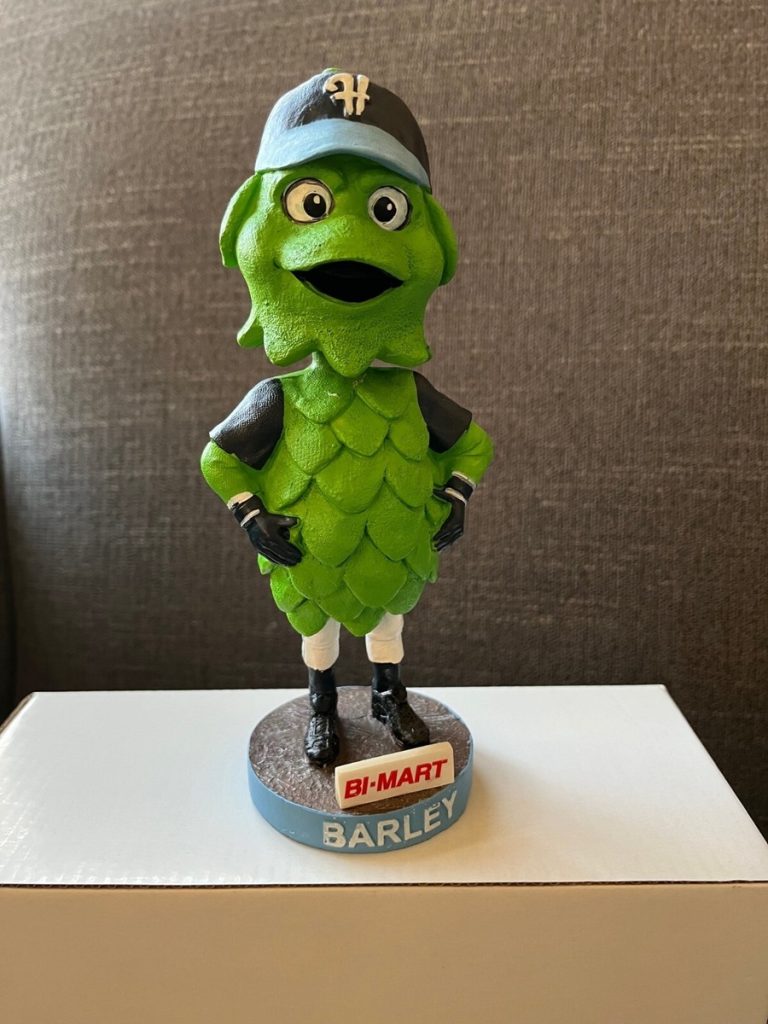
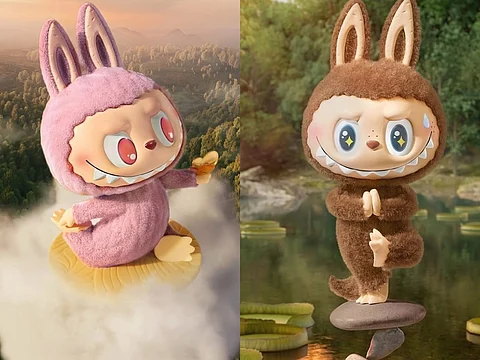
You can collect toys based on type, such as action figures, vintage dolls, model cars, or building sets. Each type has its own charm and community of collectors.
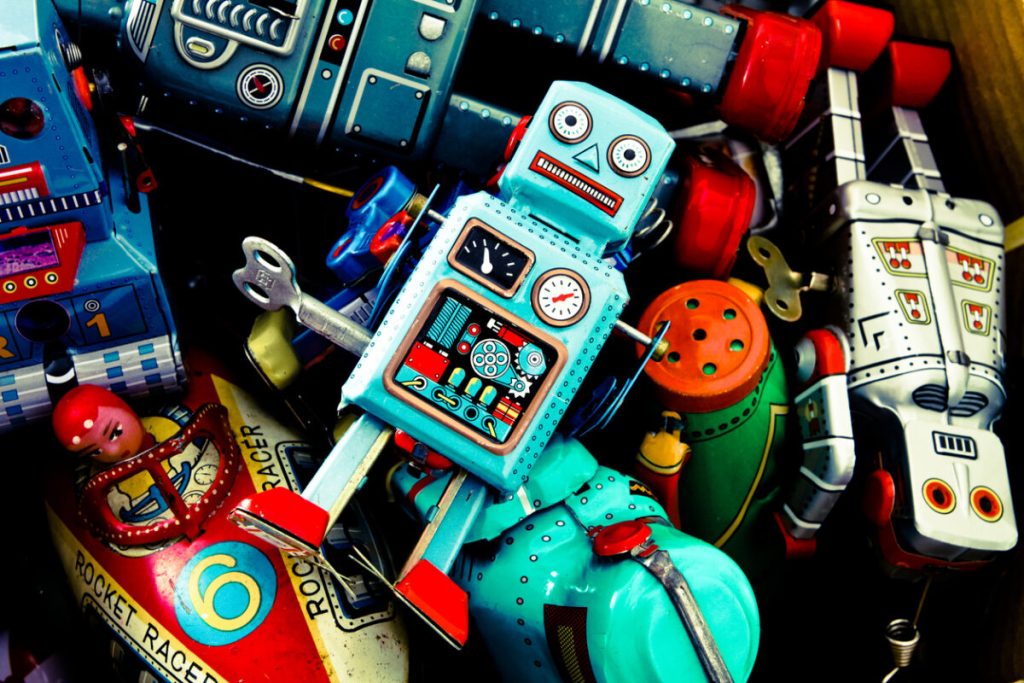
Think about what excites you most. Do you prefer the nostalgia of classic tin toys or the detail of modern collectible figurines? Your passion will keep your collection vibrant.
Setting Your Collection Goals
Ask yourself what you want to achieve with your collection. Are you collecting for investment, personal enjoyment, or to preserve history?
Set clear goals like completing a series, finding rare pieces, or focusing on a particular brand or era. This will guide your buying decisions and keep you motivated.
Researching Popular Themes
Popular themes can help narrow your focus and connect you with other collectors. Themes might include superheroes, cartoons, movie franchises, or specific decades.
Spend time researching online forums, auction sites, and collector groups. Discover which themes have strong communities and available resources to support your collecting journey.
Finding Reliable Sources
Finding reliable sources is key for a successful toy collection. Trusted sellers offer quality items and fair prices. They also help avoid scams and damaged goods. Knowing where to search saves time and effort. It makes the hunt enjoyable and fruitful.
Local Toy Stores And Flea Markets
Local toy stores often carry unique and vintage toys. Staff can share useful information about the items. Flea markets offer a variety of toys from different eras. Prices can be low, but quality varies. Visit regularly to spot new additions early.
Online Marketplaces And Auctions
Online platforms have vast toy selections. Use filters to find specific brands or models. Auctions can offer rare toys at competitive prices. Check seller ratings and reviews before buying. Look for clear photos and detailed descriptions.
Toy Conventions And Collector Groups
Toy conventions gather enthusiasts and sellers in one place. They provide chances to see and buy rare items. Collector groups share tips and trade toys safely. Joining these groups builds connections and knowledge. Attend meetings or join online forums for updates.
Evaluating Toy Quality And Authenticity
Evaluating toy quality and authenticity is crucial for collectors. It ensures the toy’s value and longevity. Authentic toys hold more worth and tell a genuine story. Quality affects how well a toy stands the test of time. Careful evaluation helps avoid fakes and damaged items. Here are key points to consider.
Checking For Original Packaging
Original packaging boosts a toy’s value significantly. Look for intact boxes with clear logos and labels. Packaging should match the toy’s brand and era. Faded colors or torn edges may lower its worth. Check for official seals or stickers. These signs show the toy was never opened or used.
Spotting Counterfeit Toys
Fake toys often have poor paint jobs or uneven details. Check the toy’s weight; counterfeits may feel lighter. Look for misspelled brand names or logos. Materials used in fakes usually seem cheap or flimsy. Compare the toy with official images online. Authentic toys have consistent quality and markings.
Assessing Condition And Rarity
Condition affects value more than age alone. Toys with scratches, missing parts, or stains lose value. Mint condition toys attract serious collectors. Rarity also plays a big role. Limited editions or discontinued toys are more desirable. Research how many similar toys exist and their market demand.
Budgeting And Pricing Strategies
Collecting toys can be a thrilling hobby, but without smart budgeting and pricing strategies, costs can quickly spiral out of control. Knowing how to plan your spending and negotiate effectively helps you build a valuable collection without breaking the bank. Let’s dive into some practical ways to manage your budget and make every purchase count.
Setting A Realistic Budget
Start by figuring out how much you can comfortably spend each month or year on your collection. This prevents impulse buys that strain your finances. Think about your priorities—are you hunting rare items or building a broad collection?
Write down a clear budget and stick to it. It’s easier to say no to tempting deals when you know your limits. Remember, a small, well-curated collection can be more rewarding than a massive one full of random pieces.
Negotiating Prices
Don’t hesitate to ask for a better price, especially at flea markets, online forums, or local toy fairs. Sellers often expect some haggling and may reduce the price if you show genuine interest. You can say things like, “Would you consider a lower price if I buy multiple items?”
Sometimes, pointing out minor flaws or comparing prices from other sellers can give you leverage. Keep your tone friendly and respectful—building rapport goes a long way in negotiation. Have you ever scored a deal just by asking?
Tracking Your Expenses
Keep a simple spreadsheet or use an app to record every purchase and its price. This helps you see where your money goes and identify trends in your spending. It also prevents accidental overspending.
Review your expenses regularly. Are you spending too much on certain types of toys? Could you cut back in one area to save for a rare find? Tracking expenses turns your collection into a manageable investment rather than an uncontrolled hobby.
Organizing And Displaying Your Collection
Organizing and displaying your toy collection enhances its appeal and keeps it safe. Proper arrangement makes your collection easier to enjoy and share. Thoughtful displays can highlight favorite items and tell a story. Careful organization also protects toys from damage and dust. Use smart solutions to balance visibility with preservation.
Storage Solutions
Choose storage that fits your space and collection size. Clear plastic bins help see toys without opening them. Shelves with adjustable heights fit toys of different sizes. Use boxes with labels for easy sorting and finding. Stackable containers save room and keep toys tidy. Keep fragile toys in padded boxes to prevent breaks.
Creative Display Ideas
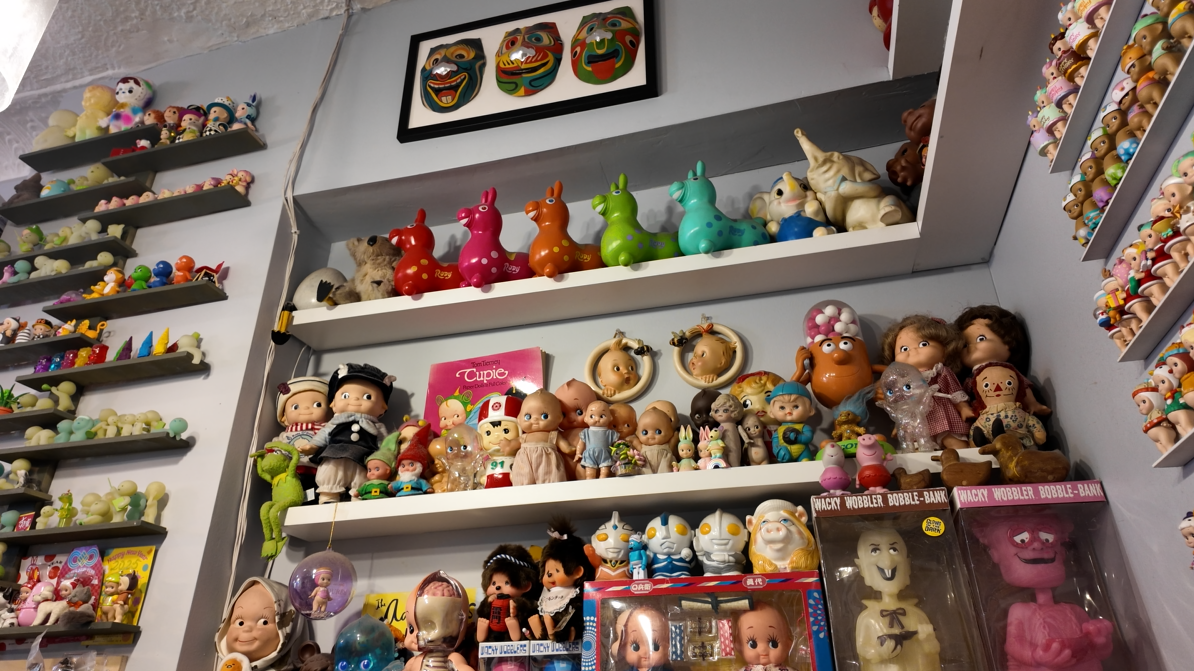
Display toys like artwork to catch attention. Use glass cabinets to show off special pieces safely. Wall-mounted shelves create a unique visual effect. Group toys by theme or color for a neat look. Use small stands or risers to add height variety. Rotate displays to keep your collection fresh and interesting.
Preserving Toy Condition
Keep toys out of direct sunlight to avoid fading. Store in cool, dry places to prevent warping or rust. Dust toys regularly with a soft cloth or brush. Avoid harsh cleaning chemicals that can damage paint. Handle toys with clean hands to reduce dirt buildup. Use acid-free paper or cloth for wrapping delicate items.
Credit: www.nbcnewyork.com
Connecting With Fellow Collectors
Connecting with fellow collectors can enhance your toy collection experience. Join online forums and attend local meet-ups to share insights and exchange toys. Building relationships with other enthusiasts can lead to valuable tips and rare finds.
Connecting with fellow collectors can enrich your toy collecting journey. Sharing experiences and knowledge deepens your appreciation for your collection. Engaging with others can also help you discover rare finds and build lasting friendships.Joining Online Forums
Online forums connect collectors worldwide. These platforms provide a space to share tips and learn from experts. Participate in discussions about toy trends and values. Forums often feature sections for buying, selling, and trading toys. This can be a great way to find items you need.Attending Meetups And Swaps
Meetups bring collectors together in person. These events are perfect for networking and exchanging toys. You can see and handle toys up close. Many cities host regular swap meets where you can trade toys. Meeting in person allows for more personal connections and transactions.Sharing Your Collection Story
Sharing your collection story inspires others and builds community. Many collectors create blogs or social media profiles. Post pictures and stories about your favorite pieces. Sharing your journey can attract like-minded collectors. Your insights and experiences might help someone new to collecting.Maintaining And Growing Your Collection
Maintaining and growing your toy collection is just as important as acquiring new pieces. It ensures your collection stays in great condition and evolves to reflect your interests. Paying attention to upkeep and planning keeps your hobby enjoyable and rewarding over time.
Regular Cleaning Tips
Dust and dirt can quickly damage your toys if left unattended. Use a soft brush or microfiber cloth to gently wipe each item, especially those with delicate paint or moving parts.
For plastic toys, a mild soap and water solution works well, but avoid soaking or harsh chemicals. Display cases with UV protection can also help prevent fading and deterioration.
Updating Your Wishlist
Your wishlist is a dynamic tool, not a static list. Review it regularly to remove items that no longer excite you and add new finds that spark your interest.
Use apps or spreadsheets to track prices and availability, so you’re ready to act when the right opportunity arises. How often do you revisit your wishlist to keep it fresh?
Planning Future Acquisitions
Think about the story your collection tells and plan purchases that fill gaps or introduce new themes. Setting a budget for each acquisition helps avoid impulsive buys that don’t fit your vision.
Attend toy fairs, join collector groups, and follow market trends to discover rare or upcoming releases. Planning ahead can turn your collection into a carefully curated treasure trove rather than a random assortment.

Credit: www.youtube.com
Frequently Asked Questions
What Are The Best Ways To Start A Toy Collection?
Begin by choosing a toy type or theme you love. Research brands, rarity, and value. Start small and expand gradually.
How Do I Find Rare Toys For My Collection?
Look for rare toys at auctions, online marketplaces, and toy fairs. Join collector groups and forums for tips and trades.
How Should I Store And Preserve Collectible Toys?
Keep toys in a cool, dry place away from sunlight. Use display cases or original packaging to prevent damage.
What Factors Affect A Toy’s Collectible Value?
Rarity, condition, brand, and demand influence value. Limited editions and unopened items often have higher worth.
Conclusion
Collecting toys brings joy and sparks creativity. Start small, focus on what you love most. Keep your collection organized and well cared for. Share your passion with friends or online groups. Enjoy the memories each toy holds. Stay patient; great finds take time.
Collecting toys can be a fun, rewarding hobby. Keep exploring and adding new pieces. Your collection will grow with your interests. Happy collecting!