Have you ever wondered why your dog seems to gather toys like a little treasure hunter? If you watch closely, you’ll notice your furry friend carrying, hiding, or even guarding their favorite playthings.
It’s more than just fun and games—there’s a deeper reason behind this behavior. Understanding why dogs collect toys can help you connect with your pet on a whole new level. Keep reading, and you’ll discover surprising insights that will change the way you see your dog’s playful habits forever.

Credit: www.ellevetsciences.com
Instinctual Behavior
Dogs collecting toys may seem like simple play, but it actually taps into deep instinctual behaviors. These actions connect to their wild ancestors and natural tendencies that have helped canines survive and thrive. Understanding these instincts can help you appreciate why your dog hoards toys and what it means for their mental and emotional well-being.
Ancestral Hunting Habits
Long ago, dogs’ ancestors were hunters who needed to catch and carry prey. Bringing objects back to a safe place was a survival skill. When your dog collects toys, they are repeating this age-old behavior in a safe, playful way.
Think about how your dog might pick up a ball or a stuffed toy and bring it to you or a favorite spot. This mirrors how ancient dogs would carry food back to their den. Does your dog seem proud or protective of their collection? That feeling connects to their hunting roots.
Natural Gathering Tendencies
Beyond hunting, dogs have a natural urge to gather and keep interesting items close. This habit helps them feel secure and prepared. Toys become their “stash,” much like wild dogs might gather useful materials or food.
If you notice your dog organizing toys in one area or even burying them, they are expressing this instinct. You can support this behavior by providing a variety of toys to satisfy their urge to collect. Have you ever tried rotating toys to keep their interest alive? It’s a simple way to engage their natural gathering tendencies.
Emotional Comfort
Dogs collect toys for emotional comfort. These toys help them feel calm and safe. Toys can reduce anxiety and offer a sense of peace. Dogs use their favorite objects to cope with changes or stress. This habit shows how important toys are for their emotional health.
Stress Relief And Security
Toys act like a stress relief tool for dogs. Chewing or carrying toys helps lower their stress levels. This activity distracts dogs from loud noises or new places. Toys create a feeling of security in unknown environments. Dogs often hold or cuddle toys to calm themselves.
Attachment To Favorite Toys
Dogs form strong bonds with certain toys. These favorites offer comfort, like a trusted friend. Carrying or sleeping with a toy feels soothing. The attachment to toys helps dogs stay relaxed. It builds a safe space in their daily lives.
Play And Stimulation
Dogs collect toys as a way to satisfy their need for play and stimulation. Play is essential for their well-being. It helps them stay active and sharp. Toys offer a safe outlet for their energy and curiosity. This behavior keeps them happy and balanced.
Mental Engagement
Toys challenge a dog’s mind. Puzzle toys and chew toys require focus and problem-solving. This mental work reduces boredom and stress. Collecting toys gives dogs a sense of control. They enjoy deciding which toy to play with next. This keeps their brain active and healthy.
Physical Exercise
Playing with toys encourages movement. Fetch games and tug-of-war help dogs burn energy. Physical activity strengthens muscles and joints. It also improves overall health and mood. By gathering toys, dogs prepare for more play sessions. This behavior supports their natural drive to stay fit.
Social Interaction
Dogs often collect toys as a way to engage in social interaction. This behavior is deeply rooted in their natural instincts. Toys become more than just playthings. They are tools for connecting and communicating. This habit reveals much about their desire to bond and interact with their human companions.
Bonding With Owners
When dogs collect toys, they often bring them to their owners. This action is an invitation to play and bond. It shows their affection and trust. Playing with toys together strengthens the relationship. It provides joy for both the dog and the owner. Shared playtime is crucial for building strong bonds.
Communication Through Toys
Toys also serve as a means of communication for dogs. They may use toys to express needs or desires. For instance, bringing a toy might mean they want attention. It can also signal excitement or happiness. Observing these cues helps owners understand their pets better. This non-verbal communication enhances the pet-owner relationship.
Territorial Instincts
Dogs have a natural drive to claim and protect their surroundings, which often explains why they collect toys. This behavior ties back to their territorial instincts, deeply rooted in their ancestry. Understanding this can help you see why your dog might guard a seemingly random pile of toys with such determination.
Marking Personal Space
Your dog’s collection of toys acts like a boundary marker. By gathering their favorite items in one spot, they create a personal zone that feels safe and secure.
Think about how your dog behaves when new people or pets enter this space. They often become more alert or even a bit possessive, signaling their need to protect what they consider theirs.
Have you noticed your dog bringing a toy to a quiet corner or bed? This isn’t just about play; it’s about establishing a territory within your home where they feel in control.
Protecting Valuables
To your dog, toys are valuable possessions. Collecting and guarding them is their way of keeping these treasures safe from others.
This protective behavior can be a sign of trust and attachment. If your dog is selective about which toys they keep close, it shows what they truly value.
Try observing which toys your dog hoards the most. Are they softer toys, chew-friendly items, or something with your scent? This insight helps you understand their emotional needs better.

Credit: zigzag.dog
Breed-specific Traits
Different dog breeds have unique instincts and behaviors that influence why they collect toys. These breed-specific traits shape how your dog interacts with their favorite objects and whether they feel compelled to gather them. Understanding these natural tendencies can help you better meet your dog’s needs and appreciate their quirky habits.
Herding Breeds
Herding breeds like Border Collies and Australian Shepherds are wired to control and manage groups. This instinct often extends to toys, as they treat them like little “flocks” to gather and organize. You might notice your herding dog collecting toys and placing them in one spot, almost like they are rounding them up.
Have you seen your Border Collie carefully carry a toy, drop it, and then run around it? That’s a sign of their strong herding drive. Offering interactive toys or games that mimic herding activities can satisfy this urge and reduce obsessive collecting.
Retrievers And Collecting
Retrievers, such as Labradors and Golden Retrievers, naturally love to fetch and bring items back to their owners. This retrieving instinct explains why they often collect toys—they see it as a game or a task to complete. Your retriever may have a stash of toys because each one is a “prized catch” they want to keep close.
Try using this trait to your advantage by engaging in regular fetch sessions and rewarding your dog for returning toys. This encourages healthy play and can help manage the number of toys your retriever gathers around the house. Do you find your retriever’s toy collection growing? It might be a sign they want more active playtime with you.
Tips To Manage Toy Collecting
If your dog loves gathering toys, managing this habit can keep your home tidy and your pet happy. Balancing organization with fun ensures your dog stays engaged without overwhelming your space. Let’s look at some ways you can handle your dog’s toy collection effectively.
Organizing Toy Storage
Start by designating a specific spot for your dog’s toys. Use bins or baskets that are easy for you to access but out of your dog’s reach when you want to tidy up. Clear containers help you see what toys you have without dumping everything out.
Try sorting toys by type—chew toys in one box, plush toys in another. This makes it easier to rotate toys and keeps your dog interested. Have you noticed how your dog gets bored with the same toy? Rotating toys can make old favorites feel new again.
Encouraging Healthy Play
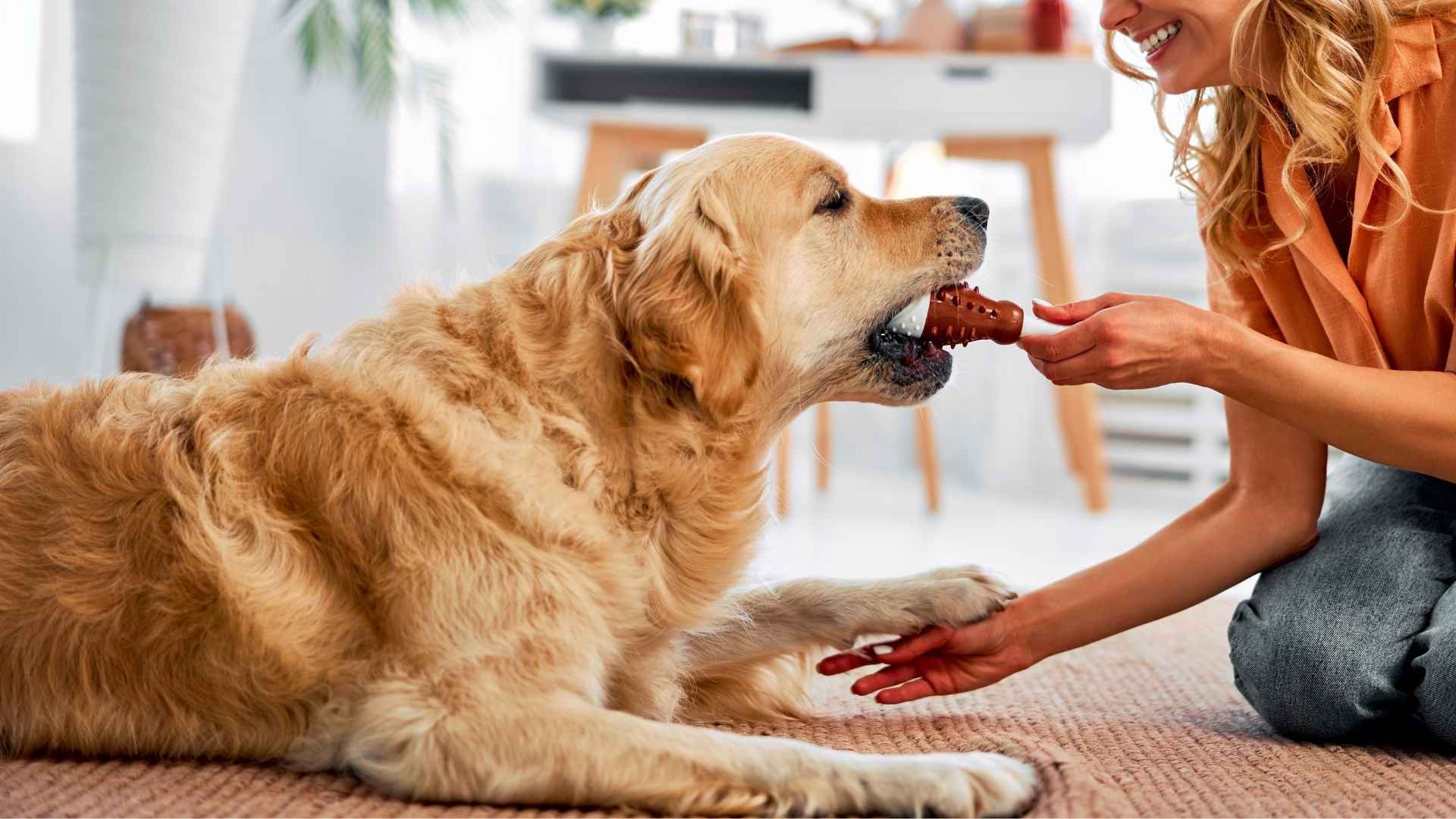
Encourage your dog to play with one toy at a time to prevent toy overload. Spend time playing together to show your dog how to enjoy toys properly. This also helps build your bond.
Offer interactive toys that challenge your dog’s mind, like puzzle feeders or treat-dispensing balls. These can reduce the urge to hoard toys by keeping your dog mentally busy. What kind of play does your dog seem to enjoy the most?
Finally, gently discourage grabbing too many toys by only giving a few during play sessions. Praise your dog when they bring back one toy or choose to play calmly. This teaches them that playing with toys is about quality, not quantity.
Credit: worldanimalfoundation.org
Frequently Asked Questions
Why Do Dogs Gather Toys Around The House?
Dogs gather toys as a natural instinct to collect and protect items. This behavior mimics their ancestral need to store food and resources. Toys also provide comfort and mental stimulation, making dogs feel secure and entertained when they gather them.
Do Dogs Collect Toys For Comfort Or Play?
Dogs collect toys for both comfort and play. Toys act as security objects, reducing stress. They also satisfy dogs’ need to chew, chase, and interact. This dual purpose explains why dogs often carry or hoard their favorite toys.
Can Toy Collecting Indicate A Dog’s Personality?
Yes, toy collecting can reflect a dog’s personality. Some dogs are more playful and social, collecting many toys. Others may be more possessive or anxious, hoarding toys for security. Observing this behavior helps understand a dog’s emotional state and preferences.
How Does Toy Collecting Benefit A Dog’s Mental Health?
Toy collecting stimulates a dog’s mind and reduces boredom. It encourages problem-solving and keeps dogs engaged. This activity also provides comfort, helping to alleviate anxiety or loneliness. Overall, it supports a dog’s emotional well-being and happiness.
Conclusion
Dogs collect toys because it feels fun and comforting to them. They enjoy carrying, chewing, and hiding their favorite items. This behavior shows their playful and caring nature. Watching dogs gather toys helps us understand their feelings better. Giving dogs a variety of toys keeps them happy and active.
Let their toy collection grow—it’s part of what makes them special.