Are you wondering if DIY bird toys are safe for your parakeet? You want to give your feathered friend fun and stimulation, but safety is your top priority.
It’s easy to find countless ideas online, but not all homemade toys are created equal. Some materials or designs could unknowingly harm your pet. You’ll discover what makes a DIY bird toy safe or risky, so you can make smart choices.
Keep reading to protect your parakeet while keeping playtime exciting and enjoyable.
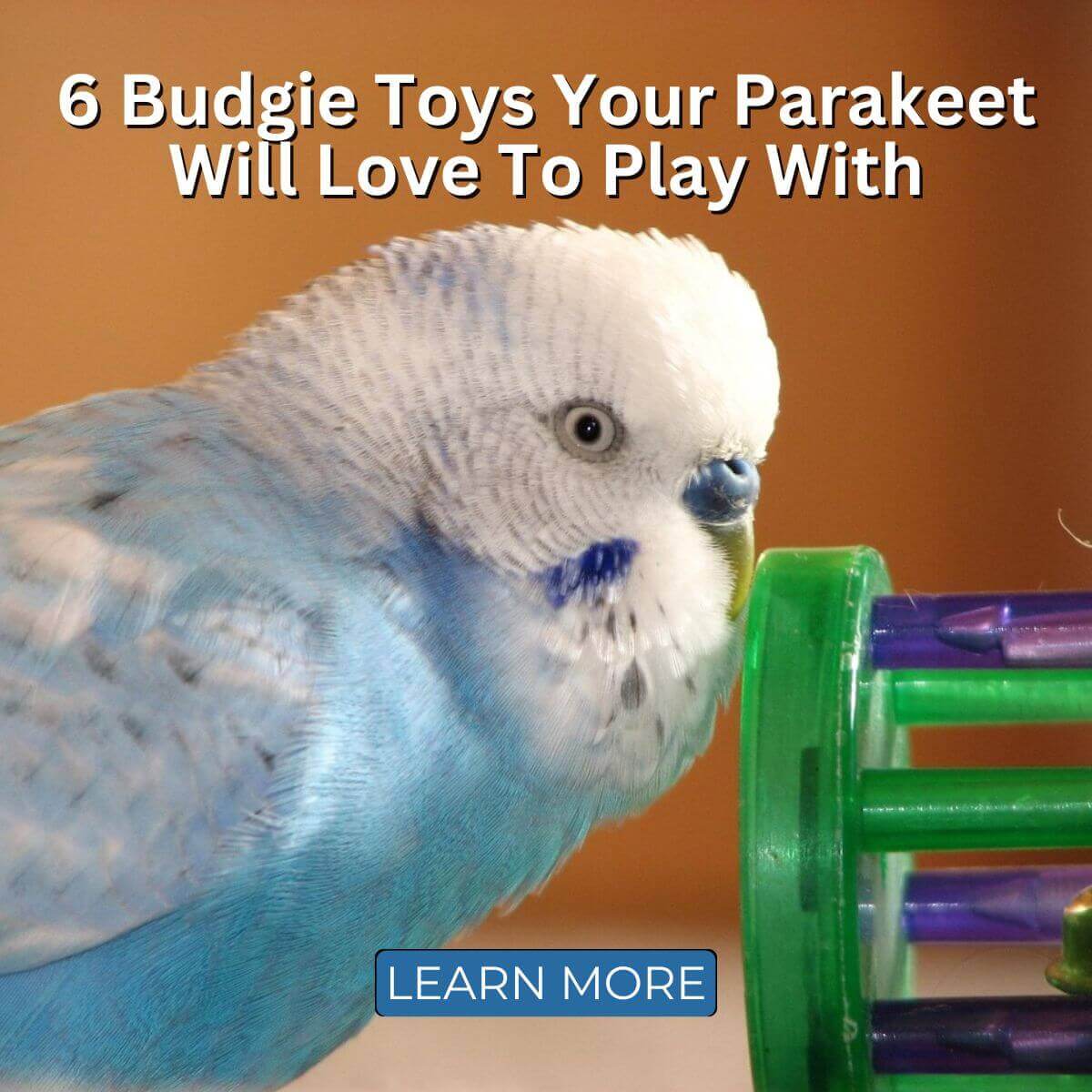
Credit: parrotessentials.co.uk
Risks Of Homemade Bird Toys
Homemade bird toys can be fun and creative for your parakeet. Yet, they also carry risks that can harm your pet. Some materials and designs might cause injury or illness. Careful selection and construction are crucial for safety.
Materials To Avoid
- Paints and glues with toxic chemicals
- Metal parts that can rust or have sharp edges
- Plastic pieces that can break into small, sharp fragments
- Strings or threads that can wrap around toes or neck
- Wood treated with chemicals or pesticides
- Foam or sponge materials that birds can ingest
Common Hazards In Diy Toys
- Small parts that can be swallowed and cause choking
- Loose pieces that may break off easily
- Sharp edges or points that can cut your bird
- Entanglement risks from long strings or cords
- Mold growth if toys are made with damp materials
- Items that can trap your bird’s feet or beak
Safe Materials For Parakeet Toys
Choosing safe materials for parakeet toys is crucial for your bird’s health. Parakeets love to chew and play, so their toys must be free from harmful substances. Using the right materials helps prevent poisoning and injuries. Always pick items that are durable yet gentle on their beaks.
Non-toxic Woods And Fibers
Natural wood is a favorite for parakeet toys. Look for untreated woods like apple, pine, or willow. Avoid woods treated with chemicals or painted surfaces. Soft, natural fibers such as cotton, hemp, or sisal are excellent for rope toys. These materials are safe to chew and do not splinter easily.
Bird-safe Metals And Plastics
Use metals like stainless steel or aluminum for toy parts. These metals do not rust or release toxins. Avoid zinc, lead, or copper, which can be poisonous. For plastics, choose hard, durable types like acrylic or polypropylene. Ensure plastics are free from BPA and other harmful chemicals. Always check for smooth edges to prevent cuts.
Design Tips For Durable Toys
Creating durable DIY bird toys for your parakeet means thinking carefully about design. Your goal is to build something that lasts and keeps your feathered friend safe. A well-thought-out design can prevent accidents and extend the fun your parakeet has with the toy.
Avoiding Small Parts
Small parts can pose a choking hazard or cause injury if your parakeet swallows them. Avoid beads, buttons, or tiny bells that can easily come loose. Instead, use larger, bird-safe materials like wooden blocks or natural branches that your parakeet can chew on safely.
Have you noticed how quickly your parakeet picks at tiny pieces? That’s a clear sign to steer clear of anything small and detachable. Choose parts that are big enough to stay intact but interesting enough to keep your bird engaged.
Ensuring Secure Construction
Loose or weak connections are a common reason homemade toys fall apart. Use strong, non-toxic glue or bird-safe wire to hold parts together firmly. Double-check knots and joints regularly to catch any wear before it becomes dangerous.
Think about how your parakeet interacts with the toy. Does it shake or pull at it? Toys that can withstand vigorous play last longer and keep your bird safer. Secure construction means less stress for you and more fun for your parakeet.
Monitoring Your Parakeet’s Interaction
Monitoring your parakeet’s interaction with DIY bird toys is crucial. It ensures their safety and well-being. Parakeets are curious creatures. They explore their toys with vigor. Observing them closely can prevent accidents. It also helps you understand their preferences. Regular checks can avert potential hazards. This section guides you on what to watch for.
Signs Of Wear And Tear
Inspect the toys regularly for damage. Look for frayed edges and loose parts. Broken pieces can harm your parakeet. Metal parts should be rust-free. Avoid toys with sharp edges. Check for discoloration or deterioration. Replace damaged toys promptly to ensure safety.
Behavioral Cues To Watch
Notice how your parakeet interacts with toys. Are they engaged or indifferent? Loss of interest might mean the toy is unsafe. Watch for signs of stress or frustration. Excessive biting or pulling can indicate discomfort. Behavioral changes can signal toy-related issues. Observing these cues helps maintain a safe play environment.
Cleaning And Maintenance
Keeping your parakeet’s DIY toys clean and well-maintained is essential for their health and happiness. Dirty toys can harbor bacteria, fungi, and harmful residues that may cause illness. Regular cleaning and timely replacement ensure your feathered friend enjoys a safe and stimulating playtime.
Safe Cleaning Methods
Use mild soap and warm water to wash your parakeet’s toys. Avoid harsh chemicals that can leave toxic residues. Rinse thoroughly to remove all soap traces.
For wooden toys, wipe them down with a mixture of white vinegar and water—this acts as a natural disinfectant without harming the wood. Let the toys air dry completely before returning them to the cage to prevent mold growth.
Some materials, like plastic or metal, can be soaked in a diluted bleach solution (1 part bleach to 10 parts water) for a few minutes. Make sure to rinse multiple times and dry thoroughly. Do you feel confident that your cleaning routine keeps your bird’s toys truly safe?
Frequency Of Toy Replacement
Inspect your parakeet’s toys weekly for wear and tear. Frayed ropes, cracked wood, or broken parts can cause injury or choking hazards. Replace toys immediately if you notice any damage.
Even if toys appear intact, they should be replaced every few months. Natural materials tend to degrade faster, especially when exposed to moisture and bird droppings. How often do you check your bird’s toys for safety?
Rotating toys not only keeps your parakeet engaged but also allows you to clean and replace them systematically. This simple practice can extend the life of each toy while ensuring your bird’s environment stays safe and fresh.

Credit: www.amazon.com
Alternatives To Diy Toys
Choosing safe toys for your parakeet is very important. Many bird owners think about making their own toys. Yet, there are other choices that keep your bird safe and happy. These alternatives can offer fun and security without the risks of DIY mistakes.
Commercially Available Safe Options
Many stores sell toys made especially for parakeets. These toys meet safety rules and use bird-friendly materials. They come in many shapes and sizes to keep your bird active and curious.
- Wooden chew toys with non-toxic paint
- Natural fiber ropes and swings
- Plastic or acrylic toys without small parts
- Mirrors designed for bird use
- Foraging toys that challenge your bird’s mind
These toys are tested for choking hazards and harmful chemicals. They provide a safe way to entertain your parakeet.
Combining Store-bought And Homemade Toys
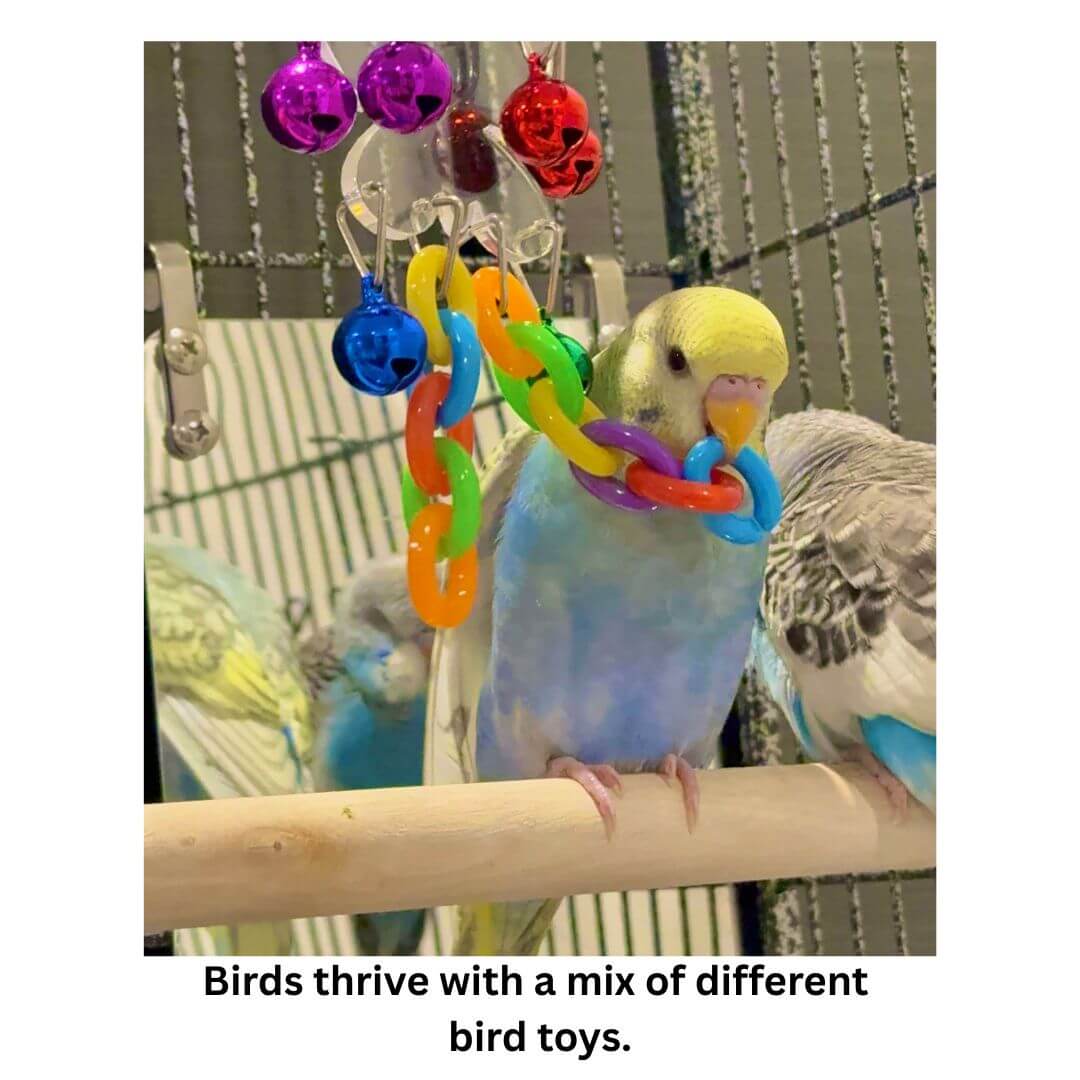
Mixing store-bought toys with homemade ones can be a smart choice. Store toys offer safety and durability. Homemade toys add variety and personal touch.
Use safe materials for DIY toys, like untreated wood or paper. Avoid plastics, metals, or painted items that might harm your bird.
Rotate toys often. This keeps your parakeet interested and prevents boredom. Safe and varied toys help your bird stay healthy and happy.

Credit: pdsparrotshop.com
Frequently Asked Questions
Are Diy Bird Toys Safe For Parakeets?
DIY bird toys can be safe if made from non-toxic materials. Avoid harmful chemicals, sharp edges, or small parts that can be swallowed. Always supervise your parakeet when introducing new toys to ensure safety and prevent accidents.
What Materials Are Safe For Parakeet Diy Toys?
Safe materials include untreated wood, natural fibers, paper, and bird-safe plastics. Avoid toxic paints, glues, or metals like zinc and lead. Always check the materials for choking hazards and ensure they are durable enough for parakeet chewing.
How Often Should I Replace Diy Bird Toys?
Replace DIY bird toys every few months or when they show wear. Worn-out toys can cause injury or be swallowed. Regularly inspect toys for damage and clean them to keep your parakeet healthy and entertained.
Can Diy Toys Prevent Parakeet Boredom Effectively?
Yes, DIY toys can prevent boredom by providing mental stimulation. Vary textures, shapes, and colors to keep your parakeet engaged. Regularly rotate toys to maintain interest and promote healthy activity.
Conclusion
DIY bird toys can be safe for your parakeet with careful choices. Use non-toxic materials and avoid small parts that cause choking. Always watch your bird play to catch any risks early. Homemade toys bring fun and mental exercise to your pet’s day.
Keep safety as your top priority to protect your feathered friend. Simple, well-made toys help your parakeet stay happy and healthy. Trust your instincts and learn about safe bird care. Your parakeet will enjoy safe, creative playtime at home.