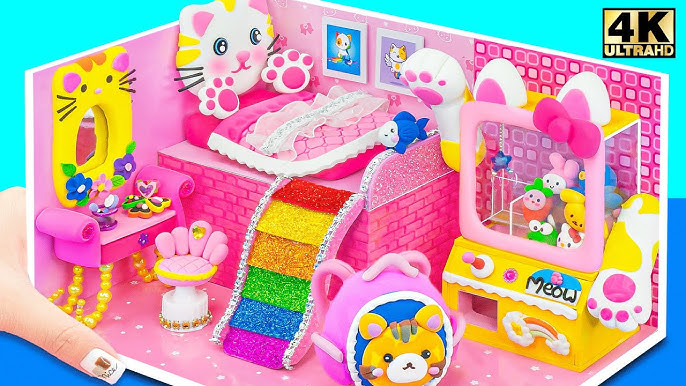
Are you looking for a fun and affordable way to keep your cat entertained? Making a DIY cat toy house is easier than you think, and your furry friend will love it!
Imagine watching your cat explore, play, and relax in a cozy space you created just for them. In this guide, you’ll find simple steps and creative ideas to build a toy house that’s both safe and exciting. Keep reading to discover how you can turn everyday materials into a purrfect playground for your cat.

Credit: www.youtube.com
Choosing Materials
Choosing the right materials is important for a DIY cat toy house. The materials need to be safe for your pet and strong enough to last. Using the best supplies makes the project easier and more fun. Also, picking the right items can save money without losing quality. Think about what your cat likes and what fits your budget. This helps you create a cozy, safe place for your furry friend.
Safe And Durable Options
Safety is the top priority when selecting materials. Avoid anything with sharp edges or toxic chemicals. Natural wood is a great choice. It is sturdy and safe for cats. Cardboard can work but choose thick, strong pieces. Soft fabrics like cotton or fleece are good for lining. Use non-toxic glue or tape. Make sure all parts are secure to avoid choking hazards. Smooth surfaces prevent scratches and injuries. Durable materials last longer and keep your cat happy.
Budget-friendly Choices
Creating a cat toy house doesn’t need to be expensive. Reuse old boxes or furniture parts. These materials are cheap and easy to find. Simple fabrics like old t-shirts or blankets work well. Craft stores often sell affordable supplies like felt and yarn. Thrift shops can have great deals on cushions or small rugs. Using what you already have saves money and reduces waste. A little creativity can make a wonderful, low-cost cat house.

Credit: www.youtube.com
Design Ideas
Designing a DIY cat toy house is not just about creating a cozy spot for your feline friend. It’s about sparking their curiosity and encouraging playful behavior. You have the chance to customize the space based on your cat’s personality and habits.
Simple Box Houses
Start with something basic—a cardboard box can become a charming hideout. Cut out a few entry holes and add soft fabric inside for comfort. Cats love enclosed spaces, so even a small box can become their favorite retreat.
Try stacking a couple of boxes or connecting them with tunnels made from paper tubes. This adds an element of exploration without much effort or expense. Have you noticed how your cat prefers tight spots? That preference guides your design here.
Multi-level Structures
Building upwards adds excitement and exercise opportunities. Use sturdy materials like wood or thick cardboard to create platforms at different heights. Attach ramps or ladders to help your cat climb easily.
Consider placing toys or treats on various levels to encourage your cat to jump and explore. This setup mimics their natural environment and keeps them physically active. How often do you see your cat leap from one surface to another? Recreate that thrill at home.
Incorporating Scratching Posts
Scratching is essential for your cat’s wellbeing. Add scratching posts within or around the toy house using sisal rope or carpet pieces. Position them near entrances or resting spots to catch your cat’s attention.
Integrating scratching areas prevents damage to your furniture and keeps your cat engaged longer. You can even attach small toys to the posts for extra fun. Have you tried placing a scratching post right inside a box? It often becomes a favorite spot.
Tools Needed
Gathering the right tools before you start building your DIY cat toy house can make the process smooth and enjoyable. You don’t need a workshop full of equipment—just a few basic items that you might already have at home. Knowing what to prepare can save you time and avoid frustration during your project.
Basic Crafting Tools
- Scissors:Sharp scissors are essential for cutting cardboard, fabric, or tape cleanly and safely.
- Utility Knife:A utility knife helps you make precise cuts, especially for thicker materials like cardboard or foam board.
- Ruler or Measuring Tape:Accurate measurements ensure all parts fit together perfectly, so don’t skip this.
- Glue or Hot Glue Gun:A strong adhesive keeps your house sturdy. Hot glue guns work fast, but regular craft glue can also do the job if you have time to wait.
- Marker or Pencil:Mark your cut lines clearly to avoid mistakes.
During my first attempt, I underestimated the value of a good utility knife. It made a huge difference in cutting clean edges, which helped the pieces fit snugly without gaps. What tools have you found indispensable for your crafting projects?
Optional Accessories
- Paints or Markers:Add color and personality to the house to make it more inviting for your cat.
- Fabric Scraps:Soft materials inside the house create cozy spots for your cat to relax.
- Double-sided Tape:Great for temporarily holding pieces in place before gluing.
- Decorative Items:Small bells, feathers, or pom-poms can add playful elements to the toy house.
Think about your cat’s preferences when choosing these extras. Does your cat love soft textures or prefer toys with sounds? Adding these personal touches can turn a simple structure into your pet’s favorite hideout.

Credit: www.youtube.com
Step-by-step Assembly
Creating a DIY cat toy house is a rewarding project that combines creativity with practical skills. As you assemble your cat’s new favorite hangout, focus on each part carefully to ensure it’s safe and fun. This step-by-step guide helps you build a sturdy and inviting space your cat will love exploring.
Preparing The Base
Start with a solid and stable base to support the entire structure. Use a piece of plywood or thick cardboard, cutting it to your desired size. Make sure the edges are smooth to avoid any scratches or splinters that could hurt your cat.
Consider adding a soft fabric or a thin cushion to the base for comfort. This not only makes the house cozier but also helps the structure stay in place without sliding around.
Building Walls And Roof
Choose lightweight materials such as foam boards, cardboard, or thin wood sheets for the walls and roof. Attach the walls firmly to the base using non-toxic glue or small nails if you’re using wood.
When constructing the roof, angle it slightly to prevent dust and debris from settling on top. A removable or hinged roof can be practical for easy cleaning and access.
Adding Entry And Windows
Cut out an entryway large enough for your cat to enter comfortably. Rounded edges work best to prevent injury. You can also create several small windows to provide light and ventilation inside the house.
Think about your cat’s personality—does it prefer peeking out or hiding completely? Customize the size and placement of openings accordingly to make the space inviting and functional.
Securing And Reinforcing
Check all joints and connections to ensure stability. Reinforce weak spots with extra glue or small brackets, especially if your cat is active and likes to jump in and out.
Add non-slip pads to the base’s underside if the house will be placed on a smooth floor. This helps keep the house steady and prevents accidents.
Have you noticed how your cat interacts with its toys and spaces? Use those observations to adjust your design, making it safer and more enjoyable.
Decorating Tips
Decorating your DIY cat toy house is where creativity meets comfort. It’s not just about making it look nice but ensuring it’s safe and cozy for your feline friend. Thoughtful decorating can turn a simple structure into your cat’s favorite hangout spot.
Using Safe Paints And Fabrics
Choose non-toxic, pet-safe paints to avoid any health risks. Many craft stores label paints as safe for kids and pets, which is a good sign. Avoid glossy or heavily scented paints, as these can irritate your cat’s sensitive nose.
When selecting fabrics, go for natural materials like cotton or fleece. These are soft on your cat’s skin and easy to wash. Steer clear of fabrics with loose threads or embellishments that could become choking hazards.
Adding Cushions And Toys
Soft cushions make your cat’s house inviting and warm. Pick cushions that fit snugly inside and have removable covers for easy cleaning. Think about adding textures your cat loves, like plush or knitted fabrics.
Include a few small toys to keep your cat entertained inside the house. Simple items like feather wands, small balls, or even a hanging bell can make a big difference. Have you noticed which toys your cat prefers? Adding those inside can make the house feel even more personal and fun.
Maintaining The Toy House
Keep the DIY cat toy house clean by removing dust and fur regularly. Check for loose parts to ensure safety and repair any damage quickly. Use gentle cleaning tools to maintain the house’s look and durability.
Maintaining the Toy House Creating a DIY cat toy house is just the beginning. To ensure it remains a fun and safe space for your feline friend, regular maintenance is key. From cleaning to keeping it engaging, these tasks can be simple and rewarding.Cleaning And Repairs
Regular cleaning keeps the toy house hygienic and inviting for your cat. Use a vacuum to remove loose fur and debris. For any fabric parts, a lint roller works wonders. Spot clean any stains with mild soap and water. Check for any wear and tear. Repair any loose parts immediately to prevent accidents. A stitch here or a dab of glue there can extend the life of the toy house significantly.Keeping It Engaging
Cats can get bored easily, so rotating toys within the house can spark new interest. Try adding different textures or scents to keep your cat intrigued. Is your cat ignoring the toy house? Perhaps it’s time for a change. Rearrange the layout or add a new element like a dangling feather. Observe your cat’s behavior. Are there certain features they seem to love or ignore? Use this insight to make adjustments. Keeping the toy house engaging is about understanding your cat’s preferences and adapting to them. Think about how you would feel if your environment never changed. Wouldn’t you want a refresh every now and then? Your cat likely feels the same way!Safety Considerations
Keeping your cat safe while making a DIY cat toy house is crucial. Cats are curious creatures and might chew, scratch, or jump on their new play space. Thinking about safety before you start building can save you from unexpected trips to the vet.
Avoiding Hazardous Materials
Choose materials that are non-toxic and safe for pets. Avoid paint or glue that contains harmful chemicals—look for pet-safe labels or use natural alternatives like beeswax or water-based paints.
Steer clear of small parts that your cat could swallow, such as buttons or beads. Even staples and nails can be dangerous if they become loose, so consider using wood glue or screws with capped ends instead.
Have you checked if your materials contain sharp edges or splinters? Sanding rough surfaces can prevent cuts and scratches, making the toy house safer and more enjoyable.
Ensuring Stability
Your cat will jump and climb on the house, so stability is key. Make sure the base is wide and sturdy to prevent tipping over during play.
Secure all parts tightly to avoid wobbling or falling pieces. If your design includes elevated platforms, adding side barriers can keep your cat from accidentally falling off.
Think about the weight of your cat versus the strength of the structure. Would it hold if your cat lands from a high jump? Testing this before letting your cat explore is a smart move to avoid accidents.
Frequently Asked Questions
What Materials Are Best For A Diy Cat Toy House?
Use lightweight wood, cardboard, or fabric for your DIY cat toy house. These materials are safe, durable, and easy to work with. Avoid toxic substances to keep your cat healthy. Soft cushions or blankets add comfort inside the house, making it inviting for your pet.
How Do I Make The Cat Toy House Safe?
Ensure all edges are smooth and splinter-free. Use non-toxic glue and paint. Avoid small parts that your cat can swallow. Securely attach all components to prevent them from falling apart. Proper ventilation and enough space will keep your cat comfortable and safe.
How Can I Make The Cat Toy House Interactive?
Add hanging toys, scratching posts, or tunnels inside the house. Use colorful strings or feathers to attract your cat’s attention. Incorporate multiple entry points and different levels for exploration. Interactive features keep your cat engaged and stimulate natural play behavior.
How Much Time Does Building A Diy Cat Toy House Take?
Building a simple DIY cat toy house typically takes 2 to 4 hours. Complex designs with multiple features may require more time. Preparation, cutting, assembling, and decorating all contribute to the total time. Plan your project based on your skill level and available tools.
Conclusion
Building a DIY cat toy house is simple and fun. It saves money and keeps your cat happy. Use safe materials and add toys your cat likes. Watch your cat enjoy its new play space every day. Small efforts bring big joy for your pet.
Try making one today and see the difference. Your cat will love a cozy, playful home made by you.