Have you ever noticed your dog getting bored or restless at home? You want to keep your furry friend happy and sharp, but simple toys just don’t seem to do the trick.
That’s where puzzle toys come in. But what exactly is considered a puzzle toy for a dog? Understanding this can change how you play with your pet and boost their mental skills. Keep reading to discover how these clever toys work and why your dog will love them.

Credit: www.holistapet.com
Types Of Puzzle Toys
Understanding the types of puzzle toys available can help you choose the best one for your dog’s personality and needs. Different toys challenge your dog in unique ways, keeping their minds sharp and their bodies active. Let’s look at some popular options that can turn playtime into a brain-boosting adventure.
Interactive Feeders
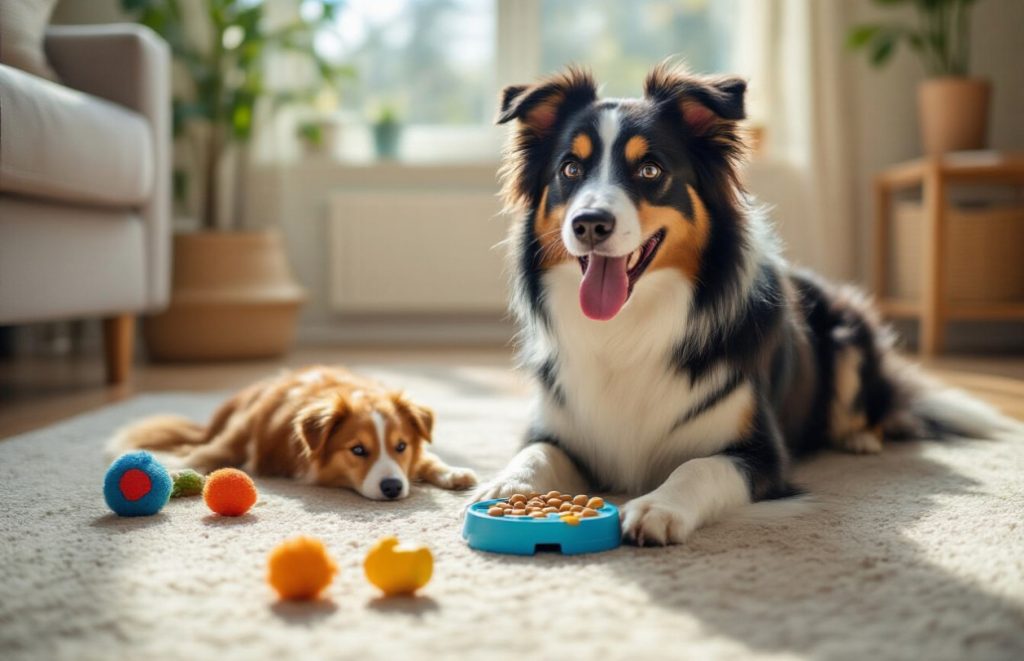
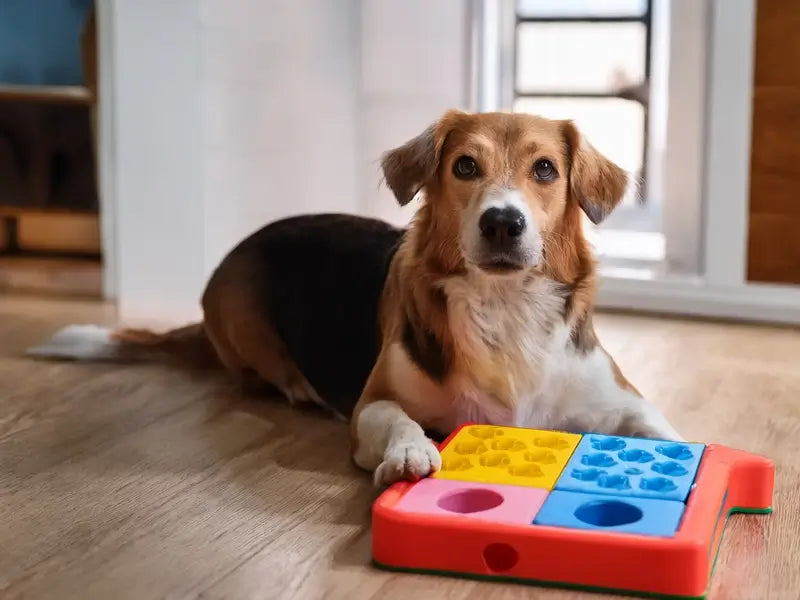
Interactive feeders combine mealtime with mental stimulation. These feeders require your dog to work for their food by solving simple puzzles or moving parts. They slow down fast eaters and encourage problem-solving skills, which can reduce boredom and destructive behavior.
Treat-dispensing Toys
Treat-dispensing toys release small rewards as your dog manipulates them. They come in various shapes and difficulty levels, perfect for keeping your dog engaged for longer periods. You might be surprised how determined your dog becomes when a tasty treat is at stake!
Hide-and-seek Puzzles
Hide-and-seek puzzles challenge your dog to find hidden compartments or objects. These toys tap into your dog’s natural hunting instincts and keep their noses and brains busy. Have you noticed how excited your dog gets when they finally uncover the hidden prize?
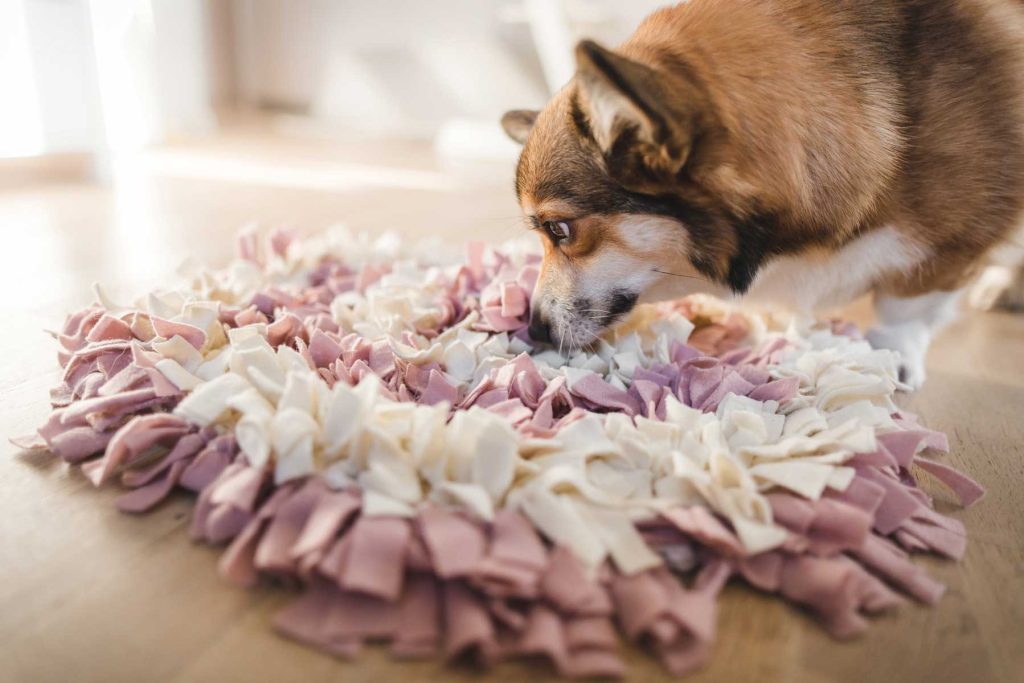
Snuffle Mats
Snuffle mats let you scatter kibble or treats in fabric folds for your dog to sniff out. This activity mimics foraging and provides excellent mental stimulation. If your dog loves to use their nose, a snuffle mat can keep them entertained and mentally tired without much effort from you.

Credit: www.amazon.ca
Benefits For Dogs
Puzzle toys offer more than just entertainment for your dog—they bring a range of benefits that support their overall well-being. These toys challenge your dog’s mind and body, helping them stay sharp and healthy. Understanding these benefits can help you choose the right puzzle toy that fits your dog’s needs and lifestyle.
Mental Stimulation
Puzzle toys keep your dog’s brain active by encouraging problem-solving and critical thinking. This mental workout helps prevent boredom, which can lead to destructive behavior. Have you noticed how your dog seems happier and more focused after playing with a puzzle toy?
Physical Exercise
Many puzzle toys require your dog to move, paw, or nudge parts to access treats or rewards. This gentle physical activity helps keep your dog fit, especially if outdoor exercise isn’t always possible. Even short bursts of movement through play can boost your dog’s energy and overall health.
Behavioral Improvement
Using puzzle toys regularly can reduce unwanted behaviors like chewing or excessive barking. They give your dog a positive outlet for their energy and curiosity. Have you tried using a puzzle toy to redirect your dog’s attention during stressful moments or when they seem restless?
Stress Reduction
Engaging with a puzzle toy can calm anxious dogs by providing a focused task. This distraction helps lower stress levels and promotes relaxation. If your dog struggles with separation anxiety or loud noises, puzzle toys might become a valuable tool to soothe them.
Choosing The Right Puzzle Toy
Choosing the right puzzle toy for your dog takes thought. The right toy keeps your dog busy and happy. It also fits your dog’s size, skill, and chewing style. A good match helps prevent boredom and unsafe chewing. Consider these factors before picking a puzzle toy.
Size And Durability
Pick a puzzle toy that fits your dog’s size. Small toys can be a choking risk for big dogs. Large toys can be hard for small dogs to use. Choose durable toys for strong chewers. Soft toys wear out fast and may break easily. Look for toys made to last.
Difficulty Levels
Choose a toy with the right challenge for your dog. Easy puzzles are good for beginners. Hard puzzles keep smart dogs busy longer. Change toys to keep your dog interested. Start simple, then increase the difficulty step by step. Avoid toys that are too hard or too easy.
Material Safety
Check the materials used in the puzzle toy. Avoid toys with harmful chemicals or small parts. Choose non-toxic, pet-safe materials only. Look for BPA-free plastics or natural rubber. Materials should be easy to clean. Clean toys help prevent germs and bacteria.
Age And Breed Considerations
Consider your dog’s age and breed needs. Puppies need soft, gentle toys. Older dogs may prefer less challenging puzzles. Some breeds chew harder than others. Match the toy to your dog’s chewing strength. Think about your dog’s energy level and size too.
Diy Puzzle Toys At Home
Puzzle toys for dogs challenge their mind and keep them busy. These toys often hide treats, encouraging dogs to think and solve problems. Simple household items can become fun, interactive puzzles for your pet.
Creating puzzle toys for your dog at home can be a fun and rewarding experience. Not only does it save money, but it also allows you to customize toys to match your dog’s specific needs and interests. With a bit of creativity and some household items, you can craft engaging puzzles that will keep your furry friend entertained and mentally stimulated.Using Household Items
Look around your home for items that can be repurposed into puzzle toys. An empty egg carton, for instance, can be filled with treats and sealed shut for your dog to discover. Old socks can be used as a base for a tug-of-war toy or tied together to hide treats inside. Do you have a muffin tin? Place treats in a few of the cups and cover them with tennis balls for a simple yet challenging game. This not only engages your dog’s sense of smell but also encourages problem-solving as they figure out how to get to the treats.Simple Treat Games
Who says puzzles have to be complicated? Sometimes, the simplest games can provide the most enjoyment. Scatter a handful of treats around a room and let your dog sniff them out. This encourages natural foraging behavior and can keep them busy for quite some time. Another easy game is the classic shell game. Use three cups and hide a treat under one, then shuffle them around. Watch your dog’s excitement as they try to guess which cup holds the prize.Creative Challenges
For dogs that crave a bit more complexity, step up the challenge with creative puzzles. Take a plastic bottle, cut some small holes in it, and fill it with kibble. As your dog rolls the bottle, the kibble will slowly dispense, rewarding them for their persistence. Consider making a treat-dispensing toy with a cardboard box. Cut holes of various sizes in the box and fill it with treats. As your dog nudges the box around, treats will fall out, providing both a mental and physical workout. Have you ever tried freezing a mixture of water and treats in an ice cube tray? This can be a refreshing puzzle during hot days, keeping your dog cool and entertained. Engaging your dog with DIY puzzle toys not only enriches their life but also strengthens the bond you share. How creative can you get with the items you already have at home?Maintaining Puzzle Toys
Maintaining puzzle toys is essential to keep your dog safe and engaged. These toys often have small parts and crevices that can trap dirt, making regular care a must. Proper maintenance also extends the life of the toy, saving you money and hassle in the long run.
Cleaning Tips
Cleaning puzzle toys regularly prevents bacteria buildup that could harm your dog. Use warm water and mild soap to wash the toy thoroughly. Avoid harsh chemicals that might leave dangerous residues.
For toys with hard-to-reach spots, try a small brush or toothbrush to scrub inside. Some puzzle toys are dishwasher safe; check the label before tossing them in. Dry the toy completely before giving it back to your dog to prevent mold growth.
Storage Advice
Store puzzle toys in a clean, dry place to keep them in good condition. Avoid leaving them outside where dirt and moisture can accumulate. Consider using a dedicated bin or shelf to keep all your dog’s toys organized and easy to find.
Rotating toys can keep your dog interested and reduce wear. You might keep some toys out of reach and switch them every few days. This also helps in monitoring which toys your dog prefers and uses most.
Inspecting For Wear
Regularly check your dog’s puzzle toys for signs of damage like cracks, loose parts, or missing pieces. A damaged toy can be a choking hazard or cause injury. If you notice any wear, replace or repair the toy immediately.
Pay special attention to edges and moving parts, as these areas often wear out first. Have you ever caught your dog chewing on a broken piece? It’s a clear sign to inspect toys more often. Keeping an eye on wear helps you protect your dog and maintain their interest in the toy.
Credit: www.bowendogranch.com
Popular Brands And Products
Popular brands and products shape the puzzle toy market for dogs. They offer a wide range of options that help keep dogs active and mentally sharp. These brands focus on quality, safety, and fun. Dog owners can find toys that match their budget and their pet’s play style.
Many products come with different levels of difficulty. This variety ensures dogs of all ages and sizes find suitable challenges. The best brands also use non-toxic materials to protect pets and the environment.
Top-rated Puzzle Toys
- KONG Classic: Durable and versatile, great for stuffing treats.
- Nina Ottosson by Outward Hound: Interactive puzzles with various difficulty levels.
- PetSafe Busy Buddy: Combines chewing and problem-solving features.
- TRIXIE Dog Activity: Offers a wide range of brain games.
Budget-friendly Options
- Snuffle Mats: Affordable mats that encourage sniffing and foraging.
- DIY Puzzle Toys: Simple homemade puzzles using household items.
- Plastic treat-dispensing balls: Inexpensive and easy to find.
- Basic hide-and-seek puzzles: Cost-effective and fun for beginners.
Innovative Designs
- Smart feeders with app control: Monitor and manage treat release remotely.
- Modular puzzles: Pieces that can be rearranged for new challenges.
- Eco-friendly toys: Made from recycled or sustainable materials.
- Multi-sensory toys: Combine sounds, textures, and scents for engagement.
Frequently Asked Questions
What Defines A Puzzle Toy For Dogs?
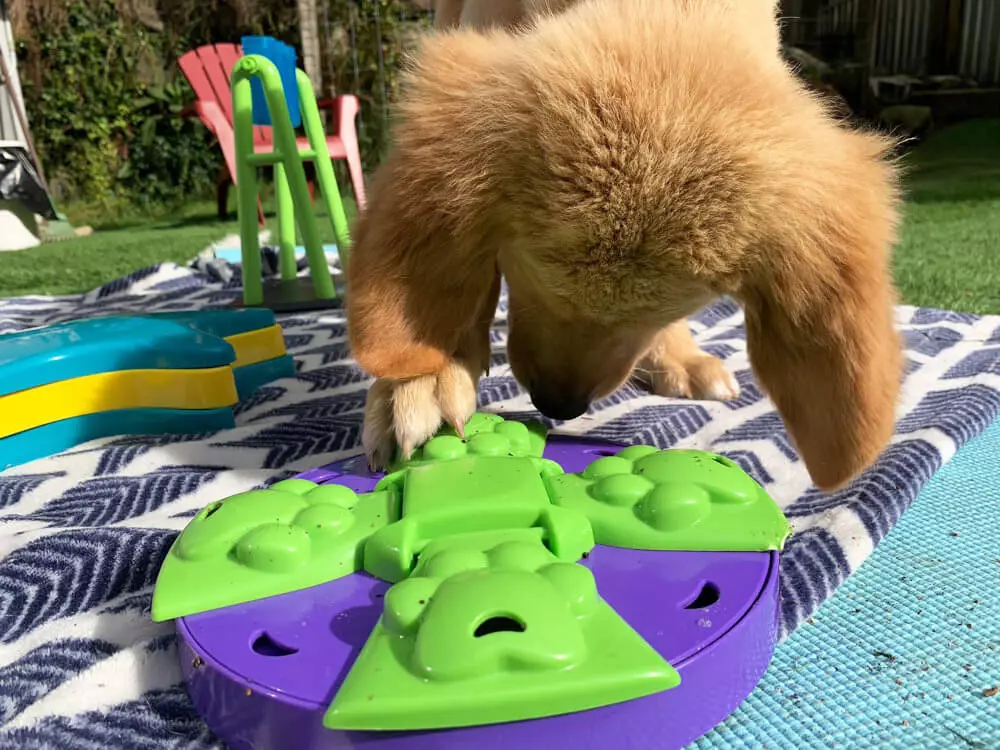
A puzzle toy challenges a dog to solve problems to access treats. It engages their mind and encourages problem-solving skills. These toys come in various designs, requiring dogs to push, slide, or lift parts. Puzzle toys provide mental stimulation and reduce boredom effectively.
How Do Puzzle Toys Benefit A Dog’s Health?
Puzzle toys improve a dog’s mental and physical health. They reduce anxiety and destructive behavior by keeping dogs engaged. These toys promote cognitive skills and slow down fast eaters. Regular use supports overall well-being and strengthens the pet-owner bond.
Which Materials Are Safe For Dog Puzzle Toys?
Safe puzzle toys are made from non-toxic, durable materials like rubber, plastic, or wood. They should be chew-resistant to prevent choking hazards. Choose toys free from harmful chemicals and sharp edges. Always supervise your dog when introducing new puzzle toys.
Can All Dog Breeds Use Puzzle Toys?
Yes, puzzle toys suit all dog breeds but vary in difficulty. Smaller breeds may prefer simpler designs, while larger breeds enjoy complex puzzles. Consider your dog’s size, age, and intelligence when selecting a toy. Tailoring puzzles ensures maximum engagement and safety.
Conclusion
Puzzle toys keep dogs busy and sharp. They challenge your dog’s mind every day. These toys help reduce boredom and stress. Choosing the right puzzle toy depends on your dog’s size and skill. Simple or complex, puzzle toys make playtime fun and rewarding.
Dogs enjoy solving puzzles and getting treats. Try different types to find what your dog likes best. Puzzle toys also strengthen your bond with your dog. Keep your dog happy and healthy with puzzle toys. They are a smart choice for active dogs.