Are you looking for ways to keep your dog entertained and mentally sharp? Puzzle toys and games are the perfect solution to challenge your furry friend while having fun together.
These toys not only stop boredom but also improve your dog’s problem-solving skills and reduce destructive behavior. You’ll discover the best dog puzzle toys and games that will keep your pet engaged for hours. Ready to see which ones are worth trying?
Let’s dive in!

Credit: dogtrotting.net
Benefits Of Puzzle Toys
Puzzle toys offer more than just fun for your dog—they provide several important benefits that improve your pet’s overall well-being. These toys challenge your dog’s mind, encourage good behavior, and even support physical health. Understanding these benefits can help you choose the best toys that fit your dog’s needs and personality.
Mental Stimulation
Dogs need mental challenges to stay sharp and happy. Puzzle toys require your dog to think, figure out solutions, and engage their brain. This mental exercise can reduce boredom and prevent destructive habits that often arise from lack of stimulation.
Imagine your dog spending time solving a puzzle instead of chewing on furniture. This kind of engagement keeps their mind active and can improve problem-solving skills over time. Have you noticed how focused your dog becomes when working on a puzzle toy?
Behavioral Improvements
Using puzzle toys regularly can lead to noticeable behavioral changes. Dogs that get enough mental stimulation tend to be calmer and less anxious. This means fewer barking episodes and less restlessness around the house.
When your dog is occupied with a puzzle toy, they’re less likely to develop bad habits out of boredom or stress. This also helps build patience and persistence as they learn to tackle challenges step-by-step. Could adding puzzle toys to your dog’s routine reduce some of their frustrating behaviors?
Physical Exercise
While puzzle toys mainly target the brain, many also encourage physical activity. Some puzzles require your dog to move pieces, slide compartments, or nudge parts with their nose or paws. This gentle exercise supports joint health and muscle tone.
Even if your dog isn’t running around, these small movements keep them engaged and active. This is especially helpful for dogs who may have limited outdoor activity or are older. How could adding physical elements to puzzle games boost your dog’s daily exercise?
Types Of Dog Puzzle Toys
Dog puzzle toys come in many shapes and styles. They challenge your dog’s mind and keep them busy. These toys help reduce boredom and destructive behavior. Understanding the types helps you pick the right one for your pet.
Interactive Feeders
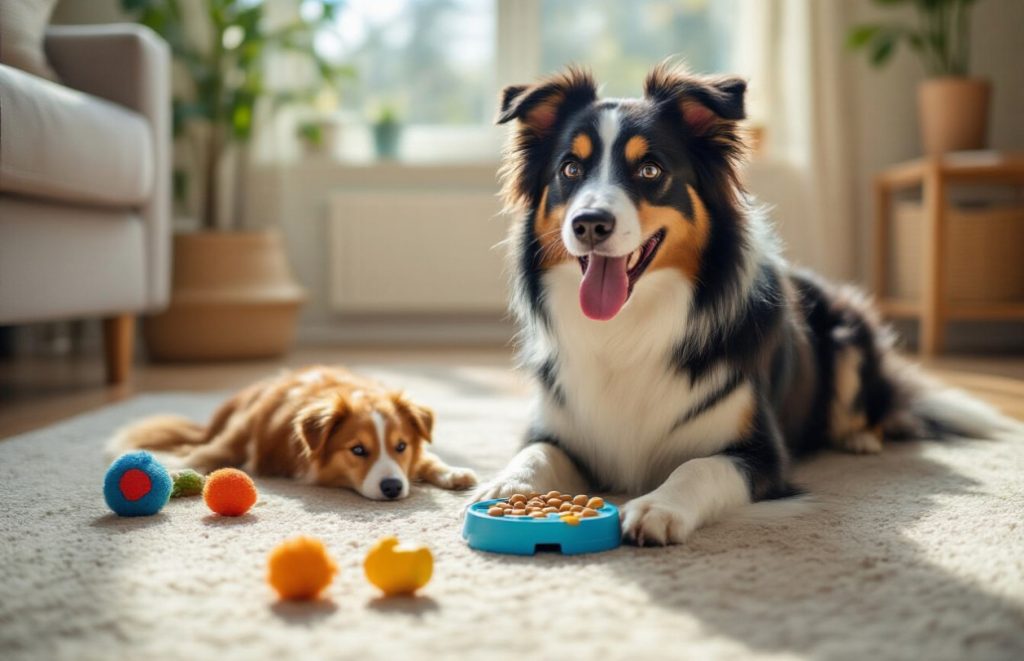
Interactive feeders turn mealtime into a fun activity. Dogs must solve simple puzzles to get their food. These feeders slow down eating and improve digestion. They keep dogs mentally active during feeding.
Treat-dispensing Toys
Treat-dispensing toys hide snacks inside a toy. Dogs work to release the treats by pushing or rolling it. These toys reward dogs for problem-solving. They encourage play and mental stimulation.
Hide-and-seek Games
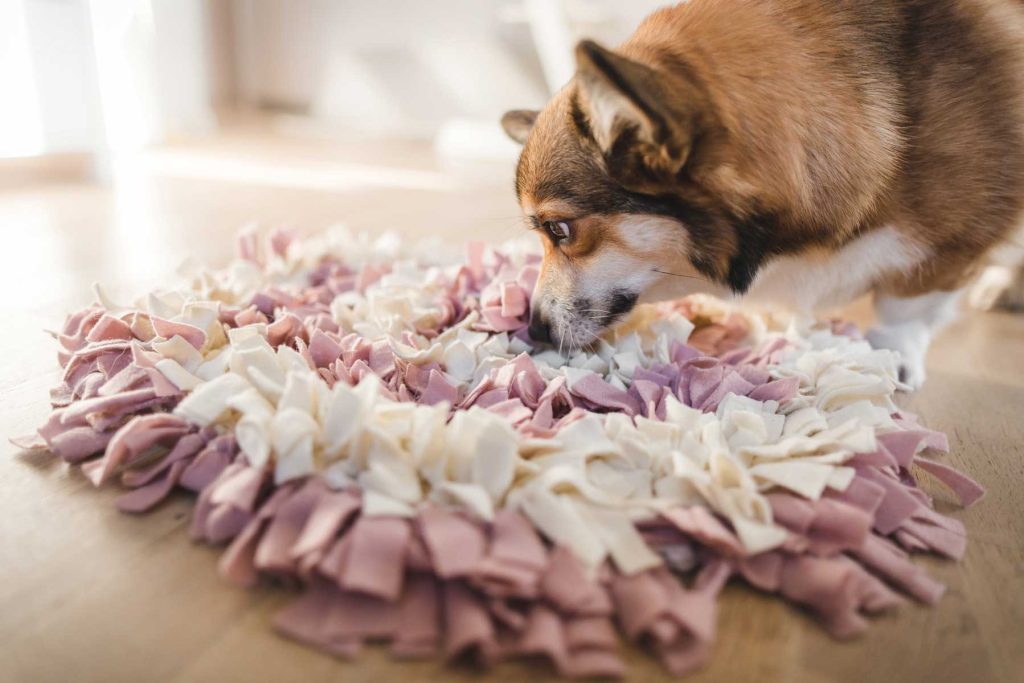
Hide-and-seek games involve hiding treats or toys around the house. Dogs use their nose and brain to find the hidden items. These games boost scent skills and focus. They also provide physical activity.
Puzzle Boards
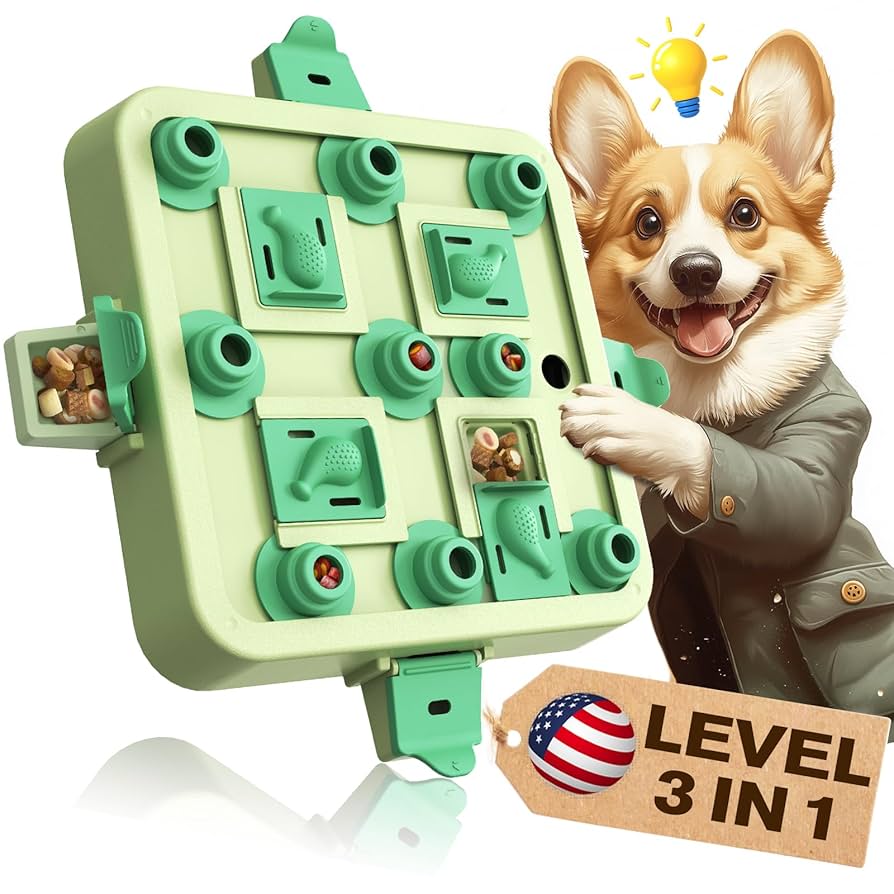
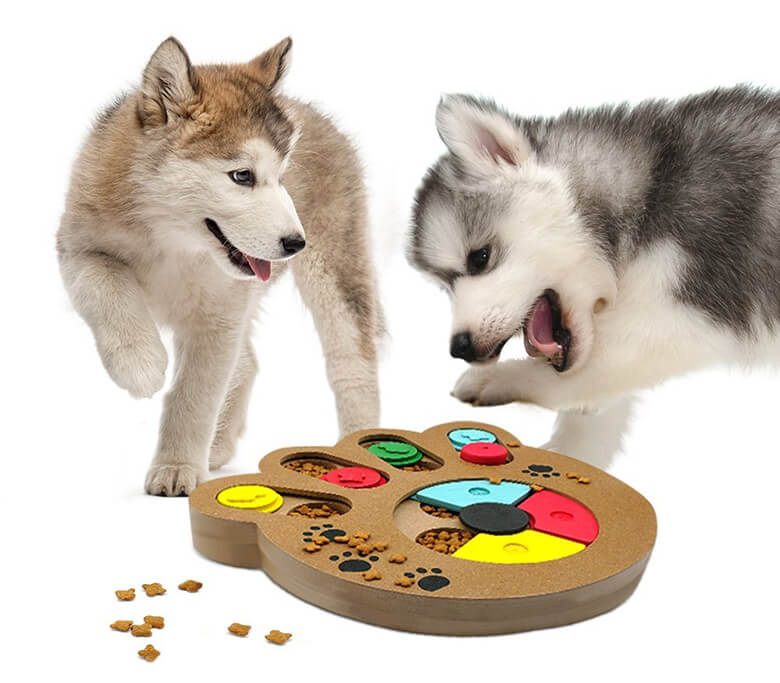
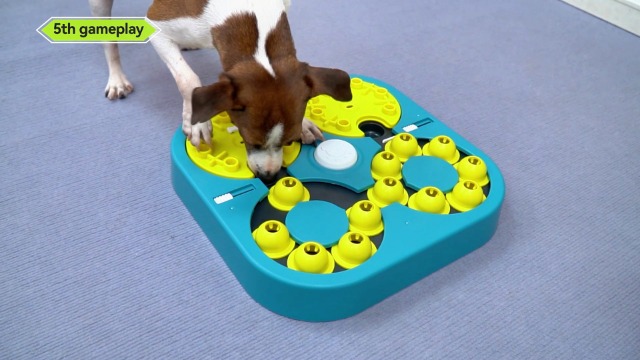
Puzzle boards have compartments with lids or sliders. Dogs must figure out how to open each section to get a treat. These boards offer different levels of difficulty. They challenge dogs to think and stay engaged.
Top Puzzle Toys For Small Dogs
Choosing the right puzzle toys for small dogs helps keep their minds sharp and bodies active. Small breeds need toys that fit their size and strength. These toys challenge their problem-solving skills and reward them with treats or fun. This section highlights some of the best puzzle toys designed just for small dogs.
Interactive Treat Dispensers
Toys that release treats encourage dogs to think and move. Small dogs enjoy using their noses and paws to get the treats out. These dispensers come in various shapes and difficulty levels.
- Keep your dog busy and motivated.
- Help reduce boredom and destructive behavior.
- Safe sizes and materials for small breeds.
Hide-and-seek Puzzle Boxes
These boxes have compartments hiding small treats or toys. Dogs learn to open lids or slide panels to find rewards. This game improves focus and fine motor skills.
- Adjustable difficulty for beginners or experts.
- Lightweight and easy to carry.
- Great for mental stimulation at home or travel.
Shape Sorters And Puzzle Boards
Shape sorters require dogs to match pieces to the correct holes. Puzzle boards challenge dogs to move sliders or push buttons. Both enhance problem-solving and hand-eye coordination.
- Perfect size for small paws.
- Durable materials withstand chewing.
- Encourage independent play and learning.
Best Puzzle Toys For Large Dogs
Large dogs need puzzle toys that challenge their minds and bodies. These toys keep them busy, reduce boredom, and help with mental stimulation. Let’s explore some top picks for large dogs.
1. Outward Hound Hide-a-squirrel Puzzle
This toy combines a plush tree trunk with squeaky squirrels. Dogs love to find and remove the squirrels. It’s engaging and fun for large breeds. The durable design withstands strong chewers.
2. Kong Classic Dog Toy
The KONG Classic is a versatile puzzle toy. Fill it with treats to keep your dog entertained for hours. The rubber material is tough, perfect for aggressive chewers. Its unique shape provides unpredictable bounces.
3. Nina Ottosson Dog Tornado
This interactive toy challenges your dog’s problem-solving skills. It features multiple layers with rotating discs. Hide treats in the compartments for a rewarding experience. It’s designed for large dogs and ensures hours of fun.
4. Starmark Treat Dispensing Chew Ball
This ball dispenses treats while your dog plays. It’s perfect for large dogs who love to chew. The durable material withstands heavy chewing. Fill it with kibble or treats to make playtime exciting.
5. Trixie Mad Scientist Turn Around
This toy involves spinning tubes to release treats. It’s ideal for curious large dogs. The design challenges them to think and move. Use it to train and entertain simultaneously.
These puzzle toys for large dogs offer both fun and mental exercise. They help keep your furry friend healthy and happy.
Diy Puzzle Games At Home
DIY puzzle games at home offer a fun and affordable way to challenge your dog’s mind. You don’t need fancy toys to keep your furry friend entertained. Simple household items can turn into exciting brain teasers that sharpen your dog’s problem-solving skills.
Using Household Items
You can create engaging puzzles with things you already have around the house. Empty muffin tins become great treat dispensers when you cover some holes with tennis balls. Your dog will have to figure out how to remove the balls to get the treats underneath.
Another idea is to use old cardboard boxes. Cut holes in different spots and hide treats inside. Watching your dog explore and investigate the boxes is a rewarding experience and keeps them mentally active.
Simple Treat Challenges
Hide treats under plastic cups or containers and shuffle them around. Your dog will enjoy guessing where the treat is. This game improves their focus and memory.
You can also wrap treats in a towel and let your dog figure out how to unwrap it. Start with a loosely wrapped towel and make it harder as your dog gets better. Have you noticed how quickly your dog picks up these challenges? It’s a great way to bond and keep them sharp.
Credit: www.thisdogslife.co
Choosing The Right Toy For Your Dog
Choosing the right puzzle toy for your dog makes playtime fun and safe. Dogs have different needs based on their age, size, and skill. Picking a toy that fits these factors keeps your dog interested and challenged. It also helps avoid frustration or injury. Focus on what suits your dog’s unique traits and habits. This approach improves their learning and happiness.
Considering Dog’s Age And Size
Puppies need soft, easy toys that match their small mouths. Older dogs may prefer gentler puzzles to avoid strain. Big dogs require sturdy toys that can handle strong jaws. Small dogs do better with compact puzzles they can easily carry. Age and size guide you in choosing a toy that fits well.
Assessing Skill Level
Start with simple puzzles for beginners. Basic toys build confidence and interest. Advanced dogs need complex puzzles with more steps. Toys with adjustable difficulty offer good options. Watch your dog’s reaction to find the right level. Avoid toys that are too hard or too easy.
Safety Features To Look For
Choose toys made from non-toxic materials. Avoid small parts that can break off and cause choking. Look for smooth edges to prevent cuts. Durable construction helps prevent swallowing pieces. Check for easy cleaning to keep toys hygienic. Safety is key for worry-free playtime.
Tips For Introducing Puzzle Toys
Introducing puzzle toys to your dog can be a game-changer for their mental stimulation and happiness. However, jumping in too fast might overwhelm them and spoil the fun. Here are practical tips to help your dog enjoy and benefit from puzzle toys right from the start.
Start Slow
Choose a simple puzzle toy that matches your dog’s current skill level. Avoid complex puzzles initially, as they might frustrate your dog and cause disinterest.
Begin with short sessions, just a few minutes at a time. Watch how your dog reacts and gradually increase the difficulty as they get comfortable.
Positive Reinforcement
Reward your dog with treats, praise, or play when they interact with the puzzle toy correctly. This encouragement helps them understand that solving the puzzle leads to good outcomes.
If your dog seems confused, step in to guide them rather than letting frustration build. Celebrate small wins to keep their motivation high.
Regular Playtime
Consistency is key. Set aside time each day for puzzle play to build a routine your dog looks forward to.
Mix up the toys occasionally to keep things exciting, but never skip the daily engagement. How often do you dedicate time just for your dog’s brain exercise?
Maintaining And Cleaning Puzzle Toys
Maintaining and cleaning dog puzzle toys keeps them safe and fun for your pet. Dirty toys can harbor bacteria and cause health issues. Regular care also makes toys last longer and stay interesting. Simple cleaning routines fit easily into your schedule. Knowing how to care for different materials prevents damage. Proper maintenance supports your dog’s play and learning.
Material-specific Care
Different puzzle toys need different cleaning methods. Plastic toys can usually be washed with warm, soapy water. Rinse well to remove soap residue. Wooden toys require gentle cleaning to avoid warping. Use a damp cloth and mild soap. Avoid soaking wood in water. Silicone toys are often dishwasher-safe, but check labels first. Soft fabric toys need machine washing or hand washing. Dry fabric toys completely to prevent mold. Check manufacturer instructions for best care tips.
Avoiding Wear And Tear
Inspect puzzle toys regularly for damage or loose parts. Remove broken toys to prevent choking hazards. Rotate toys to reduce constant stress on one item. Store toys in a dry, cool place to avoid mold and mildew. Avoid harsh chemicals that can break down materials. Let toys air dry thoroughly after cleaning. Repair minor damages promptly to extend toy life. Durable toys keep your dog engaged and safe longer.
Credit: www.amazon.com
Frequently Asked Questions
What Are The Benefits Of Dog Puzzle Toys?
Dog puzzle toys improve mental stimulation, reduce boredom, and prevent destructive behavior. They enhance problem-solving skills and keep dogs entertained for longer periods.
Which Dog Puzzle Toys Are Best For Beginners?
Start with simple treat-dispensing toys or basic hide-and-seek puzzles. These toys help dogs learn without frustration and build confidence in solving challenges.
How Do Puzzle Toys Improve A Dog’s Intelligence?
Puzzle toys engage a dog’s brain by encouraging problem-solving and critical thinking. Regular use boosts cognitive abilities and sharpens memory, improving overall intelligence.
Are Puzzle Toys Suitable For All Dog Sizes?
Yes, puzzle toys come in various sizes and difficulties. Choose a toy that matches your dog’s size and chewing strength for safe and effective play.
Conclusion
Choosing the best dog puzzle toys keeps your pet happy and sharp. These toys help dogs use their brains while having fun. They can reduce boredom and stop bad habits. Try different puzzles to see what your dog enjoys most.
Start simple, then add challenges as your dog learns. Regular play with puzzles strengthens your bond and mental skills. Keep your dog active in mind and body every day. Puzzle toys bring joy and health to your furry friend.