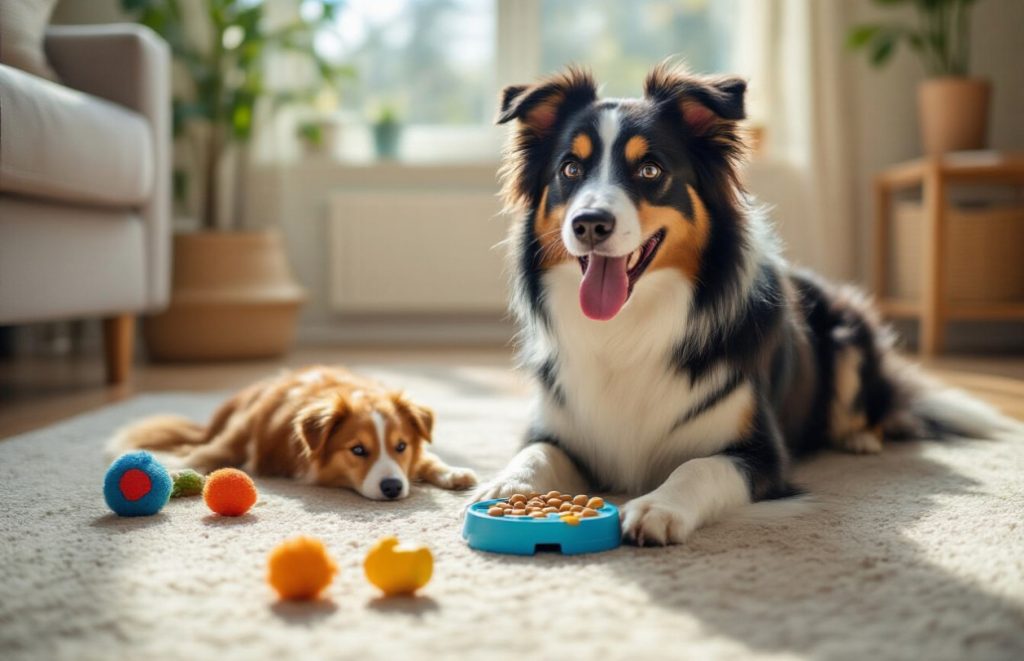
Are you looking for a fun and easy way to keep your dog entertained and mentally sharp? Making dog puzzle toys at home is a great solution.
These toys challenge your dog’s mind, reduce boredom, and can even improve their problem-solving skills. Plus, you don’t need special tools or expensive materials to create them. You’ll discover simple steps to make engaging puzzle toys that your furry friend will love.
Keep reading to unlock the secrets of DIY dog puzzles that boost your pet’s happiness and health!

Credit: dogtrotting.net
Benefits Of Puzzle Toys
Puzzle toys offer more than just fun for your dog—they bring multiple benefits that improve your pet’s overall well-being. These toys keep your dog engaged, challenge their mind, and help manage behavior issues that arise from inactivity or stress. Understanding these benefits can motivate you to create your own puzzle toys at home, tailored specifically to your dog’s needs.
Mental Stimulation For Dogs
Your dog’s brain needs exercise just like their body does. Puzzle toys provide a way to keep their mind sharp by encouraging them to think and figure things out. This mental workout can prevent boredom and keep your dog alert and happy.
Have you noticed how your dog perks up when faced with a new challenge? That’s their brain getting a boost. Offering puzzle toys regularly helps maintain their cognitive health, especially as they age.
Reducing Boredom And Anxiety
When dogs feel bored, they often turn to destructive behaviors like chewing furniture or barking excessively. Puzzle toys offer a positive outlet for their energy, keeping them busy and distracted.
Many pet owners find that these toys reduce anxiety in dogs, especially during stressful times like thunderstorms or when left alone. Giving your dog a puzzle toy can ease their nerves and make downtime more enjoyable.
Enhancing Problem-solving Skills
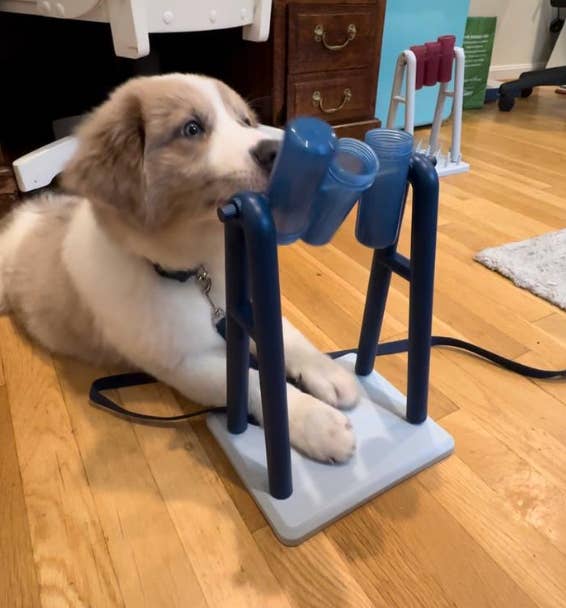
Puzzle toys challenge your dog to think critically and develop new strategies to reach a reward. Over time, this builds their problem-solving skills and boosts confidence.
Imagine watching your dog figure out how to slide a compartment open or nudge a lever to get a treat—it’s a rewarding experience for both of you. These skills can also translate to better behavior during training and daily activities.
Credit: www.buzzfeed.com
Materials Needed
Gathering the right materials is the first step to making dog puzzle toys that are both fun and safe for your furry friend. You don’t need fancy tools or expensive items. Many effective toys come from simple, everyday objects you already have around the house.
Common Household Items
Look around your home for items that can be easily repurposed into puzzle toys. Empty plastic bottles, old muffin tins, and cardboard boxes often work well. These materials provide interesting shapes and textures that can keep your dog engaged.
- Plastic bottles:Use them as treat dispensers by cutting small holes.
- Muffin tins:Place treats in some cups and cover others with tennis balls to challenge your dog.
- Cardboard boxes:Create compartments or hide treats inside layers for your dog to uncover.
- Old towels or fabric scraps:Knot them to make tug or hide-and-seek toys.
Have you noticed how your dog reacts differently to various textures? Using household items can tap into their natural curiosity and problem-solving skills without costing you a dime.
Safe And Dog-friendly Supplies
Safety should always come first when choosing materials for your dog’s puzzle toys. Avoid anything that can break into sharp pieces or contains harmful chemicals. Opt for supplies that are non-toxic and durable enough to handle chewing.
- Food-safe silicone molds:Great for hiding treats and easy to clean.
- Natural wood blocks:Untreated and smooth pieces that won’t splinter.
- Non-toxic glue or tape:To assemble parts securely without risking your dog’s health.
- Soft rubber balls or discs:Durable and safe for chewing and rolling.
Think about how your dog plays and chews. Choosing materials that match their style can prevent frustration and keep the toy effective longer. Have you ever seen your dog lose interest because a toy was too hard or unsafe? Avoid that by picking the right supplies from the start.
Simple Diy Puzzle Toys
Simple DIY puzzle toys keep dogs busy and sharp. They use common household items. These toys stimulate your dog’s mind and reduce boredom. Making them is quick and fun. Each toy challenges your dog differently. Try these easy ideas to engage your pet.
Towel Treat Roll-up
Use an old towel for this toy. Lay it flat and place treats on it. Roll the towel up tightly. Your dog must unroll it to find treats. It encourages problem-solving and sniffing skills. Wash the towel regularly to keep it clean.
Muffin Tin Puzzle
Take a muffin tin and some tennis balls. Place treats in some muffin cups. Cover each cup with a tennis ball. Your dog lifts the balls to get the treats. This toy improves your dog’s paw and nose skills. Use different-sized balls for more challenge.
Bottle Spinner Toy
Find a sturdy stick and empty plastic bottles. Drill holes in the bottles to fit the stick. Thread the bottles onto the stick and secure it. Put treats inside the bottles. Your dog spins the bottles to release treats. This toy builds your dog’s patience and strength.
Advanced Puzzle Toy Ideas
Create dog puzzle toys using household items like muffin tins and tennis balls. Hide treats to challenge your dog’s problem-solving skills and keep them busy. Simple designs can make playtime fun and mentally stimulating for your pet.
Advanced puzzle toy ideas challenge and engage your dog’s mind. They offer new ways to keep your furry friend entertained. These toys also enhance your dog’s problem-solving skills.Hidden Treat Box
Create a simple hidden treat box for your dog. Use a small, sturdy box with a lid. Cut small holes in the sides. Place treats inside and close the lid. Your dog will smell the treats and try to get them. This activity stimulates their natural foraging instincts.Interactive Snuffle Mat
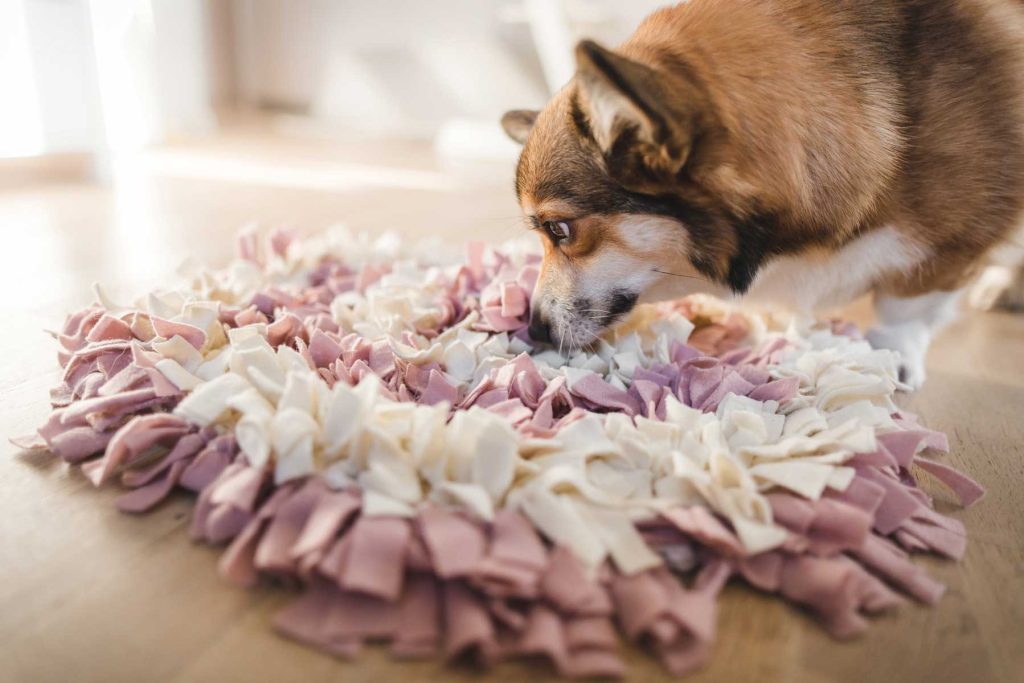
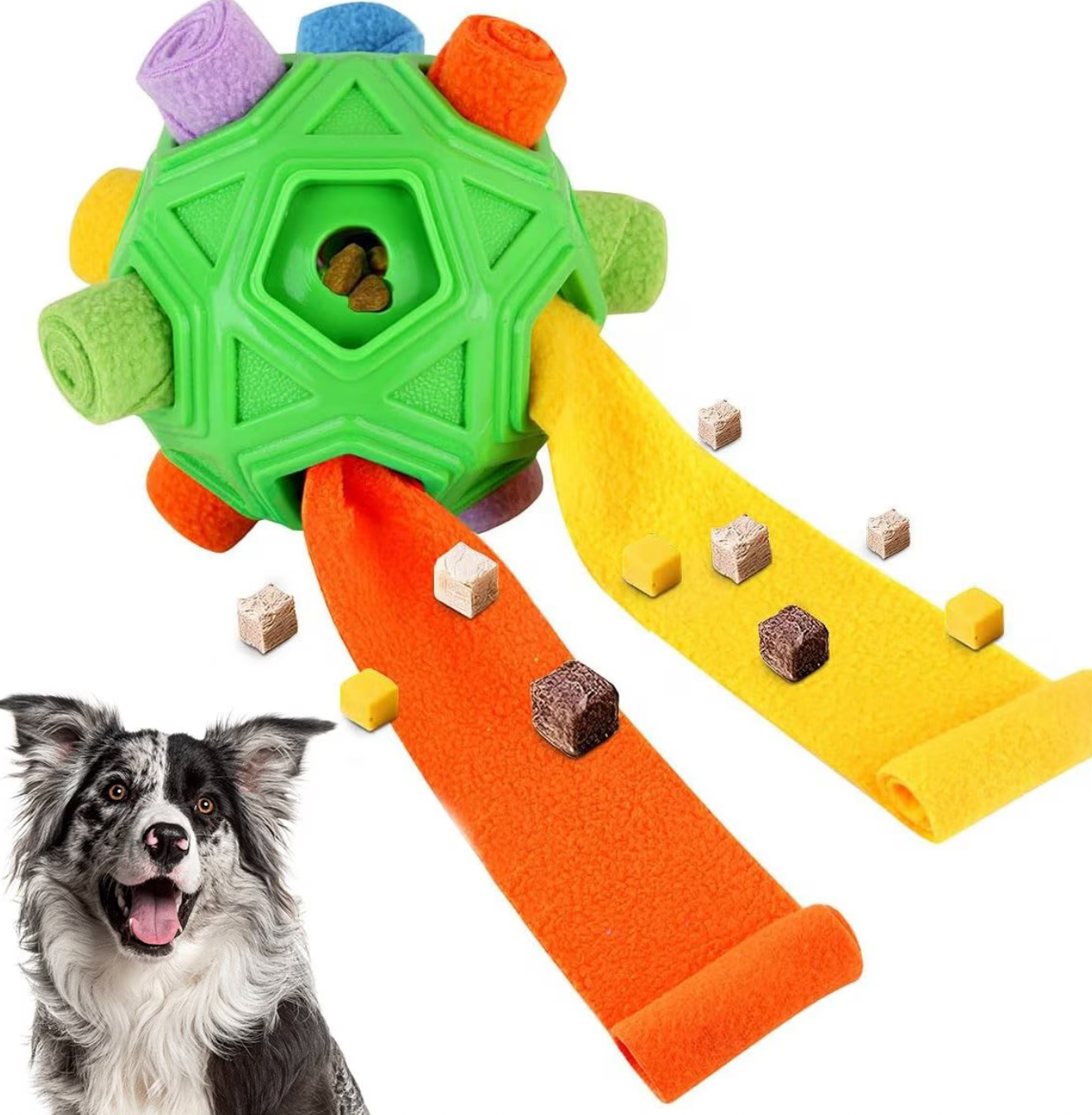
Make an interactive snuffle mat using fleece fabric. Cut strips of fabric and tie them onto a rubber mat. Bury treats among the fabric strips. Your dog will enjoy sniffing and searching for the treats. This engages their senses and provides mental stimulation.Diy Sliding Puzzle
Craft a sliding puzzle using a muffin tin and tennis balls. Place treats in some of the muffin tin compartments. Cover them with tennis balls. Your dog must slide the balls to find the treats. This encourages strategic thinking and keeps them busy for a while.Safety Tips
Safety should always be your top priority when making dog puzzle toys. These toys are meant to challenge your dog’s mind, but they must also be safe to use. Paying attention to the materials you choose, supervising playtime, and regularly checking the toys can prevent accidents and keep your furry friend happy.
Choosing Non-toxic Materials
Not all materials are safe for dogs to chew on or interact with. Select items labeled as non-toxic and pet-safe to avoid harmful chemicals. Natural wood, food-grade silicone, and certain plastics designed for pets work well.
Think about your dog’s chewing habits. If your dog is an aggressive chewer, soft plastics might break apart easily and pose a choking risk. Always test materials yourself by trying to break or tear them before giving the toy to your dog.
Supervising Playtime
Never leave your dog alone with a homemade puzzle toy, especially the first few times they use it. Supervision helps you notice if pieces start to come loose or if your dog gets frustrated and destructive. It also gives you a chance to encourage and reward your dog for solving the puzzle.
Have you ever seen your dog get stuck or overwhelmed by a toy? Staying nearby allows you to step in and guide them, making the experience positive and safe. This simple habit can prevent choking hazards and other accidents.
Regular Toy Inspection
Check your puzzle toys often for signs of wear and tear. Look for cracks, loose parts, or sharp edges that could injure your dog. Even the sturdiest materials can degrade over time with regular use.
Make it a routine—inspect toys weekly or after intense play sessions. If you spot damage, repair the toy if possible or replace it promptly. This small effort can save you from unexpected vet visits.
Training Your Dog With Puzzle Toys
Training your dog with puzzle toys is a fun and smart way to keep your pet active. These toys challenge your dog’s mind and body. They help improve problem-solving skills and reduce boredom. Using puzzle toys regularly creates a positive learning experience for your dog. It also strengthens the bond between you and your pet.
Introducing New Challenges Gradually
Start with simple puzzles your dog can solve quickly. Let your dog explore the toy without pressure. Watch how your dog interacts with it. Add new challenges only after your dog masters the easier ones. This helps build confidence and keeps your dog motivated. Change the puzzle slowly to avoid frustration and loss of interest.
Rewarding Success
Use treats or praise to reward your dog’s effort. Rewards encourage your dog to try harder puzzles. Give treats immediately after your dog solves a challenge. Positive reinforcement helps your dog learn faster. Celebrate small wins to keep training enjoyable. This creates a happy learning environment for your dog.
Adjusting Difficulty Levels
Increase puzzle difficulty as your dog improves. Add more pieces or hide treats in harder spots. Watch your dog’s reaction to new challenges. If your dog struggles, reduce the difficulty slightly. Balance challenge and success to maintain interest. Regularly changing difficulty keeps your dog’s mind sharp and engaged.
Maintaining Your Diy Toys
Maintaining your DIY dog puzzle toys is key for safety and fun. Clean toys prevent bacteria build-up. Fixing small damages keeps toys usable longer. Regular care saves money and protects your dog.
Cleaning Tips
Use mild soap and warm water to clean toys. Avoid harsh chemicals that can harm your dog. Rinse toys well to remove soap residue. Let toys air dry completely before use. Clean toys after every play session to avoid germs. For fabric toys, check if they are machine washable.
Repairing Wear And Tear
Inspect toys regularly for loose parts or damage. Use strong glue safe for pets to fix small breaks. Replace worn-out parts like strings or buttons. Avoid toys with sharp edges or loose pieces. Keep an eye on puzzle mechanisms that may get stuck. Discard toys that cannot be safely repaired.
Credit: www.buzzfeed.com
Frequently Asked Questions
What Materials Are Best For Dog Puzzle Toys?
Wood, plastic, and rubber are great materials for dog puzzle toys. They are durable, safe, and easy to clean. Avoid toxic or small parts that dogs can swallow. Choose materials based on your dog’s chewing habits and size for safety and longevity.
How Do Dog Puzzle Toys Benefit Pets?
Dog puzzle toys improve mental stimulation and reduce boredom. They encourage problem-solving skills and help prevent destructive behavior. These toys also promote slower eating and enhance focus. Overall, they contribute to a happier, healthier, and more engaged dog.
Can I Make Dog Puzzle Toys At Home?
Yes, you can make dog puzzle toys at home using household items. Use muffin tins, cardboard boxes, or plastic bottles with treats inside. Ensure the toy is safe, non-toxic, and suited to your dog’s size and chewing strength.
How Often Should I Use Dog Puzzle Toys?
Use dog puzzle toys daily for 10-20 minutes to keep your dog engaged. Regular play prevents boredom and provides mental exercise. Adjust frequency based on your dog’s interest and energy levels for best results.
Conclusion
Making dog puzzle toys can be fun and rewarding. These toys keep dogs busy and happy. You use simple materials found at home. Crafting puzzles helps your dog think and play. It also strengthens the bond between you and your pet.
Try different designs to find what your dog likes best. Keep the puzzles safe and easy to use. Your dog will enjoy the challenge and learn new skills. Start small and build up the difficulty over time. Happy crafting and happy dogs!