Are you looking for a fun way to keep your dog busy and sharp? Dog puzzle toys are the perfect solution.
They challenge your pet’s mind and help reduce boredom, making your dog happier and healthier. But with so many options out there, how do you find the best one for your furry friend? Keep reading, and you’ll discover the top dog puzzle toys that can turn playtime into a rewarding game for both you and your dog.
Benefits Of Puzzle Toys
Puzzle toys offer more than just fun for your dog—they provide a range of benefits that can improve your pet’s quality of life. These toys engage your dog’s mind and body, helping to prevent boredom and destructive behavior. If you want to keep your furry friend happy and healthy, understanding these benefits can guide you in choosing the right puzzle toys.
Mental Stimulation
Dogs need mental challenges just like humans do. Puzzle toys force them to think and solve problems, which sharpens their intelligence and keeps their brains active.
For example, a puzzle toy that hides treats requires your dog to figure out how to access the reward. This type of play can reduce anxiety and improve focus.
Have you noticed your dog getting bored easily? Puzzle toys can keep their mind busy during those quiet hours when you’re not around.
Physical Activity
Many puzzle toys also encourage movement. Your dog might need to nudge, paw, or carry the toy around to get to the treats inside.
This kind of activity helps burn off excess energy, which is especially useful for high-energy breeds. It’s a fun way to sneak in exercise without a formal workout session.
Think about the last time your dog played with a puzzle toy—did they seem more tired afterward? That’s a sign they got good physical activity while having fun.
Behavior Improvement
Puzzle toys can help reduce unwanted behaviors like chewing on furniture or barking out of boredom. When your dog is engaged, they are less likely to act out.
These toys also promote patience and persistence. Dogs learn to wait and work for their reward, which translates into better behavior overall.
Have you tried using puzzle toys to redirect your dog’s energy? It can be a game-changer for training and improving daily habits.
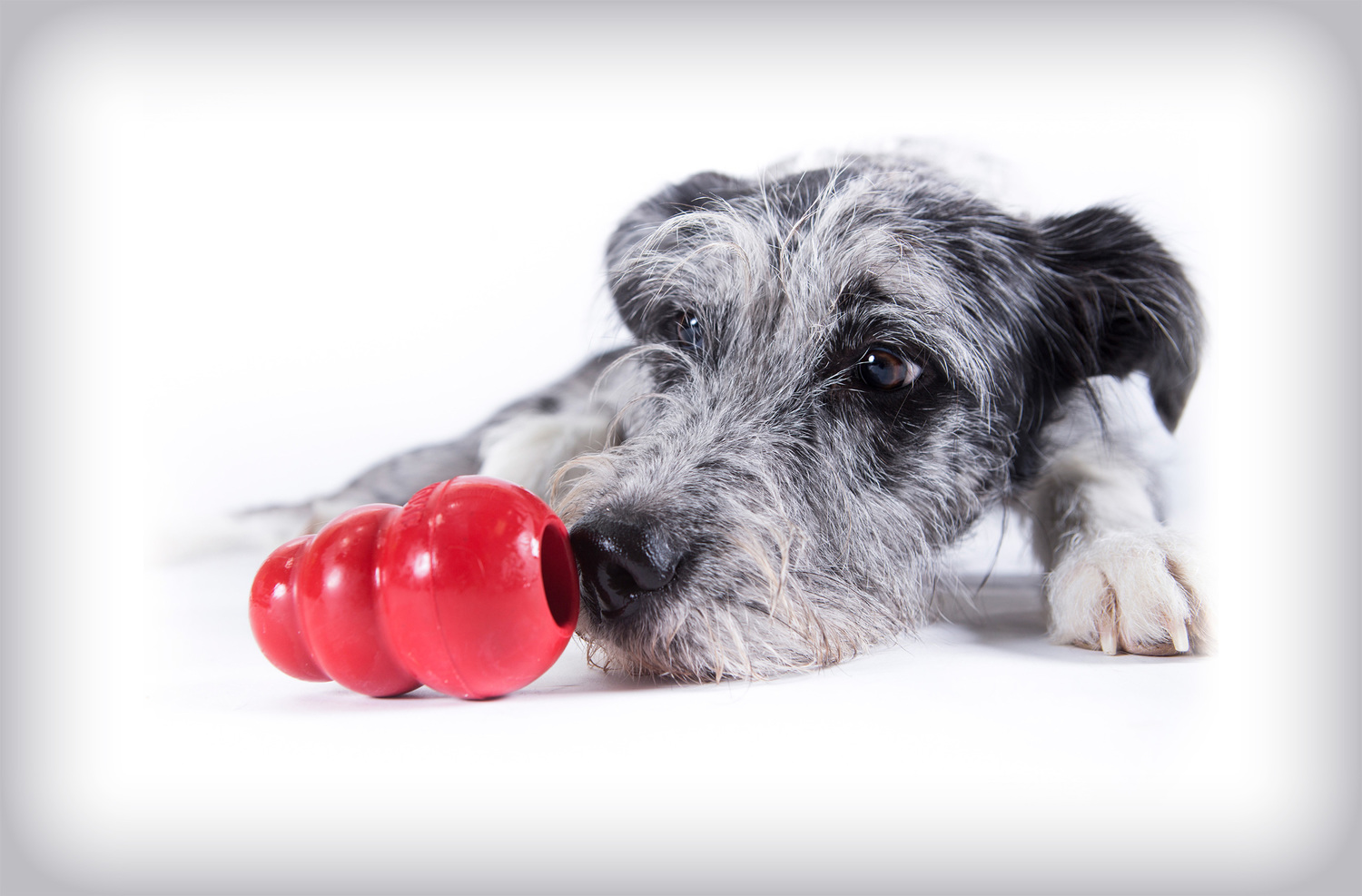
Credit: tullystraining.com
Types Of Dog Puzzle Toys
Dog puzzle toys come in many shapes and styles, each designed to challenge your pet’s mind and keep them entertained. Understanding the different types helps you pick the right one based on your dog’s personality and skill level. Let’s look at some popular categories that can turn treat time into a fun brain workout.
Interactive Feeders
Interactive feeders combine mealtime with mental stimulation. These toys require your dog to figure out how to get their food by moving parts or solving simple puzzles. They slow down fast eaters and reduce boredom, which can help prevent overeating and digestive issues.
One of my dogs used to gulp down food in seconds, often leading to discomfort. Using an interactive feeder made mealtime last longer and gave her something to focus on, making a noticeable difference in her behavior.
Hide-and-seek Toys
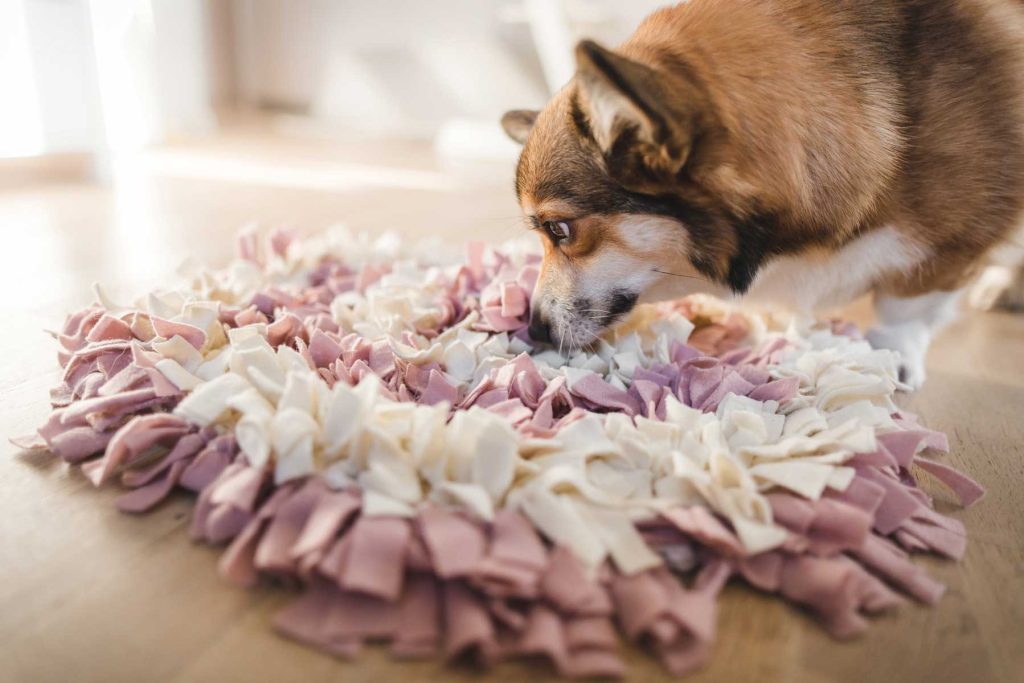
Hide-and-seek toys challenge your dog to find hidden treats or objects. These toys often have compartments or flaps where you can tuck goodies. Your dog’s job is to uncover the treats by pawing, nudging, or lifting parts of the toy.
These toys are perfect if your dog loves sniffing and exploring. They encourage natural foraging instincts and can keep your dog busy for extended periods. Have you noticed how eager dogs get when they know a treat is hidden nearby?
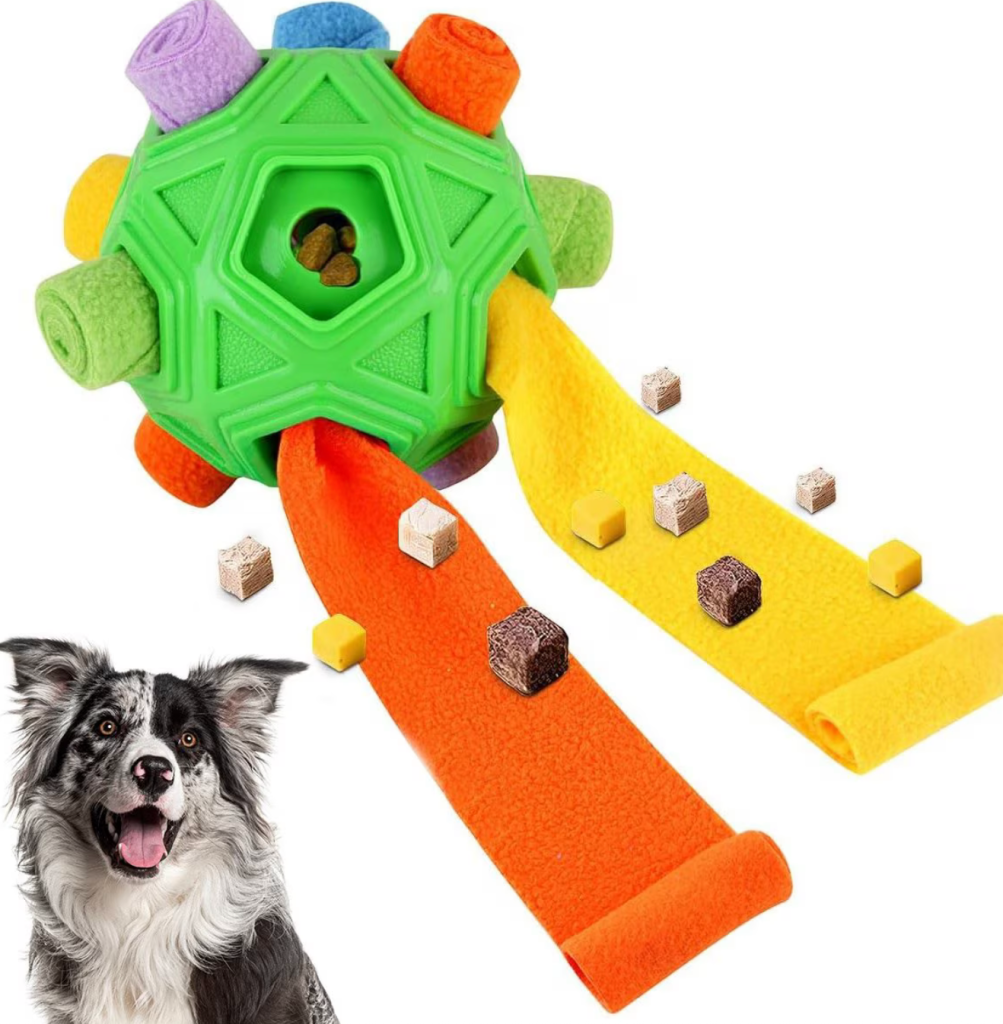
Treat-dispensing Balls
Treat-dispensing balls roll around and release treats slowly as your dog plays. They add a physical activity element to mental stimulation, encouraging your dog to move and think at the same time. This type of toy is great for active dogs who enjoy chasing and pawing at moving objects.
My energetic pup loves chasing these balls around the yard, and the surprise of treats keeps her motivated. These toys can also help reduce destructive behavior by redirecting energy into a positive outlet.
Puzzle Boards
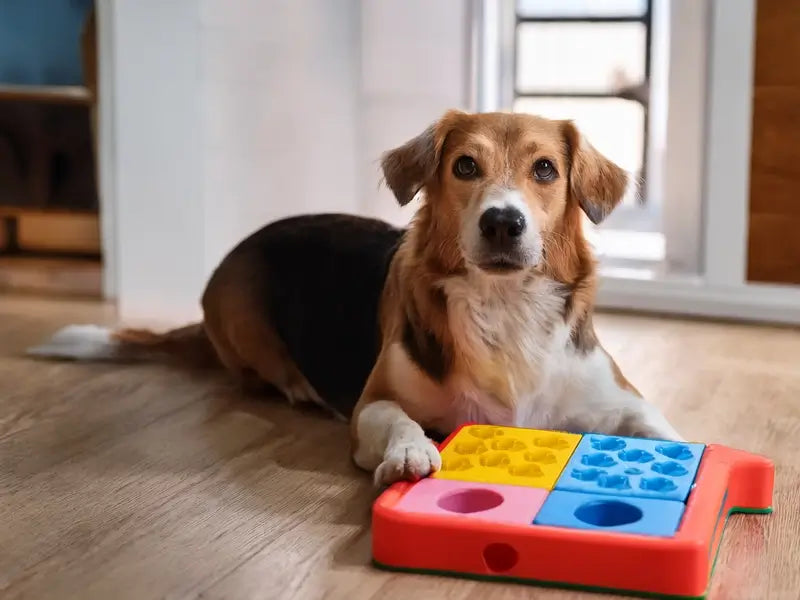
Puzzle boards feature multiple compartments and sliding pieces that your dog must manipulate to reach treats. They often require more problem-solving skills and patience. These toys are ideal if you want to challenge your dog’s cognitive abilities and keep their mind sharp.
When I introduced a puzzle board to my dog, I was surprised by how quickly she learned to slide the pieces to get her treats. It’s rewarding to watch your dog’s brain work and see their confidence grow with each success.
Top Puzzle Toys For Small Dogs
Choosing the right puzzle toy for your small dog can be a game-changer in keeping them mentally sharp and entertained. Small dogs need toys that fit their size and strength while challenging their problem-solving skills. Finding options that are both compact and fun will make playtime more rewarding for your furry friend.
Compact And Lightweight Options
Small dogs can struggle with bulky or heavy toys, so look for puzzle toys designed with their size in mind. Toys like the Outward Hound Hide-A-Squirrelprovide a lightweight, soft option that your dog can easily carry and manipulate. Another great pick is the KONG Classic Mini, which fits comfortably in small mouths and offers a durable yet manageable challenge.
Think about your dog’s energy and strength. Would a heavy toy frustrate them? Lightweight puzzles encourage longer play sessions without causing fatigue or stress.
Best Treat Compatibility
The best puzzle toys offer flexibility with treats, letting you tailor rewards to your dog’s taste and dietary needs. Toys such as the PetSafe SlimCat Interactive Toyallow you to add a variety of kibble sizes or small treats, keeping your dog motivated to solve the puzzle.
Does your dog prefer crunchy or soft treats? Choosing toys that work with different treat textures can keep their interest high. This also helps you avoid limiting your dog to one type of snack, making puzzle time more exciting and rewarding.
Best Puzzle Toys For Large Dogs
Finding the right puzzle toys for your large dog can be a delightful challenge. These toys not only offer mental stimulation but also provide physical exercise, keeping your furry friend engaged and healthy. The key is to find toys that are both durable and challenging enough to capture their attention.
Durability And Strength
Large dogs are known for their powerful jaws and playful nature, so durability is crucial when selecting a puzzle toy. Consider toys made from tough, non-toxic materials that can withstand rigorous play. Brands like Kong and Outward Hound offer robust options that are built to last.
In my experience, investing in a high-quality toy can save you money in the long run. You won’t have to replace them as often, and your dog will enjoy hours of fun. Have you noticed how your dog reacts to a new toy that doesn’t break after the first play session?
Challenging Designs
Large dogs are intelligent and can get bored easily, so it’s essential to choose puzzle toys that offer a challenge. Look for toys with multiple levels of difficulty, allowing you to adjust the challenge as your dog masters each level. This keeps the game interesting and your dog engaged over time.
Consider toys that require your dog to solve a problem to get a treat. This not only provides mental stimulation but also rewards their effort. Have you ever seen the look of satisfaction on your dog’s face when they finally figure it out?
Incorporating these puzzle toys into your dog’s routine can make playtime more rewarding. It’s a simple way to enrich your dog’s life and strengthen your bond. Wouldn’t it be great to see your dog happier and healthier with just a little bit of effort?
Choosing The Right Puzzle Toy
Choosing the right puzzle toy for your dog can transform playtime into a rewarding challenge. The perfect toy keeps your pet mentally sharp and physically engaged without causing frustration. To make the best choice, consider your dog’s abilities, the safety of the materials, and how easy the toy is to clean.
Considering Dog’s Skill Level
Each dog has a unique skill level when it comes to solving puzzles. Some dogs are quick learners and need complex toys with multiple steps, while others do better with simple designs that encourage interaction without overwhelming them.
Think about your dog’s previous play habits. Do they get bored quickly or enjoy figuring things out slowly? Matching the puzzle difficulty to their skill helps keep them motivated and prevents frustration.
Material Safety
The safety of the materials used in a puzzle toy is crucial. Look for non-toxic, durable materials that can withstand chewing. Avoid toys with small parts that could break off and become a choking hazard.
Have you noticed your dog tends to chew aggressively? Toys made from natural rubber or heavy-duty nylon might be better choices. Always check product labels and reviews to ensure the toy is safe for your dog’s size and chewing style.
Ease Of Cleaning
Dog puzzle toys often get messy with treats and slobber. Choosing toys that are easy to clean saves you time and keeps your dog healthy. Look for dishwasher-safe options or toys with removable parts that you can wash thoroughly.
Imagine having a toy that’s difficult to clean; you might skip cleaning it regularly, which can lead to bacteria buildup. Keeping your dog’s puzzle toys hygienic will make playtime more enjoyable for both of you.
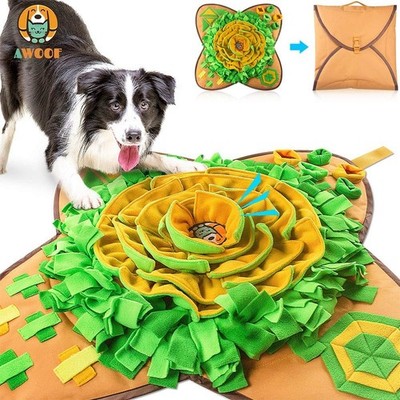
Credit: www.ebay.ca
Tips For Introducing Puzzle Toys
Introducing puzzle toys to your dog needs patience and care. These toys challenge their mind and keep them busy. Starting right helps your dog enjoy the new experience and learn faster.
Start Simple
Choose easy puzzle toys at first. Toys with fewer pieces or simple tasks work best. Let your dog see the treats inside the toy to spark interest. This builds confidence and avoids frustration.
Encourage Exploration
Let your dog sniff and touch the toy freely. Praise them gently when they try to solve it. Use treats to guide them, but avoid rushing. Exploration makes the game fun and rewarding.
Supervise Playtime
Watch your dog while they play with puzzles. Some toys can be chewed or broken. Supervision keeps your dog safe and prevents damage. Step in if your dog gets stuck or upset.
Maintaining Puzzle Toys
Maintaining your dog’s puzzle toys is key to keeping them safe and enjoyable. These toys often have small parts and crevices that can trap dirt, saliva, and food. If you overlook maintenance, your dog might lose interest or, worse, get hurt.
Regular Cleaning
Clean puzzle toys regularly to prevent bacteria build-up. Many toys are dishwasher safe, which makes cleaning easier and more thorough. If not, wash them by hand with warm water and mild soap, then rinse well to remove any soap residue.
Pay close attention to grooves and compartments where food can get stuck. Have you noticed your dog avoiding a favorite toy? It might be time for a deep clean to refresh the scent and taste. A clean toy also helps reduce odors and keeps your dog’s mouth healthier.
Inspecting For Damage
Check your dog’s puzzle toys often for signs of wear and tear. Cracks, loose parts, or sharp edges can be dangerous. If you find any damage, it’s best to repair it if possible or replace the toy immediately.
Think about how vigorously your dog plays—some dogs are rougher and can destroy toys faster. Have you seen pieces break off or get chewed through? That’s a warning sign to act before it leads to choking or ingestion hazards.

Credit: www.holistapet.com
Frequently Asked Questions
What Are The Benefits Of Dog Puzzle Toys?
Dog puzzle toys boost mental stimulation and reduce boredom. They enhance problem-solving skills and promote healthy chewing habits. These toys also help prevent destructive behavior by keeping dogs engaged and entertained for longer periods.
How Do I Choose The Best Puzzle Toy For My Dog?
Consider your dog’s size, age, and chewing strength. Choose toys with appropriate difficulty levels to keep them challenged. Look for durable materials and easy-to-clean designs to ensure safety and longevity.
Can Puzzle Toys Help With Dog Anxiety?
Yes, puzzle toys can reduce anxiety by providing mental engagement. They distract dogs from stress triggers and promote calm behavior. Regular use helps improve focus and reduces destructive tendencies caused by anxiety.
How Often Should I Give My Dog Puzzle Toys?
Offer puzzle toys daily or several times a week to keep dogs mentally active. Rotate toys to maintain interest and prevent boredom. Short, frequent play sessions work best for sustained engagement.
Conclusion
Choosing the right dog puzzle toys keeps your pet happy and sharp. These toys challenge their mind and reduce boredom. Simple or complex, there is a toy for every dog’s skill level. Regular play with puzzles can improve your dog’s focus and confidence.
Remember to pick safe, durable toys that fit your dog’s size. Watch how your dog interacts and adjust the difficulty as needed. Puzzle toys create fun moments and strengthen your bond. Keep your dog active, healthy, and entertained every day.
Try different types and see what your dog enjoys most.