Have you ever wondered if creative toys are just cheap knock-offs or if they really bring value to your child’s playtime? You want to make sure every toy you choose sparks imagination and learning, without wasting money on something that won’t last.
This article will help you see beyond the packaging and find out what makes a creative toy truly worth it. Keep reading to discover the truth and make smarter choices for your child’s growth and fun.
Creative Toys Market
The creative toys market continues to grow rapidly. These toys inspire imagination and skill development in children. Many companies compete to offer unique and engaging products. Buyers often wonder if creative toys are genuine or knockoffs. Understanding the market helps clear this confusion.
Popular Brands
- LEGO: Known for building blocks and creative sets.
- Crayola: Famous for art supplies and craft kits.
- Melissa & Doug: Offers puzzles and educational toys.
- Play-Doh: Classic modeling compound for creative play.
- Kinetic Sand: Popular for sensory and creative experiences.
These brands have earned trust through quality and innovation. Their products often set the standard for creative toys.
Emerging Players
- SmartLab Toys: Focuses on science and exploration kits.
- Fat Brain Toys: Offers unique, brain-building games and toys.
- Guidecraft: Creates open-ended toys for early learning.
- MindWare: Known for puzzles and STEM-based toys.
- Green Toys: Eco-friendly options with creative themes.
New brands bring fresh ideas and affordable options. They challenge big names by combining creativity with education.
Signs Of Knockoff Toys
Spotting knockoff toys can be tricky, but knowing the signs can save you from disappointment and potential hazards. Knockoff toys often mimic popular designs but fall short in quality and safety. Let’s break down the key indicators that help you tell if a toy is genuine or just a cheap copy.
Material Quality
One of the first things you’ll notice is the feel of the toy. Genuine creative toys use sturdy, safe materials that feel solid and smooth in your hands. Knockoffs often use cheap plastic that feels brittle or overly light, which might break easily or have sharp edges.
If you’ve ever bought a toy that smelled strongly of chemicals or had rough spots, that’s a red flag. Real products meet safety standards and usually don’t have unpleasant odors or uneven surfaces.
Design Accuracy
Look closely at the toy’s details. Authentic toys have precise shapes, colors, and logos that match the original brand’s style perfectly. Knockoff versions often have misspelled brand names, incorrect colors, or parts that don’t fit well together.
Have you noticed toys with slightly off colors or uneven printing? That’s a sign the manufacturer cut corners. These small differences might seem harmless but can affect the toy’s functionality and appeal.
Packaging Differences
Packaging is an easy way to spot a knockoff. Genuine toys come in well-designed boxes with clear images, proper branding, and detailed instructions. Fake toys often have blurry pictures, missing information, or packaging that feels flimsy.
Check for certification marks or safety labels on the box. Their absence is often a warning sign. Next time you shop, ask yourself if the packaging looks like it belongs on a store shelf or if it seems rushed and careless.
Evaluating Toy Quality
Evaluating toy quality helps decide if creative toys are genuine or knock-offs. Quality affects safety, fun, and how long the toy lasts. Testing toys on certain points reveals their true value.
Safety Standards
Safety is the top priority for any toy. Toys must meet rules set by safety groups. These rules check for small parts, sharp edges, and harmful chemicals. Certified toys show they passed these tests. Always check labels for safety marks and age recommendations.
Durability Tests
Durability means how well a toy holds up to rough play. Good toys survive drops, pulls, and twists without breaking. Companies test toys by repeating these actions many times. Toys that break easily are less valuable and can be unsafe. Strong toys save money over time.
User Reviews
Reviews from buyers give honest views on toy quality. Real users share if the toy feels sturdy and safe. They report problems like parts breaking or colors fading. Reading many reviews helps spot patterns in quality. Positive reviews often point to a trustworthy toy brand.
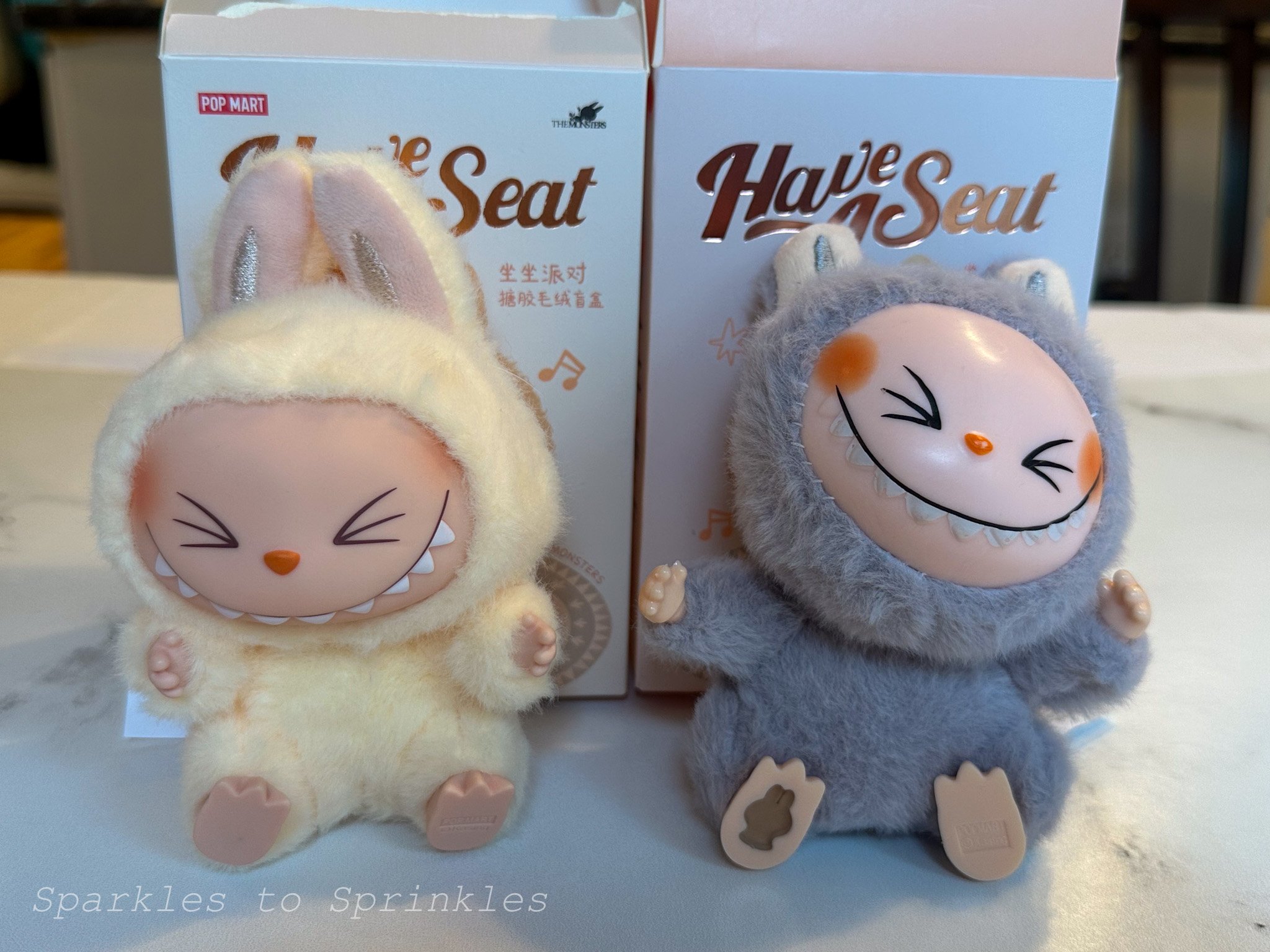
Credit: www.sparklestosprinkles.com
Price Vs Quality
Price versus quality is a crucial consideration when deciding if creative toys are knock-offs or genuinely valuable. You want to ensure that the toy delivers a fun, educational experience without breaking the bank. But how do you balance cost with durability and creativity?
Affordable Options
Many creative toys offer good value without a hefty price tag. Look for brands that use safe, non-toxic materials but avoid overly cheap plastics that break easily. You can find sets that encourage imagination and problem-solving for under $30.
Think about what your child really needs. If the toy sparks curiosity and keeps them engaged, it’s worth considering even if it’s not from a top-tier brand. Sometimes, a simpler design can inspire more creativity than a complex, expensive one.
When To Invest More
There are moments when spending more makes sense. High-quality toys often feature better craftsmanship, longer-lasting materials, and additional educational benefits. If you want a toy to grow with your child or withstand rough play, investing a bit extra pays off.
Ask yourself: will this toy be used frequently and for a long time? If yes, a durable option saves money and frustration in the long run. Also, consider toys that come with support or replacement parts — these usually cost more but offer better value over time.
Impact On Child Development
The impact of toys on child development is profound and often underestimated. Toys are not just tools for play; they are instruments that shape learning and creativity. Understanding the influence of creative toys versus low-quality knock-offs can guide you in making informed choices for your child’s growth.
Creative Play Benefits
Creative toys inspire imagination and problem-solving skills. They encourage children to think outside the box, fostering innovation. A simple set of building blocks can become a castle, spaceship, or whatever their mind conjures up.
These toys also aid in developing fine motor skills. As children manipulate pieces, they enhance their hand-eye coordination. Such skills are crucial as they transition to more complex tasks.
Have you ever watched a child completely absorbed in assembling a puzzle? That focus and determination are nurtured by toys that challenge and engage them. It’s through these activities that children learn perseverance.
Risks Of Low-quality Toys
Low-quality toys often lack the safety standards necessary for children. They may contain small parts that pose choking hazards or harmful chemicals. Ensuring toy safety is essential for peace of mind and your child’s well-being.
These knock-offs can also be less durable, breaking easily and leading to disappointment. A toy that crumbles under pressure doesn’t just fail in longevity; it discourages a child’s enthusiasm for play.
Consider the learning opportunities missed when a toy offers limited interaction. Is a toy that simply flashes lights or makes noise truly engaging your child’s mind? Quality matters not just for safety, but for the richness of your child’s developmental experience.
Choosing the right toys can have a lasting impact. What do you want your child to learn and experience through play? Make thoughtful choices that support their growth and creativity.
Spotting Authentic Creative Toys
Spotting authentic creative toys can save you from disappointment and ensure a safe, enjoyable experience for your child. Counterfeit toys often look similar but may lack quality and safety standards. Knowing where and how to find genuine products helps you protect your investment and your child’s well-being.
Authorized Retailers
Always buy creative toys from authorized retailers. These sellers have permission from the brand to distribute their products. You can usually find a list of authorized stores on the official brand website.
Shopping at trusted stores reduces the risk of receiving fake products. Have you ever noticed a price that seems too good to be true? That’s often a red flag for counterfeit goods.
Official Certifications
Look for official certifications on the toy packaging. Certifications like ASTM, EN71, or CPSIA indicate the toy meets safety and quality standards. These marks are your assurance that the toy has passed rigorous testing.
Don’t hesitate to check the packaging carefully. Missing or poorly printed certification logos often point to knockoffs. Remember, your child’s safety depends on these small details.
Consumer Tips
Buying creative toys can be tricky, especially with so many options claiming to be original or high-quality. It’s easy to wonder if the toy you’re eyeing is a genuine creative product or just a knockoff. To avoid disappointment and make sure you get value for your money, here are some consumer tips that will help you shop smarter and more confidently.
Research Before Buying
Before you click the buy button, spend some time digging into the product and the seller. Check for reviews from other buyers—do they mention durability, creativity, or any issues? Look for detailed photos and descriptions that explain how the toy works and what makes it unique.
Consider the brand’s reputation. Is it known for innovation, or does it pop up mostly in discount stores? Sometimes, a quick search for the toy’s model number or name alongside words like “fake” or “knockoff” can reveal red flags you might miss otherwise.
Checking Return Policies
Does the seller offer a clear return or exchange policy? This is crucial if the toy doesn’t meet your expectations or turns out to be a low-quality imitation. A flexible return policy shows the seller’s confidence in their product and protects you from losing your money.
Make sure you understand the process and time limits for returns. Some sellers might require you to keep original packaging or cover return shipping, which could affect your decision. Asking yourself, “Am I willing to deal with a complicated return process?” can save you stress down the line.

Credit: www.thesun.co.uk

Credit: www.cnet.com
Frequently Asked Questions
Are Creative Toys Often Considered Knockoffs?
Creative toys can sometimes be mistaken for knockoffs due to similar designs. However, many are original products made to inspire imagination and learning. It’s important to check brand authenticity and reviews before purchasing.
How To Identify A Knockoff Creative Toy?
Look for brand logos, packaging quality, and certifications. Genuine toys usually have clear labels and safety marks. Compare prices and seller reputation to avoid counterfeit products.
Do Knockoff Creative Toys Affect Child Safety?
Yes, knockoff toys may lack proper safety testing. They can contain harmful materials or small parts that pose choking hazards. Always buy toys from trusted brands to ensure safety.
Are Knockoff Creative Toys Cheaper But Lower Quality?
Knockoff toys are often cheaper but may use inferior materials. This can lead to shorter lifespan and less educational value. Investing in authentic toys ensures durability and better play experience.
Conclusion
Creative toys can offer fun and learning together. Some may seem like copies, but many bring unique ideas. Quality and safety matter most when choosing toys. Think about what your child enjoys and learns from. Affordable options do not always mean low value.
Trust your judgment and explore different brands. Let creativity guide your choice, not just price tags. In the end, playtime should inspire and delight every child.