Are you looking for a way to challenge your dog’s mind and keep them entertained for hours? Finding the most difficult dog puzzle toys can unlock a new level of fun for both you and your furry friend.
These toys don’t just pass time—they boost your dog’s problem-solving skills and prevent boredom that can lead to unwanted behavior. If you want to see your dog’s clever side and keep them mentally sharp, keep reading. You’ll discover which puzzle toys truly test your dog’s intelligence and how to choose the right one for your pup’s skill level.

Credit: updogshop.com
Top Challenging Dog Puzzle Toys
Top challenging dog puzzle toys push your pet’s intelligence and patience to new levels. These toys aren’t just about hiding treats—they require strategy, problem-solving, and persistence. If you want to keep your dog mentally sharp and entertained for longer, choosing the right puzzle toy can make all the difference.
Features That Increase Difficulty
Harder dog puzzles often include multiple steps to reach the reward. Sliding compartments, hidden levers, and rotating sections force your dog to think and experiment. Some puzzles even require your dog to use their nose, paws, and mouth in combination.
Adjustable difficulty levels are a plus—they let you start simple and increase the challenge as your dog improves. Have you noticed how your dog reacts when a puzzle toy is too easy? They lose interest quickly. But when the toy challenges them just right, their focus and excitement soar.
Materials And Durability
Strong materials matter for tough puzzle toys. Dogs can get frustrated and chew aggressively, so toys made from thick plastic, rubber, or sturdy wood last longer. Avoid fragile parts that break easily; safety is key.
Non-toxic materials ensure your dog stays safe while playing. Look for BPA-free plastics or natural woods without harmful finishes. Durable toys save you money and keep your dog happily engaged.
Popular Brands And Models
- Nina Ottosson by Outward Hound– Known for multi-level puzzles that require moving pieces and uncovering hidden treat spots.
- KONG Genius– Combines durability with clever designs, like puzzles that involve flipping and sliding parts.
- Trixie Dog Activity Flip Board– Offers a variety of locking mechanisms including flaps and sliders to challenge your dog.
- PetSafe Busy Buddy– Focuses on durable rubber puzzles that dispense treats only when manipulated correctly.
Choosing a puzzle from these brands means picking quality and challenge. Have you tried any of these toys with your dog yet? Watch how your dog’s problem-solving skills improve as you introduce more complex puzzles.

Credit: updogshop.com
Types Of Difficult Puzzle Toys
Challenging your dog’s mind requires puzzle toys that push their problem-solving skills to the limit. Difficult puzzle toys come in various forms, each designed to engage your pet in unique ways. Understanding the types can help you pick the right challenge for your dog’s intelligence and persistence.
Multi-step Puzzle Toys
These toys require your dog to complete several tasks in sequence to reach the reward. For example, your dog might need to slide a panel, lift a lid, and then pull a drawer. This layered complexity keeps your dog busy and sharpens their memory and reasoning.
Multi-step puzzles often test patience as much as intelligence. If your dog gets stuck on one step, they learn to try a different approach. Have you noticed how some dogs get frustrated, while others become more determined?
Interactive Electronic Toys
Electronic puzzle toys respond to your dog’s actions with sounds, lights, or moving parts. These toys adapt to your dog’s skill level and often increase in difficulty automatically. They’re great for dogs who need a dynamic challenge and enjoy sensory stimulation.
For instance, a toy might play a tune when your dog presses the right button, encouraging them to explore other buttons for treats. These toys require a bit more supervision, but they can keep your dog entertained for longer periods.
Hidden Compartment Toys
Hidden compartment toys make your dog search for treats tucked away in secret spots. Your dog might have to lift flaps, open boxes, or slide panels to uncover the hidden reward. This type of puzzle encourages curiosity and fine motor skills.
One great example is a toy with multiple compartments that open only after solving a puzzle on each one. Have you tried swapping treats to keep your dog guessing? It’s a simple way to make these toys more challenging over time.
Choosing The Right Puzzle Toy
Choosing the right puzzle toy for your dog can make all the difference in keeping them mentally sharp and happily engaged. Each dog has unique needs, and picking a toy that fits those needs can prevent frustration and encourage learning. Think about your dog’s personality and abilities before making a choice.
Matching Toy To Dog’s Skill Level
Start by observing how your dog interacts with toys and treats. Is your dog a beginner at solving puzzles or already a pro? Toys come in different difficulty levels, from simple treat-dispensing balls to complex multi-step puzzles.
If you choose a puzzle that’s too hard, your dog might lose interest quickly. Too easy, and it won’t challenge them enough. Try to find a toy that stretches your dog’s problem-solving skills just enough to keep them motivated.
Considering Dog’s Size And Breed
Your dog’s size affects the type of toy that will work best. Small dogs might struggle with large, heavy toys, while big dogs need sturdy puzzles that won’t break under pressure. Breed also plays a role; some breeds are naturally more curious or energetic and may prefer interactive toys that require more movement.
Think about your dog’s chewing strength too. A toy that’s perfect for a gentle chewer might not last a minute with a power chewer. Choosing the right size and durability ensures the toy lasts longer and remains safe for your dog.
Safety And Non-toxic Materials
Safety should never be an afterthought. Check that the puzzle toy is made from non-toxic, pet-safe materials. Avoid toys with small parts that can break off and become choking hazards.
Look for sturdy construction that can handle your dog’s play style without splintering or cracking. Your dog’s health depends on it, so don’t compromise on quality just to save a few dollars.
Training Tips For Tough Puzzle Toys
Training your dog with tough puzzle toys requires patience and strategy. These toys challenge your dog’s mind and keep them engaged. Proper training helps your dog enjoy the toy and learn how to solve it. Use simple steps to guide your dog through the learning process. Here are some tips to make training with difficult puzzle toys easier.
Introducing New Toys Gradually
Start with easier puzzle toys before moving to harder ones. Let your dog explore the new toy without pressure. Watch how your dog interacts with the toy. Offer help if your dog seems confused. Gradual introduction builds confidence and interest.
Using Treats As Motivation
Use tasty treats to encourage your dog to try the toy. Place treats in easy-to-find spots first. Praise your dog when they find a treat. Slowly make the toy harder by hiding treats deeper. Treats keep your dog excited and focused.
Encouraging Problem-solving Skills
Give your dog time to figure out the toy alone. Avoid giving answers too quickly. Use positive words and gestures to support your dog. Celebrate small successes to boost their confidence. Problem-solving builds your dog’s intelligence and patience.
Benefits Of Difficult Puzzle Toys
Difficult dog puzzle toys challenge a dog’s mind and keep them busy longer. These toys improve problem-solving skills and reduce boredom. Choosing the most difficult puzzle can boost mental sharpness and provide rewarding playtime.
Difficult dog puzzle toys aren’t just for show—they offer a range of benefits that can enhance your dog’s life. These toys go beyond simple entertainment, providing mental challenges that can keep your dog sharp and engaged. Let’s dive into the specific advantages of incorporating these puzzle toys into your dog’s routine.Mental Stimulation And Enrichment
Difficult puzzle toys push your dog’s cognitive limits, engaging their problem-solving skills. When your dog figures out how to unlock a treat, it’s not just a win for their tummy—it’s a workout for their brain. This mental stimulation is crucial for keeping your dog happy and healthy. Imagine your dog tackling a toy that requires multiple steps to get to the reward. Each layer of complexity offers new challenges that keep their mind active. Just like humans, dogs need mental exercises to avoid stagnation and boredom.Reducing Boredom And Destructive Behavior
Ever come home to find your favorite shoes chewed up? Boredom is often the culprit behind such destructive behavior. Difficult puzzle toys can redirect that energy into something positive. These toys provide a healthy outlet for your dog’s natural instincts. Instead of tearing up your sofa, they can focus on the intricate task of solving a puzzle. This keeps them entertained and out of trouble.Strengthening Dog-owner Bond
Working on a puzzle toy together can be a fantastic bonding experience. As you guide your dog through the process, you’re not just a spectator—you’re a partner in their adventure. This cooperation builds trust and improves communication between you and your furry friend. Plus, the shared joy of success makes for cherished moments and stronger connections. Have you ever tried a difficult puzzle toy with your dog? Watching them succeed can be as rewarding for you as it is for them.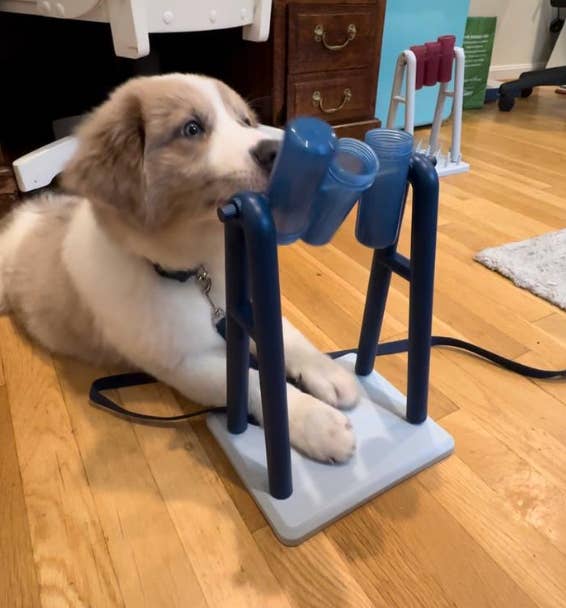
Credit: www.buzzfeed.com
Common Challenges And Solutions
Dog puzzle toys challenge dogs to think and solve problems. These toys keep dogs busy and sharp. Yet, some puzzles bring common struggles. Understanding these challenges helps owners support their dogs better.
Each dog has its own pace and style of learning. Some puzzles may seem too hard at first. Owners can face issues like frustration, toy damage, or wrong difficulty levels. Solutions exist to make playtime fun and rewarding.
Frustration And Giving Up
Dogs may feel frustrated if puzzles are too tough. This can lead to giving up quickly. Signs include ignoring the toy or losing interest. Patience is key to help dogs stay motivated.
- Start with easier puzzles to build confidence.
- Use treats or praise to encourage attempts.
- Break the task into smaller steps for clarity.
- Watch for signs of stress and take breaks.
Toy Durability Issues
Some puzzle toys are not strong enough for heavy chewers. Toys may break or lose parts quickly. This can cause safety problems or disappointment.
- Choose puzzles made from tough, non-toxic materials.
- Inspect toys regularly for wear and tear.
- Replace damaged toys promptly to avoid hazards.
- Consider toys designed for strong chewers.
Adjusting Difficulty Levels
Dogs need puzzles that match their skill level. Too easy puzzles get boring fast. Too hard puzzles cause frustration and no progress.
- Gradually increase puzzle difficulty over time.
- Mix simple and challenging toys to maintain interest.
- Observe how your dog interacts and adjust accordingly.
- Use puzzles with adjustable parts or settings.
Frequently Asked Questions
What Makes A Dog Puzzle Toy Difficult?
A difficult dog puzzle toy challenges a dog’s problem-solving skills. It requires multiple steps or complex actions to access treats. These toys keep dogs mentally engaged and prevent boredom. Difficulty varies by design, size, and the dog’s intelligence level.
Which Dog Puzzle Toys Are Best For Advanced Dogs?
Best advanced dog puzzle toys include the Nina Ottosson Dog Tornado and Trixie Pet Games. These toys have multiple compartments and require complex manipulation. They stimulate a dog’s intellect and provide extended playtime. Advanced puzzles improve focus and reduce destructive behavior.
How Do Difficult Dog Puzzle Toys Benefit My Dog?
Difficult dog puzzle toys improve cognitive skills and mental stimulation. They keep dogs entertained and reduce anxiety. These toys promote problem-solving and patience. Regular use can prevent boredom-related behavior problems and increase overall well-being.
Are Difficult Puzzle Toys Safe For All Dog Sizes?
Most difficult puzzle toys are designed for specific dog sizes. Always choose a toy appropriate for your dog’s size and chewing strength. Small toys can be choking hazards for large dogs. Check manufacturer guidelines for safety and suitability.
Conclusion
Challenging dog puzzle toys keep pets smart and busy. They help dogs learn and solve problems daily. Choosing the right toy depends on your dog’s skill level. Start with simple puzzles, then try harder ones. Watch your dog’s reaction to find the best fit.
Puzzle toys also reduce boredom and destructive behavior. Keep playtime fun, safe, and rewarding for your dog. These toys make training feel like a game. Try different puzzles to see which your dog enjoys most. Smart toys can brighten your pet’s day and mind.