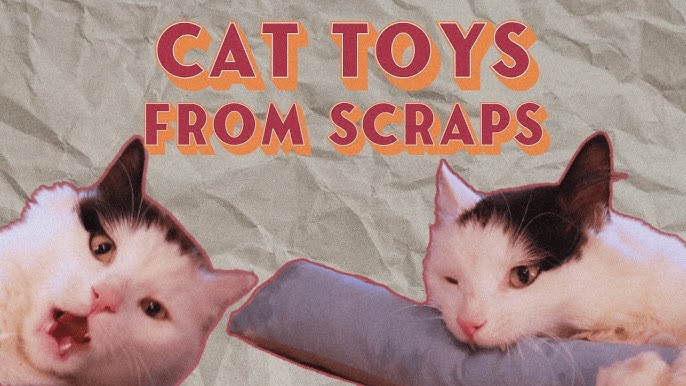
If you want to keep your kitten happy and active, making DIY kitten toys is a fun and easy way to do it. You don’t need fancy materials or a big budget—just a little creativity and some simple items you probably already have at home.
Imagine your kitten chasing, pouncing, and having a blast with toys you made yourself. Ready to turn ordinary things into exciting playtime treasures? Let’s dive into how you can create safe, entertaining toys that your furry friend will love.
Benefits Of Diy Kitten Toys
Making your own kitten toys brings many benefits beyond simple play. DIY toys allow you to save money, choose materials your kitten loves, and create special moments together. These advantages make crafting toys a rewarding experience for both you and your kitten.
Cost Savings Compared To Store-bought Toys
DIY kitten toys use common household items or inexpensive materials. This keeps costs low compared to buying new toys. You can make many toys without spending a lot. Saving money lets you try different toy ideas without worry.
Customization For Your Kitten’s Preferences
Each kitten has unique play habits and tastes. Making toys at home lets you tailor size, texture, and movement. You control colors, shapes, and sounds. This ensures your kitten enjoys the toy and stays interested longer.
Encouraging Creativity And Bonding
Crafting toys sparks your creativity and problem-solving skills. It also creates quality time with your kitten. Playing with toys you made deepens your bond. This shared activity builds trust and happiness for both of you.

Credit: www.youtube.com
Safe Materials For Kitten Toys
Choosing safe materials for your DIY kitten toys is crucial to keep your furry friend happy and healthy. Kittens are curious explorers who love to chew, bite, and paw at their toys, so every material must be carefully selected to avoid any harm. Using the right fabrics, avoiding small parts, and considering eco-friendly options will make your homemade toys both fun and safe.
Non-toxic Fabrics And Threads
Always pick fabrics labeled as non-toxic and safe for pets. Cotton, fleece, and felt are soft and gentle on your kitten’s teeth and paws. Avoid synthetic fibers that can shed harmful particles or cause allergic reactions.
Threads should be strong but non-toxic too. Polyester and cotton threads are good choices because they don’t fray easily and won’t hurt your kitten if swallowed in small amounts. You want materials that won’t break apart during vigorous play.
Avoiding Small Parts And Hazards
Small pieces like buttons, beads, or bells may look cute but can become choking hazards. Instead, use embroidered eyes or securely stitched details that won’t come loose. Think about how your kitten plays—if it’s likely to chew or swallow pieces, leave them out.
Also, stay away from sharp edges or materials that splinter, such as broken wood or hard plastics. Your kitten’s safety depends on every part of the toy being sturdy and secure enough to handle rough play without breaking.
Eco-friendly And Recyclable Options
Eco-friendly materials are better for the planet and often safer for your kitten. Old t-shirts, scrap fabric, and natural fibers like jute or hemp make excellent choices. These materials are biodegradable and free from harsh chemicals.
Recycling household items into toys cuts down waste and saves money. Ever tried turning an empty cardboard tube or a clean sock into a toy? Many kittens love these simple, safe options just as much as store-bought toys.
Simple Diy Toy Ideas
Creating simple DIY kitten toys can be a fun and rewarding way to keep your furry friend entertained. These toys don’t require fancy materials or complicated steps. With just a few household items, you can make toys that spark your kitten’s curiosity and encourage playful behavior.
Sock And Catnip Pouches
Take an old, clean sock and fill it with dried catnip or a mix of catnip and fabric scraps. Tie a knot at the open end to seal the pouch. The soft texture and irresistible scent will attract your kitten and encourage playful biting and pouncing.
Try tossing the pouch across the room to see your kitten chase it around. Have you noticed how your kitten’s energy spikes when catnip is involved? These pouches are a simple way to give them a burst of fun.
Feather Wand Toys
Attach a few feathers to the end of a stick or a sturdy string. You can use glue or tightly wrap the feathers with tape or thread. Move the wand in quick, unpredictable motions to mimic the fluttering of a bird.
Your kitten’s natural hunting instincts will kick in as they leap and swipe at the feathers. This toy is not only inexpensive but also a great way to bond while providing much-needed exercise. What patterns of movement does your kitten respond to best?
Paper Ball Toys
Simply crumple a piece of paper into a small ball. Use plain or colorful paper for variety. These lightweight balls are perfect for batting around and chasing across the floor.
Because they are easy to make and replace, you can keep a stash ready for quick play sessions. Notice how your kitten reacts differently to paper balls compared to store-bought toys? The simplicity often sparks surprising enthusiasm.
Credit: www.petsradar.com
Interactive Toys To Stimulate Play
Interactive toys are essential for keeping your kitten entertained. They encourage curiosity and help develop problem-solving skills. Creating these toys at home can be a fun and rewarding experience. Let’s explore some DIY options that will captivate your kitten’s attention.
Diy Puzzle Feeders
Create a simple puzzle feeder using a plastic bottle. Cut small holes around the bottle. Ensure the holes are big enough for kibble to fall out. Fill the bottle with your kitten’s favorite dry food. Seal the top securely. Your kitten will love batting the bottle to release treats. This stimulates their hunting instincts.
Cardboard Maze Games
Transform a cardboard box into a playful maze. Cut various entry and exit points on the box. Add small tunnels and hide treats inside. Use tape to secure any loose flaps. This maze will keep your kitten occupied for hours. It’s a perfect way to engage their senses.
String And Pom-pom Chase Toys
Craft a simple chase toy with string and pom-poms. Attach a pom-pom to a long piece of string. Secure it tightly to prevent detachment. Dangle the pom-pom in front of your kitten. Watch as they leap and pounce with excitement. This toy is great for bonding and exercise.
Upcycling Household Items
Upcycling household items is a smart way to create fun kitten toys. It saves money and helps the environment. Many common items can turn into playful, safe toys your kitten will love. These toys keep your kitten active and entertained without costing much. Using things around the house also means no extra trips to the store.
Using Toilet Paper Rolls
Toilet paper rolls make simple and fun toys. They are lightweight and easy for kittens to bat around. Cut the rolls into smaller rings or leave them whole. You can stuff them with some catnip or crumpled paper for extra fun. Gluing a few rolls together can create tunnels or shapes to explore.
Old T-shirts And Socks
Old t-shirts and socks are perfect for soft, safe toys. Cut strips from t-shirts and braid them tightly. Tie knots at the ends to keep the braid strong. Socks can be filled with catnip or crinkly paper. Tie the open end to keep the filling inside. These toys are great for kittens to chew and carry.
Bottle Caps And Boxes
Bottle caps roll easily and catch a kitten’s attention. Make sure they are clean and smooth to avoid sharp edges. Place them inside a small box or a shallow container. The kitten will enjoy pawing and chasing the caps inside the box. Small cardboard boxes also make great hiding and pouncing spots for kittens.

Credit: www.yahoo.com
Tips For Making Toys Last Longer
Keeping your DIY kitten toys durable saves you time and money while keeping your playful kitty entertained. Small changes in how you build and care for the toys can make a big difference in their lifespan. Let’s look at some practical tips that help your creations last longer and stay safe for your kitten.
Reinforcing Seams And Attachments
Strong seams prevent your kitten from tearing toys apart too quickly. Use double stitching or sew with thicker thread to hold pieces together firmly. Adding a dab of non-toxic glue where fabric edges meet can also help keep everything intact.
Attachments like bells or feathers are tempting targets for little teeth and claws. Secure them with extra stitches or wrap wire tightly around the base to avoid losing parts. Think about using small, sturdy buttons or knots instead of glued-on pieces for better durability.
Regular Cleaning And Maintenance
Dirty toys can harbor germs and break down faster, so clean them regularly. Hand wash fabric toys with mild soap and air dry to keep materials from weakening. For harder toys, a quick wipe with a damp cloth removes dirt and keeps them fresh.
Check toys often for loose threads or parts before your kitten plays. Fixing small issues early prevents bigger damage and keeps your pet safe from swallowing anything harmful. How often do you inspect your kitten’s toys?
Rotating Toys To Keep Interest
Giving your kitten new toys regularly can seem expensive, but rotating what’s available is a smart, low-cost trick. Store some toys away and switch them out every few days to keep your kitten curious and excited. This also reduces wear and tear on individual toys.
Rotating toys gives you time to repair or clean the ones in storage, extending their life. Have you noticed how your kitten treats “new” toys with more care? It’s a simple way to keep playtime fresh without always making new toys.
Encouraging Safe Play Habits
Encouraging safe play habits is essential for keeping your kitten happy and healthy while enjoying their new DIY toys. Safe play not only prevents injuries but also helps your kitten develop good behavior and trust in you. Paying close attention to how your kitten interacts with their toys can make a big difference in their overall well-being.
Supervised Playtime
Always watch your kitten during play, especially with new DIY toys. Kittens are curious and can sometimes chew or swallow small parts, which can be dangerous. By staying close, you can step in if your kitten starts to play too rough or tries to eat something they shouldn’t.
Supervised play also allows you to learn what types of toys your kitten prefers and how they like to play. This insight helps you create safer and more engaging toys tailored to your furry friend’s personality. Have you noticed your kitten favoring certain textures or sounds during play?
Recognizing Wear And Tear
Check your kitten’s toys regularly for signs of damage like loose threads, broken parts, or sharp edges. Worn-out toys can pose choking hazards or cause cuts. Spotting these issues early prevents accidents and keeps playtime fun and safe.
It’s easy to forget how fast a kitten’s teeth and claws can wear down a toy. I once missed a frayed string on a homemade wand toy, and my kitten almost swallowed a loose thread. That experience taught me to inspect toys more often and keep a close eye on wear and tear.
Replacing Damaged Toys Promptly
Don’t wait to replace or repair toys that show damage. Even small tears can quickly worsen and become a hazard. Having a stash of backup DIY toys ready ensures your kitten never misses out on playtime.
Replacing damaged toys promptly also keeps your kitten interested and engaged. New toys stimulate their curiosity and provide fresh challenges. What’s your strategy for rotating toys to keep your kitten entertained and safe?
Frequently Asked Questions
What Materials Are Best For Diy Kitten Toys?
Safe, non-toxic materials like felt, yarn, and soft fabric work best. Avoid small parts that kittens can swallow. Use household items like bottle caps or paper rolls for creative, budget-friendly toys.
How Do I Make Interactive Kitten Toys At Home?
Combine feathers, bells, and strings to create engaging toys. Attach them to sticks or rods for wand toys. These encourage exercise and mental stimulation, keeping kittens entertained and active.
Can Diy Kitten Toys Improve Kitten Behavior?
Yes, homemade toys reduce boredom and destructive behavior. Regular playtime with DIY toys strengthens your bond and helps kittens learn healthy play habits. Providing variety keeps them curious and happy.
How Often Should I Rotate Diy Kitten Toys?
Rotate toys every few days to maintain interest. Changing toys prevents boredom and keeps kittens excited. Regular rotation ensures toys stay fresh and engaging, promoting continuous play and activity.
Conclusion
Making DIY kitten toys is fun and saves money. You use simple materials found at home. These toys keep your kitten active and happy. Crafting toys yourself lets you choose safe, healthy options. Watching your kitten play with your creations feels rewarding.
Start small and try different ideas to find what your kitten likes best. Enjoy the process and bond with your furry friend. Creating toys at home brings joy to both you and your kitten.